
Key Takeaways
- Non-toxic living is not a regulated standard. Words like “non-toxic,” “clean,” and “natural” have no legal definition for most products, so the ingredient list matters more than the front label.
- You don’t switch everything at once. The fastest wins come from the products you use daily and the ones that touch your skin, your food, and the air you breathe.
- Start in one room. This guide moves through the kitchen, bathroom, laundry, bedroom, kids’ spaces, and garden, with a safer swap for each, so you always have a clear next step.
What Non-Toxic Living Actually Means
Non-toxic living means lowering your daily exposure to the chemicals most linked to health concerns by choosing safer everyday products. It is a direction and a spectrum, not a regulated label or an all-or-nothing rule.
Search “non-toxic,” and you’ll find it stamped on everything from cookware to crayons. It sounds like a standard somebody checks. It isn’t. For most consumer products, words like “non-toxic,” “clean,” and “natural” have no legal definition, and no agency approves them before they go on a label. Even for cosmetics, federal oversight stayed mostly unchanged from 1938 until the Modernization of Cosmetics Regulation Act of 2022, and that law focuses on safety records and recalls, not the marketing on the front of the box.
So treat “non-toxic” as a direction, not a finish line. No home is ever going to be perfectly chemical-free, because that isn’t how the physical world works. What you can do is steadily lower your exposure to the ingredients with the worst track records. Think of every product as sitting somewhere on a range from lower concern to greater concern, and non-toxic living as nudging your everyday choices toward the better end of that range.
Why It’s Worth the Effort
Non-toxic living matters because most people spend most of the day indoors, where chemical pollutants from everyday products can build up to levels higher than those in the air outside.
Pollution sounds like an outdoor problem, a highway at rush hour, or a factory on the horizon. For most of us, the bigger story is happening inside. According to the U.S. Environmental Protection Agency, concentrations of many volatile organic compounds are consistently higher indoors than outdoors, sometimes up to 10 times higher, and are released by paints, cleaners, air fresheners, furnishings, and more.
That matters because of where you spend your time. Your home is the one environment you can actually control, and you’re in it for hours every day, asleep and awake. You can’t filter the whole outdoors, but you can choose what cookware you use to heat food, what you spray on the counter, and what you wash your sheets with. That’s the case for non-toxic living. It isn’t about chasing a perfect, sealed-off house. It’s about cleaning up the small, daily exposures in the one place you have the most say.
The Handful of Chemicals Worth Knowing
The chemicals worth knowing for non-toxic living are PFAS, VOCs, phthalates, bisphenols like BPA, formaldehyde, synthetic fragrance, and flame retardants, a short list that covers most of what turns up in everyday products.
You don’t need a chemistry degree to live less toxically. You need a short list of names to recognize, and a sense of where each one hides. Here’s the shortlist worth knowing:
- PFAS (“forever chemicals”). A large family of chemicals used for nonstick, waterproof, and stain-resistant coatings. The EPA notes they resist breaking down, which is why they build up in the environment and in our bodies. They turn up in nonstick pans, stain-resistant furniture, and some food packaging.
- VOCs. Gases are released by paints, finishes, air fresheners, scented candles, and many cleaning sprays. They are the main reason indoor air can carry more pollutants than outdoor air.
- Phthalates. Used to make plastic soft and flexible and to make fragrance last. They belong to a group studied for their effects on hormones, and they are found in vinyl, soft plastics, and scented products.
- Bisphenols (BPA and its substitutes). Used to harden plastic and line some food cans. Like phthalates, they sit in a group studied for effects on hormones, and they turn up in older hard plastics, receipts, and the lining of some canned food.
- Formaldehyde. A preservative and binder found in some pressed-wood furniture, certain fabrics, and a few personal care products. It is classified as a known human carcinogen.
- Synthetic fragrance. The single word “fragrance” on a label can stand in for dozens of undisclosed ingredients, which is why fragrance is one of the most common hidden sources of phthalates and irritants.
- Flame retardants. Added to some furniture foam, mattresses, and electronics. They migrate out over time and settle into household dust.
✨ Tip
Spot Three Things, Not Thirty
You will never memorize every chemical, and you don’t need to. If you just learn to spot “fragrance,” nonstick coatings, and soft vinyl, you’ve covered a big share of everyday exposure.
How to Start, One Swap at a Time
The easiest way to start non-toxic living is to replace products as you run out, beginning with what you use daily and what comes into contact with your skin, food, and air, and to focus on one room at a time.
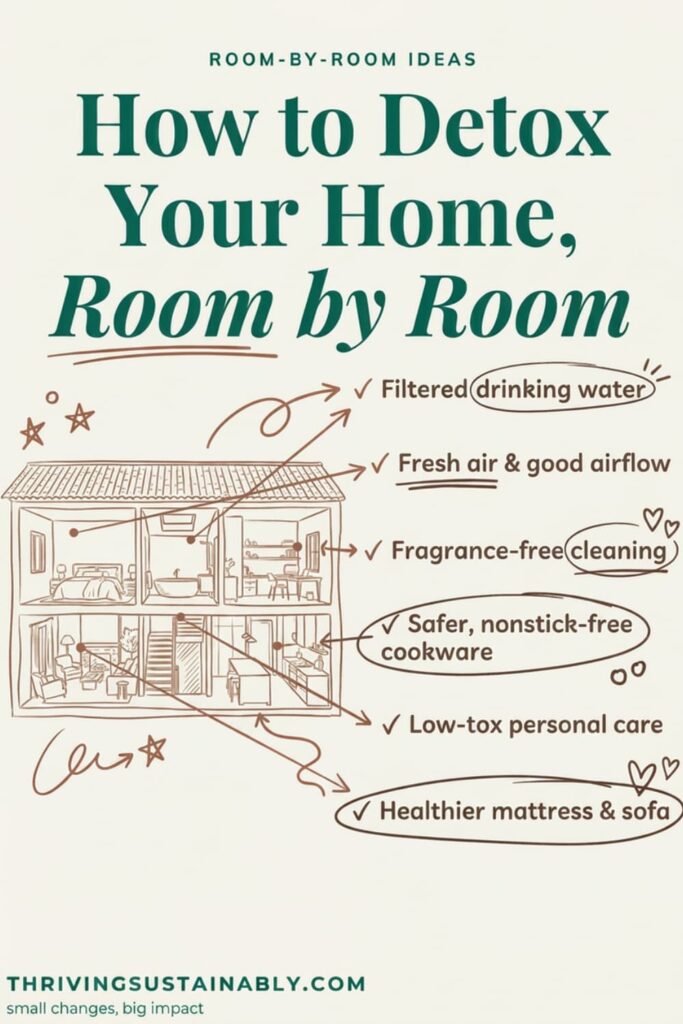
The fastest way to quit before you start is to look at the whole house at once. Don’t. Non-toxic living works best as a slow, almost boring process. A few rules keep it manageable:
- Swap as you run out, not all at once. Throwing out everything you own is wasteful and expensive, and it isn’t safer. When a product is finished, replace it with a better version. The upgrade happens naturally over months.
- Start with daily-use and high-contact items. A pan you cook in every night or a lotion you rub into your skin matters more than a product you touch twice a year. Frequency and contact are your priority filter.
- Take one room at a time. Pick the room that bothers you most and finish it before moving on. One done room beats five half-done ones, and it keeps the project from sprawling.
- Aim for better, not perfect. A cleaner swap that you actually make beats the ideal swap you keep putting off. Progress compounds.
A Simple Phased Roadmap
When everything feels equally urgent, nothing actually gets done. A rough order of operations fixes that. Think of non-toxic living as three waves, not one big push.
Wave one is the foundation: the water you drink and cook with, the air you breathe, and the food you eat. These reach your body all day, asleep and awake, so a water filter, better airflow, and fewer fragranced sprays give you the biggest return for the least money early on.
Wave two is everything that touches you and your food up close: cookware, food storage, and the personal care products you use daily. This is where most of the room-by-room swaps below live.
Wave three is the slow, big-ticket layer, things like mattresses, upholstered furniture, and flooring. They cost the most and off-gas the most when new, so you handle them whenever you’d be replacing them anyway. You don’t skip a wave. You just stop treating a new couch with the same urgency as the water you drank this morning.
Make the New Habit Stick
A swap only counts once it becomes your new normal, so it helps to borrow a couple of tricks from habit research. The first is habit stacking, which means attaching the new choice to something you already do without thinking. “When the dish soap runs out, I reorder the better one.” This turns a vague wish into an automatic trigger.
The second is an implementation intention, which is just a “when this happens, I’ll do that” plan. Instead of “I should switch to a cleaner sunscreen someday,” you decide the moment in advance: “when the sunscreen runs low, I’ll check the ingredient list before I rebuy.” Picking the exact trigger is what turns a good intention into a swap that actually happens.
It also helps to bring the household along. A partner or roommate who knows why the plug-in air freshener disappeared is far less likely to buy a new one. You don’t need a family meeting, just a quick heads-up so the changes hold.
If you want a structured starting point, our list of plastic-free swaps pairs well with this guide for the items that are both plastic-heavy and worth upgrading.
Don’t Miss: How to Spot Greenwashing Before you trust another “clean” or “non-toxic” label, learn the marketing tricks that make ordinary products look healthier than they are. Read more →Your Room-by-Room Non-Toxic Swaps
A room-by-room approach to non-toxic living covers the kitchen, bathroom, laundry, bedroom, kids’ spaces, and garden, with one clear safer swap to begin with in each.
This is the heart of it. Each room below has a starting swap, the one that gives you the most benefit for the least effort, plus the next steps once that’s done. Begin wherever you like, but if you want a recommendation, start with the kitchen.
🍽️ Kitchen & Food
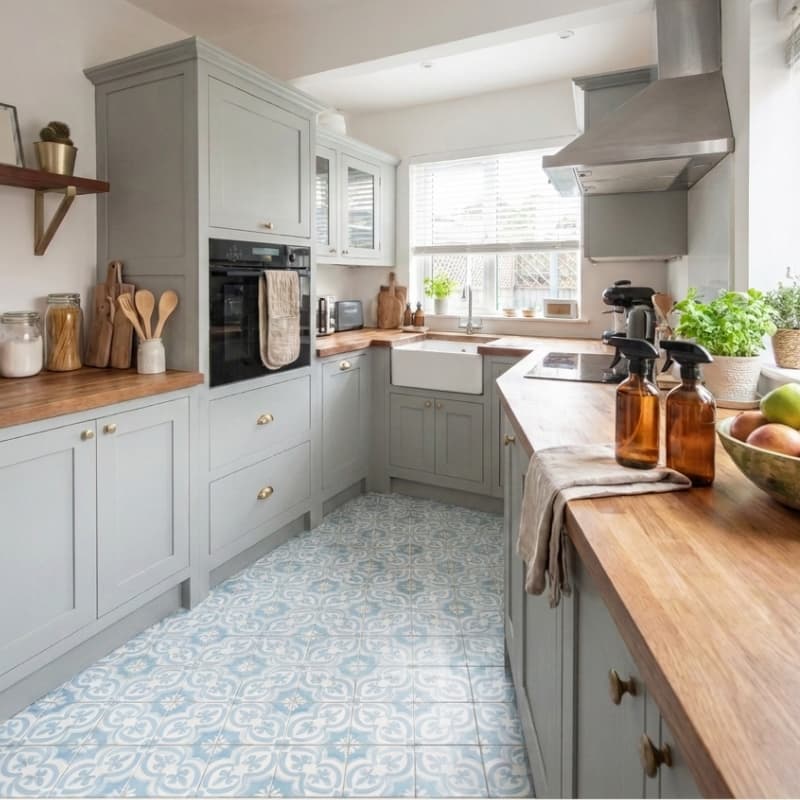
The kitchen is the highest-impact room, because heat and food multiply whatever a product is made of. The starting swap is your cookware. Scratched nonstick pans can shed their PFAS-based coating into food, so as pans wear out, move to cast iron, stainless steel, or carbon steel.
From there, swap soft plastic food storage for glass, since plastic can transfer compounds into food, especially when it’s hot or acidic. Our guide to glass food storage containers covers the picks worth buying, and the same logic applies to non-toxic cutting boards. Don’t forget what comes out of the tap. A good filter is one of the highest-value upgrades in the house, and our reverse osmosis system guide walks through the strongest options.
🛁 Bathroom & Beauty
The bathroom is all about direct skin contact, and your skin and nails absorb some of what you put on them. Personal care products are also lightly regulated, so the front label tells you very little.
Work through the products you use most. Our guides to non-toxic nail polish, non-toxic sunscreen, plastic-free shampoo, and a plastic-free toothbrush each break down what to look for and which brands earn it. The common thread across all of them: a short, fully published ingredient list beats any “clean” claim on the front.
🧼 Laundry & Cleaning
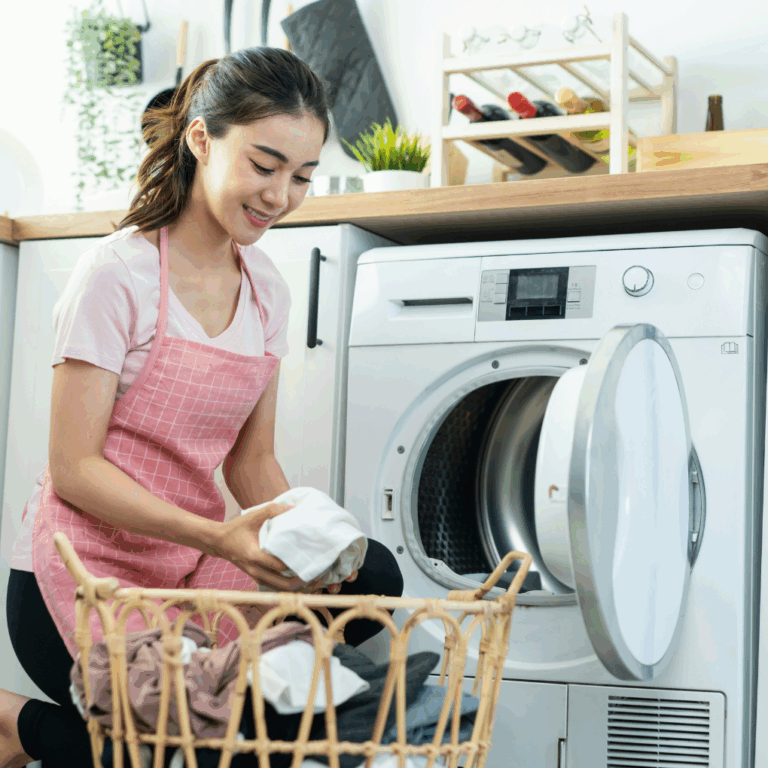
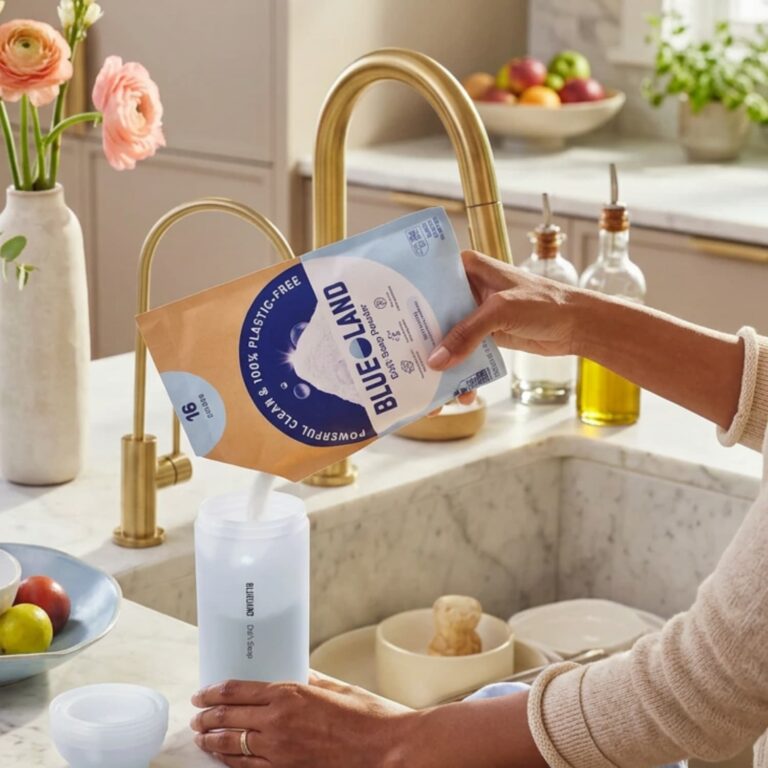
Cleaning products are a top source of indoor VOCs, and laundry residue sits against your skin all day. The starting swap is laundry detergent. Move away from heavily fragranced formulas toward a simpler one, and see our non-toxic laundry detergent guide for the brands worth trusting.
For surface cleaning, you can replace most of the cabinet with a few basics. Plain soap, vinegar, and baking soda handle the majority of household jobs without the fragrance and VOC load. Skip plug-in air fresheners and scented sprays, which add chemicals to the air rather than removing anything.
🛏️ Bedroom & Living Room
You spend roughly a third of your life in the bedroom, so it’s worth a look, even though the swaps here are slower. New mattresses, upholstered furniture, and pressed-wood pieces can off-gas VOCs and flame retardants when they’re new.
You don’t need to replace furniture you already own. Two free habits do most of the work: open the windows regularly to let indoor air clear, and let any new furniture or mattress air out before heavy use. When you are buying something new, look for pieces made without added flame retardants and with low-VOC finishes.
🧒 Baby & Kids
Children breathe faster, spend more time near the floor where dust settles, and put more things in their mouths, so this is a room where swaps are worth prioritizing. The principle is the same as everywhere else: focus on high-contact, daily-use items first.
That means diapers, bedding, and anything that comes into contact with the mouth. Our cloth diaper guide is a good starting point for one of the highest-contact products in a baby’s day. For toys and sleep gear, favor simple materials like solid wood, organic cotton, and stainless steel over soft vinyl and synthetic foam.
🌸 Garden & Outdoor
Non-toxic living doesn’t stop at the back door. Conventional weed killers and pesticides are designed to be biologically active, and they drift onto the lawn and paths where kids and pets play, then get tracked back inside.
The starting swap is to pause routine chemical weed and pest treatments. Hand-pulling, mulching, and spot-treating with simple solutions handle most yards. A doormat and a no-shoes-inside habit also quietly cut how much outdoor residue ends up on your floors.
How to Spot Greenwashing on the Label
Spotting greenwashing means trusting ingredient lists and verified certifications over vague label claims like “natural,” “clean,” and “non-toxic,” which any brand can print without proof.
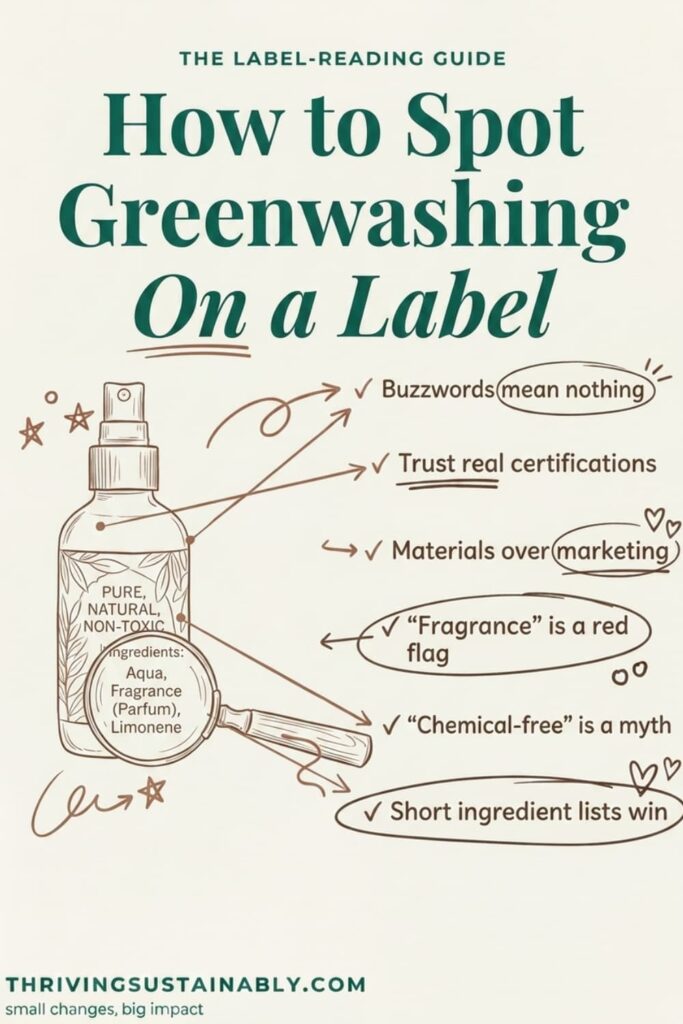
Once you start swapping, you’ll notice every brand suddenly sounds healthy. Shelves full of little leaves, soft earth tones, and the words “pure” and “clean” in a calm serif font. That’s the catch. Because those buzzwords aren’t regulated, they carry almost no information, and a brand can call a product “clean” while changing nothing about the formula. Greenwashing is just marketing that runs ahead of the product. Three habits cut through it.
Read the Materials, Not the Marketing
Turn the product over and ask what it’s actually made of. In non-toxic living, materials tell you more than any front-label adjective. Stable, simple materials like glass, stainless steel, solid wood, and clearly named natural fibers are easier to trust than coatings, soft plastics, and proprietary blends. If a brand explains what its product is made from and why, that’s a good sign. If the materials are vague or missing, that’s usually your answer.
Treat “Fragrance” as a Question Mark
The single word “fragrance,” or “parfum,” can stand in for dozens of undisclosed ingredients, because fragrance recipes are treated as trade secrets. That holds true even on products marketed as clean. Until you know a brand discloses what’s in its scent, fragrance-free is the simpler, safer pick, especially for personal care and anything you spray indoors.
Be Wary of “Chemical-Free” and “100% Non-Toxic”
Nothing is chemical-free. Water and salt are chemicals, too. A brand that claims it, or stamps “100% non-toxic” on the box without explaining what that means, is selling a feeling, not a fact. Honest brands are specific about their materials and open about trade-offs. You don’t need a brand to be perfect. You need it to be transparent. A shorter ingredient list helps here, too, simply because there’s less to vet.
Don’t Miss: How to Spot Greenwashing Before you trust another “clean” or “non-toxic” label, learn the marketing tricks that make ordinary products look healthier than they are. Read more →How to Find Non-Toxic Brands You Can Trust
The most reliable way to find non-toxic products is to look for independent third-party certifications like EWG Verified, MADE SAFE, and GREENGUARD Gold, and to use free ingredient-scanning apps that check labels against known chemical hazard lists.
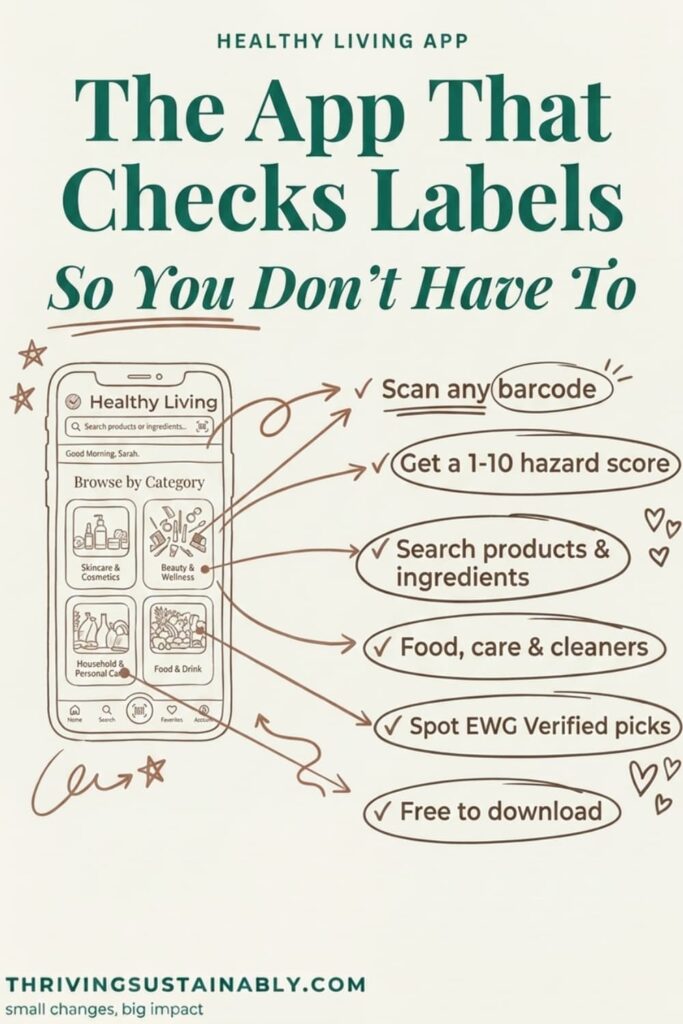
Reading every ingredient list yourself gets old fast, and most of us give up somewhere around the third unpronounceable word. You don’t have to do it alone. A handful of independent groups already pressure-test products, and a couple of free apps put that work right in your pocket.
Certifications Worth Knowing
A third-party certification means an outside group, not the brand, checked the product against a published standard. That’s the whole point: someone with no sales stake did the vetting. A few marks are worth recognizing on sight.
- EWG Verified covers personal care. Run by the Environmental Working Group, it requires brands to skip EWG’s “unacceptable” ingredients and fully disclose what’s inside, fragrance included.
- MADE SAFE spans a wide range of home and body products. It screens ingredients against a long list of substances linked to health and environmental harm and considers the whole product, not just one part.
- GREENGUARD Gold covers furniture, mattresses, and building materials. Certified by UL Solutions, it sets strict limits on chemical emissions, with tighter rules for products used in spaces like nurseries and schools.
- OEKO-TEX STANDARD 100 covers textiles, from sheets to clothing. Every component, down to the thread and buttons, is tested for harmful substances.
- USDA Organic covers food, and it’s a useful signal on some personal care products, too.
No certification is perfect, and plenty of safe products skip them because testing is expensive, especially for small brands. Treat a trusted mark as a strong green light, not the only thing you’ll ever check.
Free Tools That Do the Vetting for You
You can also hand the label to an app. Clearya scans a product’s ingredient list by photo while you’re in a store or automatically while you shop on sites like Amazon, and flags ingredients linked to known concerns. EWG’s Skin Deep database does the same for personal care products, scoring them and their ingredients on a simple hazard scale. Neither tool is flawless, but both turn a confusing label into a quick yes, no, or look-closer.
✨ Tip
Start With One of Each
Pick one app and one certification to start with. Recognizing a single trustworthy mark on a busy shelf is far faster than researching every product from scratch.
FAQ About Non-Toxic Living
It doesn’t have to be. The “swap as you run out” approach spreads the cost over months and adds no extra spending, since you’re buying replacements anyway. Some swaps actually save money in the long term, like a cast-iron pan that lasts decades or basic cleaners made from vinegar and baking soda. Big-ticket items like furniture and mattresses are where it adds up, so save those for when you’d be replacing them regardless.
No, and the difference matters. “Fragrance-free” means no fragrance ingredients were added. “Unscented” often means fragrance was added to mask the smell of other ingredients, so the product seems to have no scent. If you’re avoiding synthetic fragrance, “fragrance-free” is the phrase to look for.
You have a few options depending on the concern. Home test kits exist for lead, water quality, and radon, and a water filter brand will often list what its filter is certified to remove. For air quality, a basic indoor air monitor can flag VOC spikes. That said, you don’t need to test everything before you act. The common-sense swaps in this guide lower exposure, whether or not you measure first.
It’s strongest when it sticks to the evidence and skips the panic. Agencies like the EPA and FDA do flag specific chemicals and exposure routes, and that’s solid ground. The fear-based corner of the internet, where every ingredient is a crisis, is not. The useful version of non-toxic living is calm and practical: reduce exposures with real evidence, and don’t lose sleep over the rest.
It depends on the swap. Changes to products that come into contact with your skin or air for long stretches, like ditching a heavily fragranced lotion or a plug-in air freshener, can feel noticeable fairly quickly. Bigger-picture changes work quietly in the background over months and years. The point isn’t an overnight transformation. It’s steadily lowering the everyday exposures you can control.
No, and guilt isn’t a useful tool here. You made the best calls you could with the information you had, and most of these chemicals weren’t on anyone’s radar a decade ago. What’s done is done. Every swap you make from here reduces your exposure going forward, so the most productive move is simply the next one. Make it, and let the old worry go.
Final Thoughts About Non-Toxic Living
Non-toxic living is a gradual, room-by-room process of lowering everyday chemical exposure, not a one-time purge, and steady small swaps beat any attempt at an overnight perfect home.
Non-toxic living isn’t a finish line you cross; it’s definitely not a weekend project. It’s a slow, quiet habit of choosing the better option each time something runs out. Done that way, it costs little, wastes nothing, and quietly works in the background.
So pick one room. The kitchen is the strongest place to start, but the best room is whichever one you’ll actually finish. Make the starting swap, then let the rest happen as products run out.
The goal was never a perfect, chemical-free house, because that house doesn’t exist. The goal is a home that’s a little healthier every season, built from small changes you barely notice making. Pick one room, make its first swap this week, and the rest follows from there.
📚 References
- Clearya. (n.d.). How it works. Clearya. https://www.clearya.com/how-it-works
- Environmental Working Group. (n.d.-a). EWG Verified. Skin Deep Cosmetics Database. https://www.ewg.org/skindeep/ewgverified/
- Environmental Working Group. (n.d.-b). Skin Deep cosmetics database. EWG. https://www.ewg.org/skindeep/
- MADE SAFE. (n.d.). Why MADE SAFE. Nontoxic Certified. https://madesafe.org/pages/why-made-safe
- National Cancer Institute. (2022). Formaldehyde and cancer risk. National Institutes of Health. https://www.cancer.gov/about-cancer/causes-prevention/risk/substances/formaldehyde/formaldehyde-fact-sheet
- OEKO-TEX. (n.d.). OEKO-TEX STANDARD 100. OEKO-TEX. https://www.oeko-tex.com/en/our-standards/oeko-tex-standard-100/
- U.S. Environmental Protection Agency. (n.d.-a). Per- and polyfluoroalkyl substances (PFAS). EPA. https://www.epa.gov/pfas
- U.S. Environmental Protection Agency. (n.d.-b). Volatile organic compounds’ impact on indoor air quality. EPA. https://www.epa.gov/indoor-air-quality-iaq/volatile-organic-compounds-impact-indoor-air-quality
- U.S. Food and Drug Administration. (2024). Modernization of Cosmetics Regulation Act of 2022 (MoCRA). https://www.fda.gov/cosmetics/cosmetics-laws-regulations/modernization-cosmetics-regulation-act-2022-mocra
- UL Solutions. (n.d.). What does “GREENGUARD certified” mean? UL Solutions. https://www.ul.com/insights/what-does-greenguard-certified-mean
More Non-Toxic Living & Plastic-Free Reads
We’ve scored every product we recommend on plastic — browse them all in the Plastic Footprint Directory.