
Key Takeaways
- One Kitsch shampoo bar is sized for up to 100 washes and ships in a paper box, so a single bar replaces two to three plastic bottles.
- The bars are genuinely sulfate free, cleansing with coconut derived sodium cocoyl isethionate rather than SLS.
- The scented bars still list Fragrance (Parfum) and iron oxide colorant, so choose the Ultra Sensitive version if you want the fragrance free claim to hold.
Yes, the Kitsch shampoo bar is worth buying if your goal is getting a plastic bottle out of your shower. It is genuinely sulfate free, it ships in a paper box, and it lathers like normal shampoo. There is one catch worth knowing before you click add to cart. The scented bars, including the best selling Rice Water one, contain fragrance and iron oxide colorant, even though the brand’s marketing leans hard on being free of artificial fragrance and colorants. If that matters to you, buy the Ultra Sensitive bar instead.
We researched the full ingredient list Kitsch publishes on its own product page rather than working from another review site’s summary, then compared it against what Humby Organics, Ethique, and Lush put in their bars. Here is what the label actually says.
Is the Kitsch Shampoo Bar Actually Plastic Free?
Yes. The Kitsch shampoo bar arrives in a printed paper box with no plastic wrap, no bottle, and no pump, so there is nothing in the packaging you need to peel off and throw away.
This is the part of the pitch that holds up cleanly. Liquid shampoo is mostly water, so a bottle is largely packaging built to carry water you already have coming out of your shower head. A solid bar skips both the water and the bottle.
On packaging alone, Kitsch, Humby, and Ethique all pass. Lush goes one step further and sells many of its bars completely naked, with no box at all.
One claim deserves a closer look. Kitsch says that for every shampoo or conditioner bar bought on its site, its partner 4ocean pulls the equivalent of one shampoo bottle’s worth of plastic from oceans, rivers, and coastlines. In 4ocean’s own terms, that works out to nine bars for every pound removed.
What Is In a Kitsch Shampoo Bar
The Kitsch shampoo bar cleanses with sodium cocoyl isethionate and sodium methyl cocoyl taurate, two coconut derived detergents that are not sulfates, plus glycerin, hydrolyzed rice protein, fragrance, and mineral colorant.
Here is the complete ingredient list for the Rice Water Shampoo Bar, copied from the product page:
Sodium Cocoyl Isethionate, Glycerin, Sodium Methyl Cocoyl Taurate, Hydrogenated Castor Oil, Water/Aqua/Eau, Fragrance (Parfum), Hydrolyzed Rice Protein, Guar Hydroxypropyltrimonium Chloride, Citral, Citrus Aurantium Bergamia Peel Oil, Lavandula Oil/Extract, Limonene, Linalool, Linalyl Acetate, Vanillin, Iron Oxides (CI 77499, CI 77492, CI 77491)
That list breaks into five jobs. Here is what each group of ingredients is doing.
🥥 The Cleansers: Coconut Syndets, Not Sulfates
Sodium cocoyl isethionate and sodium methyl cocoyl taurate do the actual washing. Both are coconut-derived synthetic detergents, usually called syndets, and they are the reason the bar lathers. Neither is a sulfate.
If you switched to a bar because sulfates dry out your scalp, this formula is a real improvement over an SLS bar, and that is not marketing spin.
💧 The Moisturizers: Glycerin, Rice Protein, and Castor Oil
Glycerin pulls moisture toward the hair. Hydrolyzed rice protein is small enough to cling to damaged spots along the cuticle, which is why protein shampoos make fine hair feel thicker after a wash. Hydrogenated castor oil softens the bar itself and conditions a little on the way through.
🪮 The Detangler: Guar Hydroxypropyltrimonium Chloride
This one has an intimidating name and a simple job. Guar hydroxypropyltrimonium chloride is a conditioning agent made from guar bean gum, chemically modified so it clings to hair. Despite the chemical-sounding name, it is not a silicone and not a microplastic. What it does is stop the bar from leaving your hair squeaky and tangled.
🌸 The Scent: Parfum Plus Three Named Allergens
Fragrance (Parfum), citral, limonene, linalool, linalyl acetate, and vanillin make up the smell. The bergamot and lavender oils are named essential oils, but Fragrance (Parfum) is the catch all term that lets a company keep the rest of the blend private.
Citral, limonene, and linalool appear separately on the label because EU cosmetics rules require certain fragrance substances to be individually named once they pass a set concentration, since they are common contact allergens. This is the detail that matters most if you have a sensitive scalp.
🎨 The Color: Iron Oxides
Iron oxides (CI 77499, CI 77492, CI 77491) are the mineral pigments that give the bar its color. Kitsch labels them as natural color, which is fair. They are still colorants.
💫 now you know
What is a syndet bar?
Syndet is short for synthetic detergent. A syndet bar looks like a bar of soap but is built from mild cleansers instead of true soap, so it stays close to hair’s natural pH and does not react with hard water minerals the way soap does. That is why syndet bars rarely leave the waxy film people complain about after switching to a soap bar.
Where the Marketing Gets Ahead of the Label
Kitsch describes its bars as free of colorants and artificial fragrance, but the Rice Water bar’s own ingredient panel lists Fragrance (Parfum) and three iron oxide colorants. That claim describes the Ultra Sensitive bar, not the whole line.
The Fragrance-Free Claim Only Fits One Bar
Across the brand’s own pages and its retail listings, every Kitsch shampoo bar is described as free of parabens, phthalates, silicones, sulfates, colorants, and artificial fragrance. Three of those hold up everywhere. Sulfates, silicones, and parabens are genuinely absent from the Rice Water formula. But the same bar lists Fragrance (Parfum) and iron oxide colorants right there on its ingredient panel.
Nothing here is dangerous. Fragrance allergens are labelled precisely so people who react to them can avoid them, and iron oxides are among the better understood pigments in cosmetics. The issue is the gap between the claim and the panel. If you are buying a bar specifically because you were told it has no synthetic fragrance, you should know that the scented ones do.
The 100 Wash Claim, Checked Against the Math
The other claim worth reading slowly is the wash count. Kitsch says one bar lasts up to 100 washes, and the footnote says that figure assumes about 0.032 oz per wash. A 3.2 oz bar divided by 0.032 oz gives exactly 100, so the math is honest. It is also under a gram per wash, which is less than most people use, especially for long or thick hair.
At the brand’s list price of $16 per bar, 100 washes work out to about 16 cents per wash. If you use two or three times that much, which is common, you are closer to 35 or 50 washes and 32 to 46 cents a wash. Still cheaper than most salon liquid shampoo, just not the number on the box.
Kitsch vs Humby vs Ethique vs Lush
Kitsch is the only one of these four brands that pairs a sulfate free cleanser with a truly fragrance free option. Ethique is the closest rival on formula, Lush wins on packaging but uses sulfates, and Humby does not publish full ingredient lists everywhere it sells.
| Kitsch | Ethique | Humby Organics | Lush | |
|---|---|---|---|---|
| Main cleanser | Sodium cocoyl isethionate | Sulfate free syndet blend | Sodium coco sulfate | SLS or sodium coco sulfate |
| Sulfate free | Yes | Yes | No | No |
| Fragrance | Parfum on scented bars, fragrance free option | Essential oils only | Essential oils only | Perfume plus essential oils |
| Packaging | Paper box, no plastic | Home compostable | Compostable plant fiber | Often sold naked |
| Full ingredients published | Yes, on every product page | Yes | Incomplete on some listings | Yes |
| 3rd Party Certs | Leaping Bunny | Leaping Bunny | None At This Time | None At This Time |
Lush: Best Packaging, Harshest Formula
Read across that table and the trade offs get clear fast. Lush wins on packaging and loses on formula. Naked bars are the lowest waste option on the market, but most Lush bars are built on sodium lauryl sulfate or sodium coco sulfate, which are effective cleansers that many people find drying on the scalp.
Humby Organics: Simplest List, Weakest Disclosure
Humby Organics has the simplest ingredient list of the four and compostable packaging. It also uses sodium coco sulfate, so it is not the gentle option some of its positioning suggests, and its full ingredient lists are not always published where you can find them. That last part is what keeps it out of first place. A brand asking you to trust it on ingredients should show you all of them.
Ethique: The Closest Rival on Formula
Ethique is the closest competitor to Kitsch and the strongest choice if avoiding synthetic fragrance is your priority. Sulfate free, silicone free, scented with essential oils rather than Parfum, and its packaging is home compostable rather than only recyclable.
Kitsch: The Best Fit for Most People
A Kitsch shampoo bar sits in the best spot for most people. It is the only one of the four that pairs a genuinely mild sulfate free cleanser with a fragrance free option, easy availability, and a price that does not require a specialty order.
Which Kitsch Shampoo Bar Should You Buy?
Buy the Kitsch Rice Water bar if you want the easiest bottle free switch that still lathers like liquid shampoo. Buy the Ultra Sensitive bar if you have a sensitive scalp or want the fragrance free claim to be literally true.
Best Overall Bottle-Free Switch
$$ starting price
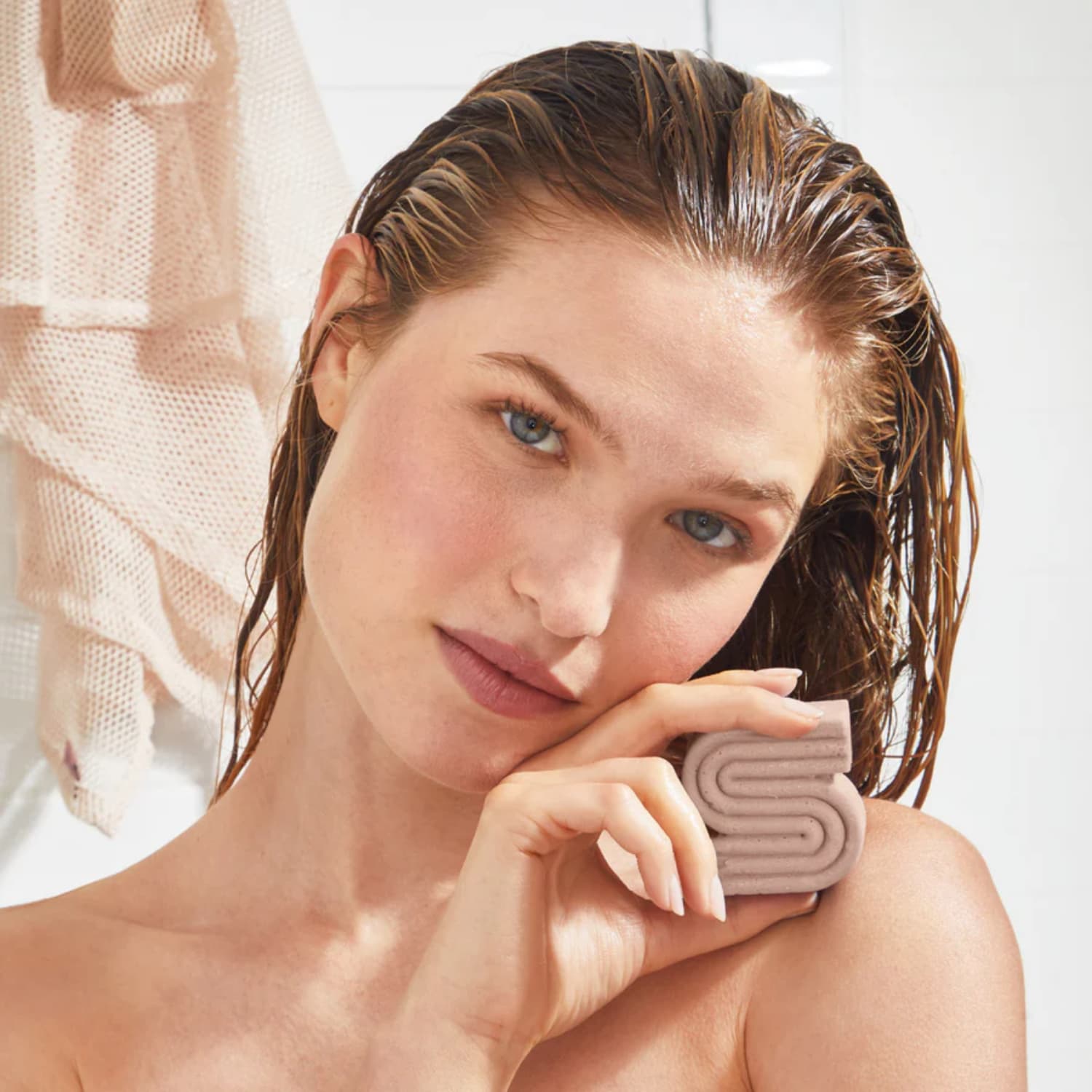
The Kitsch Rice Water Bar is the brand’s flagship, and it is the rare shampoo bar that lathers like the liquid shampoo you are leaving behind. The cleansers are sodium cocoyl isethionate and sodium methyl cocoyl taurate, both coconut derived and both genuinely sulfate free.
Hydrolyzed rice protein is the active, which is why fine hair feels thicker after a wash. It ships in a printed paper box with no plastic wrap and no bottle.
Packaging
Printed Paper Box
✓ Plastic FreeInner Wrap
None Used
✓ Plastic FreeCleansers
Coconut Syndets
✓ No SulfatesScent
Parfum Blend
⚠ FragrancedPros
- Sulfate free without sacrificing lather
- Paper box, no bottle and no plastic wrap
- Full ingredient list published on the product page
- Leaping Bunny certified and vegan
Cons
- Contains Parfum plus citral, limonene and linalool
- Iron oxide colorant despite the no colorant claim
- Protein heavy, so alternate it on chemically treated hair
The easiest bottle-free switch that still behaves like real shampoo. Buy this one if lather and results matter more to you than a fragrance-free label.
Best for Sensitive Scalps
$$ starting price
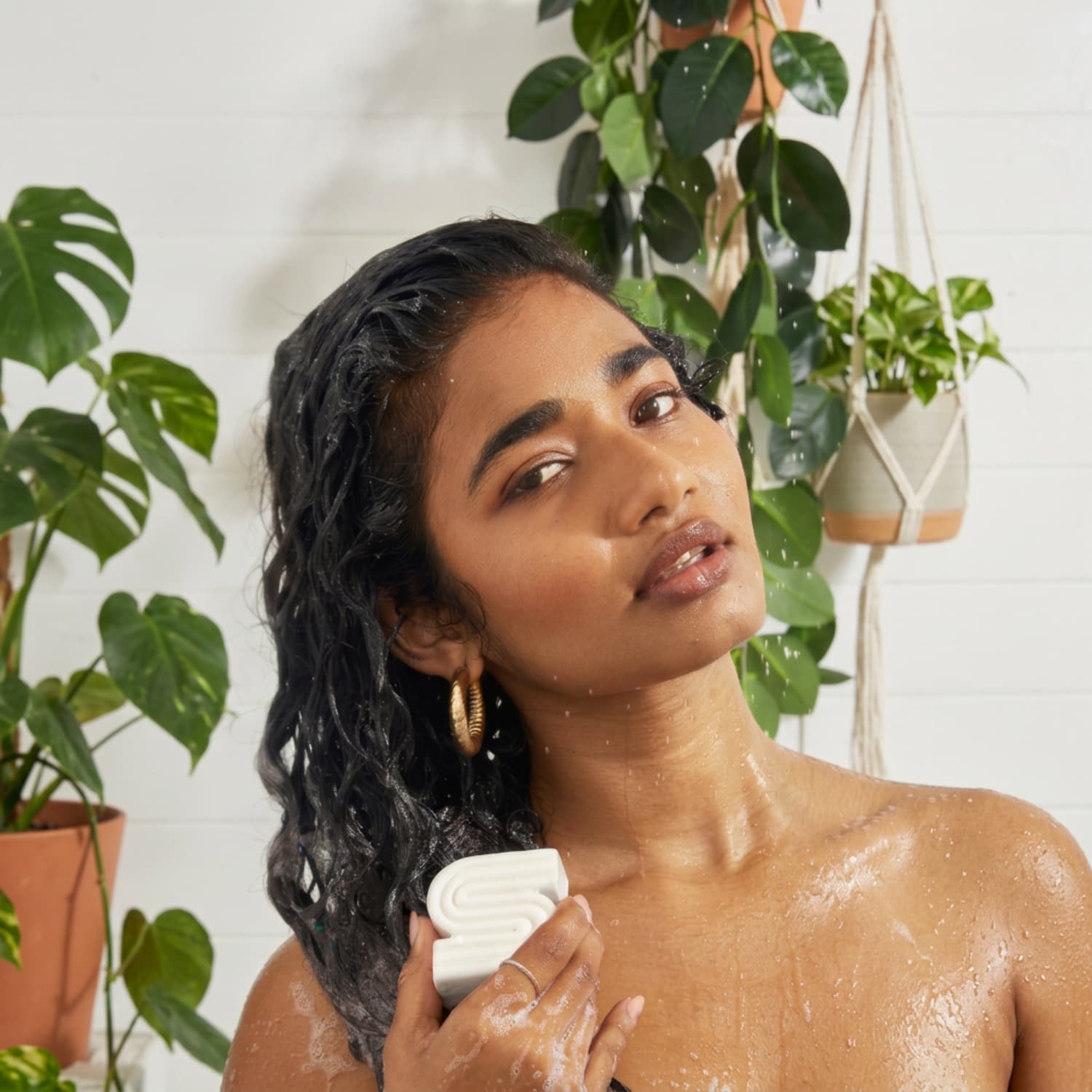
The Kitsch Ultra Sensitive Bar is the version of this line that actually earns the clean label. No added fragrance means no Parfum and none of the declarable fragrance allergens that show up on the scented bars.
It works as shampoo and body wash, so one bar replaces two bottles. Same sulfate free cleansing system, same paper box, no plastic anywhere.
Packaging
Printed Paper Box
✓ Plastic FreeInner Wrap
None Used
✓ Plastic FreeCleansers
Coconut Syndets
✓ No SulfatesScent
None Added
✓ Fragrance FreePros
- No added fragrance and no listed fragrance allergens
- Sulfate free, silicone free, paraben free
- Doubles as a body wash, so one bar replaces two bottles
- Paper box, no bottle and no plastic wrap
Cons
- Completely unscented, which takes adjusting to
- Built for two jobs, so less targeted than the rice water bar
- Needs a draining dish or it softens between showers
The only bar in the line where the fragrance-free claim is literally true. Buy this one for a sensitive scalp, eczema, or a known fragrance allergy.
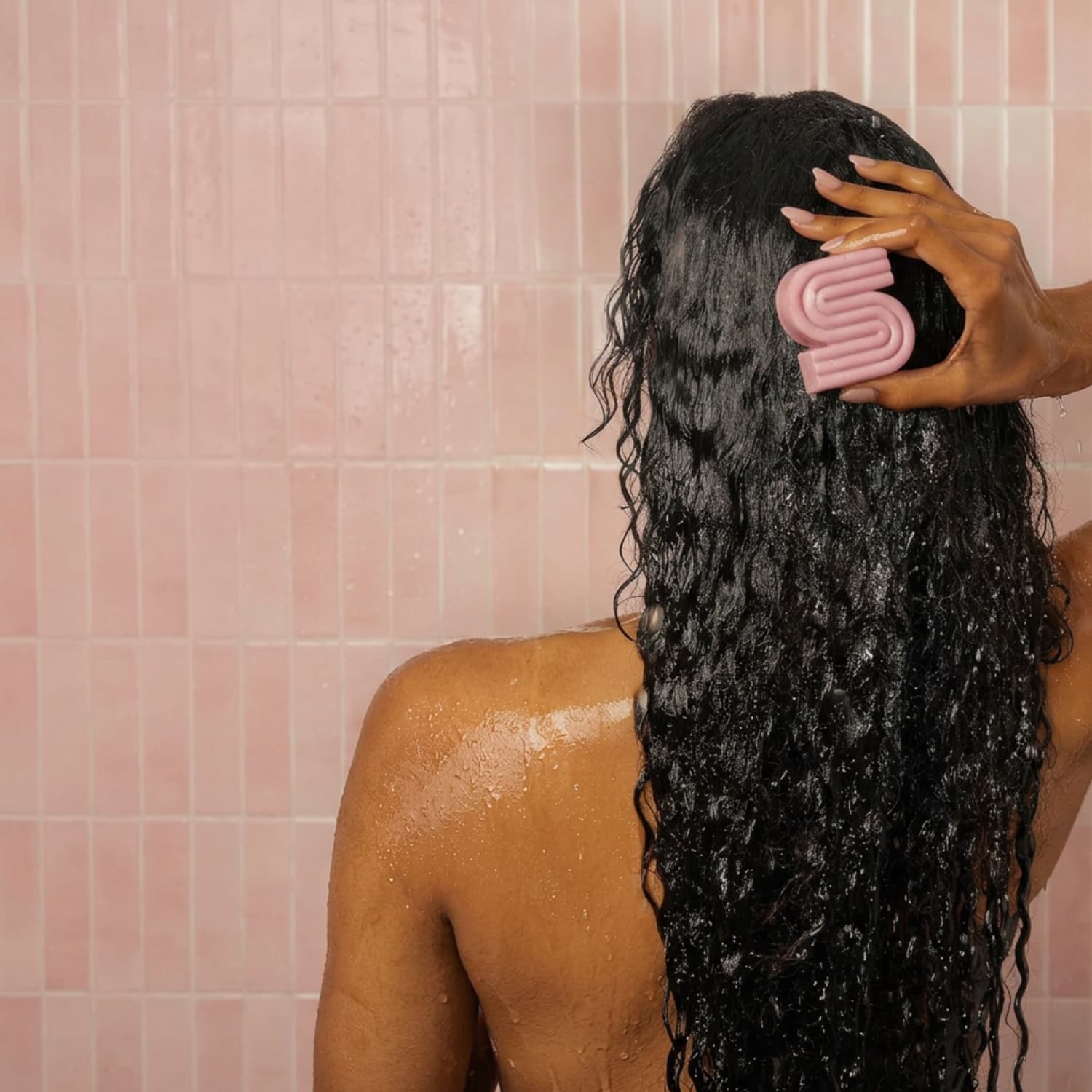
Best for Alternating With Rice Water
$$ starting price
The Kitsch Castor Oil Bar uses the same sulfate free cleansing base as the Rice Water bar, but with castor seed oil in place of hydrolyzed rice protein. That single swap is why it matters here. If your hair is color treated or protein sensitive, this is the bar you rotate in.
Be aware it is not the clean label option. Kitsch describes it as free of artificial fragrance, yet the panel lists Fragrance (Parfum), four declarable fragrance allergens, and iron oxide colorant.
Packaging
Printed Paper Box
✓ Plastic FreeInner Wrap
None Used
✓ Plastic FreeProtein
None Added
✓ Protein FreeScent
Parfum Blend
⚠ FragrancedPros
- No added protein, so safe to alternate with Rice Water
- Same sulfate free cleansing base, lathers just as well
- Paper box, no bottle and no plastic wrap
- Leaping Bunny certified and vegan
Cons
- Lists Parfum despite the no artificial fragrance claim
- Four named allergens including hydroxycitronellal
- Iron oxide colorant, so not the clean label pick
The bar to rotate in when rice protein is too much for your hair. Buy this one alongside Rice Water, not instead of it.
If you avoid synthetic fragrance on principle and want compostable rather than recyclable packaging, Ethique is a better fit than any Kitsch shampoo bar. If your scalp tolerates sulfates and you want the absolute lowest packaging waste, a naked Lush bar is hard to beat.
✨tip
Buy a draining dish with your first bar
A bar left sitting in shower water turns to mush, and you lose half of it before you have washed your hair ten times. This is the single biggest reason people say bars do not last, and a slotted dish or a bar bag fixes it completely.
One more habit worth building: let the bar dry upright rather than flat against a surface. A bar that dries fully between showers holds its shape and lasts noticeably longer than one that stays damp.
FAQs About Kitsch Shampoo Bars
Kitsch says its bars are pH balanced and color safe, and the absence of sulfates supports that, since sulfates are the ingredients most likely to strip color fast. The one caution is on the Rice Water bar specifically. It is protein-heavy, and heavily processed or porous hair can get brittle from too much protein. If your hair is bleached or chemically treated, alternate it with a non-protein bar rather than using it every wash.
Some people go through a waxy adjustment period when they switch to any bar, usually from using too little product or not rinsing long enough. Syndet bars like Kitsch are less prone to this than true soap bars, because they do not react with hard water minerals the way soap does. If your hair feels coated after a few weeks, a clarifying wash usually resets it.
Kitsch’s 100-wash figure assumes about 0.032 oz per wash. Realistically, expect somewhere between 40 and 80 washes depending on hair length and how much you use. Keeping it dry between showers makes a much bigger difference than anything else.
Mostly yes, with a caveat. The bars are free of sulfates, silicones, parabens, and phthalates, they are vegan, and they are Leaping Bunny certified. The scented bars do contain synthetic fragrance and iron oxide colorant, so the fully clean framing only fits the fragrance-free bar.
For packaging, clearly yes. A bar removes the bottle and the water weight that bottle exists to carry. The bigger picture depends on the whole formula and supply chain, which no brand publishes in full. Getting the bottle out of your bathroom is still a real, measurable change you control.
Final Thoughts About Kitsch Shampoo Bars
The Kitsch shampoo bar is a genuine improvement over a plastic bottle of sulfate shampoo, and the brand publishes enough detail for you to check that yourself. Just buy the version whose label matches the claim you care about.
What makes this brand worth recommending is not that it is flawless. It is that the full ingredient list sits on every product page, so the gap between the marketing and the panel is something you can spot in thirty seconds. Plenty of brands in this category do not give you that.
📚 References
- Ethique. (n.d.). Shampoo bars and solid shampoo. Ethique. https://ethique.com/collections/shampoo
- European Union. (2009). Regulation (EC) No 1223/2009 of the European Parliament and of the Council of 30 November 2009 on cosmetic products, Annex III. EUR-Lex. https://eur-lex.europa.eu/legal-content/EN/TXT/?uri=CELEX%3A32009R1223
- Humby Organics. (n.d.). Shampoo bars. Humby Organics. https://humbyorganics.com/products/shampoo-bar
- Kitsch. (n.d.). Rice water shampoo bar for hair growth. Kitsch. https://www.mykitsch.com/products/rice-water-protein-shampoo-bar-strengthening
- Kitsch. (n.d.). Sustainability. Kitsch. https://www.mykitsch.com/pages/sustainability
- Kitsch. (n.d.). Ultra sensitive shampoo and body wash bar, fragrance free. Kitsch. https://www.mykitsch.com/products/ultra-sensitive-shampoo-body-wash-bar
- Lush. (n.d.). Sodium lauryl sulfate. Lush. https://www.lush.com/us/en_us/i/sodium-lauryl-sulfate
More Non-Toxic Personal Care Reads
- Non-Toxic Living: Where to Actually Start, Room by Room
- Parabens and Phthalates: What’s Actually in Your Products (and Why It Matters)
- The Ultimate Guide to Eco-Friendly Beauty Products
- Is Castile Soap Good for Your Skin?
- Third-Party Certifications: The 25 Labels Worth Trusting
- How to Spot Greenwashing: 7 Sneaky Tricks Hidden on “Eco” Labels
We’ve scored every personal care product on plastic — see them in the Personal Care directory.