
Key Takeaways
- Heat speeds up what plastic does. Lab testing has shown that microwaving a polycarbonate container raised BPA migration into food from 6 to 18 parts per billion, and summer is full of hot cars, beach bags, and sun-warmed cups.
- Start with the items your kid uses every day and that get hot: the water bottle and the snack bag do more for one swap than five swaps on gear you barely touch.
- Stainless steel, glass, and food-grade silicone do not leach the way plastic can when things heat up, which is the whole point of swapping. Treat “BPA-free” as marketing, not a finish line.
The easiest plastic for kids to cut in summer is the stuff that gets hot. Water bottles in the car, juice pouches in the sun, sippy cups by the pool, snack bags in a beach tote. Those are the items where plastic is least ideal, and they are also the easiest to swap, because a good stainless or silicone version lasts for years.
We looked at the brands that come up most often in low-plastic families, checked each one’s materials and certifications against its published specs, and landed on seven plastic-free summer essentials for kids that are worth your money. You do not have to overhaul everything at once. Start with one.
Why Plastic-Free Matters More for Kids in Summer
Plastic-free summer essentials matter most for kids because heat speeds the migration of compounds like BPA and phthalates out of plastic, and summer is the peak season for hot cars, beach bags, and sun-warmed cups.
You toss the water bottles in the car at 9 a.m., run errands, and by the time anyone takes a drink, the bottles have been baking on the back seat for three hours. That is the everyday summer moment that matters, because plastic is never totally inert, and heat speeds everything up.
Heat speeds up what plastic does
When a plastic bottle sits in a hot car or a juice pouch warms in the sun, higher temperatures raise the rate at which compounds like BPA, BPS, and phthalates can move out of the plastic and into whatever your kid is about to drink. Lab work backs up the gut feeling. In one study, researchers found that microwaving a polycarbonate container pushed BPA migration into food from 6 up to 18 parts per billion. Summer hands you those hot conditions for free: cars, coolers, poolside cups, and beach totes left in the sun.
Why does it land harder on kids
It matters more for children than for adults. Pound for pound, kids eat, drink, and breathe more than adults relative to their body size, so the U.S. Environmental Protection Agency notes that the same exposure lands harder on a small, still-developing body. None of this is a reason to panic. It is a reason to pick materials that simply do not have the problem in the first place. Stainless steel, glass, and food-grade silicone do not leach the way plastic can when heated, which is exactly why the swaps below are worth making once and keeping for years.
Save This Before Your Next Pool-Bag Scramble 📌
What to Look For (So You Only Buy It Once)
The best plastic-free summer gear for kids is made from 18/8 stainless steel, glass, or food-grade silicone, carries an independent certification like MADE SAFE or EWG Verified, and skips chemical sunscreen filters and DEET.
A stainless bottle from a no-name brand is not automatically the safer choice, and a tube stamped “BPA-free” is not the finish line. Here is what actually separates a buy-it-once swap from a product that just sounds clean.
Materials that skip the plastic
The cleanest picks come from materials that were never plastic to begin with:
- 18/8 (304) food-grade stainless steel. The gold standard for bottles, lunch boxes, and popsicle molds. It is inert, holds no flavors, and lasts for years. Watch for “stainless steel” products that still hide a plastic lid or liner right where the food touches.
- Food-grade or platinum-cured silicone. Silicone is not plastic. It is made from silica, which is essentially sand, and it is far more heat-stable, which is why it is rated for the freezer, microwave, and oven. It is the best stand-in for single-use plastic bags and lids.
- Mineral, non-nano zinc oxide sunscreen. Skip chemical filters like oxybenzone and octinoxate. Non-nano means the zinc particles are too large to absorb into skin, and mineral formulas are the choice many parents reach for on pool and beach days.
- DEET-free, botanical bug protection. Plant-oil repellents like citronella, cedar, and lemongrass cover the short outdoor stretches most kids need without the synthetic load. Plan to reapply more often than you would with DEET.
Certifications worth trusting
Anyone can print a leaf on a box. Independent certifications are harder to fake. The ones worth knowing here are MADE SAFE, EWG Verified, USDA Certified Organic, and the Nordic Swan Ecolabel. Treat “BPA-free” as marketing, not proof, since BPS and other replacement chemicals raise similar questions.
Don’t Miss: The 25 Certifications Worth Trusting What every seal actually verifies, how it’s checked, and the lookalike labels to skip, all in one guide. Read more →✨ Tip
Pack the Hot Stuff First
When you are deciding what to swap first, start with whatever rides in the hot car or sits in the sun. A stainless bottle and a silicone snack bag handle heat without leaching, so they earn their spot faster than gear that stays cool indoors.
One quick note on sunscreen: this list keeps a single everyday kids’ pick, because the best clean formulas, including plastic-free tins and cardboard tubes, get their own deep dive in the non-toxic sunscreen guide. If you are also rethinking the bottle your whole family carries, the best plastic-free water bottles roundup covers grown-up sizes too.
The 7 Best Plastic-Free Summer Swaps for Kids
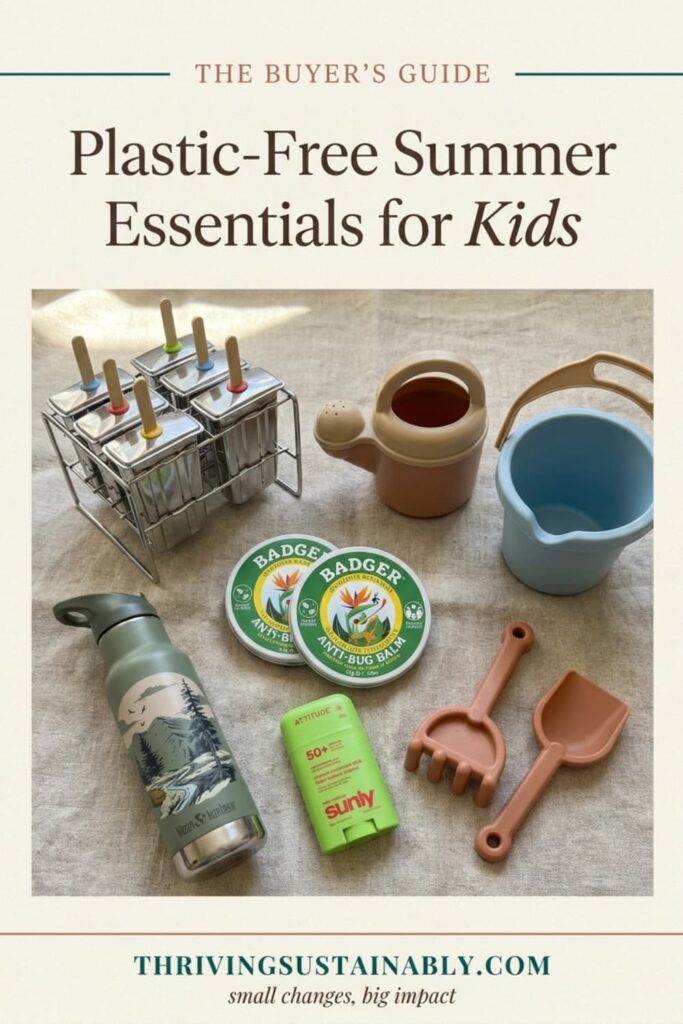
The best plastic-free summer essentials for kids are the Pura Kiki bottle, LunchBots bento, Stasher snack bag, Thinkbaby SPF 50, Badger Anti-Bug Balm, Onyx popsicle mold, and Dantoy BIO sand toys, organized by how you actually use them all summer.
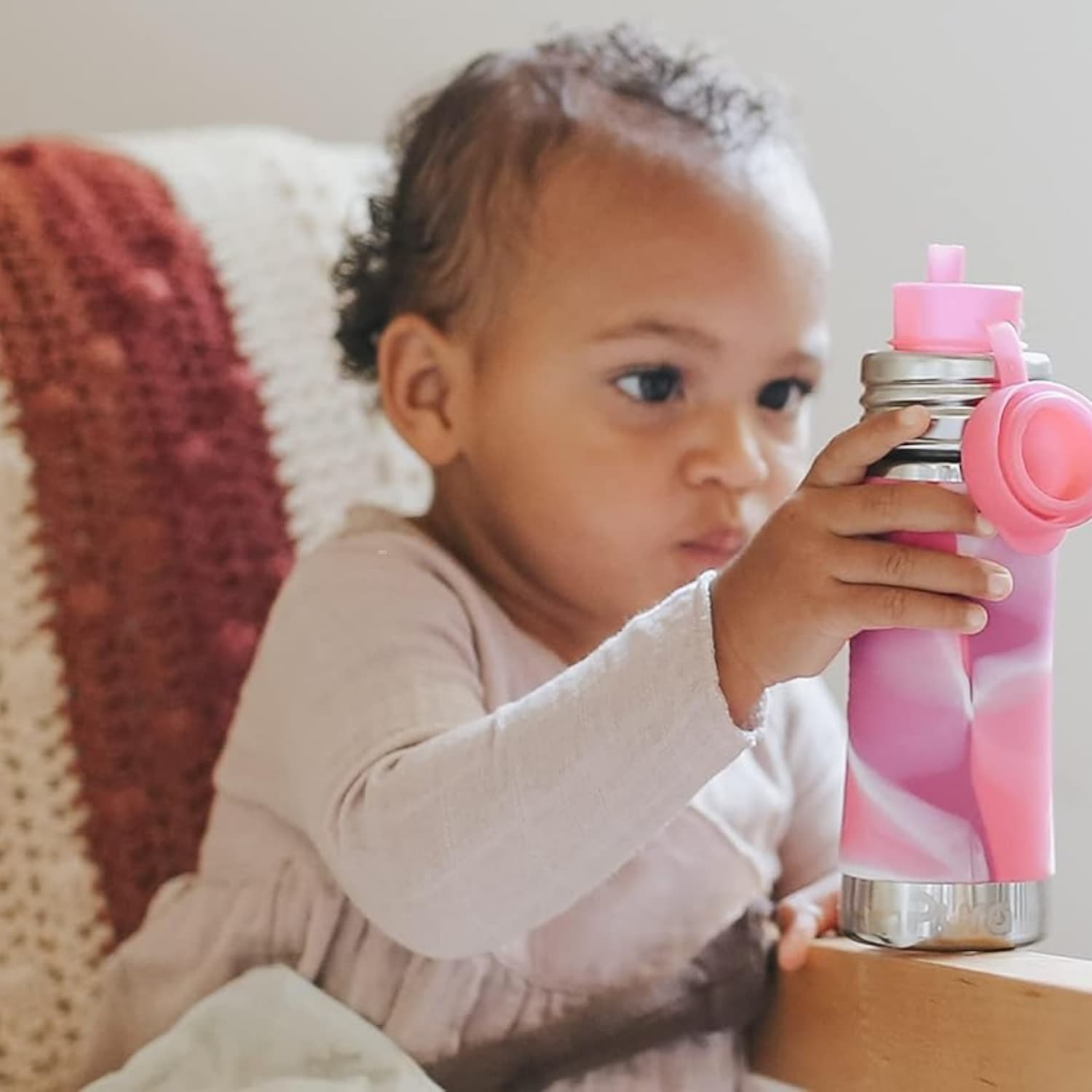
Best truly plastic-free water bottle for babies and toddlers
$$
Most “stainless steel” kids’ bottles hide a plastic lid, spout, or straw right where the mouth goes. Pura Kiki is the exception. The bottle and collar are #304 food-grade stainless steel, and every part that touches liquid, the sipper, straw, and sleeve, is 100% medical-grade silicone. No plastic anywhere.
It is the only MADE SAFE certified bottle on the market, and it grows with your kid. Swap the silicone top to turn it from an infant bottle into a sippy, a straw bottle, or a sport bottle. One bottle, many years.
Body
#304 Stainless Steel
✓ Plastic-FreeSpout & Straw
Medical-Grade Silicone
✓ Food SafeSleeve
100% Silicone
✓ GrippyCertification
MADE SAFE
✓ BPA/BPS FreePros
- Truly 100% plastic-free, including the parts that touch the mouth
- MADE SAFE certified, free of BPA, BPS, and phthalates
- Converts from infant bottle to sippy to straw to sport
- Insulated and non-insulated sizes from 5oz to 11oz
Cons
- Silicone sippers wear over time and need replacing
- Smaller capacities skew toward babies and toddlers
- Steel can dent if dropped on concrete
The rare kids’ bottle with zero plastic touching the drink, and the only MADE SAFE certified one out there. Buy the convertible system once and ride it for years.Best for: Babies and toddlers, families who want one bottle that grows with the kid
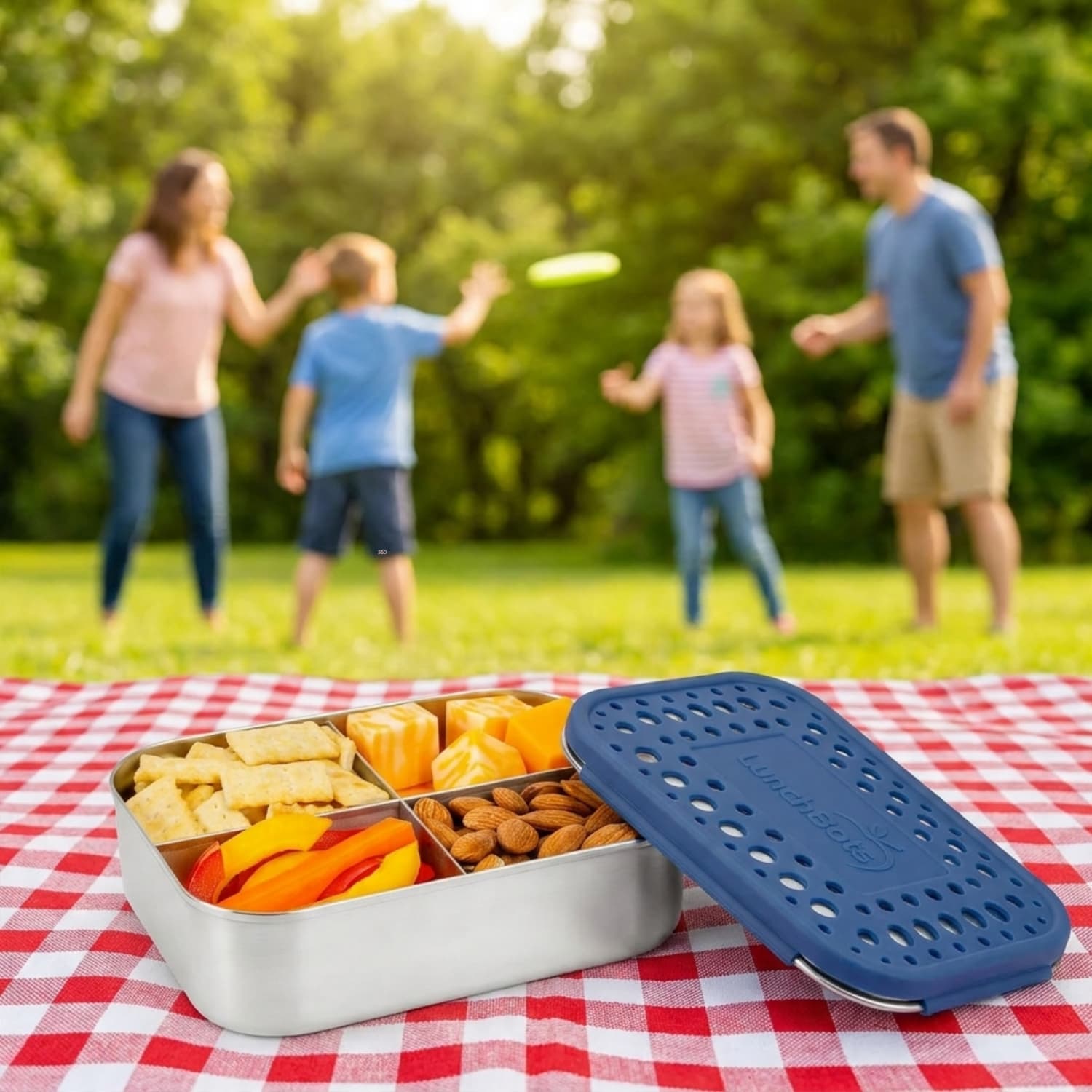
Best everyday plastic-free lunch box for kids
$$
LunchBots has been making stainless lunch containers since 2008, and the design is exactly what you want for summer picnics and camp. It is 18/8 stainless steel inside and out, including the lid, with built-in dividers that keep berries away from sandwiches without a fistful of little plastic cups.
It is the workhorse of plastic-free lunches, dishwasher safe and nearly impossible to wear out. The fair tradeoff is that the basic bentos are not leakproof, so they are best for dry foods rather than yogurt or soup.
Base
18/8 Stainless Steel
✓ Plastic-FreeLid
Stainless Steel
✓ No Plastic On FoodDividers
Built-In Steel
✓ No Tiny CupsBrand
1% For The Planet
✓ Gives BackPros
- 100% stainless interior and lid, no plastic on food
- Built-in dividers replace single-use snack cups
- Dishwasher safe and nearly impossible to wear out
- 1% for the Planet brand
Cons
- Basic bentos are not leakproof, dry foods only
- No insulation, pair with an ice pack for hot days
- Steel can ding if dropped
The simplest way to get plastic out of daily lunches and camp days, with dividers that end the little-cup habit for good.Best for: Camp lunches, picnics, and any kid who eats dry snacks on the go
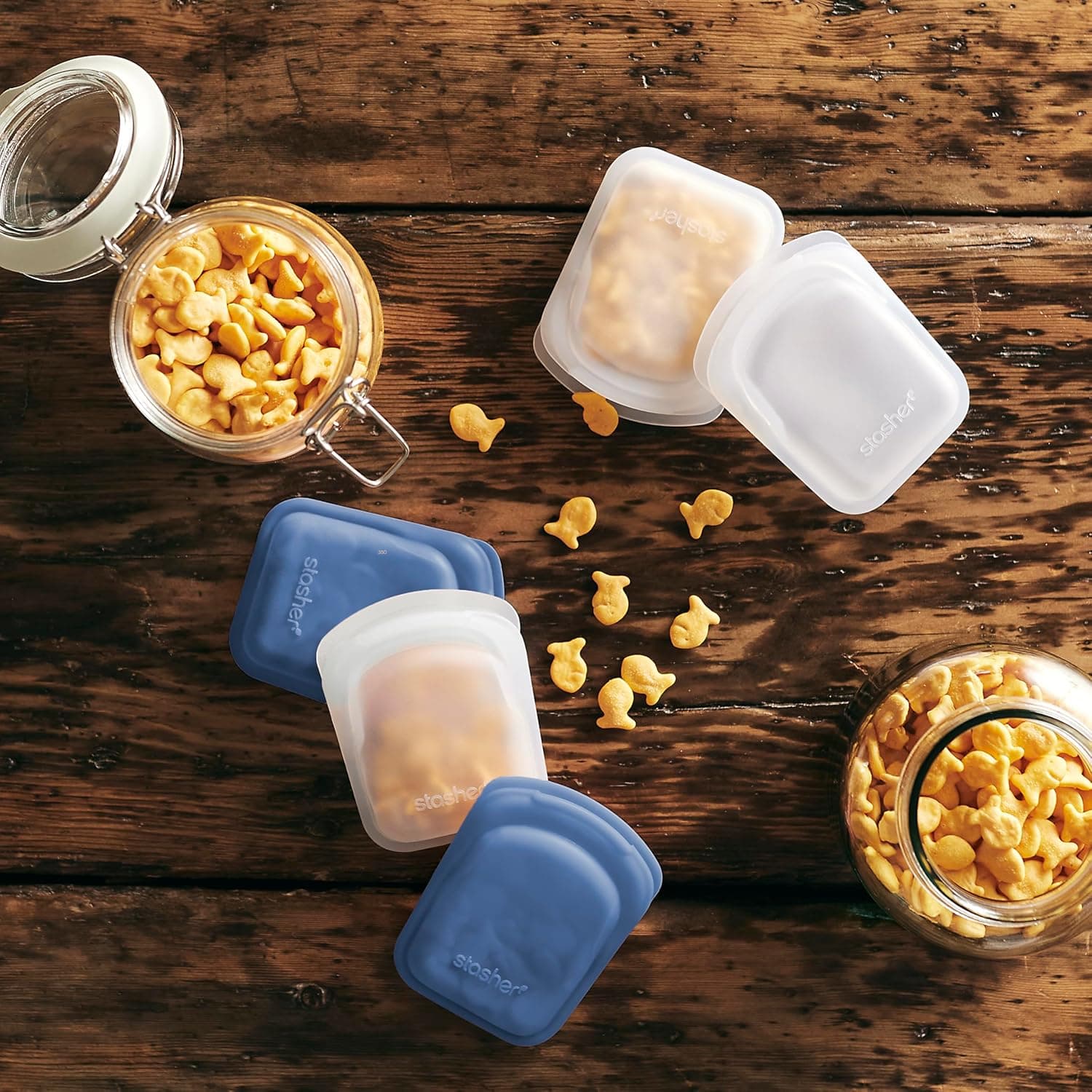
Best reusable replacement for plastic snack bags
$
The single-use snack bag is the plastic that disappears fastest in summer. Stasher fixes that with platinum food-grade silicone and a leak-free Pinch-Loc seal, free of BPA, BPS, latex, lead, and phthalates. By the brand’s own math, one bag replaces roughly 260 plastic baggies a year.
It goes in the dishwasher, freezer, microwave, and even the oven up to 425°F, so it doubles as a freezer pack for cut fruit or a way to reheat leftovers. Stasher backs them for life, and if one ever wears out the brand will recycle it for you.
Bag
Platinum Silicone
✓ Not PlasticSeal
Pinch-Loc Silicone
✓ Leak FreeFree Of
BPA, BPS, Phthalates
✓ CleanLifespan
Replaces ~260/Year
✓ ReusablePros
- Platinum silicone, free of BPA, BPS, latex, and phthalates
- Dishwasher, freezer, microwave, and oven safe to 425°F
- Leak-free Pinch-Loc seal handles wet snacks
- Lifetime guarantee plus a take-back recycling program
Cons
- Takes longer to dry fully after washing
- The seal takes little hands a bit of practice
- Can hold onto smells from strong foods
The easiest single swap on this list. Buy two or three and the disposable baggie quietly leaves your kitchen.Best for: Daily snacks, cut fruit, and anyone burning through a box of plastic bags a week
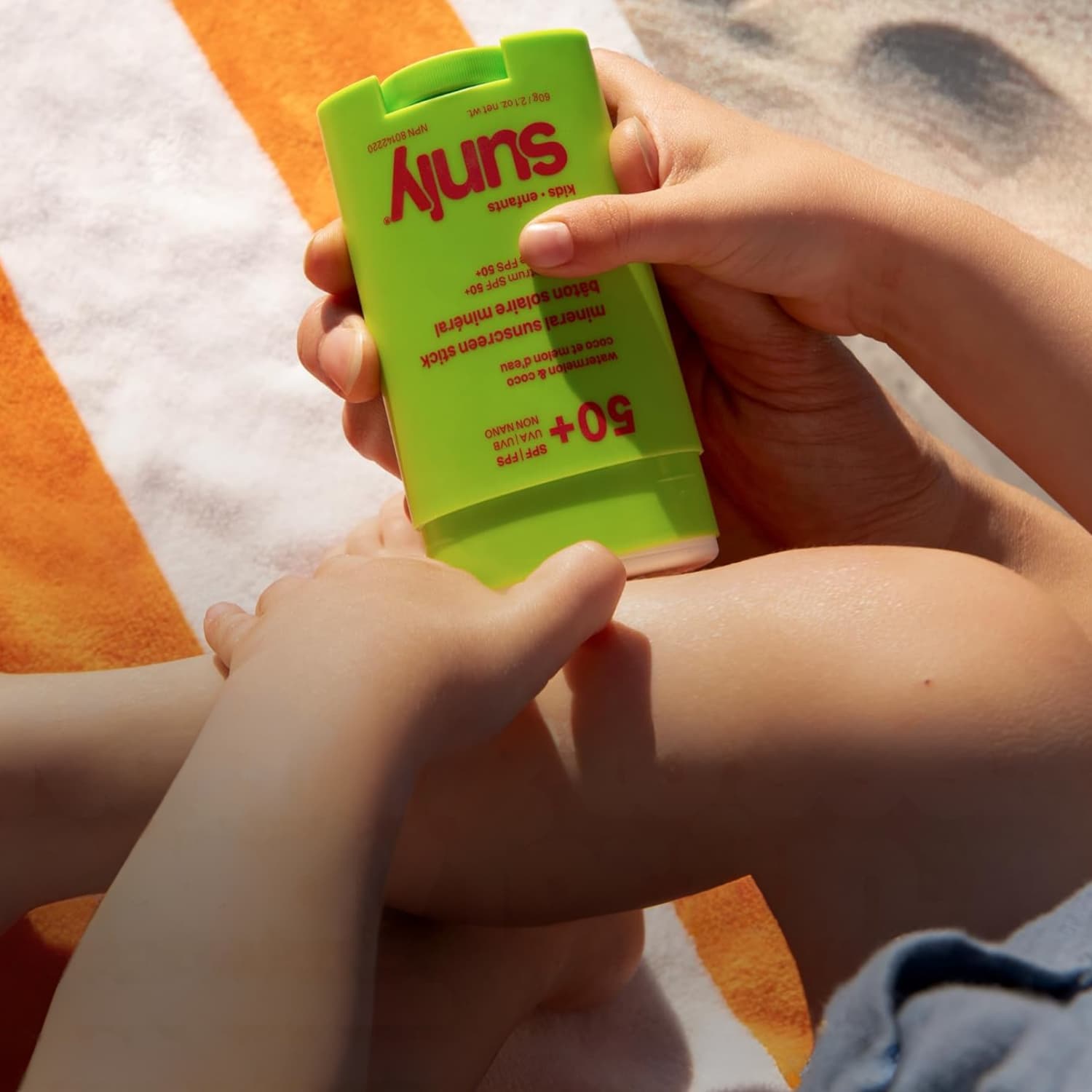
Best plastic-free mineral sunscreen for kids
$
ATTITUDE makes the sunscreen swap that finally ditches the plastic tube. The Sunly kids stick is broad-spectrum SPF 50 with non-nano zinc oxide at 24% as the only active, no oxybenzone and no chemical UV filters, in a cardboard tube you push up like a glue stick. The formula is EWG Verified, vegan, and dermatologically tested.
The stick format earns its keep with kids. Nothing spills in the beach bag, there is no goop to rub in, and older kids can swipe it on themselves. The label carries no water-resistance claim, so reapply after swimming, and give it a couple of passes for full coverage.
Active
Non-Nano Zinc 24%
✓ Mineral OnlyCertification
EWG Verified
✓ IndependentTube
Cardboard Push-Up
✓ Plastic-FreeFormat
Mess-Free Stick
✓ No SpillsPros
- Non-nano zinc oxide only, no chemical UV filters
- EWG Verified and vegan
- Cardboard push-up tube, fully plastic-free
- Mess-free stick that older kids can apply themselves
Cons
- No water-resistance claim on the label, reapply after swimming
- Stick needs a few passes for full-body coverage
- Light white cast like most zinc formulas
- Contains a soy-derived ingredient, flagged on the label for soy allergies
The first sunscreen on this list with zero plastic anywhere, formula and packaging both. Keep it in the beach bag and reapply often.Best for: Faces, shoulders, and top-up coats at the pool, plus anyone done with plastic tubes
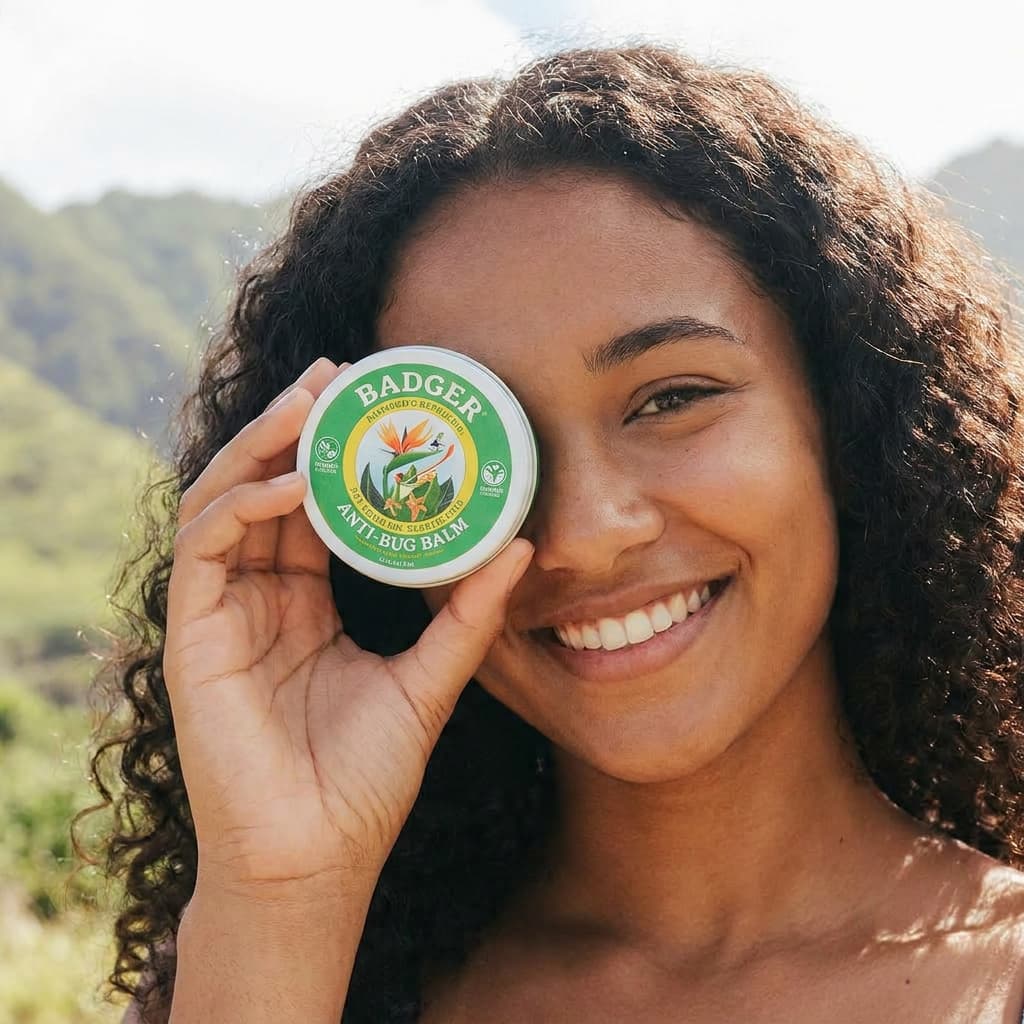
Best DEET-free bug protection for everyday backyard play
$
Badger makes its bug balm from USDA Certified Organic, 100% natural ingredients: a blend of citronella, cedar, lemongrass, rosemary, and geranium oils in a base of organic olive oil and beeswax. No DEET, no synthetic anything, and a woody-citrus smell that is actually pleasant.
The balm format is great for kids because there is nothing to inhale and you can rub it exactly where you want it: ankles, wrists, behind the ears. It comes in a recyclable aluminum tin, fully plastic-free. Plan to reapply for longer outdoor stretches, since botanical repellents do not last as long as DEET.
Tin
Aluminum
✓ Plastic-FreeActives
Citronella, Cedar
✓ DEET FreeBase
Olive Oil, Beeswax
✓ USDA OrganicFormat
Rub-On Balm
✓ Nothing To InhalePros
- USDA Certified Organic, 100% natural, DEET-free
- Recyclable aluminum tin, no plastic
- Balm format means no spray to breathe in
- Pleasant woody-citrus scent, not chemical
Cons
- Needs more frequent reapplication than DEET
- Balm is slower to apply than a spray
- Essential-oil scent is strong right after applying
- Less effective in heavy mosquito or tick territory
A clean, organic repellent in plastic-free packaging that is gentle enough to rub right onto little arms. Just reapply often.Best for: Backyard play and short outdoor stretches, not deep-woods or heavy-tick trips
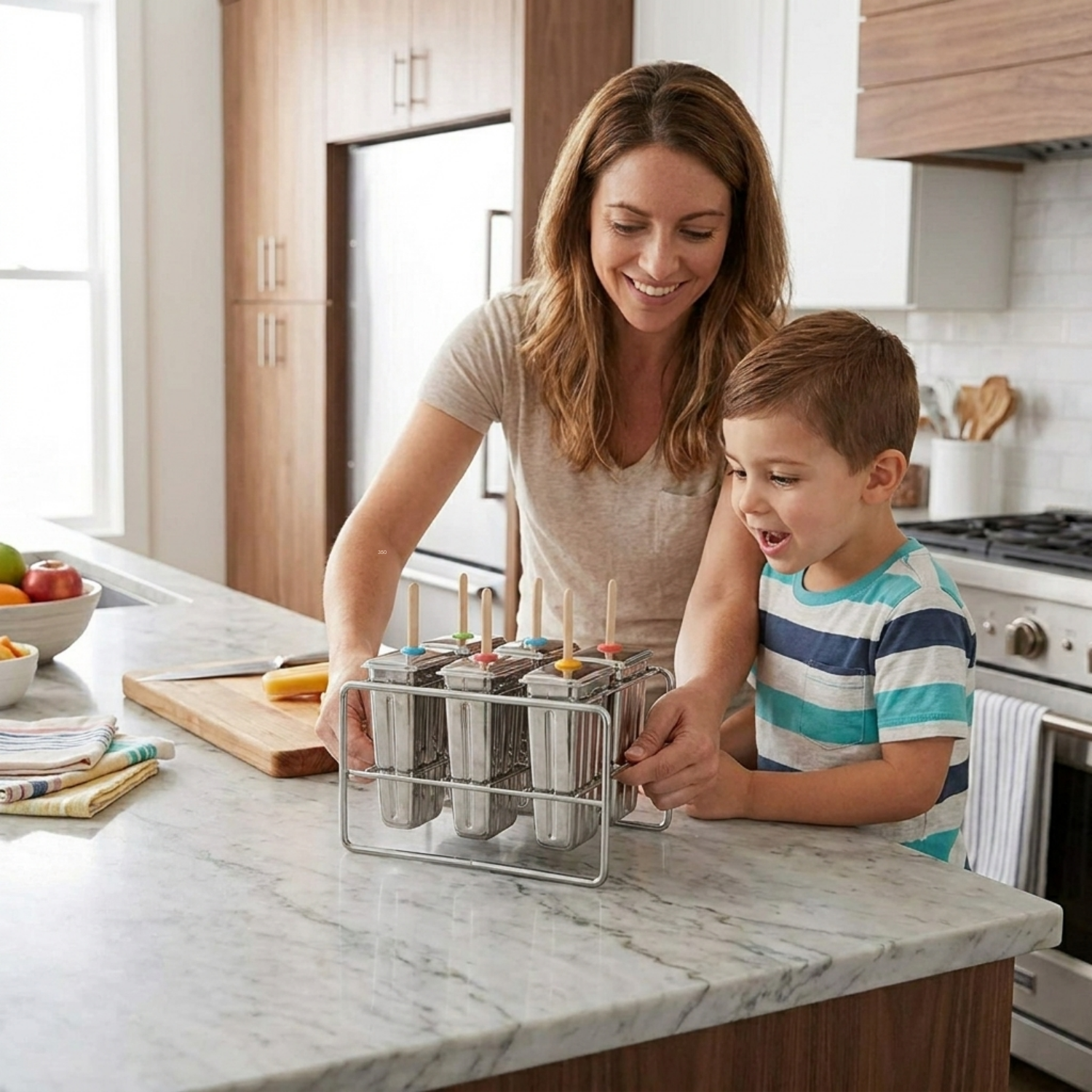
Best plastic-free way to make homemade popsicles
$$$
Store-bought ice pops mean plastic sleeves and a long ingredient list. Onyx lets you make your own from real fruit, in 18/8 food-grade stainless steel that will outlast every plastic mold you have ever owned. The set includes a stand, six molds and lids, removable silicone rings, and reusable bamboo sticks.
The clever part is that you can pull and refill one pop at a time, so there is no fighting a frozen plastic tray. A quick rinse under warm water and it releases instantly. Fill with smoothie, blended fruit, or coconut water and you control exactly what your kids are eating.
Molds
18/8 Stainless Steel
✓ Plastic-FreeSticks
Reusable Bamboo
✓ RenewableRings
Removable Silicone
✓ No DripLifespan
Lasts For Life
✓ Buy OncePros
- 18/8 food-grade stainless, no plastic on food
- Pull and refill one pop at a time
- Reusable bamboo sticks, no wooden waste
- You control the ingredients completely
Cons
- Highest upfront cost of anything on this list
- Takes 7 to 8 hours to fully freeze
- Needs a quick warm-water dip to release
- Stand takes up real freezer space
A buy-it-once investment that turns summer snacking into a real-fruit ritual with zero plastic and zero mystery ingredients.Best for: Families who want homemade pops all summer and hate single-use plastic sleeves
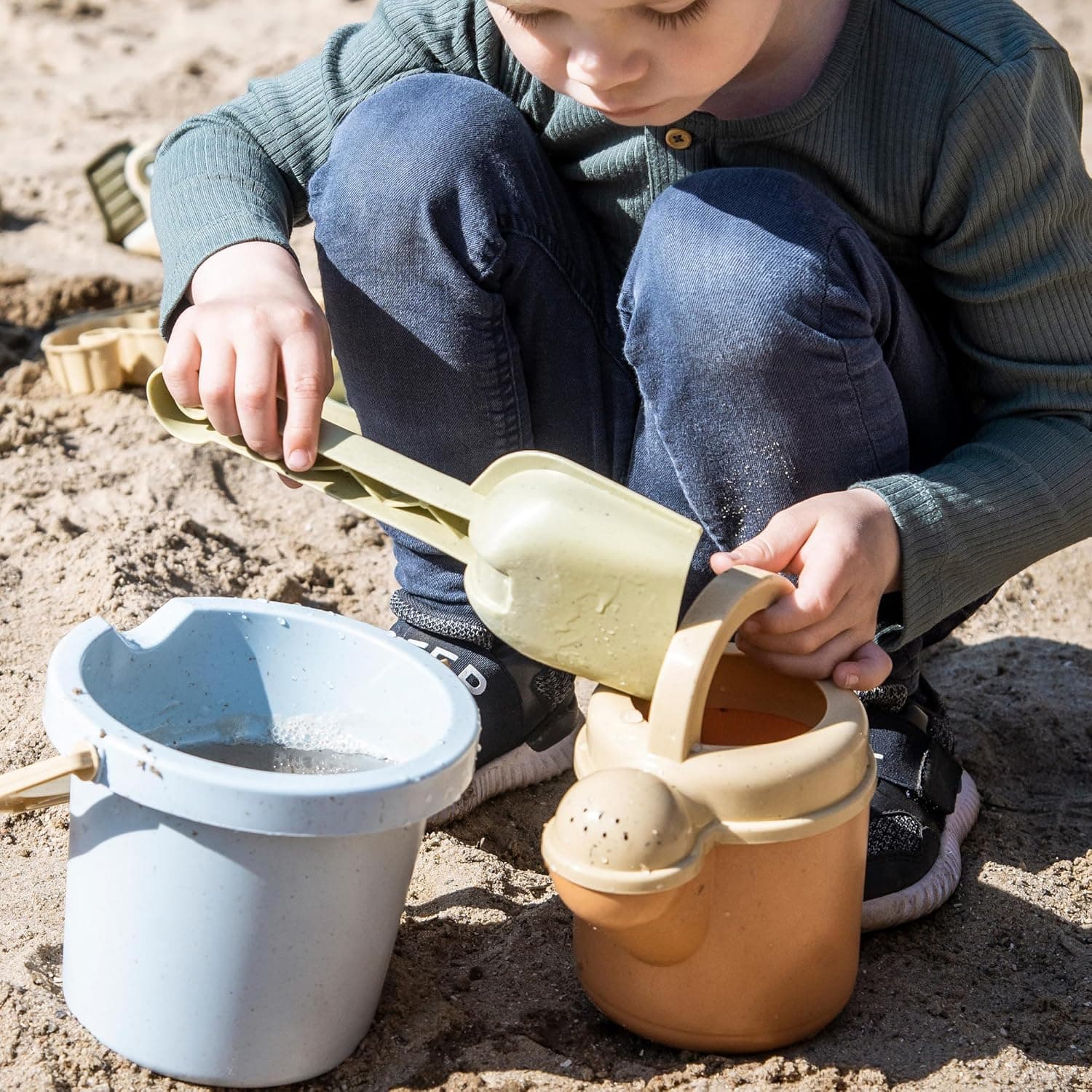
Best lower-impact sand toys for beach and sandbox days
$$
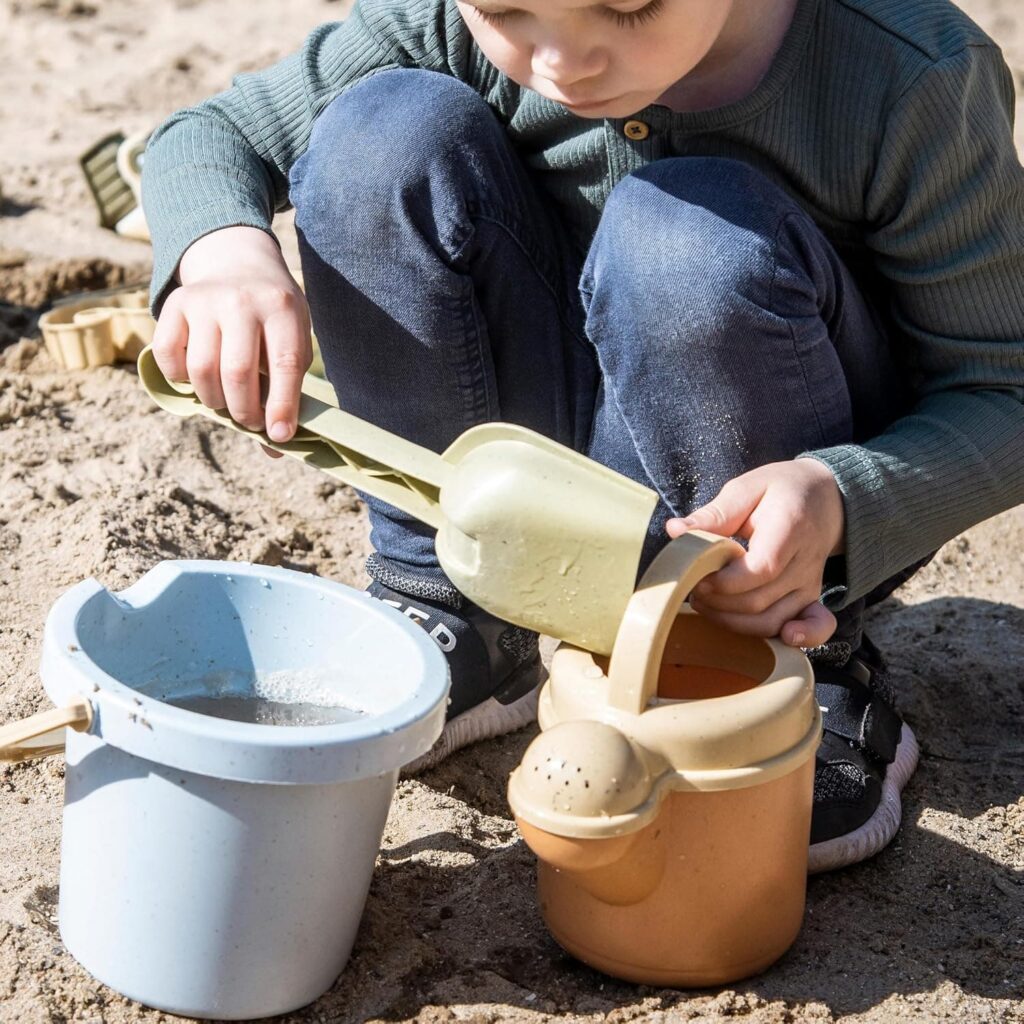
Cheap sand toys are some of the worst summer plastic: petroleum-based, easily cracked, and tossed by August. Dantoy’s BIO line is made in Denmark from bioplastic that is at least 90% plant-based, sourced from sugarcane waste, and it carries the rigorous Nordic Swan Ecolabel.
It is dishwasher safe, sturdy enough to survive real digging, and finished in soft muted colors instead of garish primary plastic. Worth being clear-eyed: bioplastic is still a plastic-type material, just plant-derived with a much lower carbon footprint than petroleum plastic, so it is a meaningful upgrade rather than a true steel-or-wood swap.
Material
Sugarcane Bioplastic
⚠ Plant-Based PlasticPlant Content
90%+ Plant-Based
✓ Low CarbonCertification
Nordic Swan Ecolabel
✓ IndependentMade In
Denmark
✓ RecyclablePros
- At least 90% plant-based from sugarcane waste
- Nordic Swan Ecolabel, an independent eco standard
- Sturdy, dishwasher safe, made in Denmark
- Soft muted colors, no harsh dyes
Cons
- Bioplastic is still a plastic-type material, not steel or wood
- Dantoy also sells a recycled-plastic line, so check the SKU
- Set contents vary by retailer
The most honest “better plastic” on this list: plant-based, certified, and durable enough to skip the annual landfill cycle of cracked beach toys.Best for: Beach and sandbox days where steel or wood is not practical
FAQs About Summer Essentials for Kids
Yes. Food-grade 18/8 stainless steel, also labeled 304, is inert, which means it does not react with food or drink or leach chemicals the way plastic can, even when it gets hot in a car or beach bag. It is the same grade used in quality cookware, and it lasts for years.
No, and this trips a lot of people up. Food-grade and platinum-cured silicone is made from silica, which is essentially sand, not petroleum. It is far more heat-stable than plastic, which is why it is rated for the freezer, microwave, and oven. It does not leach BPA or phthalates because it does not contain them. It is the best stand-in wherever you need something flexible.
Not quite. Plant-based bioplastics, like the sugarcane material in the Dantoy toys, have a much lower carbon footprint than petroleum-based plastics and represent a real improvement. But it is still a plastic-type material, so treat it as the best option in a category like sand toys where steel or wood is not practical, not as a true plastic-free swap like a steel bottle.
Yes. A non-nano zinc oxide sunscreen like Thinkbaby gives broad-spectrum SPF 50 protection and 80 minutes of water resistance, which covers most pool and beach sessions. The main difference is that mineral formulas can leave a light white cast and take a moment longer to rub in. Reapply every two hours and after swimming, same as any sunscreen.
For backyard play and short outdoor stretches, a DEET-free botanical balm like Badger does the job and reapplies cleanly. For deep-woods hikes, dusk mosquito swarms, or areas with heavy tick pressure, botanical repellents wear off faster than DEET, so reapply often or choose stronger protection for those specific trips.
Choose an insulated, double-walled stainless bottle and pre-chill it. Fill it with cold water and a few ice cubes and store it in the shade or inside a cooler bag rather than a sun-baked car. Insulated stainless steel holds cold for hours without the leaching worry that comes with a warm plastic bottle.
Final Thoughts About Plastic-Free Summer Essentials for Kids
The best way to start with plastic-free summer essentials for kids is one swap on the item your child uses every day, then add the next once the first feels normal.
You do not have to redo the whole pool bag this weekend. Kid gear is one of the easiest places to cut plastic, because a good stainless bottle or silicone snack bag withstands everything a six-year-old can do to it and lasts for years. That is what makes these swaps worth the higher upfront cost. You buy once instead of replacing cracked plastic every summer.
If you only grab one thing, make it the item that gets used constantly and gets hot. For most families, that is the water bottle or the snack bag. One good swap there does more than five swaps on gear you barely touch. Once it is second nature, add the next. If you want to keep going past summer, the plastic swaps directory and the broader plastic-free living guide walk through the rest of the house. Small changes, big impact.
More Plastic-Free Summer & Kids Reads
📚 References
- Dantoy. (n.d.). BIO bioplastic toys. Dantoy USA. https://www.dantoyusa.com/collections/bio
- Environmental Working Group. (n.d.). EWG Verified. EWG. https://www.ewg.org/ewgverified/
- Lim, D. S., Kwack, S. J., Kim, K.-B., Kim, H. S., & Lee, B. M. (2009). Potential risk of bisphenol A migration from polycarbonate containers after heating, boiling, and microwaving. Journal of Toxicology and Environmental Health, Part A, 72(21-22), 1285-1291. https://doi.org/10.1080/15287390903212329
- National Library of Medicine. (2025). ATTITUDE Sunly Kids Mineral Sunscreen Stick SPF 50 Unscented [Drug label]. DailyMed. https://dailymed.nlm.nih.gov/dailymed/fda/fdaDrugXsl.cfm?setid=4494bea6-ab1f-aae6-e063-6394a90a184d&type=display
- Stasher. (n.d.). Reusable silicone food storage and sandwich bags. Stasher. https://www.stasherbag.com/
- U.S. Environmental Protection Agency. (n.d.). About the Exposure Factors Handbook. EPA ExpoBox. https://www.epa.gov/expobox/about-exposure-factors-handbook
🗨️ Which summer swap are you making first, the water bottle, the snack bag, or the popsicle molds? Tell us in the comments, we love hearing what worked for your family.