
This content is for informational purposes only and is not a substitute for medical advice.
The fastest ways to avoid microplastics: filter your drinking water, switch to natural-fiber clothing, replace plastic kitchenware with glass or stainless steel, and skip personal care products with synthetic exfoliants. Below you’ll find all 15 evidence-backed swaps, ranked from highest impact to easiest.
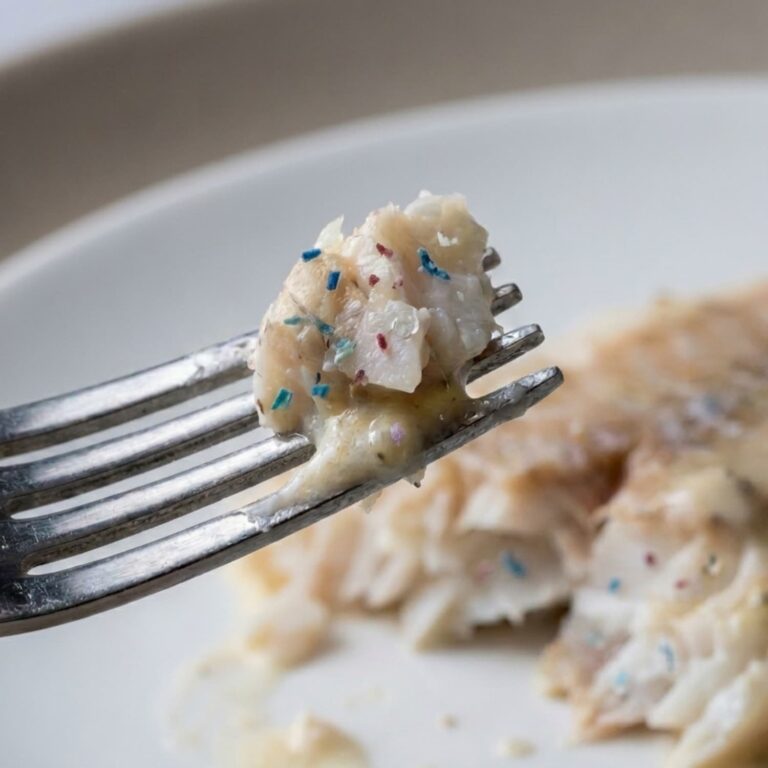
Researchers estimate the average person takes in somewhere between 39,000 and 52,000 microplastic particles a year through food and drink alone, and more once you count what we breathe in. Scientists have found these particles in human blood, lungs, and placentas. Early studies link exposure to inflammation and hormone disruption, though researchers are still working out what it means for long-term health.
Microplastic exposure is largely controllable. The biggest sources are your drinking water, the clothes you wear, the food packaging in your kitchen, and the personal care products in your bathroom. Address those four, and you cut the majority of your daily exposure.
Start Here: The 5 Swaps That Matter Most
If you only change a few things, start with these. They target the highest-exposure sources, in order:
- Keep heat away from plastic. Never microwave it, and let hot food cool before storing it in plastic.
- Filter your drinking water. A solid carbon block or reverse osmosis filter cuts one of your biggest daily sources.
- Switch plastic kitchenware to glass or stainless steel. Especially cutting boards, storage, and cookware.
- Wash synthetic clothes less often, on cold. Or catch fibers with a filter bag.
- Skip personal care products with synthetic exfoliants. Check labels for PE, PP, or nylon.
Everything else on the list helps, but these five give you the most protection for the least effort.
What Are Microplastics?
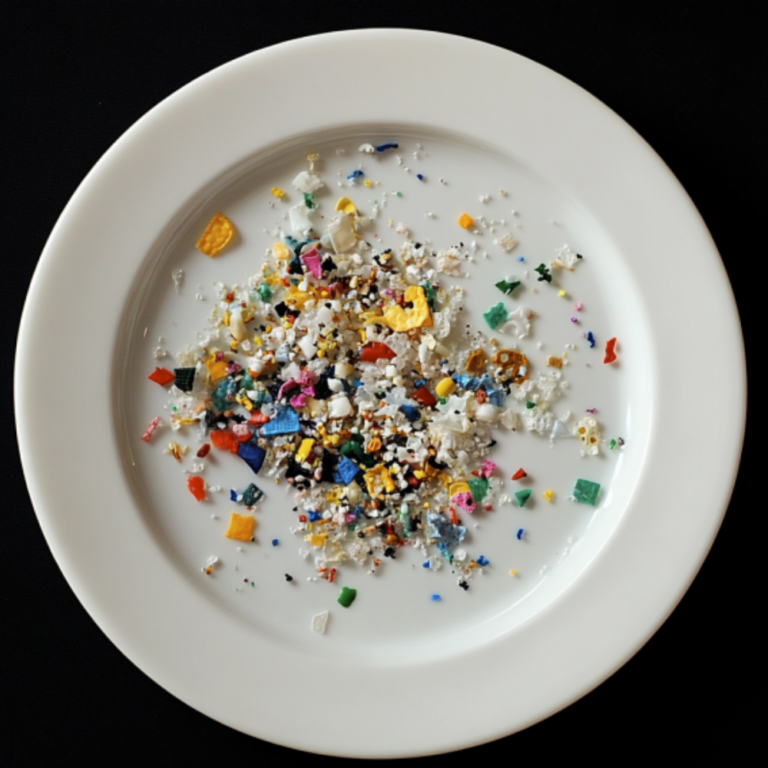
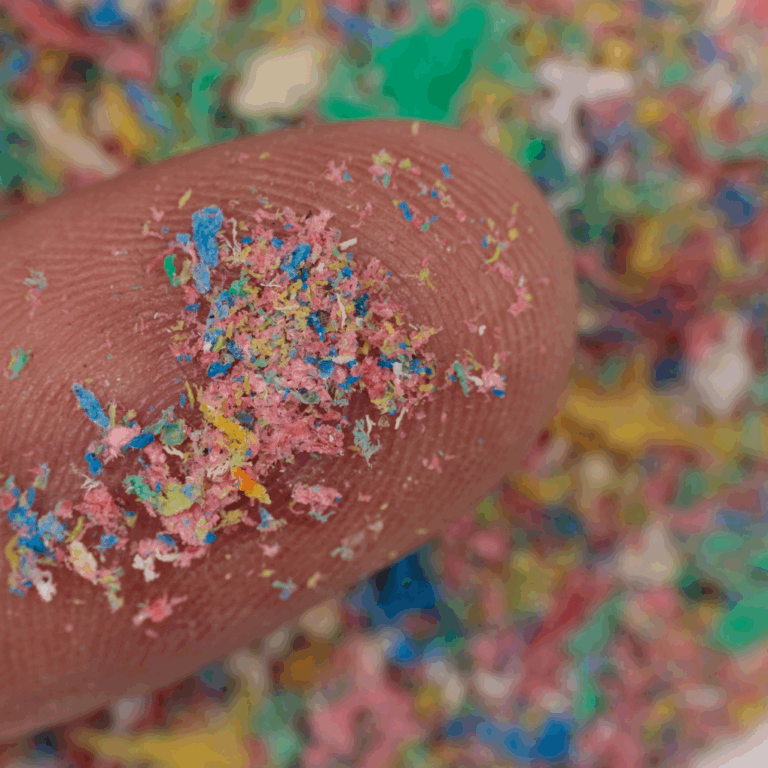
Microplastics are plastic fragments smaller than 5 millimeters, about the size of a sesame seed or tinier. They come from manufactured microbeads and from larger plastics like bottles, bags, and synthetic clothing, breaking apart over time.
Microplastics are plastic fragments smaller than 5 millimeters, roughly the size of a sesame seed or smaller. Though tiny, they’ve become one of the most widespread forms of pollution on the planet. Scientists group them into two categories:
- Primary microplastics are manufactured to be microscopic from the start. Examples include the microbeads once added to facial scrubs and toothpaste, plastic glitter, and abrasive pellets used in industry.
- Secondary microplastics form when larger plastics, such as bottles, bags, or synthetic fabrics, break apart over time. Sunlight, heat, friction, and waves speed up this fragmentation, turning everyday items into countless invisible particles.
The sources are everywhere. Washing polyester or nylon clothing releases fibers into laundry water. Food packaging sheds fragments as it degrades. Tiny plastics have been found in bottled and tap water, seafood, table salt, honey, and even the household dust we breathe in daily. Because microplastics are small, lightweight, and resistant to breakdown, they travel easily through air, soil, rivers, and oceans, making exposure nearly impossible to escape without conscious steps to reduce it.
Why Should You Be Concerned?
Microplastics have been found in human blood, lungs, and placentas, and early research links them to inflammation, cell damage, and hormone disruption. Infants, pregnant people, and certain workers face the highest exposure.
Microplastics aren’t just an environmental issue; growing evidence suggests they can also impact human health. Because these particles are small enough to move through the body, researchers have found them in blood, lungs, and even placentas. Their presence raises concerns about both physical damage and chemical exposure.
Here’s the honest state of the science: researchers have confirmed that microplastics get into the body, but the health effects are still being studied. Treat the risks below as early warning signs, not settled conclusions.
Key health risks highlighted by recent studies include:
- Inflammation and cell damage occur when microplastics accumulate in tissues.
- Chemical exposure is a concern because plastics often contain additives like phthalates and bisphenols that disrupt hormones.
- Potential links to cancer, fertility problems, and gut health issues, though research is still emerging.
Some groups are especially vulnerable:
- Infants and children consume more food and drink per body weight and may be exposed through formula bottles, food, and dust.
- Pregnant people are at risk because studies show microplastics can cross the placenta.
- Workers in textiles, construction, and plastic manufacturing are at higher risk due to airborne exposure.
While scientists are still uncovering the full health impacts, the trend is clear: microplastics are entering the human body and interacting with vital systems in ways we’re only beginning to understand.
Where Microplastics Come From
The five biggest sources of microplastic exposure are food and water, indoor air and dust, synthetic textiles, plastic packaging, and everyday household items like nonstick pans and plastic cutting boards.
Microplastics come from a wide range of sources that surround us every day. Researchers have identified five major contributors to human exposure:
🍽️ Food and water
Plastic fragments are found in bottled water, tap water, seafood, sea salt, honey, and even fresh produce that has been exposed to polluted soil or irrigation. Heating food in plastic containers or drinking from worn bottles can release even more particles directly into meals and drinks.
🌬️ Air and household dust
Indoor air is full of plastic fibers shed from carpets, curtains, furniture, and electronics. These particles settle as dust that we breathe in or accidentally ingest. Children are particularly at risk since they spend more time on the floor and put their hands or toys in their mouths.
The simplest defenses are practical ones: vacuum with a HEPA filter, dust with a damp cloth instead of dry, and open windows when you can to clear trapped fibers.
👕 Textiles and clothing
Every time synthetic fabrics like polyester, nylon, or acrylic are washed, they shed millions of microscopic fibers that flow into wastewater. Even normal wear and tear releases fibers into the air. Without proper filtration, these microfibers end up in rivers, oceans, and eventually food chains.
🛍️ Packaging and single-use plastics
From water bottles to takeout containers, plastic packaging gradually breaks down into tiny fragments. Reheating leftovers in plastic, leaving bottles in the sun, or reusing old containers speeds up this process, increasing the chance that particles leach into food and drinks.
🏠 Household items
Everyday products such as nonstick cookware, plastic cutting boards, synthetic sponges, and cleaning supplies can release microplastics during regular use. Over time, these small fragments build up in indoor air and waterways when they’re washed down the drain.
Because these sources are so widespread, avoiding microplastics means paying attention to what we eat, drink, wear, and use around the home.
Why Heat Makes Plastic Shed More Microplastics
Heat is the single biggest trigger for microplastic release. Hot food, boiling water, microwaves, and dishwashers all make plastic shed far more particles, so the easiest high-impact habit is to keep heat and plastic apart.
If you change one habit today, stop letting heat touch plastic. When plastic gets hot, it breaks down faster and sheds far more particles into whatever it’s holding. In one University of Nebraska-Lincoln study, microwaving a plastic container released as many as 4.22 million microplastic particles, plus billions of far smaller nanoplastic particles, from a single square centimeter in just 3 minutes. Warm liquids do it too, which is why heated plastic baby bottles and to-go cups release more particles than the same container at room temperature.
What to Do
- Never microwave food in plastic. Move leftovers to a glass or ceramic dish first.
- Let hot food cool before storing it in plastic, or skip plastic storage and use glass.
- Pour hot coffee or tea into a ceramic or stainless mug, not a plastic-lined cup.
- Hand-wash plastic or keep it on the top rack, since dishwasher heat speeds up breakdown.
- For babies, mix and warm formula in glass or stainless steel, then cool it before it touches a plastic bottle.
15 Simple Ways to Reduce Microplastics in Your Life
The highest-impact swaps are filtering your drinking water, washing synthetic clothing less often, replacing plastic kitchenware with glass or stainless steel, and skipping personal care products with synthetic exfoliants. The list below is ranked from biggest impact to easiest.
Small but powerful steps you can take to limit microplastic exposure in your everyday routine. While it’s impossible to eliminate microplastics from our lives completely, the good news is that we can take action to reduce our exposure and minimize their environmental impact. Every small change matters, and by making mindful choices, we can help reduce microplastics’ spread.
Not every swap is equally urgent, and you don’t have to do them all at once. A simple way to decide where to spend money and effort:
- Replace now (biggest payoff): your water filter, your cookware, and any habit of heating food in plastic.
- Replace as it wears out: synthetic clothing, bedding, curtains, plastic cutting boards, and food storage. No need to throw out what you own, just choose natural materials next time.
- Optional, if it fits your budget: smaller swaps like natural gum, garden tools, and specialty laundry filters.
Start at the top, and let the rest happen gradually.
| Source | What to Avoid | Switch To | Read More |
|---|---|---|---|
| Skincare & Cosmetics | Polyethylene, polypropylene, nylon | Mineral and natural exfoliants | See tip 1 → |
| Synthetic Clothing | Polyester, nylon, acrylic, spandex | Organic cotton, linen, hemp, wool | See tip 2 → |
| Drinking Water | Bottled water, unfiltered tap | Reverse osmosis or solid carbon block | See tip 3 → |
| Single-Use Plastics | Disposable bottles, cups, bags | Reusable glass, stainless, bamboo | See tip 4 → |
| Food Packaging | Plastic wrap, plastic-lined cardboard | Glass, metal, paper, bulk shopping | See tip 5 → |
| Takeout & Fast Food | Plastic-lined wrappers, foam containers | Bring your own container; cook at home | See tip 6 → |
| Home Textiles | Synthetic curtains, carpets, bedding | Organic cotton, linen, wool, hemp | See tip 7 → |
| Produce | Plastic-wrapped fruits and veggies | Loose produce, reusable produce bags | See tip 8 → |
| Cookware | Teflon and other nonstick coatings | Ceramic, cast iron, stainless steel | See tip 9 → |
| Chewing Gum | Conventional gum (synthetic gum base) | Tree-sap gum like Simply or Glee | See tip 10 → |
| Car Tires | Aggressive driving, worn tires | Smooth driving, low-abrasion tires | See tip 11 → |
| Blankets | Fleece and synthetic blankets | Cotton, wool, or bamboo | See tip 12 → |
| Household Cleaners | Plastic-pod detergents, synthetic wipes | Vinegar, baking soda, refillable brands | See tip 13 → |
| Diapers | Disposable plastic diapers | Cloth diapers in cotton or bamboo | See tip 14 → |
| Garden Tools | Plastic tools, pots, gloves | Wood, metal, bamboo, natural fiber | See tip 15 → |
1. Avoid Personal Care Products with Microplastics
Microplastics are often hidden in personal care products, especially cosmetics and some skincare products. While plastic beads have been banned in exfoliating scrubs and rinse-off products, microplastics can still be found in many personal care items, where they are used for texture and durability. These tiny particles don’t biodegrade; over time, they flow into oceans and lakes, harming marine life.
What to Do
- Check ingredient lists for polyethylene (PE), polypropylene (PP), or nylon (PA). These are all plastics.
- Download the Beat the Microbead app to scan product labels and spot hidden microplastics.
- Choose natural exfoliants like sugar, salt, or ground coffee instead of plastic-based microbeads.
2. Wash Synthetic Clothing Less Often
Synthetic fabrics like polyester, nylon, acrylic, and spandex shed microplastic fibers whenever they’re washed. These fibers are too small to be captured by wastewater treatment plants and end up in oceans, where they are mistaken for food by marine life. A single load of laundry can release up to 700,000 microplastic fibers!
What to Do
- Wash clothes less frequently and on a gentle cycle to minimize shedding.
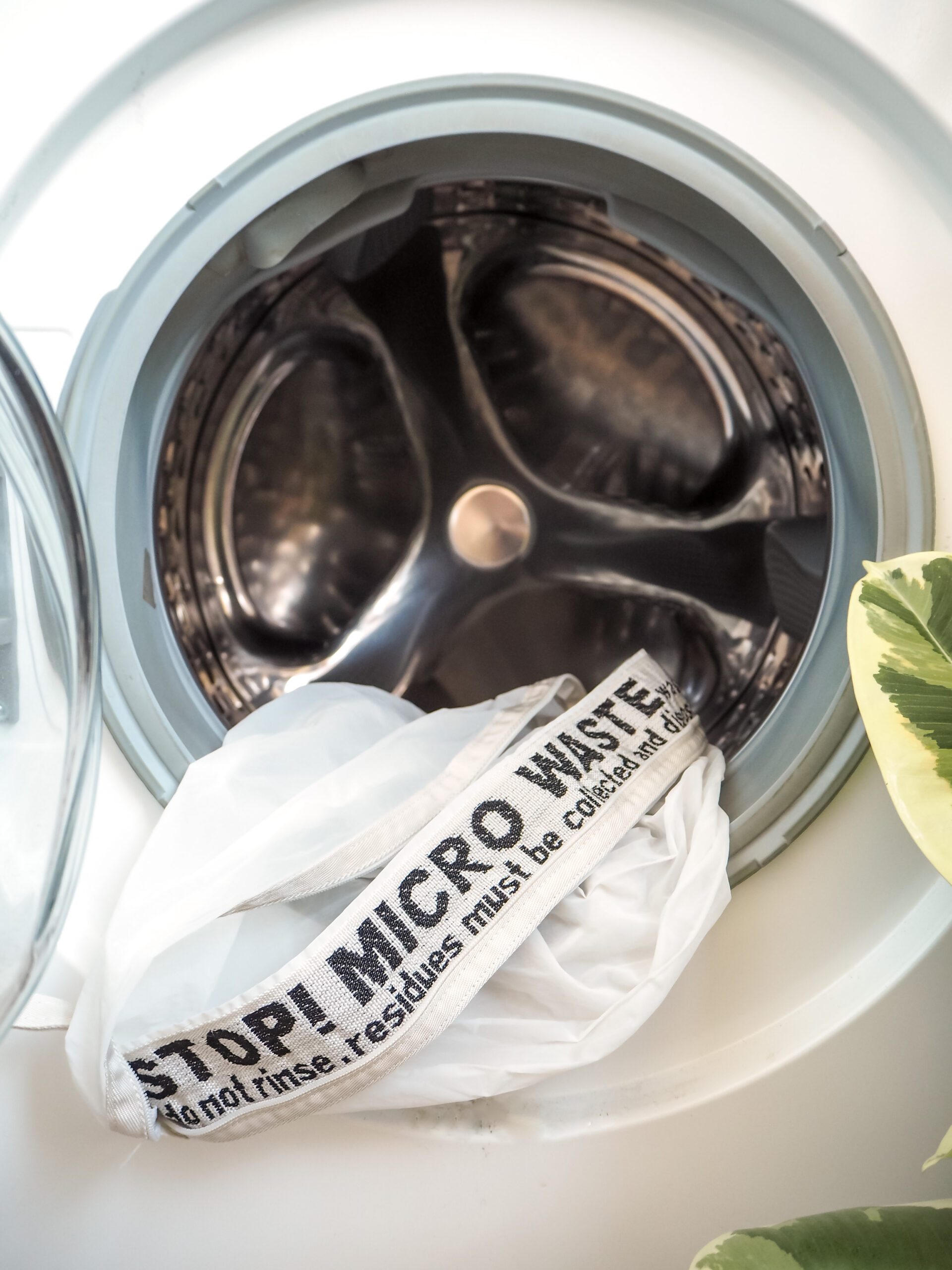
- Use a Guppyfriend washing bag or install a microplastic filter like PlanetCare.
- Choose organic cotton, linen, hemp, or wool when buying new clothes.
- Natural fabrics cost more new, so buying secondhand cotton, linen, and wool is an easy way to make the switch affordable.
3. Use a High-Quality Water Filter
Microplastics are found in bottled water, tap water, and even rainwater. Research has found that a liter of bottled water contains, on average, about 240,000 tiny plastic particles, with 90% of them being nanoplastics, even smaller and potentially more concerning than microplastics. Studies also show that bottled water can contain double the microplastic levels of tap water, making a high-quality filtration system one of the best ways to reduce your daily intake.
What to Do
- Invest in a solid carbon block filter or reverse osmosis system, which is most effective at filtering microplastics. I recommend AquaTru, a reverse osmosis system that removes contaminants, including microplastics, PFAS, lead, and more. It’s easy to set up and doesn’t require complex plumbing.
- Avoid bottled water, as it often contains twice as many microplastics as tap water. Plus, plastic bottles shed microplastics over time, especially when exposed to heat.
- Store water in glass or stainless steel rather than plastic to minimize plastic particle exposure.
- If a full reverse osmosis system isn’t in the budget, a quality solid carbon block pitcher filter still removes a meaningful share of particles, and a growing number of libraries and community centers offer filtered refill stations.
For a full breakdown of the top picks, see my guide to the best reverse osmosis systems.
4. Avoid Single-Use Plastics
Plastics do not biodegrade; instead, they fragment into progressively smaller particles, eventually becoming microplastics that persist in the environment indefinitely. Alarmingly, only about 9% of plastic waste has been recycled globally, with the majority accumulating in landfills or the natural environment. Consequently, minimizing plastic use is essential to mitigate future microplastic pollution.
What to Do
- Carry a reusable water bottle, coffee cup, and shopping bag.
- Opt for plastic-free alternatives like bamboo cutlery and glass containers.
- Say no to plastic straws, takeout utensils, and single-use packaging whenever possible.
For my top picks on swapping out single-use plastic bottles, see my guide to the best plastic-free water bottles.
5. Choose Plastic-Free Packaging
Most grocery store items come in plastic packaging, eventually breaking into microplastics. Even cardboard food containers can be lined with plastic coatings. Over time, microplastics leach into food and drinks, exposing you to chemicals linked to hormone disruption and other health risks.
What to Do
- Opt for glass, metal, or paper packaging: When shopping, choose items that come in materials like glass, aluminum, or paper instead of plastic. These alternatives are more easily recycled and have a lower risk of leaching harmful substances.
- Embrace bulk shopping: Shopping at bulk stores or zero waste stores is a great way to reduce plastic waste. Bring your own reusable containers to fill up grains, nuts, spices, and cleaning supplies, cutting down on packaging entirely.
- Switch to bar products: Replace liquid soaps, shampoos, and cleaning products with bar versions or refillable dispensers. These options often come with minimal or no plastic packaging, reducing overall plastic consumption.
6. Limit Takeout and Fast Food
All plastics are made with a mix of chemicals that give them specific material properties. These chemicals can transfer from food packaging into the food or drink we consume, especially when the two are in direct contact.
Fast food often comes in plastic-lined wrappers, containers, and cups, which release microplastics when exposed to heat. This means that not only is the packaging contributing to pollution, but it also has the potential to release harmful chemicals into the food we eat.
What to Do
- Bring your own reusable coffee cup and food containers.
- Ask restaurants if they offer plastic-free packaging options.
- Cook at home more often, homemade meals = less plastic exposure.
7. Choose Natural Fabrics for Clothing and Home Textiles
Not just clothing, your couch, curtains, carpets, and bedding may also contain synthetic fibers that shed microplastics into your home. These fibers accumulate in dust and become airborne, meaning you may breathe in microplastics daily.
What to Do
- Choose home textiles from organic cotton, linen, wool, or hemp.
- Use an air purifier with a HEPA filter to help capture airborne microplastics.
- Wipe surfaces with a damp cloth instead of dry dusting, which can stir up particles. Make sure to dust and vacuum regularly.
- Open windows regularly to reduce indoor pollution.
8. Buy Loose Produce Instead of Pre-Packaged Fruits & Veggies
Can someone explain why items like cucumbers are wrapped in plastic? Even fresh produce often comes in plastic packaging that isn’t needed, adding to plastic waste. Over time, chemicals from the plastic can leach into the food, increasing our exposure to microplastics.
What to Do
- Buy loose produce instead of plastic-wrapped fruits and vegetables.
- Bring reusable produce bags to the store.
- Support local farmers’ markets, which typically use less plastic packaging.
9. Avoid Teflon and Nonstick Cookware
Nonstick coatings like Teflon (PTFE) can release microplastics and toxic particles into your food when scratched or overheated. Over time, the coatings break down, contaminating your meals and potentially contributing to microplastic pollution. These particles can pose health risks, including hormone disruption and other long-term effects.
What to Do
- Opt for non-toxic alternatives like ceramic, cast iron, or stainless steel cookware. I personally use Xtrema ceramic cookware and Caraway non-toxic cookware.
- Use wooden or silicone utensils to avoid scratching nonstick surfaces.
- Avoid overheating nonstick pans to prevent the release of harmful chemicals.
10. Be Mindful of Chewing Gum
Most conventional gum brands contain plastic, yes, really! The ingredient “gum base” is often a mix of synthetic polymers, aka plastic.
What to Do
- Choose natural gum made from tree sap, like Simply Gum or Glee Gum.
- Avoid gum with artificial flavors and preservatives, which often contain plastic-derived ingredients.
11. Reduce Your Car Tire Wear
Car tires are a significant source of microplastic pollution, as they shed rubber and plastic particles during wear. These particles wash into waterways, adding to global pollution. Tire wear particles account for approximately 28% of the microplastics entering the environment globally.
What to Do
- Drive smoothly and avoid sudden braking to reduce tire wear.
- Maintain proper tire pressure to prevent excessive shedding.
- Choose tires with lower abrasion rates to reduce the amount of microplastic pollution they produce.
- Rotate tires regularly to ensure even wear and extend their lifespan.
- Reduce vehicle weight to put less strain on tires and reduce wear and tear.
12. Limit Fleece and Synthetic Blankets
Fleece and other synthetic blankets are major contributors to microplastic pollution. When washed, they shed many microfibers, which are too small to be captured by standard washing machine filters. These tiny plastic particles accumulate in your home and eventually enter the environment, often through wastewater systems.
What to Do
- Opt for natural fiber blankets made from cotton, wool, or bamboo. These materials are biodegradable and don’t release harmful microplastics when washed.
- Consider investing in high-quality, durable blankets that last longer, reducing the need for frequent washing and replacement.
- Use a microfiber filter bag or a laundry bag specifically designed to catch microplastics when washing synthetic fabrics.
13. Switch to Eco-Friendly Household Cleaners
Many conventional household cleaning products contain microplastics, particularly in scrubbing agents and cleaning wipes. These products shed tiny plastic particles as they are used, which can end up in the air, water, or environment. In addition to microplastics, some cleaning products may also contain harmful chemicals that can pose health risks over time.
What to Do
- Opt for cleaning products that are labeled “plastic-free” or “microplastic-free.”
- Use natural cleaning agents like vinegar, baking soda, or castile soap for an eco-friendly cleaning routine.
- Choose reusable cleaning cloths or sponges made from organic materials instead of disposable synthetic ones.
- Avoid using detergent in plastic pods. I prefer Blueland’s dishwasher and laundry pods they’re just as convenient but without plastic waste.
14. Use Cloth Diapers Instead of Disposable Ones
Disposable diapers significantly contribute to plastic pollution, as they contain synthetic materials such as polyethylene and polypropylene, which can take up to 500 years to decompose. In addition to microplastics, disposable diapers release harmful chemicals into the environment and landfill space.
What to Do
- Opt for cloth diapers made from natural fibers like organic cotton or bamboo, such as Eco Pea Co., which are biodegradable and gentle on your baby’s skin.
- Choose cloth diapering systems that are adjustable and can be reused for multiple children, reducing waste even further.
- Consider hybrid options with cloth inserts and waterproof covers for convenience and less environmental impact.
15. Reduce the Use of Synthetic Garden Tools
Synthetic garden tools, often made from plastic, are a hidden source of environmental microplastics. Over time, these tools break down from regular use, exposure to the elements, or being left outside, microplastics into the soil.
What to Do
- Opt for garden tools made from natural or sustainable materials like wood, metal, or bamboo, which are durable and biodegradable.
- Look for tools with replaceable heads or parts to extend their life, reducing the need for disposable plastic replacements.
- Choose garden gloves made from natural fibers, like cotton or hemp, instead of those made from synthetic materials.
- Avoid using plastic garden pots and containers, and consider biodegradable alternatives made from materials like coconut coir, bamboo, or clay.
Community and Equity Considerations
Cutting microplastics isn’t only a personal job. Because filters, natural fabrics, and reusable swaps cost money, the people most exposed often have the fewest options. Real progress takes systemic change too: legislation that limits plastic production, brands redesigning packaging, and a shift toward a circular economy so safer choices become affordable and available to everyone, not just households that can pay for them.
Avoiding microplastics isn’t only about the choices we make at home it’s also about what happens in our communities and the bigger systems we live in. Governments, companies, and local groups all play a role in how much plastic ends up in the environment. And since not everyone can easily afford things like water filters or reusable products, fairness has to be part of the solution too.
🏛️ Policy and Legislation
Laws and rules can make a big difference. Some organizations and charities are pushing for stricter limits on microplastics, and citizens can sign petitions or contact state leaders to show support. The EPA has also started looking at microplastics as possible “unregulated contaminants,” but we still need more nationwide testing and monitoring to fully understand the risks.
🌍 Equity and Access
Many families can’t afford expensive water filters, laundry bags, or natural fabrics. That’s why it’s not enough to rely only on individual action. Companies need to design safer packaging and rethink textiles, while bigger shifts like moving toward a circular economy can make sustainable solutions more affordable and available for everyone.
👥 Community Involvement
Local action matters, too. Neighborhood groups can support bans on single-use plastics, partner with charities, or share tips for reducing exposure at home. When people work together, they build pressure for industry-wide change and stronger public health protections that help everyone.
Protecting Vulnerable Groups from Microplastics
Infants, pregnant people, older adults, and workers in the plastics industry face higher microplastic risk. The most protective measures are avoiding heated plastic around babies, choosing glass or stainless steel feeding gear, keeping household dust levelsdown, and using protective equipment and good ventilation at work.
Some groups face higher risks from microplastic exposure or may need extra support when making changes. Here’s what to keep in mind:
Families with infants and young children
Babies are especially vulnerable since they eat and drink more per body weight and often use plastic-based products. Studies show microplastics can leach from baby bottles and sippy cups, especially when heated. Choosing glass baby bottles, avoiding reheating food in plastic, and using stainless steel or silicone alternatives where possible can help cut exposure. Keeping floors clean and dust levels low also reduces the risk from microplastic-laden household dust.
High-risk groups
Workers in textiles, construction, and plastic manufacturing industries may inhale higher levels of airborne microplastics. Wearing proper protective equipment, ensuring good ventilation, and supporting workplace safety regulations are critical. Older adults and those with pre-existing health conditions may also be more affected by microplastic-related inflammation or chemical exposure, making prevention even more necessary.
Equity and accessibility
Not all solutions are equally easy or affordable. For example, water filters, glass storage containers, and microfiber-catching laundry bags can reduce exposure but may be out of reach for some households. Community solutions, such as shared access to filtered water stations, affordable reusable options, and policy changes that reduce plastic production at the source, are essential to ensure everyone has a fair chance to protect their health.
Don’t Miss: Plastic-Free Living 👉 See how reducing plastic protects both people and ecosystems, and explore simple strategies to get started at home. Read more →FAQs on How to Avoid Microplastics
Microplastics don’t biodegrade in the traditional sense. Instead, they continue to fragment into smaller and smaller pieces, becoming nanoplastics that are even harder to detect and remove from the environment.
Most larger particles are thought to pass through the digestive system, but smaller fragments and nanoplastics may cross cell membranes or enter the bloodstream. Research has detected microplastics in blood, lungs, and even placentas, raising questions about long-term accumulation.
The World Health Organization has stated that current evidence is limited, making it difficult to establish a “safe” level of exposure. Early studies suggest caution, especially for vulnerable populations, but more research is needed to understand long-term health effects.
Yes. Microplastics have been shown to harm marine life, contaminate soil, and disrupt ecosystems. Animals often ingest them by mistake, which can affect growth, reproduction, and survival rates, with ripple effects across the food chain.
Water filtration, avoiding heating food in plastic, reducing single-use packaging, and choosing natural fabrics instead of synthetics are some of the most effective everyday changes.
Final Thoughts on How to Avoid Microplastics
Microplastics are everywhere, but you can lower your exposure with simple changes. Filtering your water, washing synthetics less often, and cutting back on single-use plastics are three of the most effective steps.
If the full list feels like a lot, start with one move this week: keep heat away from plastic. Don’t microwave it, don’t pour boiling water into it, and let hot food cool before it goes into a plastic container. That single habit cuts a surprising share of your exposure. From there, add a water filter and swap synthetics as they wear out. You don’t need to be perfect, just consistent. If you want a room-by-room starting point, our free Microplastics Home Checklist walks you through the easiest swaps one space at a time.
🗨️ Which of these microplastic swaps will you try first? Share your thoughts in the comments below. I’d love to hear your ideas!
📚References
- Zhang, H., Wang, T., Wang, Y., Zhang, Y., & Geng, W. (2019). The transport and fate of microplastics in the coastal urban environment: A review. Water, 11(10), 2088. https://doi.org/10.3390/w11102088
- National Institutes of Health. (2024, January 8). Plastic particles in bottled water. NIH Research Matters. https://www.nih.gov/news-events/nih-research-matters/plastic-particles-bottled-water
- Organisation for Economic Co-operation and Development. (2022, February 22). Plastic pollution is growing relentlessly as waste management and recycling fall short. OECD. https://www.oecd.org/en/about/news/press-releases/2022/02/plastic-pollution-is-growing-relentlessly-as-waste-management-and-recycling-fall-short.html
- ScienceAlert. (2025, March 7). Almost 30% of microplastics come from a hugely overlooked source. ScienceAlert. https://www.sciencealert.com/almost-30-of-microplastics-come-from-a-hugely-overlooked-source
- Decomposition Time. (2023, August 10). How long do diapers take to decompose? Decomposition Time. https://decompositiontime.com/diaper/
- Cox, K. D., Covernton, G. A., Davies, H. L., Dower, J. F., Juanes, F., & Dudas, S. E. (2019). Human consumption of microplastics. Environmental Science & Technology, 53(12), 7068-7074. https://doi.org/10.1021/acs.est.9b01517
- Hussain, K. A., Romanova, S., Okur, I., Zhang, D., Kuebler, J., Huang, X., Wang, B., Fernandez-Ballester, L., Lu, Y., Schubert, M., & Li, Y. (2023). Assessing the release of microplastics and nanoplastics from plastic containers and reusable food pouches: Implications for human health. Environmental Science & Technology, 57(26), 9782-9792. https://doi.org/10.1021/acs.est.3c01942
More Microplastics Guides You’ll Want to Read
Want the full picture on microplastics exposure? Read our complete Microplastics Guide covering every source, health risk, and practical swap.
We’ve scored every product we recommend on plastic — browse them all in the Plastic Footprint Directory.