

Key Takeaways
- An NSF/ANSI 401 certified water filter must remove at least 85% of microplastic test particles, making certified filtration the most effective single swap.
- Heat plus plastic is the biggest source of microplastics in food. Never microwave or store hot food in plastic, even containers labeled “microwave safe.”
- Natural fibers like cotton, linen, and wool shed far fewer plastic fibers into your laundry water and indoor air than polyester or nylon.
The best way to remove microplastics is to stop them before they reach you: filter your water, swap plastic food containers for glass, and rethink your laundry routine. These little plastic bits are in tap water, leggings, and the takeout container sitting in your fridge right now.
Researchers estimate that we each swallow or inhale up to 121,000 of them a year, according to a study in Environmental Science & Technology. We dug through the newest research, including the brain and heart studies making headlines, and pulled out the seven fixes that make the biggest dent. None of them will turn your house upside down. Most take an afternoon or less.
How to Remove Microplastics from Your Home
Removing microplastics from your home comes down to three moves: filter your drinking water, swap plastic food storage for glass or stainless steel, and replace synthetic fabrics where you can.
Before you can remove microplastics, it helps to understand where they come from and how they spread. These tiny plastic fragments shed from packaging, clothing, and cleaning products, then make their way into your food, water, and indoor air. Over time, they can build up in your living space and even enter your body through what you eat and breathe.
By making a few intentional changes, such as choosing glass containers, improving your water and air filtration, and wearing natural fabrics, you can significantly reduce the amount of microplastics circulating in your home. Each small shift helps create a healthier space for you, your family, and the planet.
What Are Microplastics?
Microplastics are plastic fragments smaller than 5 millimeters that shed from packaging, synthetic fabrics, and degrading plastic items. They are now found in water, food, air, and human tissue.
Microplastics are tiny pieces of plastic, less than five millimeters long, about the size of a sesame seed or smaller. They come from larger plastic items that break down over time, as well as from products made with synthetic materials like polyester or nylon. Because they’re so small, microplastics can pass through water filters, float through the air, and even make their way into the food we eat.
Scientists have found microplastics everywhere from ocean floors to mountain air and even inside the human body. While research on their long-term health effects is still developing, reducing exposure wherever possible is a smart step toward protecting yourself and your home.
Where Do Microplastics Come From?
Most microplastics come from larger plastics breaking down and from everyday products shedding fragments, especially synthetic clothing, plastic packaging, and cosmetics. People take them in mainly through food and air.
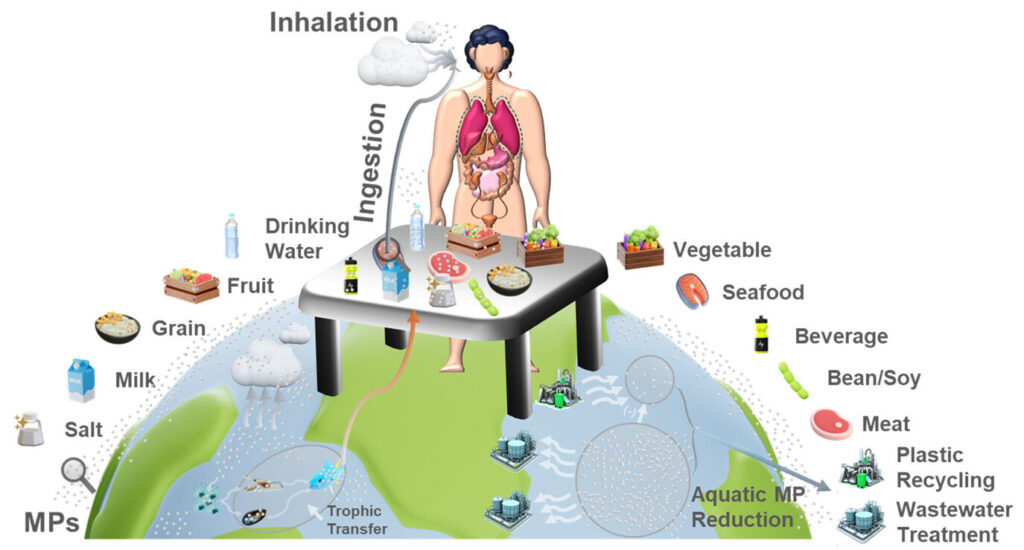
Microplastics don’t just appear out of nowhere. They come from the breakdown of larger plastic items and from everyday products that shed tiny fragments over time. These particles are now found in nearly every corner of the environment, from ocean water and soil to household dust.
At home, microplastics are often released when we wash synthetic fabrics like polyester and nylon, or when we use plastic packaging, cleaning products, and cosmetics made with microbeads or glitter. Over time, sunlight, friction, and heat cause these plastics to break down into smaller and smaller pieces.
Once released, microplastics spread quickly. They move through the air, collect in household dust, and contaminate our food and water supplies. Studies have found that people mainly take in microplastics through two routes: what we eat and what we breathe. Seafood, salt, and bottled water are among the most significant sources, while synthetic carpets, upholstery, and clothing contribute to the plastic dust floating indoors.
✨now you know
Why Microplastics Matter
Microplastics aren’t just a pollution problem; they’re also a health concern. These tiny plastic pieces can carry chemicals like BPA, phthalates, and PFAS, which may interfere with hormones and increase the risk of issues such as infertility, cancer, and developmental problems. Scientists are still learning how these particles affect our bodies, but early research suggests we should pay attention.
In the environment, microplastics last for decades. They build up in oceans, soil, and air, harming wildlife and eventually making their way back to us through the food we eat and the water we drink.
Reducing microplastic exposure isn’t about perfection; it’s about protecting your health and making everyday choices that help the planet, too.
Save This Before You Buy Another Water Filter 📌
Where Microplastics Hide in Your Home
Microplastics hide in food packaging, synthetic clothing and carpet, personal care products, household dust, and aging plastic kitchenware. Dust and laundry are the two biggest indoor sources.
Microplastics aren’t just a problem in oceans or landfills. They’re quietly accumulating inside our homes, too, in the air, on surfaces, and even in the food we eat. Many everyday household items release tiny plastic fragments over time, often without us realizing it.
Here are some of the most common hiding spots:
- Food packaging: Single-use plastics like wrappers, bags, and containers can release microplastics, especially when exposed to heat or sunlight.
- Synthetic fabrics: Clothes, rugs, and upholstery made from polyester, nylon, or acrylic shed microscopic fibers during wear and washing.
- Personal care products, such as some exfoliating scrubs, toothpastes, and body washes, still contain microplastic beads or glitter that rinse down the drain.
- Broken-down plastics: Old bottles, toys, and kitchenware can degrade into smaller pieces that mix with dust or enter indoor air.
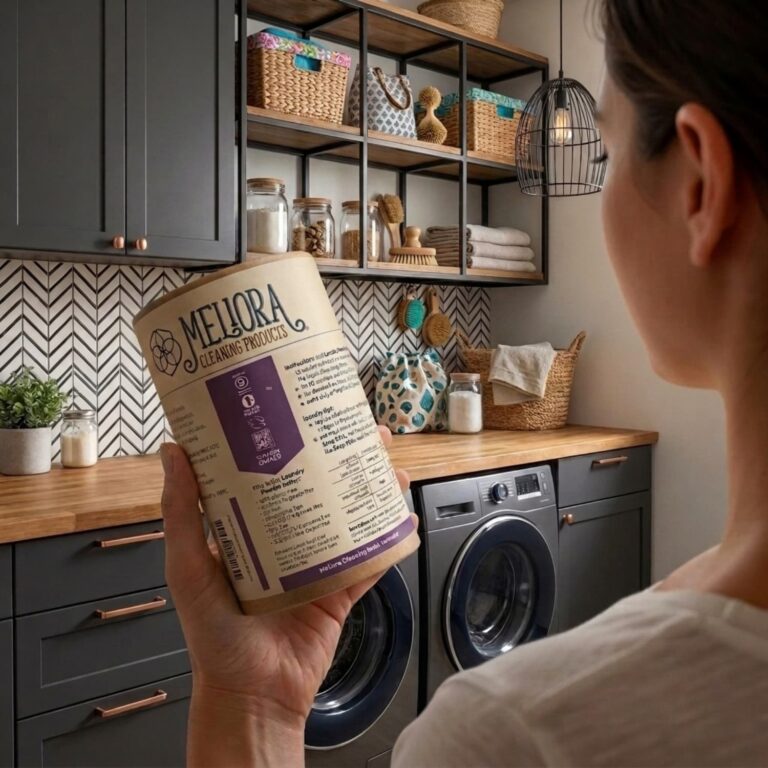
- Household cleaners: Certain cleaning products use plastic-based abrasives that leave behind fine plastic residue.
- Cosmetics: Glitter, shimmer, and long-wear formulas often contain microplastic additives that remain on skin or surfaces after use.
Even when you can’t see them, microplastics are constantly circulating through the air, water, and dust around you. The best way to cut your exposure is to start removing them where they collect most, beginning with the water you drink every day.
🧘 How to Remove Microplastics from Your Body
No product removes microplastics from your body, and detox supplements lack evidence. Hydration, fiber-rich foods, and lowering daily exposure are the proven ways to support your body’s natural clearance.
Even with your best efforts, some microplastics will still enter your system through the air you breathe, the food you eat, and the water you drink. Most of these tiny particles pass through without much issue, but researchers are still studying what long-term exposure could mean for our health. Early studies suggest they may irritate tissues, stress cells, and disrupt the balance of healthy gut bacteria.
There’s no proven way to remove microplastics once they’re in the body completely, but you can support your body’s natural filtering systems and reduce future exposure through small, consistent habits.
- Stay Hydrated: Drinking enough water helps your kidneys and digestive system filter and flush out waste. Staying hydrated supports these natural processes and helps maintain overall cellular health. To avoid adding more plastic to your intake, choose filtered tap water over bottled whenever possible.
- Eat More Fiber-Rich Foods: Fiber helps your digestion run smoothly and supports your body’s natural way of moving waste out. You can get plenty of fiber from fruits, vegetables, beans, and whole grains. While fiber doesn’t directly remove microplastics, it keeps your gut healthy and helps your body get rid of things it doesn’t need.
- Support Liver and Kidney Health: Your liver and kidneys are your body’s built-in filtration system. Eating a balanced diet rich in colorful fruits, vegetables, and whole foods helps these organs work at their best. Focus on nutrient-dense options like leafy greens, berries, citrus, and cruciferous vegetables.
- Reduce Everyday Exposure: Prevention is just as important as removal. Store food in glass or stainless steel containers, and avoid microwaving or storing hot foods in plastic. Choose unpackaged produce, refillable containers, and reusable glass or metal water bottles. Small swaps like these can reduce the number of microplastics entering your body over time.
- Be Cautious with Detox Products: Some products claim to “detox” your body or flush out microplastics, but there’s no solid scientific evidence to support these claims. Things like detox teas, powders, or activated charcoal aren’t proven to work and can sometimes do more harm than good. If you’re thinking about trying any detox supplement, it’s always safest to talk with your doctor first.
💧 How to Remove Microplastics from Water
Reverse osmosis removes microplastics from water more effectively than any other home method, and filters certified to NSF/ANSI 401 must reduce at least 85% of microplastic test particles.
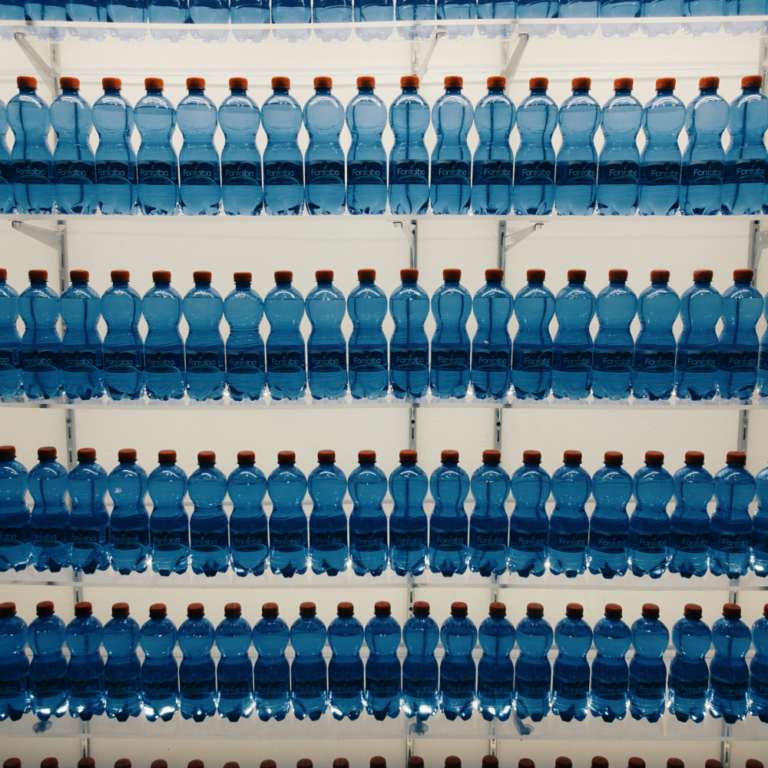
Water is one of the main ways microplastics enter our bodies, primarily through bottled water and unfiltered tap water. Some studies have found that bottled water can contain up to 90 times more microplastics than tap water, primarily due to the plastic packaging. Choosing the right filtration system is one of the most effective ways to reduce this exposure.
- Use a High-Performance Water Filter: Filters that use reverse osmosis, nanofiltration, or activated carbon can remove even the tiniest plastic particles. Reverse osmosis filters are among the most effective because they push water through a special membrane that traps contaminants, including microplastics. These systems can be installed under your sink or used as countertop units.
- Try Affordable Filter Options: If a whole system isn’t in your budget, a pitcher or faucet-mounted filter is still a good start. Look for one that’s BPA-free and uses activated carbon or ceramic filters to capture small particles. I have the Aqua Tru Carafe, and the taste is worth every penny! Just remember to replace the filter regularly to keep it working correctly.
- Skip Bottled Water: Bottled water might seem cleaner, but research shows it often contains more microplastics than filtered tap water. The plastic bottles themselves shed tiny fragments over time, especially when exposed to heat or sunlight. A reusable glass or stainless-steel bottle filled with filtered water is the best way to stay hydrated without adding more plastic to your day.
- Store Water Safely: Even after filtering, storing water correctly matters. Avoid plastic jugs or pitchers and use glass, ceramic, or stainless steel instead. This helps keep your clean water free from new contaminants and reduces your household plastic waste overall.
🥗 Simple Ways to Reduce Microplastics in Food
Reducing microplastics in food comes down to four habits: store food in glass, never heat food in plastic, rinse produce in filtered water, and choose fresh over packaged.
Microplastics might be tiny, but when it comes to food, their impact on the food chain is worth paying attention to. While altogether avoiding them isn’t realistic, there are plenty of ways to reduce your exposure:
- Choose Plastic-Free Storage: Swap out plastic containers and wraps for glass jars, ceramic containers, stainless steel, or silicone alternatives. These BPA-free options reduce the risk of microplastic particles migrating into your food, especially when storing grains, leftovers, or meal prep items.
- Avoid Heating Food in Plastic: Never use plastic containers in the microwave, even those labeled “microwave safe.” Heat causes plastic to break down faster, releasing more microplastics into your food. Always transfer meals to glass or ceramic containers before heating.
- Rinse Produce Well: Washing fruits, vegetables, and seafood thoroughly can help remove microplastics that may have settled on their surface. Use filtered tap water instead of bottled water for rinsing, as many bottled waters contain more microplastics than properly filtered tap water.
- Shop Smarter: Look for unpackaged produce and shop at bulk stores or farmer’s markets where you can bring your reusable bags and containers. Choose whole grains and fresh foods over processed and packaged foods, which tend to have higher microplastic contamination due to food packaging materials.
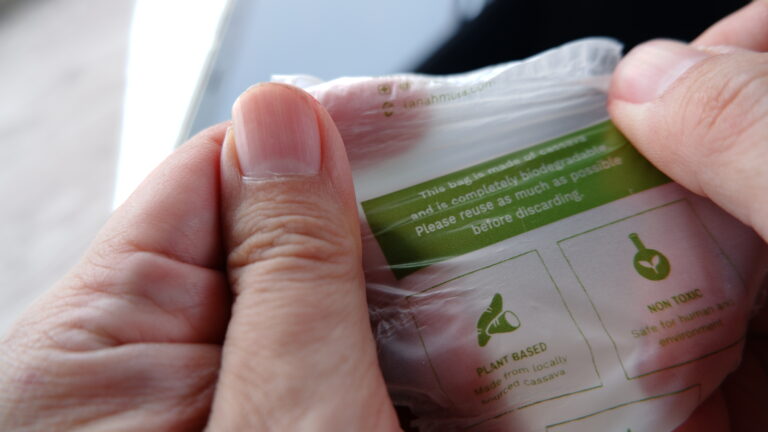
- Pick Better Food Packaging: When buying packaged foods, opt for brands that use glass, paper, or biodegradable materials over plastic. Avoid foods packaged in food-grade nylon or other plastic materials when possible. Bonus points for supporting companies that prioritize sustainable practices.
- Be Careful with Beverages: Skip drinks served in plastic-lined cups and avoid single-use plastic bottles. Invest in a quality water filter for your home to ensure cleaner tap water, and use glass or stainless steel water bottles when on the go.
🫁 How to Reduce Microplastics in the Air
A HEPA air purifier, a HEPA vacuum, damp dusting, and regular ventilation remove most airborne microplastics indoors, where plastic fibers concentrate in household dust.
Microplastics aren’t just in our water and food, they’re also floating in the air inside our homes. Studies show that these particles can come from clothing, furniture, and even household dust. Breathing them in over time can increase exposure, but small changes in how you clean and ventilate your space can make a big difference.
- Use an Air Purifier with a HEPA Filter: HEPA filters are designed to trap tiny particles, including microplastics and dust. Choose a purifier that’s the right size for your room and run it regularly, especially in living areas and bedrooms.
- Improve Ventilation: Fresh air helps lower the concentration of indoor pollutants. Open windows when the weather allows, use exhaust fans in the kitchen and bathroom, and keep your HVAC filters clean. Replacing them every one to three months keeps air flowing and reduces buildup.
- Vacuum and Dust Often: Microplastics cling to household dust, so regular cleaning helps remove them before they circulate in the air. Use a vacuum with a HEPA filter and wipe surfaces with a damp cloth instead of dry dusting to prevent particles from becoming airborne.
- Wash Fabrics Wisely: Synthetic fabrics like polyester and nylon shed microfibers into the air and laundry water. Choose natural fibers when possible, and wash clothes less often or in cold water to reduce shedding.
- Avoid Synthetic Fragrances and Sprays: Many air fresheners, candles, and cleaning sprays contain plastic-based chemicals that release micro-particles when burned or sprayed. Opt for natural candles, essential oils, or homemade cleaners instead.
Keeping your air cleaner doesn’t require significant changes — just small, steady habits that help cut down on airborne plastic dust and make your home feel fresher and safer.
🫧 What You Wear and Wash Matters
Synthetic fabrics shed plastic microfibers with every wash. A microfiber laundry bag or washing machine filter, cold-water cycles, and natural fibers cut shedding dramatically.
Every time you do laundry or wear synthetic fabrics, tiny plastic fibers can break loose and end up in the air or water. These microfibers are one of the most significant sources of microplastic pollution in homes, but the good news is that a few simple changes in what you buy and how you wash can make a big difference.
- Choose Natural Fabrics: Clothing made from cotton, linen, hemp, or wool sheds far fewer microplastics than synthetics like polyester, nylon, and acrylic. When possible, look for clothes labeled as organic or sustainably made from natural fibers. They last longer, breathe better, and are gentler on your skin.
- Use Laundry Filters or Bags: Washing machines release thousands of microfibers with each load. Adding a microfiber-catching laundry bag (like a Guppyfriend) or an external washing machine filter can help trap many of these particles before they reach the drain.
- Wash Smarter: Wash clothes less often and in cold water to reduce shedding. Shorter cycles and gentle detergents can also help preserve fabric quality while preventing extra fiber loss.
- Air Dry When You Can: Clothes dryers can release microplastics into the air as fibers break away. Hanging clothes to dry saves energy and keeps fabrics stronger for longer.
- Skip Synthetic Additives: Fabric softeners and dryer sheets often contain plastic-based chemicals that cling to fabrics and add to buildup. Use wool dryer balls or natural fabric refreshers instead.
Small laundry and wardrobe choices add up over time. By switching to natural fibers and using simple laundry tools, you can help reduce the amount of microplastics leaving your home with every wash.
Community Involvement and Advocacy
Individual swaps lower your own exposure, but supporting plastic regulations and transparent brands is how microplastic pollution gets reduced at the source.
Reducing microplastics isn’t just about what happens inside our homes — it’s also about what we do together as communities. Collective action helps push for stronger regulations, more transparency, and lasting environmental change. Here are a few ways you can get involved and make a difference beyond your daily routine:
- Support Local Initiatives: Join community cleanups, refill programs, or zero-waste groups that focus on reducing plastic waste at the neighborhood level. These small efforts help prevent plastics from entering waterways and breaking down into microplastics.
- Push for Policy Change: Encourage local and national leaders to strengthen regulations on single-use plastics, chemical additives, and microplastic contamination in food and water. Your voice matters more than you think — public input helps shape these decisions. You can also support groups like the Plastic Pollution Coalition and Break Free From Plastic, which work globally to push for stronger laws, corporate accountability, and safer materials. Following or donating to these organizations is an easy way to stay informed and help create change beyond your own home.
- Hold Companies Accountable: Choose brands that are transparent about their materials, avoid unnecessary plastic packaging, and invest in sustainable alternatives. Consumer demand is a powerful driver of change.
- Share What You Learn: Talk about microplastic exposure with friends, family, and community groups. The more people understand where microplastics come from and how to avoid them, the more momentum builds for collective action.
Community involvement turns individual choices into meaningful, large-scale impact. When more people speak up, support sustainable products, and demand accountability, it helps protect public health and the environment for everyone.
FAQs on How to Remove Microplastics
These answers cover the latest microplastics research, including what scientists have found in human brains and arteries, and which removal methods have been verified to work.
It helps most in hard water. A 2024 study in Environmental Science & Technology Letters found that boiling hard tap water for 5 minutes, then pouring it through a simple filter, such as a coffee filter, once cooled, removed up to 90% of microplastics. The limescale that forms during boiling traps the particles. In soft water, the effect drops to around 25%, so a certified filter is still the more reliable everyday option.
Yes. A 2025 Nature Medicine study from University of New Mexico researchers found microplastics in donated human brain tissue, and samples from 2024 carried about 50% more plastic than samples from 2016. Scientists are still working out what this buildup means for long-term health.
Possibly. A 2024 New England Journal of Medicine study tracked 257 patients and found that those with microplastics in their artery plaque had a 4.5 times higher risk of heart attack, stroke, or death over roughly the next 3 years. The researchers were careful to note that this shows a link, not proof that the plastic caused it.
Look for NSF/ANSI 401 certification with a microplastics reduction claim. To earn it, a filter must remove at least 85% of plastic test particles between 0.5 and 1 micron in lab testing. It’s currently the only third-party standard that verifies microplastic removal.
Yes, and heat is the driver. A 2020 Nature Food study found polypropylene baby bottles released up to 16 million plastic particles per liter during standard formula prep. Preparing the formula in a non-plastic container, letting it cool, and then pouring it into the bottle dramatically reduces the release. Glass bottles avoid the issue entirely.
Nanoplastics are far smaller, under 1 micrometer, which lets them slip through many filters that catch larger microplastics. That size is why filter certifications and reverse osmosis matter so much. Our guide to nanoplastics in bottled water breaks down what researchers have found.
Final Thoughts About How to Remove Microplastics
While there is still much to learn about the long-term effects of microplastics on human health, ongoing research is clearly increasingly focused on understanding their potential role in conditions like early-onset colorectal cancer.
As the conversation around microplastics evolves, we must learn how to remove them as much as possible. Addressing plastic pollution is essential not just for the planet’s health but also for our own. It starts with changing our buying habits and prioritizing plastic-free products to reduce exposure and impact.
📚 References
- Murphy, M. (2025, January 2). Microplastics: A growing challenge to health and the environment. Harvard T.H. Chan School of Public Health. https://hsph.harvard.edu/news/microplastics-a-growing-challenge-to-health-and-the-environment
- Slavin, J. L. (2013). Fiber and prebiotics: Mechanisms and health benefits. Nutrients, 5(4), 1417–1435. https://doi.org/10.3390/nu5041417
- United States Congress. (2015). Microbead-Free Waters Act of 2015, H.R.1321, 114th Cong. https://www.congress.gov/bill/114th-congress/house-bill/1321/text
- Zhao, X., & You, F. (2024). Microplastic human dietary uptake from 1990 to 2018 grew across 109 major developing and industrialized countries but can be halved by plastic debris removal. Environmental Science & Technology, 58(20), 8709–8723. https://doi.org/10.1021/acs.est.4c00010
More Microplastics Guides You’ll Want to Read
- How to Avoid Microplastics: 15 Easy Swaps
- What Are Microplastics? A Simple Guide to Hidden Plastic Pollution
- How to Avoid Microplastics in Food
- How to Avoid Microplastics in Tea Bags
- Microplastics in Cosmetics: What’s Hiding in Your Makeup
- Microplastics in Fish and Seafood
- Microplastics in Soil: Hidden Pollution in Your Garden
- Nanoplastics in Bottled Water: What the Research Shows
- Does Silicone Have Microplastics?
- Does Reverse Osmosis Remove Microplastics?
- Best Reverse Osmosis Systems for Removing Microplastics
- Best Plastic-Free Water Bottles
We’ve scored every product we recommend on plastic — browse them all in the Plastic Footprint Directory.