
Key Takeaways
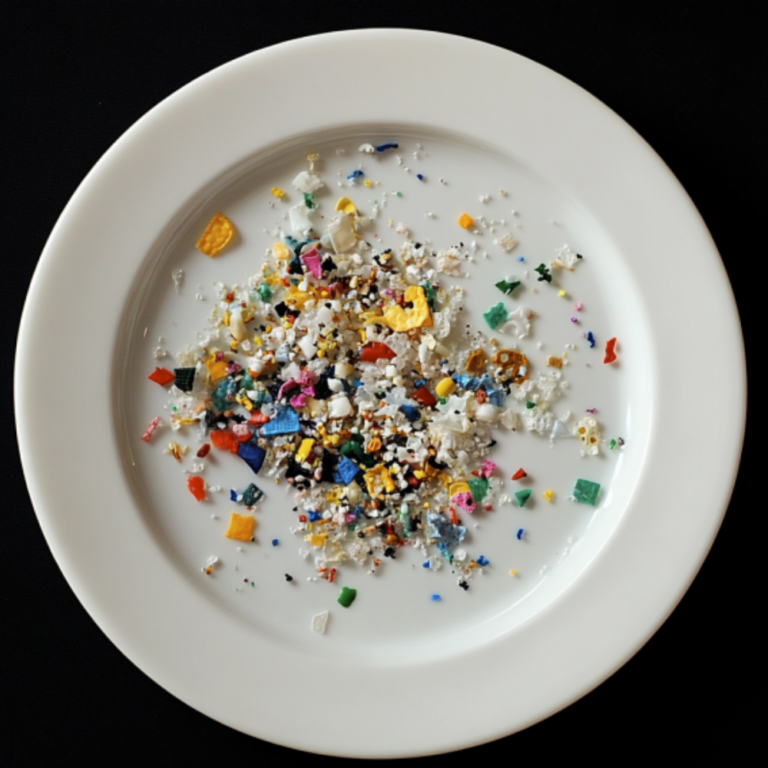
- Many commercial tea bags release billions of microplastic particles when steeped in boiling water.
- Watch out for materials like polypropylene, nylon, and PLA — they can shed plastics or fail to compost at home.
- Loose-leaf tea or certified plastic-free bags made from cotton or uncoated paper offer a cleaner, safer brew.
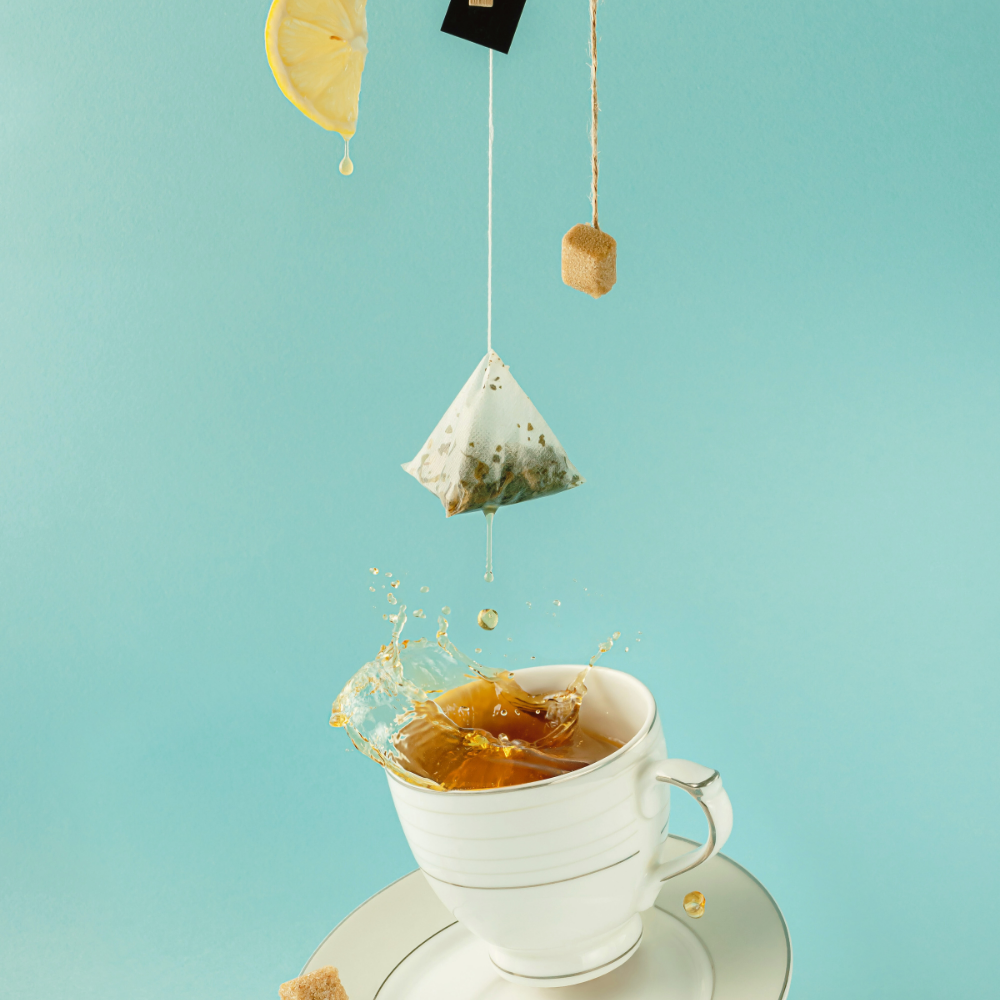
Plastic-free tea bags should be easy to spot on the shelf. They aren’t. A 2024 study in Chemosphere found that a single conventional tea bag can release billions of micro- and nanoplastic particles into one cup of boiling water. The materials shedding are hidden inside boxes that often advertise themselves as “natural,” “plant-based,” or even “plastic-free.” Genuinely safe picks are simple: loose-leaf tea, or bags made from abaca, hemp, cotton, or unbleached paper with no polypropylene heat seal. You’ve probably picked up a box that promised cleaner brewing and figured the math was done. It often isn’t. Many popular tea brands still rely on PLA bioplastic, which is technically a plastic that sheds particles in hot water, even though the marketing leans hard on the corn. We dug into the brew-path materials for the most-shopped brands, called out the ones that don’t pass an audit, and built a short list of plastic-free tea bags that actually do.
Why Plastic-Free Tea Bags Matter
Plastic-free tea bags cut a daily microplastic exposure from your kitchen by removing the polypropylene seals, nylon mesh, and PET pyramids that shed billions of particles when boiling water hits the bag.
Tea is one of those small rituals you don’t really question. You boil water, drop in a bag, let the steam do its thing. The catch is that most people never check what the bag itself is made of, and the bag is doing a lot more than holding leaves.
What’s actually in your cup
The 2024 Chemosphere study, as mentioned in the intro, tested the most common tea bag materials. Polypropylene, the glue most paper bags use to seal their edges, was the worst offender by a wide margin. A single cup releases about a billion plastic particles. Nylon and cellulose-blend bags shed less, but still in the millions. And those particles were small enough to slip into the cells lining your gut in lab tests, meaning they don’t just pass through and out the other side. Lab evidence doesn’t always translate cleanly to human harm, and the research is still catching up. Early studies link microplastic exposure to inflammation, hormone disruption, and other low-grade body stress. None of that is settled science yet. What is clear is that a daily cup of bagged tea is one of the bigger microplastic exposures most people have day to day, and one of the easier ones to swap out.
The environmental side
Even setting health aside, plastic in tea bags is a slow pollution problem. Most plastic-sealed bags don’t fully break down in home compost or in a landfill. They just fragment into smaller and smaller pieces that build up in soil and water. Soil studies have shown that those fragments (PLA bioplastic ones included) can mess with earthworms and the tiny life that makes compost work in the first place, even when the bag is labeled biodegradable. Bags made from cotton, abaca, or unbleached paper compost cleanly. Marketing copy aside, that’s the test that matters. Don’t Miss: Biodegradable vs. Compostable — What’s the Real Difference? Confused by all the green labels? Learn how biodegradable and compostable materials actually differ and why it matters when choosing sustainable products. Read more →
How Plastic Sneaks Into Your Tea Bag
Most plastic in tea bags comes from polypropylene heat seals, nylon or PET mesh pyramids, and PLA bioplastic that markets itself as plant-based but is still a thermoplastic that sheds particles in hot water.
Walk down the tea aisle, and almost every box looks the same. Paper, leaves, and an earthy logo. The plastic, when it’s there, is almost never on the label. It’s in the seal, the mesh, or a “plant-based” pyramid that took the marketing team longer to name than the engineers took to design.
Materials hiding in the bag
Four materials cover most of the plastic in tea bags:
- Polypropylene (PP). The plastic glue is used to seal the paper bag’s edges. Invisible in the seam, but it’s what dissolves first when boiling water hits the bag.
- Nylon. The “silky sachet” or pyramid mesh is in fancier brands. Holds its shape beautifully, sheds plastic in hot water.
- PET. Those glossy pyramid mesh bags. Heat-resistant but still plastic.
- PLA. Marketed as “plant-based” because it’s made from corn or sugarcane starch. The catch: it’s still a plastic, just one with a plant origin instead of crude oil. It only breaks down in industrial composting at 140°F or above, not your backyard pile.
Misleading marketing terms
The labels designed to make you feel good are often the trickiest. “Silky sachet,” “mesh pyramid,” and “premium pouches” almost always indicate nylon or PET. “Plant-based” almost always means PLA. “Biodegradable” is the squishiest of all. It just means a material will eventually break down, somewhere, somehow, in some unspecified conditions, with no required timeline. A good rule: if a brand can’t tell you in one sentence what the bag is made of and which compost format it needs, treat the claim as marketing rather than fact.
Certifications to look for
Three certifications mean something when it comes to plastic-free tea bags:
- Plastic Free Trust Mark from A Plastic Planet. The strictest plastic-related claim available, though, as we’ll get to in the next section, it still allows certain bioplastics that some sustainability groups would reject.
- Home compostable certifications: TÜV Austria OK Compost HOME, AS 5810 (Australia), and NF T 51800 (France). These mean a bag actually breaks down in a backyard pile.
- Industrial compostable certifications, such as BPI and TÜV OK Compost INDUSTRIAL. Useful for municipal compost programs, not for home composters.
A few extras worth a glance. Organic logos like USDA Organic, Soil Association, and EcoCert tell you about the leaves, not the bag itself. On paper bag claims, “TCF” (totally chlorine-free) or “PCF” (processed chlorine-free) means the paper wasn’t bleached with chlorine. And if you see “NatureFlex” on an outer wrapper, that’s a film made from wood pulp instead of plastic, which is a clean swap for plastic overwrap.
How to spot a plastic-free tea bag in the store
A plastic-free tea bag will name its material on the box, carry a third-party certification rather than just a self-claim, and pass a quick seam-tear test.
Five-second test in the tea aisle. Three signals on the box:
- The bag material is named explicitly. “Unbleached paper, no plastic seal” or “Manila hemp fiber, stitched closure” is a real claim. “Plant-based” or “biodegradable” without naming the actual material is marketing copy until you’ve checked the brand’s FAQ.
- A third-party certification, not a self-claim. TÜV OK Compost HOME, BPI, the Plastic Free Trust Mark, or AS 5810 are real. “Eco-friendly,” “all natural,” or “green” with no logo behind them are not.
- A tear test at home. Pull apart the seam of a paper-style bag. If it has a stretchy, slightly tacky line along the edge, that’s a polypropylene heat-seal. If the seam comes apart fibrously or you can see clean stitching, the bag is much more likely to be plastic-free.
Shopping online, the brand’s packaging FAQ page is the source of truth. Most reputable plastic-free brands list the bag material, seal material, and wrapper material on the same page. A brand that won’t answer a direct customer-service email about bag materials is telling you the answer. For reusable cotton bags, the cert to look for is GOTS (Global Organic Textile Standard). That’s the strongest indicator that the cotton isn’t blended with synthetic fibers or treated with plastic-based finishing chemicals. Learn More: Microplastics — What Are Microplastics? The Tiny Pollutants With a Big Impact Learn what microplastics really are, where they come from, and how to lower your exposure in everyday products. Read more →
9 Plastic Free Tea Bag Brands That Pass the Audit
The plastic free tea bag brands that pass a brew-path audit use Manila hemp, abaca fiber, unbleached paper, or organic cotton, with no plastic in the bag itself, the seal, or the inner wrapper.
These are the brands that hold up when you check the materials, not the label. None of them relies on PLA in the bag. All disclose their bag and seal materials clearly. Affiliate disclosure: some links below are affiliate links, which support Thriving Sustainably at no extra cost to you.
Hand-blended loose-leaf in plastic-free pouches
$15 starting price
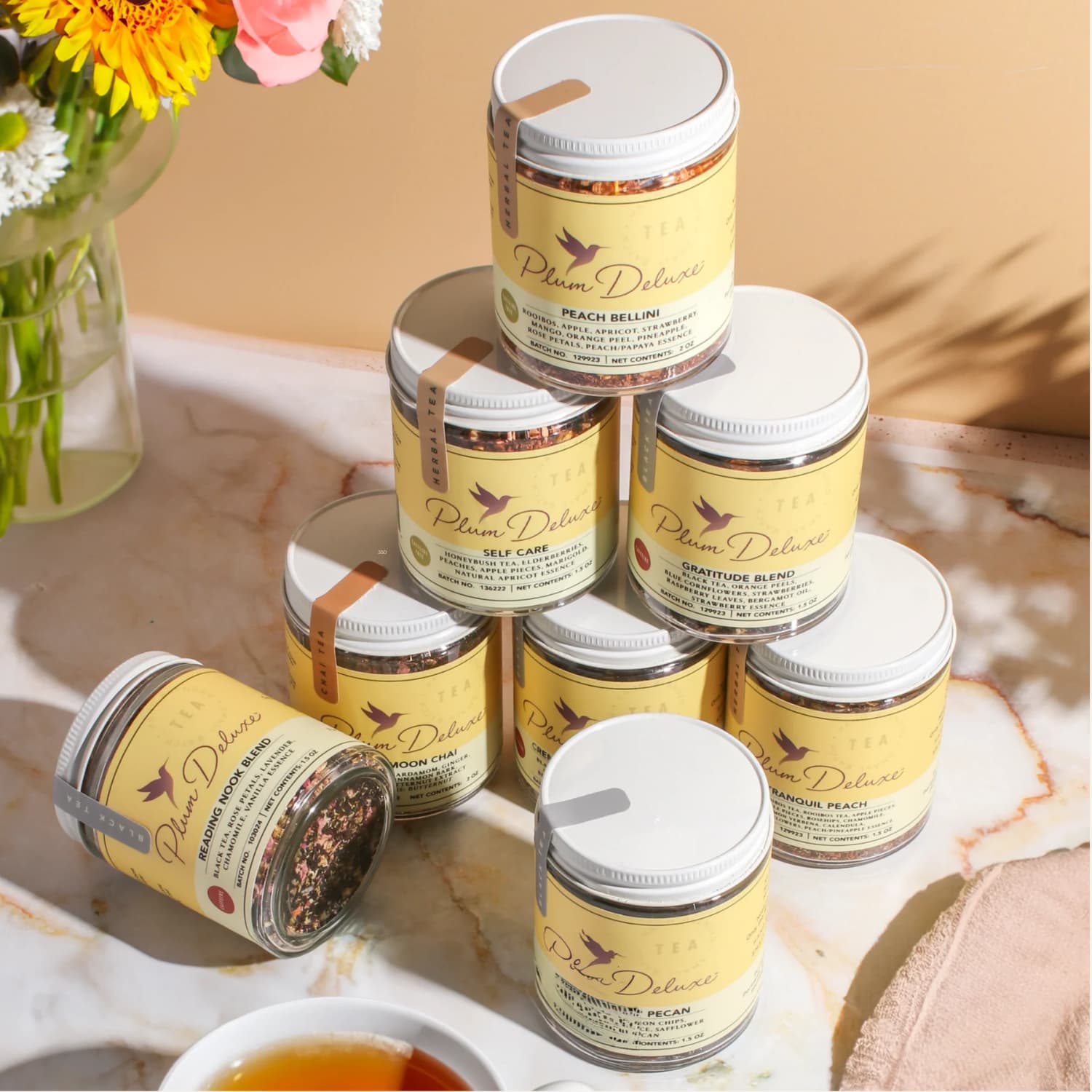
Plum Deluxe is a small-batch loose-leaf tea brand known for its hand-blended flavor profiles. Loose-leaf skips the tea bag question entirely, so there’s no polypropylene seal and no PLA to worry about. The featured Creme Brulee Earl Grey pairs a strong Earl Grey base with jasmine and vanilla, and it’s one of the most-loved blends in their lineup.
Plum Deluxe ships in resealable plastic-free pouches and runs as a small US-based business with a popular tea-of-the-month subscription. Pair with the Plum Deluxe Celestial Mesh Infuser below for a complete plastic-free brewing setup.
This is one of my current favorites. The Creme Brulee Earl Grey feels like a little treat without the calories, with the Earl Grey base coming through strong without going over the top. I’ve also tried the Porch Sippin’ Pecan, a black tea with cinnamon and a caramel-pecan finish that’s unlike anything else I’ve had. The price runs a little higher, but for flavor like this, it’s worth it.
Tea Format
Loose-Leaf Whole Tea
✓ Plastic FreePouch
Plastic-Free Resealable
✓ Plastic FreeLabels
FSC Paper
✓ Plastic FreeTin (Option)
Reusable Steel
✓ Plastic FreePros
- Distinctive hand-blended flavor profiles, especially Creme Brulee Earl Grey
- Loose-leaf format skips the bag-material question entirely
- Small US-based business with a tea-of-the-month subscription
Cons
- Higher price point than grocery-store loose-leaf
- Requires an infuser or filter to brew (sold separately)
- Packaging format varies by SKU and order size
Plum Deluxe’s hand-blended loose-leaf teas are some of the most distinctive flavors in the plastic-free tea world. One of the best plastic-free tea options you can buy if flavor is the priority.
Pressed tea morsels that dissolve in hot water, no bag at all
$20 starting price
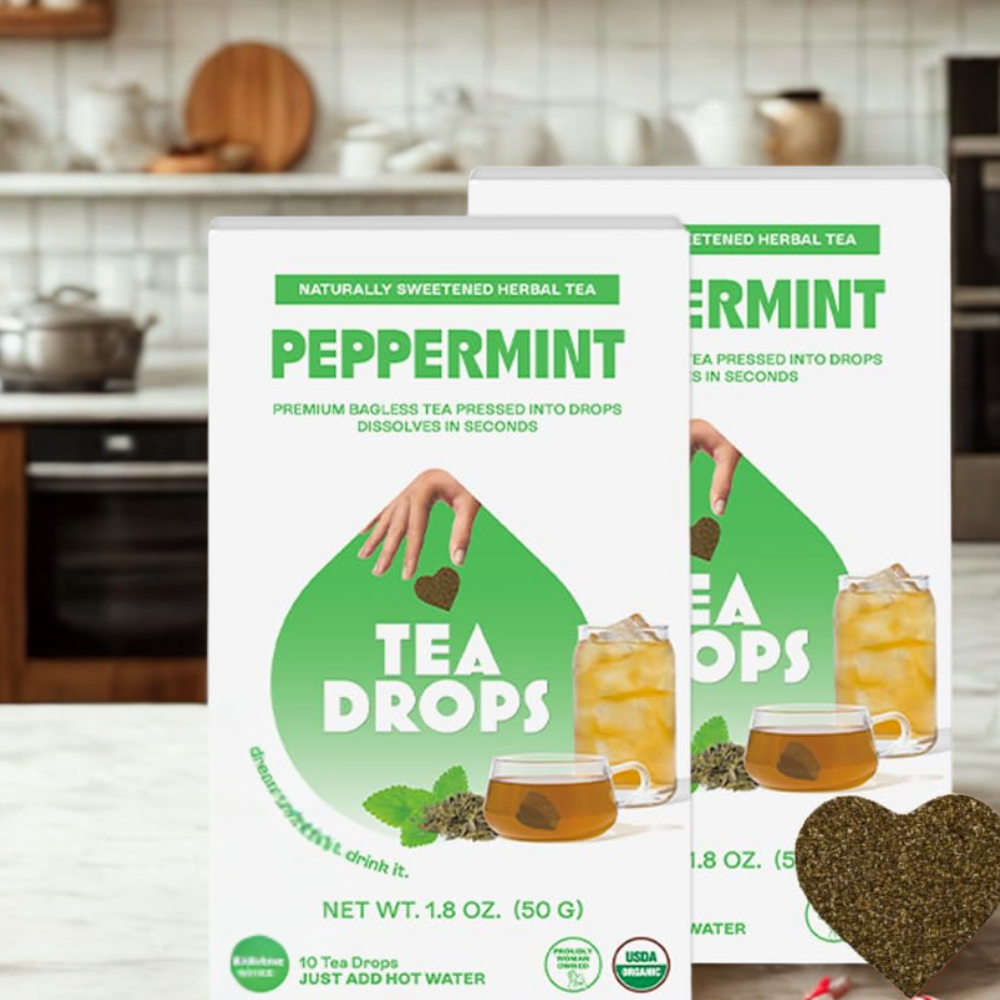
Tea Drops takes a different approach: pressed tea morsels that dissolve directly in hot water, with no tea bag at all. Each drop is wrapped in compostable plant-based cellulose, packed in recyclable cardboard, and uses USDA Organic plus (on select blends) Fair Trade Certified ingredients.
Because the morsel dissolves, there’s nothing to compost, nothing to throw away, and no plastic anywhere in the brewing path. A small amount of finely ground tea sediment settles at the bottom of the cup as the drop dissolves, which is part of the format.
I picked up the sampler and have been slowly working through the flavors. They’re delicious and a little sweet. The one thing to know going in: there’s always a small layer of tea sediment at the bottom of the cup. It doesn’t bother me, but it might bug some people.
Tea
Pressed Tea Morsel
✓ Plastic FreeWrapper
Compostable Cellulose
✓ Plastic FreeBox
Recyclable Cardboard
✓ Plastic FreeTin (Some SKUs)
Reusable Steel
✓ Plastic FreePros
- No bag at all, the tea dissolves directly in your cup
- Compostable cellulose wrappers, no plastic film
- Certified Woman-Owned and USDA Organic on most blends
Cons
- Small layer of tea sediment settles at the bottom of the cup
- Higher per-cup cost than loose-leaf or bagged tea
- Sweetened by default, not for unsweetened-only drinkers
A dissolvable tea pressing wrapped in compostable cellulose, perfect for travel or office mugs where loose-leaf isn’t practical. The most travel-friendly plastic-free tea you can buy.
100% organic, first to ditch polypropylene seals
$6 starting price
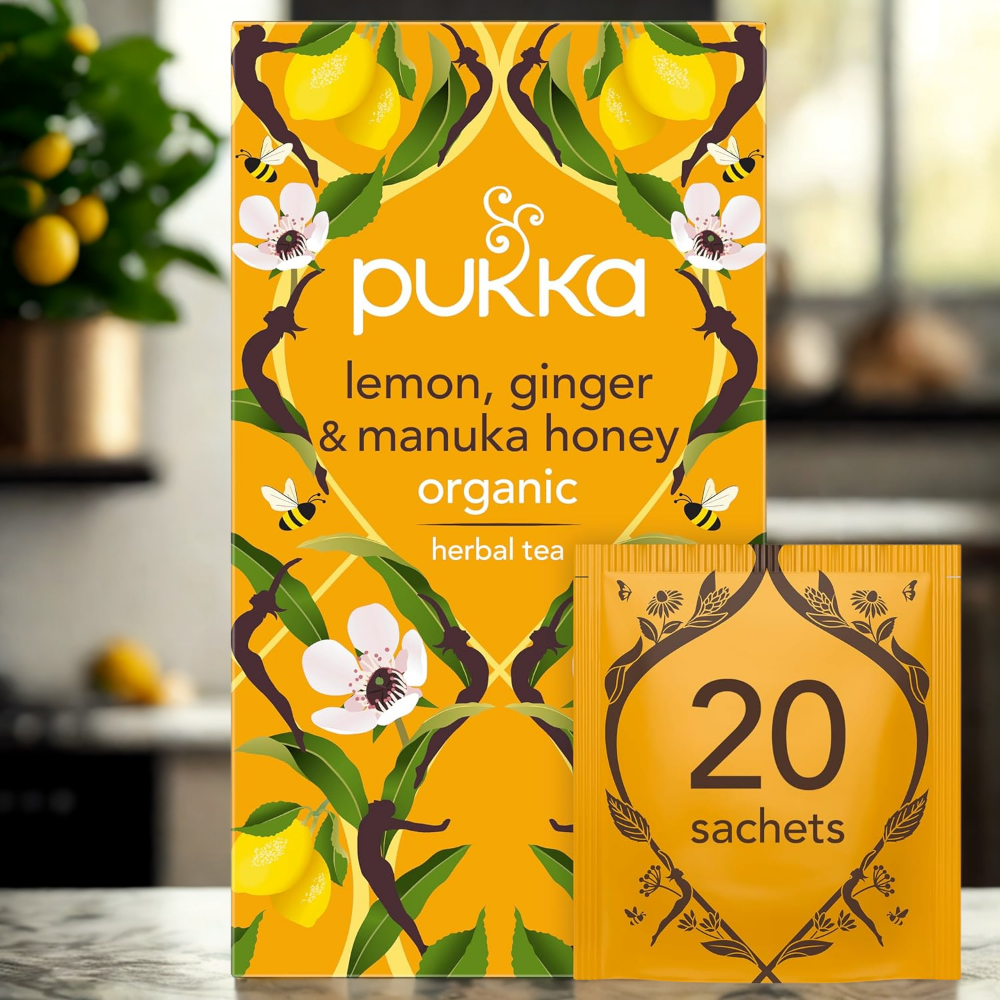
Pukka was the first major tea brand to eliminate polypropylene from their tea bags entirely. Instead of plastic heat-seals, the bags are folded and stitched with organic non-GMO cotton string. The bag itself is a blend of abaca fiber, wood pulp, and plant cellulose, and the whole thing is certified home compostable under UK standards.
Pukka’s tea is fully organic, sourced through Fair for Life and FSC certifications, and the outer wrap is FSC paper with a vegetable-based laminate. Their flavor blends, especially the chamomile-vanilla and turmeric-ginger lines, are some of the best in the herbal tea space.
I loved the Chamomile, Vanilla & Manuka Honey. I drink chamomile most nights, and the vanilla and honey notes turn it into a real treat instead of just a sleepy-time tea. The bag itself is one of the cleanest brew paths on this list.
Bag
Abaca + Wood Pulp + Cellulose
✓ Plastic FreeClosure
Organic Cotton Stitching
✓ Plastic FreeString
Organic Cotton
✓ Plastic FreeWrapper
FSC Paper + Plant Laminate
✓ Plastic FreePros
- First major tea brand to eliminate polypropylene heat-seals
- Bag, string, and herbs are home compostable in your backyard pile
- Fully organic supply chain with Fair for Life and FSC certifications
Cons
- Outer wrapper is recyclable but not home compostable
- Pricier than mainstream grocery brands
- Availability varies by region in the US
Pukka’s bag-and-stitch system was the original answer to polypropylene in tea bags, and it still holds up today. A historical leader with a brew path that backs up the brand.
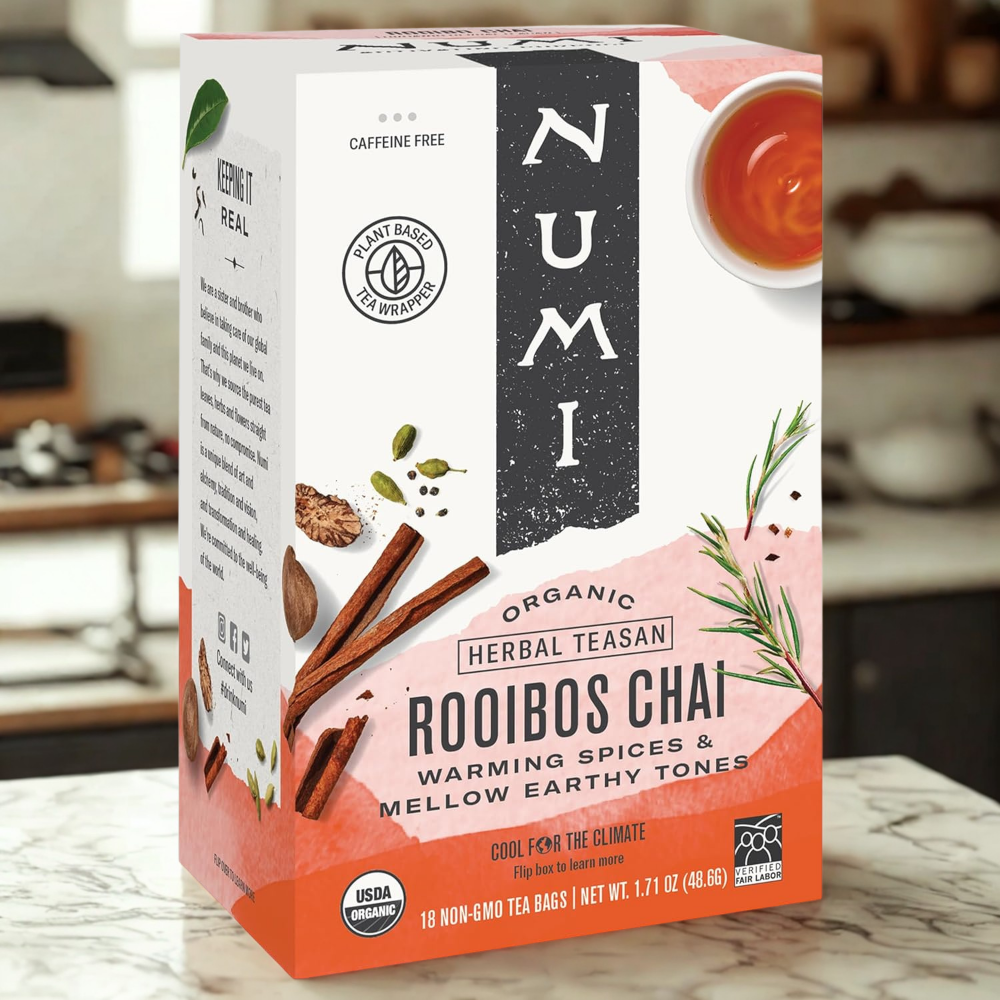
Manila hemp bags, BPI-certified compostable wrappers
$6 starting price
Numi uses unbleached Manila hemp fiber for their tea bags, with no polypropylene heat-seal anywhere in the bag construction. The wrappers around each bag are BPI-certified industrial compostable and made from plant-based materials, not foil-plastic laminate.
Numi was a founding member of the B Corp movement in 2006 and is one of the only mainstream tea brands certified Climate Neutral. Their tea is USDA Organic and Fair Trade Certified, and they publish their full supply-chain transparency on the bottom of every box.
I tried the Jasmine Green and it’s a light, mellow brew. Not a super-bold flavor, but a solid pick for the price if you want a clean, everyday green tea.
Bag
Unbleached Manila Hemp
✓ Plastic FreeClosure
Heat-Fused Fiber (No PP)
✓ Plastic FreeWrapper
BPI Compostable Plant-Based
✓ Plastic FreeBox
FSC Recycled Cardboard
✓ Plastic FreePros
- Manila hemp bag with no polypropylene heat-seal anywhere
- BPI-certified plant-based wrappers, not foil-plastic
- B Corp founding member with full supply-chain transparency
Cons
- Wrappers are industrial compostable, not home compostable
- Some flavor profiles can taste lighter than premium brands
- Grocery aisle availability varies by region
Numi’s Manila hemp bags and plant-based wrappers are one of the cleanest brew paths you can buy in a mainstream grocery aisle. An accessible everyday plastic-free option that’s hard to beat for the price.
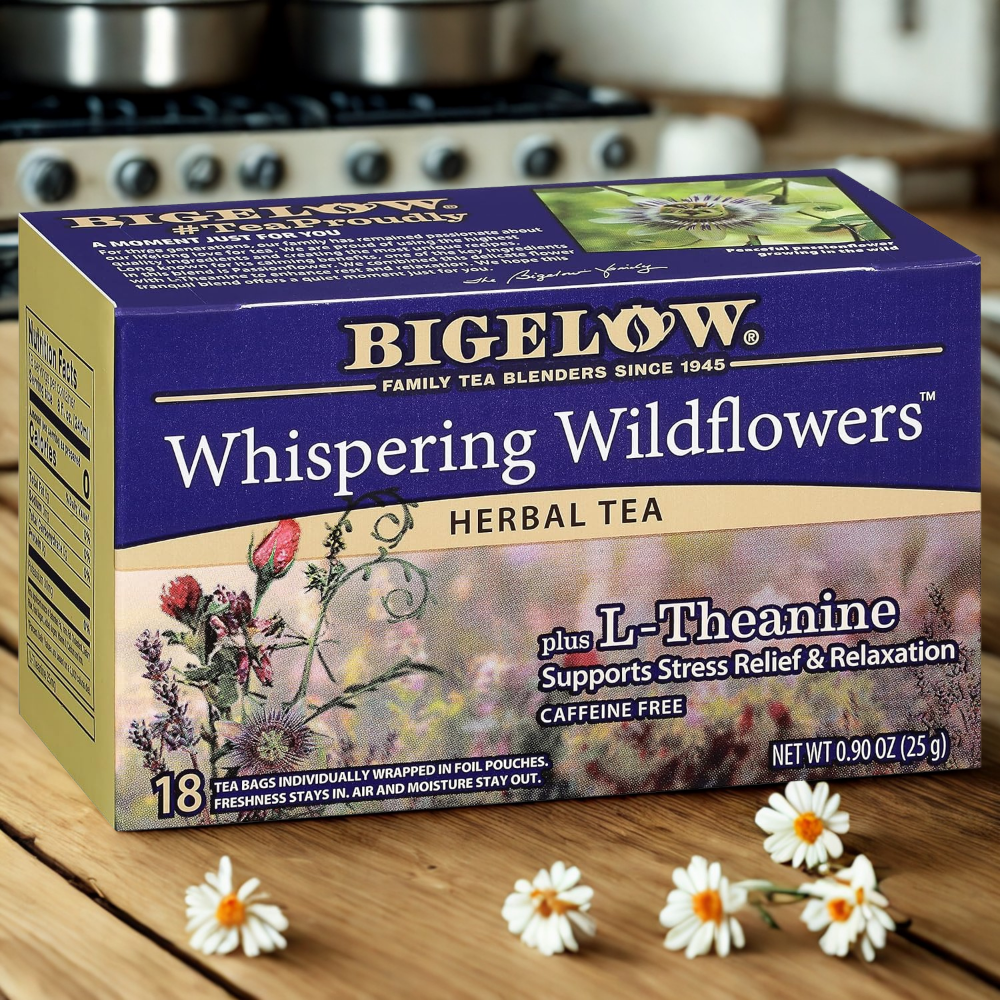
Wood pulp and abaca fiber bags, mainstream-grocery friendly
$17 starting price
Bigelow makes its tea bags from a blend of wood pulp and abaca (banana) fiber, with no plastic mesh and no polypropylene heat-seal in the bag itself. The brand publicly states their tea bags are free from plastic materials and they have committed to plastic-free packaging on their consumer FAQ.
Bigelow has been a family-owned American business since 1945, and the original Constant Comment blend is still in production. For shoppers who want a verified plastic-free tea bag at standard grocery-store prices, Bigelow is one of the most accessible options on this list.
Bag
Wood Pulp + Abaca Fiber
✓ Plastic FreeClosure
Plastic-Free Seal
✓ Plastic FreeString
Cotton + Paper Tag
✓ Plastic FreeBox
Recyclable Cardboard
✓ Plastic FreePros
- Most widely available plastic-free option at US grocery stores
- Wood pulp and abaca fiber bag with no plastic mesh
- Family-owned American company with 80 years of history
Cons
- Verify each line, some specialty bags may differ
- Mainstream blends taste less distinctive than artisan brands
- Less transparent about specific certifications than smaller brands
Mainstream availability with a wood pulp and abaca bag and a Bigelow-stated plastic-free commitment. The most widely available plastic-free tea bag you can buy at a regular grocery store.
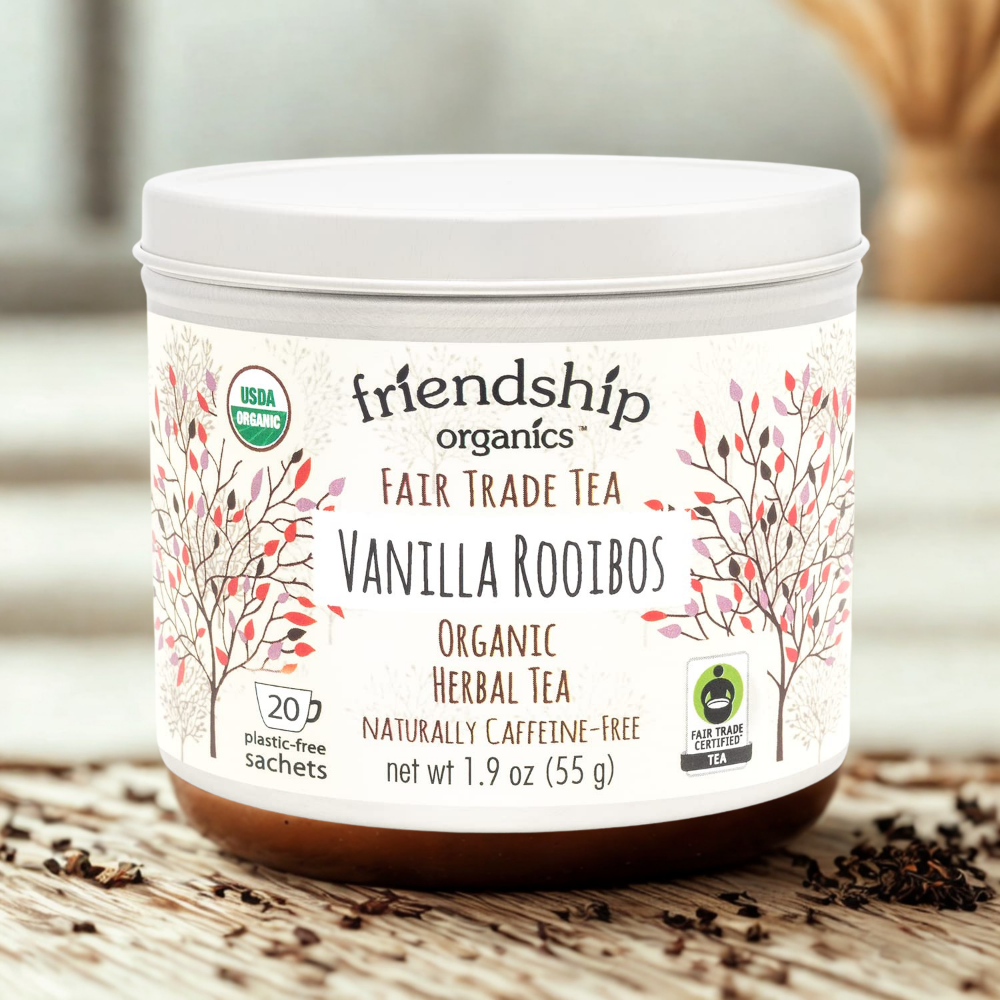
Abacá fiber bags, reusable steel tin, solar-powered US facility
$12 starting price
Friendship Organics packages 22 abacá fiber tea bags in a reusable steel tin with a plant-based cellophane inner pouch. No plastic in the bag, no plastic in the wrapper, no plastic in the storage. The tin is built to be refilled and reused for years.
Friendship’s teas are USDA Organic, OU Kosher, and Certified Gluten-Free. The blending and packaging happens in a solar-powered US facility, with supply chains traced back to organic farms. A premium plastic-free option for tea drinkers who want presentation along with the brew path.
Bag
Natural Abacá Fiber
✓ Plastic FreeClosure
Plastic-Free Seal
✓ Plastic FreeInner Pouch
Plant-Based Cellophane
✓ Plastic FreeTin
Reusable Steel
✓ Plastic FreePros
- Abacá fiber bag with no plastic anywhere in the unit
- Reusable steel tin extends the life of the packaging
- Solar-powered US blending and packaging facility
Cons
- Higher price point than mainstream grocery options
- Limited flavor variety compared to bigger brands
- Tin format takes more shelf space than cartons
Reusable steel tin, plant-based cellophane wrapper, and abacá fiber bag, all assembled in a solar-powered US facility. The premium pick for tea drinkers who want presentation along with the brew path.
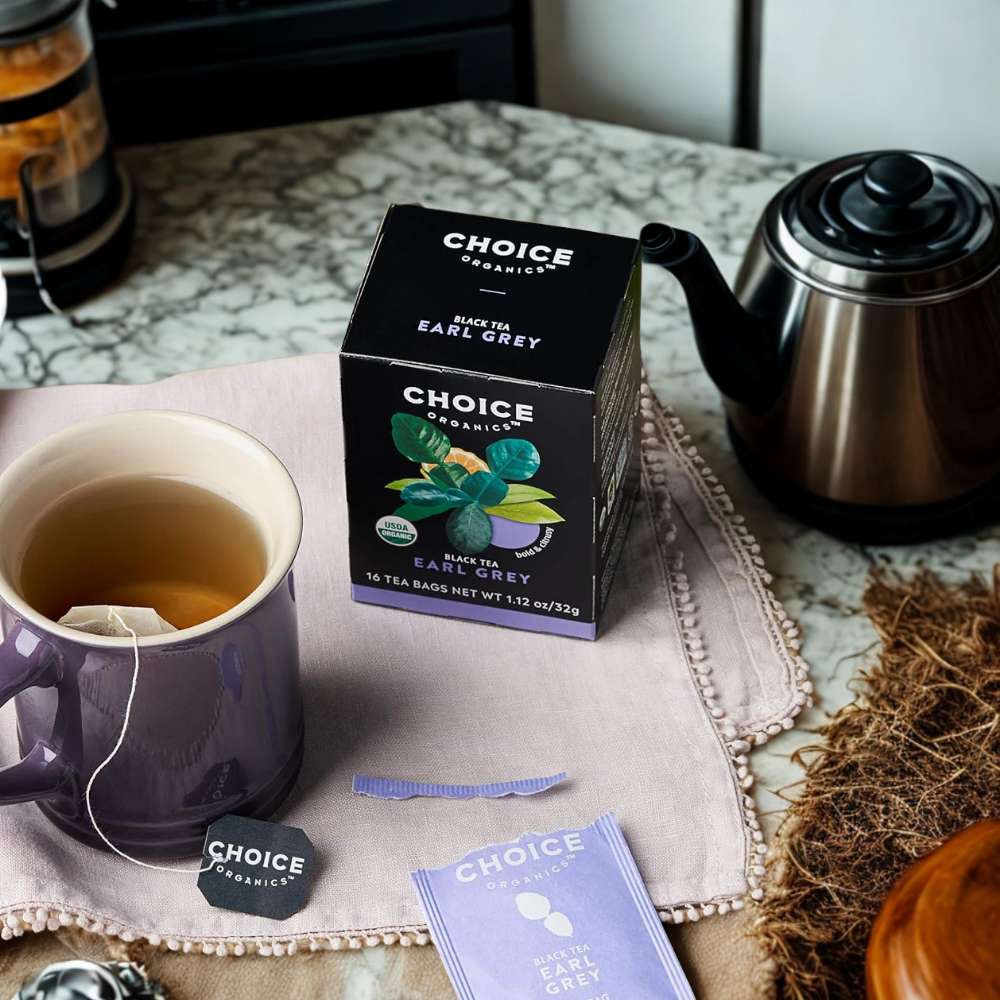
Natural-fiber bags with no glue, plastic, or bleach
$13 starting price
Choice Organics is owned by Traditional Medicinals, which means the supply-chain ethics run deeper than the average grocery brand. The bags are made from natural fibers and are completely free from plastic, bleach, and glue. Cartons use 100% recycled paperboard with vegetable-based inks.
Beyond the materials, Choice carries USDA Organic, Fair Trade Certified, Non-GMO Project Verified, and Rainforest Alliance certifications on most blends. The Traditional Medicinals Foundation supports regenerative agriculture and farmer livelihoods through Choice’s parent operation, so each box has a story behind the sourcing.
I tried the Japanese Green and it wasn’t my cup of tea, pun absolutely intended. For the price, the flavor didn’t earn it for me. That said, the bag itself is one of the cleanest on the list, so the value sits in the brew path more than the taste.
Bag
Natural Plant Fibers
✓ Plastic FreeClosure
Stitched (No Glue)
✓ Plastic FreeBleaching
Chlorine-Free
✓ Plastic FreeBox
100% Recycled Paperboard
✓ Plastic FreePros
- Natural fiber bag with no plastic, bleach, or glue
- Owned by Traditional Medicinals (deep supply-chain ethics)
- Fair Trade Certified plus Rainforest Alliance on most blends
Cons
- Bags are industrial compostable only, not home compostable
- Flavor profiles lean more medicinal than indulgent
- Slightly less common in mainstream grocery aisles
Owned by Traditional Medicinals, so the supply-chain ethics run deeper than the average grocery brand. The bag has no plastic, bleach, or glue. A values-aligned plastic-free pick with one of the strongest fair-trade stories on this list.
Want the receipts on these brands? Every tea and drink product we’ve vetted is scored 1–10 on plastic in our Plastic Footprint Directory — compare them side by side.
Mostly Plastic-Free Tea Bag Brands
Several popular tea brands marketed as plastic-free or plant-based still use PLA bioplastic in their bags, and PLA is a thermoplastic that sheds nano and microplastics in hot water, even when the marketing says otherwise.
Three brands keep showing up on “best plastic-free tea bags” lists across the internet that, by a stricter brew-path audit, don’t quite earn the label. Each one fails the test in a different way, which is what makes them worth looking at side by side.
Third-generation Yorkshire family business, honest about its PLA seal
$10 starting price
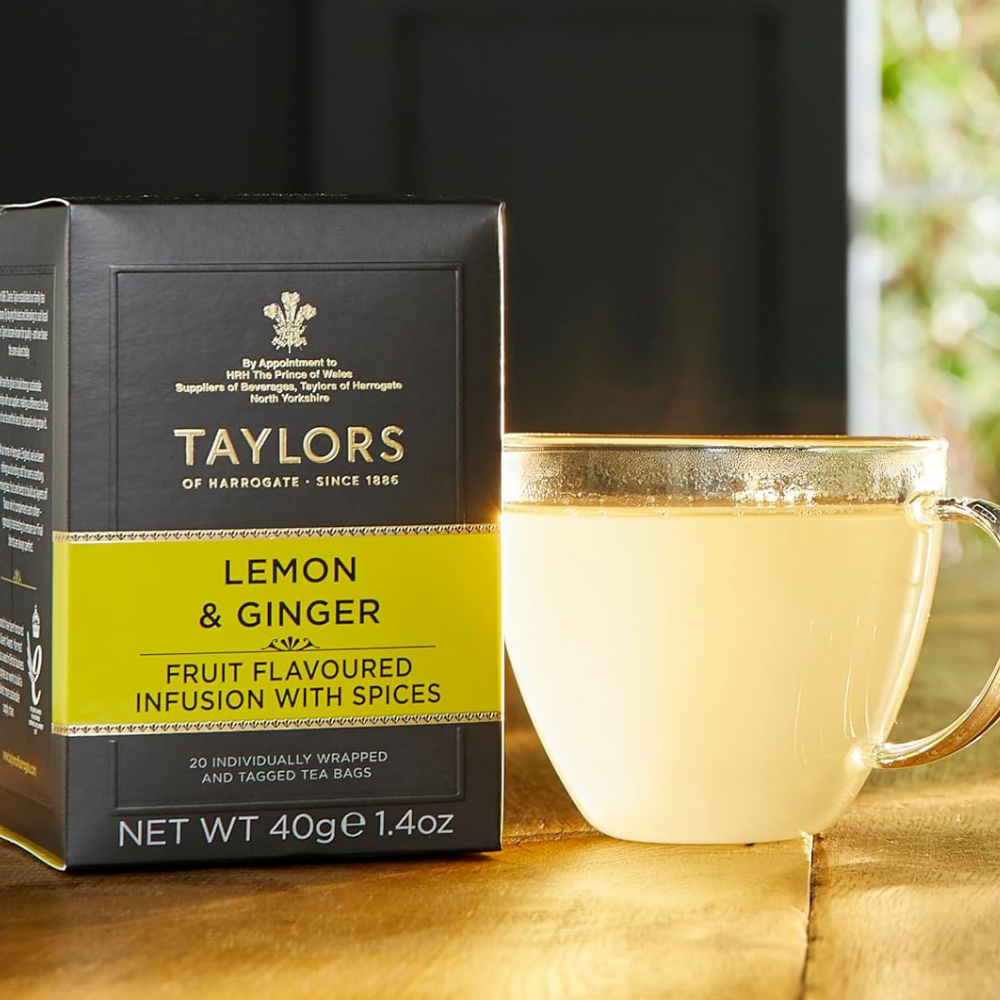
Taylors of Harrogate is a third-generation Yorkshire family business founded in 1886, with Yorkshire Tea as their flagship line since 1977. They switched from oil-based plastic to PLA seals in 2021 and are upfront about it. On their packaging FAQ they explicitly do not use the words “plastic-free,” and they reference WRAP, the UK Plastics Pact group, which advises against calling plant-based plastics “plastic-free” because plant-based plastics are still plastics.
If you have to pick one PLA brand to keep buying because of the transparency, this is it. But the brew path is still a thermoplastic seal, and the bags are industrial compostable only, not home compostable.
I drink the Yorkshire Tea Lemon Ginger from Taylors and it has a strong lemon flavor that’s delicious with honey. It’s one of my reach-for-it everyday teas, even though the bag itself uses a PLA seal.
Bag
Plant Fibers
✓ Plastic FreeSeal
PLA Bioplastic
⚠ Hot Water ContactCompost
Industrial Only
✓ Plastic FreeBox
Recyclable Cardboard
✓ Plastic FreePros
- The only PLA brand that explicitly tells you it isn’t plastic-free
- Cites WRAP and UK Plastics Pact in their packaging FAQ
- Industrial compostable through council programs
Cons
- PLA seal still sheds plastic particles when boiling water hits it
- Not home compostable, needs industrial facilities
- Despite the transparency, the brew path is still plastic
A flavorful family-business brand that’s the most honest about its PLA, but the brew path is still a thermoplastic. Pick this one if you want flavor over a fully plastic-free brew.
PLA bioplastic in the bag, marketed as “fully plastic-free”
$8 starting price
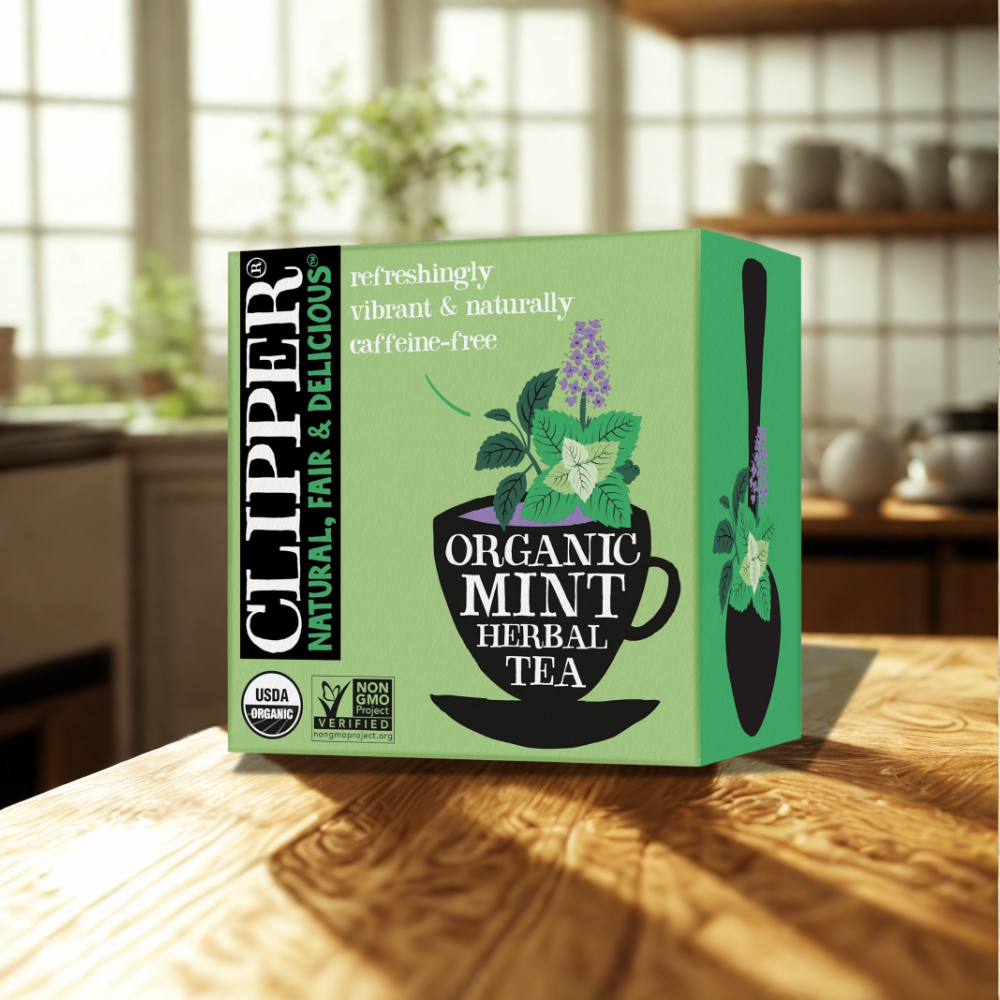
Clipper’s tea bag paper is a blend of wood pulp, abaca, and PLA. Clipper markets this as “fully plastic-free” on their packaging and FAQ. Their certifications are real but they back the compostable claim, not the plastic-free claim: Soil Association (organic), TÜV Austria OK Compost INDUSTRIAL (industrial compost), and FSC for the boxes. None of those certify the bag as plastic-free.
So you have a brand using PLA bioplastic in its bags while telling customers the bags are “fully plastic-free.” The compostable framing is accurate. The plastic-free framing isn’t, regardless of how the marketing reads.
I tried the Organic Mint Herbal Tea and enjoyed it. I add it to a cup with fresh mint and ginger for an extra layer of flavor.
Bag
Wood Pulp + Abaca + PLA
⚠ Hot Water ContactSeal
PLA-Fused
⚠ Hot Water ContactCompost
Industrial Only
✓ Plastic FreeBox
FSC Cardboard
✓ Plastic FreePros
- Fair Trade and Soil Association organic certified
- Minimal packaging, often without individual overwraps
- TÜV OK Compost INDUSTRIAL certified for the bag
Cons
- Markets as “fully plastic-free” despite PLA bioplastic in the bag
- PLA in the bag blend still sheds particles in hot water
- Not home compostable, needs industrial facilities
Real organic and Fair Trade credentials, but the bag uses PLA bioplastic while marketing as “fully plastic-free.” The compostable claim is accurate. The plastic-free claim isn’t.
Holds the Plastic Free Trust Mark but uses PLA in the tea temples
$10 starting price
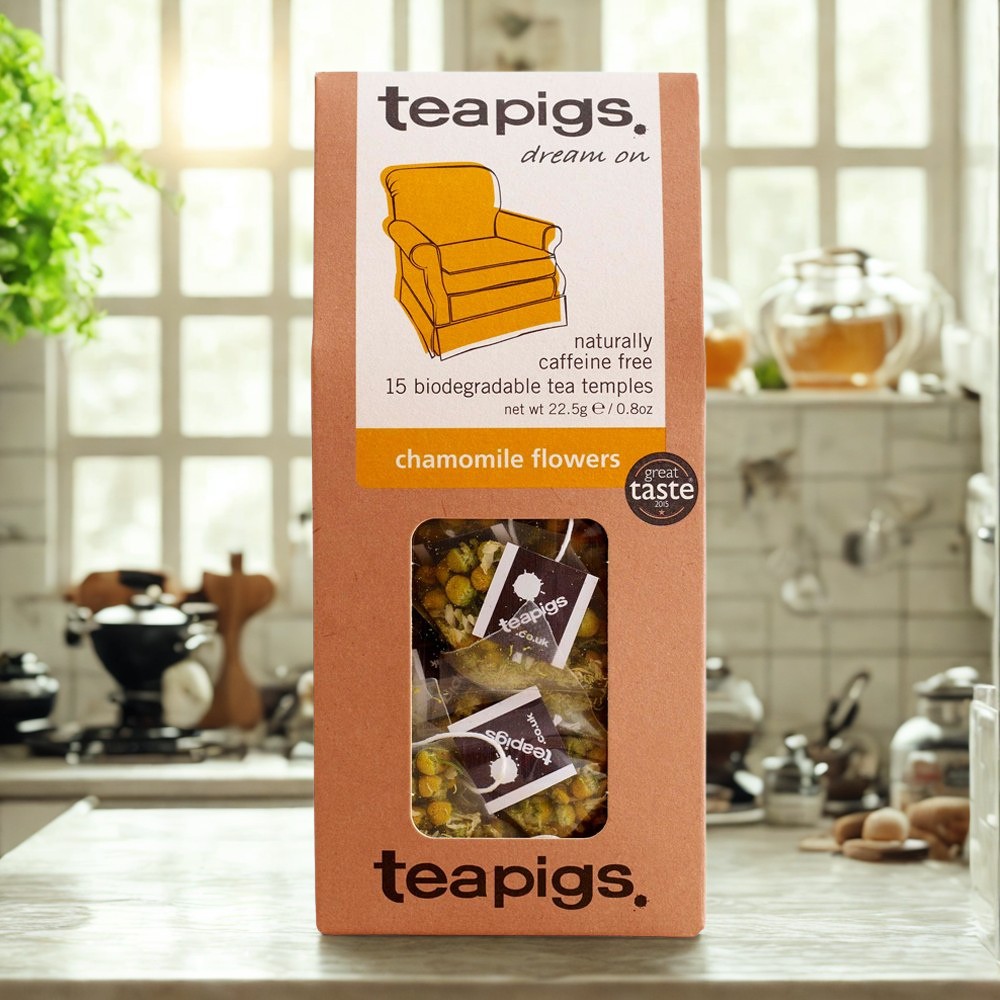
Teapigs holds a real third-party certification, the Plastic Free Trust Mark from A Plastic Planet, and they were the first tea brand to earn it. But their tea temples are made from Soilon, which is PLA. The Trust Mark’s rules let some bio-based plastics through, PLA included. The microplastics research community (the 2024 Chemosphere study, the 2019 McGill paper, the UK Plastics Pact group WRAP) does not.
This is the case study that matters most if you actually want to lower your microplastic exposure. A real certification can still leave you with PLA in your cup. It doesn’t make Teapigs villains, it just means the badge alone isn’t enough. Check the materials, not the marketing.
The Chamomile Flowers is one of my favorite plain chamomile teas, and I love that the bag has whole flowers rather than ground petals. It’s a noticeable step up in quality, even with the PLA tea temple.
Tea Temple
Soilon (PLA)
⚠ Hot Water ContactString
Cotton Tag
✓ Plastic FreeWrapper
Wood Pulp Home Compostable
✓ Plastic FreeBox
FSC Paper
✓ Plastic FreePros
- First tea brand to earn the Plastic Free Trust Mark
- Home-compostable wrappers and FSC paper outer box
- B Corp certified with strong whole-leaf flavor profiles
Cons
- Tea temples are Soilon (PLA), which still sheds particles in hot water
- The Trust Mark certifies the brand but doesn’t address PLA shedding
- Industrial composting only for the bag itself
A real third-party certification still leaves you with PLA in your cup. The case study for why a Plastic Free Trust Mark alone isn’t the same as a fully plastic-free brew path.
Plastic-Free Tea Brewing Accessories
A stainless steel mesh infuser and unbleached paper filters turn any loose-leaf tea into a plastic-free brew, no polypropylene seal or PLA bioplastic involved.
Pair either of these with the loose-leaf teas above for a fully plastic-free brewing setup. One is a reusable steel infuser that lasts years, the other is a single-use unbleached paper filter you fill yourself.
Stainless steel mesh infuser, all metal, no silicone trim
$10 starting price
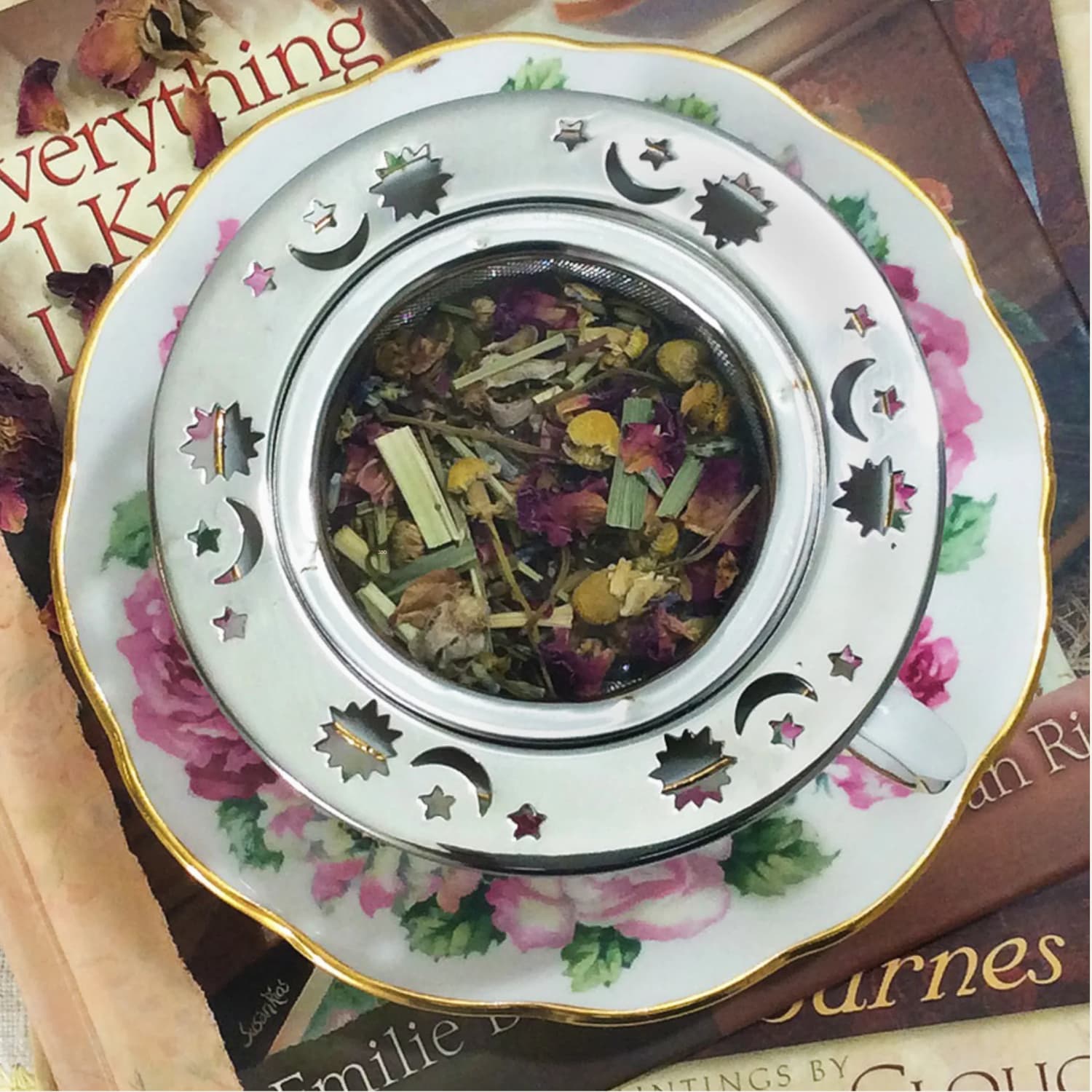
The Plum Deluxe Celestial Mesh Tea Infuser is a fine-mesh stainless steel infuser that turns any loose-leaf tea into a fully plastic-free brew. No silicone trim, no plastic lid, just stainless steel mesh and a stainless chain.
It opens and closes with a simple pinch mechanism, fits inside most standard mugs, and is dishwasher safe. One purchase covers years of plastic-free brewing for any loose-leaf you already love.
Mesh Ball
Stainless Steel
✓ Plastic FreeChain
Stainless Steel
✓ Plastic FreeHook
Stainless Steel
✓ Plastic FreeClosure
Steel Pinch Mechanism
✓ Plastic FreePros
- All stainless steel construction, no silicone trim anywhere
- Dishwasher safe and lasts for years
- Pairs with any loose-leaf tea, not brand-specific
Cons
- Single-serve only, not for larger pots
- Needs a small saucer to rest on between steeps
- Loading the mesh ball can be fiddlier than a spoon-style infuser
One stainless steel mesh ball turns any loose-leaf tea into a fully plastic-free brew. Best paired with the Plum Deluxe blends above, or any loose-leaf you already love.
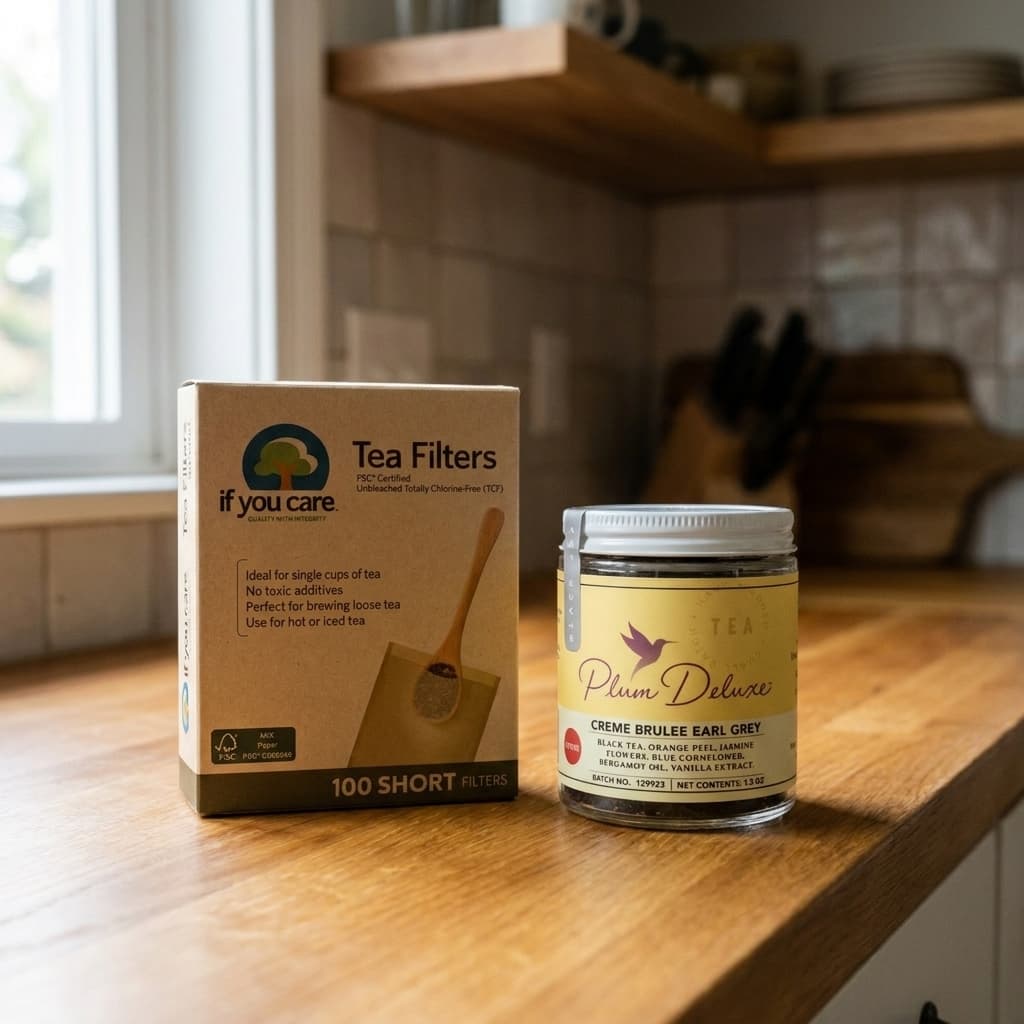
Unbleached paper filters you fill with your own loose-leaf
$7 starting price
If You Care tea filters are empty unbleached paper bags you fill with your favorite loose-leaf tea. The paper is unbleached abaca and wood pulp, processed without chlorine, and the bags use a fold-and-seal design with no glue.
A great travel-friendly compromise between a tea bag and a loose-leaf infuser. Compost the filter and the leaves together, and you don’t have to lug an infuser. The cardboard box is recyclable, no plastic anywhere.
Filter Paper
Unbleached Wood Pulp + Abaca
✓ Plastic FreeBleaching
Totally Chlorine-Free (TCF)
✓ Plastic FreeClosure
Fold-and-Seal (No Glue)
✓ Plastic FreeBox
Recyclable Cardboard
✓ Plastic FreePros
- Empty unbleached paper filters with no plastic anywhere
- Chlorine-free bleaching process (TCF certified)
- Compost the filter and leaves together, no separation needed
Cons
- Single-use, slightly more waste than a reusable infuser
- Requires loose-leaf tea sold separately
- Can tear if overfilled or steeped roughly
Empty unbleached paper filters that turn any loose-leaf tea into a no-plastic, fill-your-own brew. The cheapest way to go plastic-free if you already have favorite loose-leaf teas.
✨ Tip for composting
Corn-based or Plant-based Material
If the packaging says “corn-based mesh” or “plant-based material”, double-check if it’s home compostable. Many of these are still PLA, which acts like plastic unless processed in industrial composting conditions. Look for specific certifications, such as “BPI Certified Home Compostable” or “OK compost HOME,” rather than vague terms. PLA requires temperatures of 140°F or higher to break down conditions that your backyard compost likely can’t maintain.How to Build a Plastic-Free Tea Routine
Building a plastic-free tea routine combines a verified plastic-free tea bag brand or loose-leaf with a stainless steel or ceramic infuser, glass or steel storage, and filtered water for the cleanest possible cup.
A plastic-free tea bag is the easiest single swap. A plastic-free tea routine takes it a few steps further, and most of those steps cost nothing once the swap is made. Every step here also fits into our wider non-toxic living guide for the kitchen.
Choose loose-leaf or a verified bag brand
Loose-leaf is the cleanest option because it sidesteps the bag-material question entirely. If bags are easier for you, stick to the brands on the audit-passes list above. Either path is fine. The trap is the middle ground where you trust a “plant-based” claim that hasn’t been brew-path verified.
Use a stainless steel, ceramic, or glass infuser
Stainless steel, ceramic, and glass infusers are dishwasher-safe, last for years, and don’t shed anything into hot water. Avoid silicone-coated mesh or all-silicone infusers sold by some companies as eco-alternatives. Silicone isn’t a thermoplastic, but at sustained high temperatures, it breaks down faster than steel and isn’t worth the trade-off when steel and glass cost the same.
Store tea in glass or steel, not plastic
Even a verified plastic-free tea bag stored in a plastic-lined zipper bag picks up off-gassing over weeks. Glass jars with a metal lid, ceramic canisters, or steel tea tins keep tea fresh without the plastic-storage contamination question. They also look better on the counter.
Brew with filtered water
This one matters more than people think. Tap water in the US carries some microplastic load depending on the region, and a good carbon block or reverse osmosis filter cuts that load before it ever hits your tea. Filtered water also tastes better, which is the more immediate payoff. Don’t Miss: Microplastics — Health Risks, Sources, and How to Reduce Exposure 👉 Want to understand how microplastics affect the body and the environment? Dive deeper into the latest research and practical ways to lower your exposure. Read more →
FAQs on How to Reduce Microplastics in Tea Bags
Yes. Pyramid- or “silky” style tea bags are often made from nylon or PET (a type of plastic) and may also use polypropylene to seal the edges. These materials can shed microplastic particles when exposed to hot water. Even some paper tea bags have thin plastic coatings or sealants, so the shape alone doesn’t guarantee safety.
Yes. PLA is still a plastic, just one made from corn or sugarcane starch instead of crude oil. That’s why brands market it as “plant-based,” and the part about its origin is true. But the finished material acts like plastic once it hits your cup. It sheds particles in boiling water, and it only breaks down in industrial composting at 140°F or above. WRAP, the UK group behind the Plastics Pact, says it bluntly: plant-based plastics are still plastics.
A little. Heat accelerates particle shedding, so cold-brewing or steeping in cooler water releases fewer particles than boiling water. But it doesn’t eliminate the problem if the bag itself contains plastic. The 2024 Chemosphere study measured shedding even at lower brewing temperatures. The safer fix is the bag material, not the water temperature.
Most are. The “silky” or pyramid sachet shape maintains its structure when wet because it’s usually made of nylon or PET mesh. A small number of brands now use plant-based PLA in pyramid shape, which is still a bioplastic and still sheds particles. If a pyramid bag doesn’t explicitly state “100% plastic-free” and doesn’t have a third-party certification, assume it contains plastic.
Two giveaways. First, pull apart the seam of a paper-style bag. If it has a stretchy, slightly tacky line along the edge, that’s polypropylene. Second, contact the brand. Most reputable plastic-free brands answer this directly on their packaging FAQ or in customer service emails. If a brand dodges the material question, take that as the answer.
The Plastic Free Trust Mark from A Plastic Planet certifies that a product is free of fossil-fuel-derived synthetic plastics such as polypropylene, nylon, and PET. The catch is that its definition allows plant-based polymers like PLA bioplastic, which are chemically thermoplastics, even though they’re made from corn or sugarcane starch. PLA still sheds nano and microplastic particles in hot water and won’t break down in your home compost.
The microplastics research community (including WRAP, the UK Plastics Pact body, and most peer-reviewed studies) treats PLA as a plastic. The Trust Mark uses a source-based definition (no fossil-fuel plastic) while the science uses a properties-based definition (no particle-shedding polymer). So a tea brand can carry the Trust Mark even though its bags still release PLA particles when steeped. Check the bag materials, not just the badge.
Final Thoughts About How to Reduce Microplastics in Tea Bags
It’s easy to think that something as simple as brewing a cup of tea wouldn’t have much impact, but small choices, like skipping plastic tea bags, really do matter. Choosing plastic-free options protects what’s in your cup, reduces unnecessary microplastic exposure, and supports a cleaner planet for everyone. There are more options than ever for plastic-free, compostable, and sustainable tea. Whether you’re reaching for loose-leaf, organic cotton bags or a favorite brand that’s making better choices, every swap counts. 💬 Do you have a favorite plastic-free tea brand or blend that you love? We would love to hear about it — share it in the comments!
📚 References
- Banaei, G., García-Rodríguez, A., & Marcos, R. (2024). Teabag-derived micro/nanoplastics (true-to-life MNPLs) as a surrogate for real-life exposure scenarios. Chemosphere, 349, 143736. https://doi.org/10.1016/j.chemosphere.2024.143736
- Yong, C., Valiyaveettil, S., & Tang, B. (2020). Toxicity of microplastics and nanoplastics in mammalian systems. International Journal of Environmental Research and Public Health, 17(5), 1509. https://www.ncbi.nlm.nih.gov/pmc/articles/PMC7355763
More Guides You’ll Want to Read
< h3 style=”text-align:center;font-weight:700;color:#242424;font-size:22px;margin-top:32px;margin-bottom:16px;”>
- How to Avoid Microplastics: 15 Easy Swaps
- What Are Microplastics? A Simple Guide to Hidden Plastic Pollution
- How to Remove Microplastics from Your Body and Home
- How to Avoid Microplastics in Food
- Best Plastic Free Coffee Makers 2026: Skip the Microplastics
- Does Reverse Osmosis Remove Microplastics?
- Plastic-Free Water Bottles: 8 Picks Without the Hidden Plastic
Want the full picture on microplastics exposure? Read our complete Microplastics Guide covering every source, health risk, and practical swap.