
Key Takeaways
- Glass baby bottles are chemically inert, so they won’t shed microplastics or leach BPA into warm milk the way plastic bottles can.
- The bottle is only half the choice. Nipple shape and flow rate decide whether your baby actually latches and feeds without gas.
- Modern glass uses thermal shock-resistant designs and silicone sleeves, so breakage is far less common than parents expect.
The best glass baby bottles are non-toxic, microplastic-free, and built to outlast years of feeding. Glass is chemically inert, so it won’t shed plastic particles or leach BPA into warm milk the way plastic can. That matters more than most parents realize.
Research published in Nature Food found that infants fed from plastic bottles can swallow an average of 1.6 million microplastic particles a day when bottles are heated, shaken, or sterilized. Below are 7 vetted glass bottles, what to look for before you buy, and how each one handles colic, latch, and breakage.
How We Chose These 7 Glass Baby Bottles
We picked these glass baby bottles for truly plastic-free or low-plastic construction, safe nipple materials, real-world feeding performance, and easy cleaning, then favored brands with a documented safety and sustainability track record.
Before a single bottle made this list, it had to clear the same checklist we’d use for our own kids. We started with the part that touches the milk: the glass itself and the nipple. Then we looked at how each bottle actually performs at 2 a.m., because the safest bottle in the world is useless if your baby won’t take it.
Here’s what we weighed, in order:
- Glass type and durability. We prioritized borosilicate and tempered glass, both made to handle heat and sudden temperature changes without cracking.
- Nipple material and design. Medical-grade silicone or natural rubber only, with a shape and flow that suit real latch styles.
- How plastic-free it really is. Some bottles are glass with plastic collars and caps. We flagged which ones get closest to fully plastic-free.
- Cleaning effort. Wide necks, fewer parts, and dishwasher-safe construction all earn points.
- Breakage protection. Whether a silicone sleeve is included or sold separately.
- Brand track record. We leaned toward brands with a clear safety story, third-party-tested materials, or a sustainability mission, not mass-market names slapped on glass.
None of these bottles were lab-tested in our kitchen. We vetted materials against manufacturer specs, cross-checked safety claims against independent sources, and weighed aggregated parent feedback. That research-first approach is the same one behind our third-party certification guide.
Don’t Miss: Plastic-Free Living Learn why cutting back on plastic matters for your health and the planet—and discover simple swaps to get started. Read more →What to Look For in a Glass Baby Bottle
The right glass baby bottle matches your baby’s feeding style first. Focus on nipple shape and flow, then bottle size, anti-colic venting, neck width, and whether a protective sleeve is included.
The “best” glass bottle is the one your baby will actually drink from, and that comes down to a handful of features, not the logo on the side. Get these right, and you’ll skip a drawer full of rejected bottles.
Nipple Shape and Flow Rate
This is the feature that makes or breaks bottle acceptance. Some babies prefer a wide, breast-like nipple, while others latch better on a narrow one. Flow rate matters just as much. Too fast can cause gas, choking, or guzzling, and too slow can frustrate a hungry baby. Most brands sell slow, medium, and fast-flow nipples so you can adjust as your baby grows. We cover the full breakdown in the nipple section below.
Anti-Colic Venting
If your baby experiences gas, reflux, or fussiness after feeds, an internal vent or anti-colic valve can help reduce the air they swallow. It usually means a couple of extra parts to wash, but for a gassy baby, it’s worth it.
Bottle Size
Newborns often start with smaller 4-ounce bottles, then move up to 8 or 9 ounces as their appetite grows. Many brands sell both sizes in the same system, so you can keep the same nipples and collars and just size up the bottle.
Neck Width and Grip
Wide-neck bottles are easier to fill, scoop formula into, and clean. Glass is heavier than plastic, so if your baby is starting to hold their own bottle, a silicone sleeve adds grip and reduces slips.
Number of Parts
More parts mean more washing. A simple bottle has four pieces (bottle, nipple, collar, cap). Anti-colic systems can add a vent insert or reservoir tube. Neither is wrong; it’s a trade-off between gas relief and cleanup time.
✨ Tip
Buy One Before You Commit
Babies are picky and unpredictable. Buy a single bottle of a brand before you invest in a full set, and give it a few tries at different times of day before deciding it’s a no.
Save This Before Your Next 2 A.M. Bottle Search 📌
Are Glass Baby Bottles Safer Than Plastic?
Glass baby bottles are safer than plastic because glass is chemically inert. It won’t shed microplastics or leach BPA, BPS, and phthalates into your baby’s milk, even when heated or sterilized.
You can warm a glass bottle, scrub it, and run it through the dishwasher a thousand times, and it stays exactly what it started as: glass. That stability is the whole point. Plastic bottles, especially polypropylene ones, can release microplastic particles when heated, sterilized, or shaken, and those particles end up in formula or breast milk. The Nature Food study, which measured 1.6 million particles a day, found that the hottest preparation steps drove the highest shedding.
Glass also resists stains and odors, withstands repeated sterilization, and stays easy to clean throughout its life. The real trade-offs are weight and the risk of breaking, but modern tempered and borosilicate designs, plus silicone sleeves, handle most of that, which we cover in the breakage section below. Choosing glass eliminates hidden microplastic exposure entirely. For a plain-English look at what these particles are and where they come from, see our guide to what microplastics are.
Lead, Paint, and Decorative Finishes: What to Check
Most modern glass baby bottles from reputable brands are lead-free, but painted logos, decorative coatings, and vintage or imported bottles can carry lead or cadmium. Choose brands with third-party heavy-metal testing.
Here’s the part that doesn’t show up in most “non-toxic” claims. The glass itself is rarely the problem. The risk hides in the decoration. Painted measurement lines, colorful logos, and decorative coatings on the outside of a bottle can contain lead or cadmium, and independent testing by consumer advocates like Lead Safe Mama has repeatedly turned up heavy metals in painted finishes on children’s products.
For everyday feeding,, this matters less when paint stays on the outside and never touches milk, but worn or chipped paint and frequent dishwasher cycles can break down finishes over time. A few simple habits keep you on the safe side:
- Retire any bottle with chipping or worn decoration, especially around measurement lines.
- Favor unpainted glass or fired-on, embossed markings over surface paint where you can.
- Skip vintage and unbranded imported bottles, which are the most common source of lead in painted finishes.
- Choose brands that publish third-party heavy-metal testing. If a brand won’t say, treat that as your answer.
✨tip
Lactation Consultant
If your baby isn’t taking to a new bottle right away, don’t worry; sometimes it just comes down to finding the right nipple shape, flow speed, or even a different feeding position. If you’d like extra support, a lactation consultant can guide you through options and provide personalized guidance.
You can use the International Lactation Consultant Association’s global directory to connect with an IBCLC (International Board Certified Lactation Consultant) who specializes in infant feeding.
How Glass Compares to Plastic, Silicone, and Stainless Steel
Glass is the most chemically stable bottle material; plastic is the cheapest but sheds microplastics;; silicone is soft, shatterproof, and less durable; and stainless steel is nearly indestructible but opaque.
Walk down the bottle aisle, and you’ll see four materials competing for your cart. Each one has a real case and a real catch, so here’s the quick rundown.
7 Best Glass Baby Bottles
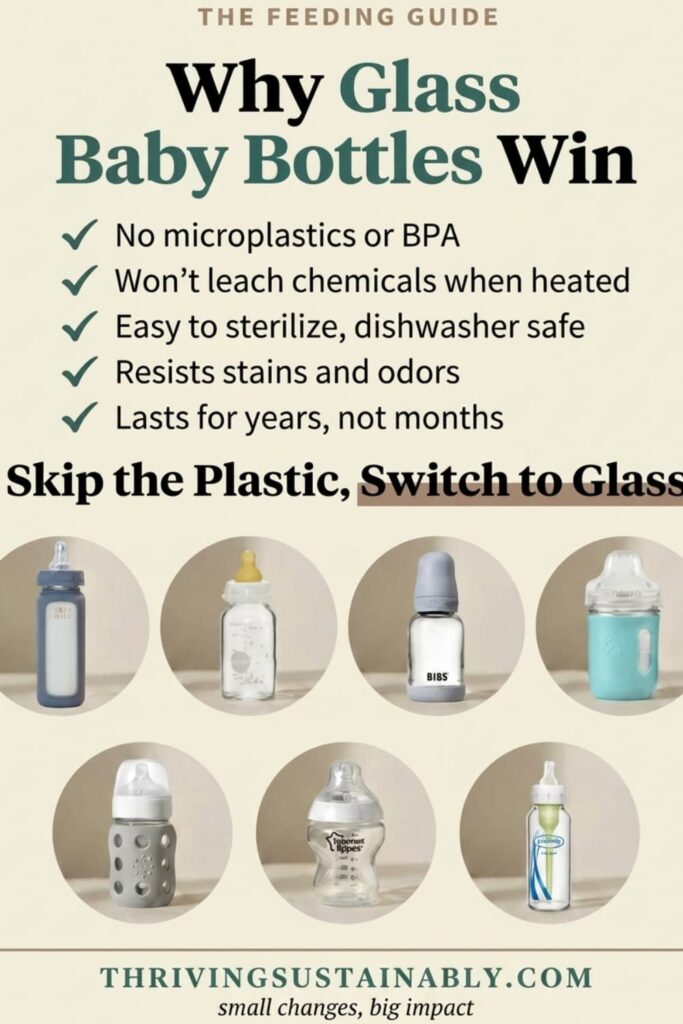
The best glass baby bottles are Ceres Chill Bloom, HEVEA, BIBS, Mason Bottle, Lifefactory, Tommee Tippee, and Dr. Brown’s, each chosen for a specific need, from fully plastic-free feeding to anti-colic relief and breakage protection.
There are more glass baby bottle options today than ever, and each of these earns its spot for a different reason. Use the table to compare at a glance, then read the breakdowns for the details that matter to your baby.
ℹ️Heads up: Not every bottle within a brand’s lineup is made from the same materials. Some companies sell both glass and plastic versions, so always double-check the product description to confirm you’re getting the glass bottle you want.
The only glass bottle that’s truly 100% plastic-free, glass and silicone only
$$ mid-range
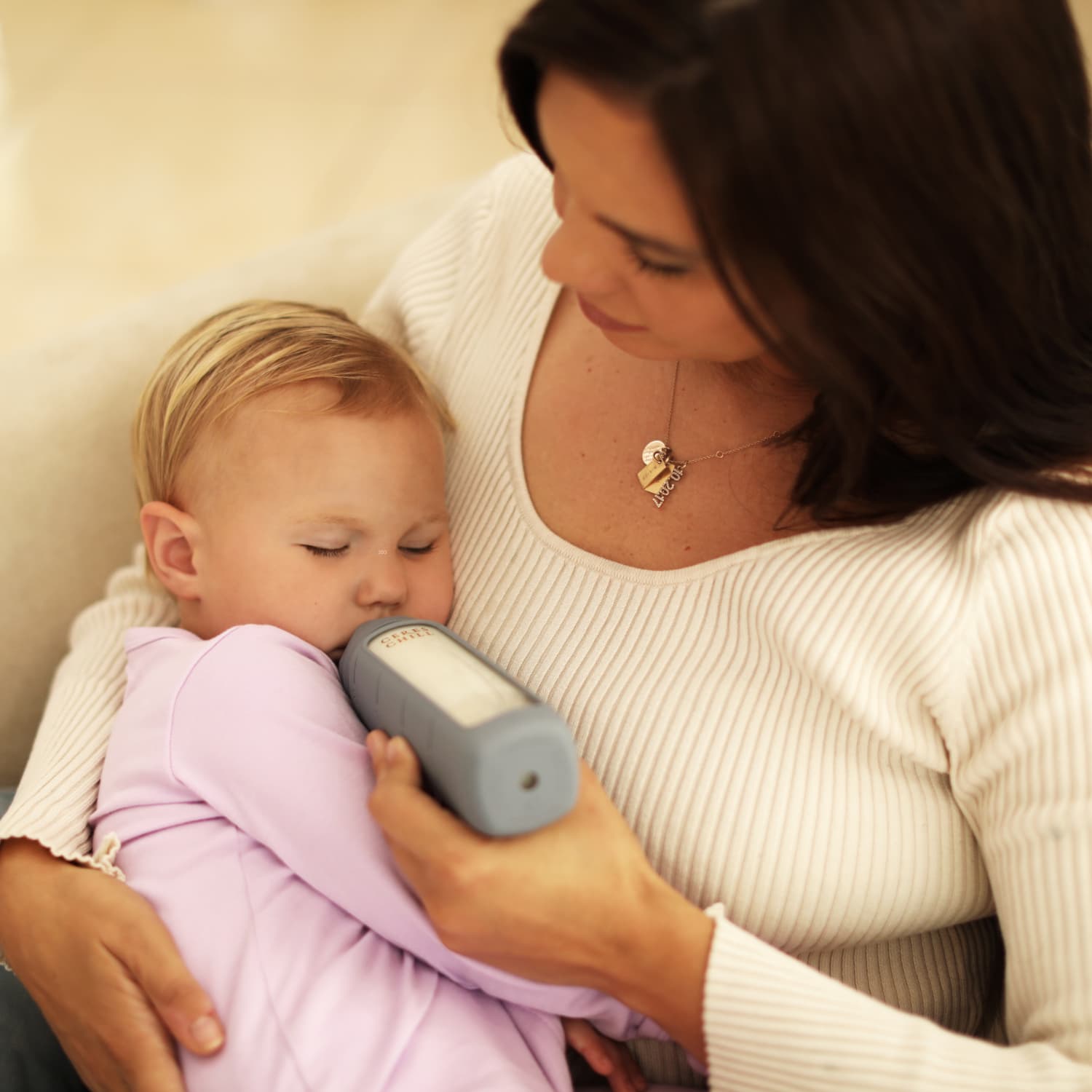
Ceres Chill Bloom is the one bottle here with no plastic anywhere. It pairs a borosilicate glass body with the world’s first silicone nipple collar, plus a silicone nipple, silicone flat cap, and silicone sleeve. Every other glass bottle uses a polypropylene collar or cap, so this is the only one that genuinely earns 100% plastic-free.
It’s a simple three-piece design that’s easy to clean, and it grows with your child through swappable companion tops. The narrow neck takes most standard nipples, and you can pump straight into it. It comes with the Ceres Chill Breastmilk Chiller and Warmer, so you can store, chill, and warm milk in one system.
Bottle
Borosilicate Glass
✓ Plastic FreeNipple
Silicone
SiliconeCollar
Silicone
SiliconeCap & Sleeve
Silicone
SiliconePros
- Genuinely 100% plastic-free, glass and silicone only
- World’s first silicone collar, no plastic collar or cap
- Simple three-piece design that’s easy to clean
- Grows with swappable tops, pump directly into it
Cons
- Narrow neck and slow-flow nipple only in the box
- Companion tops sold separately
- Newer brand with fewer parent reviews than the big names
The only glass baby bottle that’s genuinely 100% plastic-free, right down to the collar and cap. Best truly plastic-free pick.
The closest to plastic-free, with natural rubber where others use plastic
$$$ premium
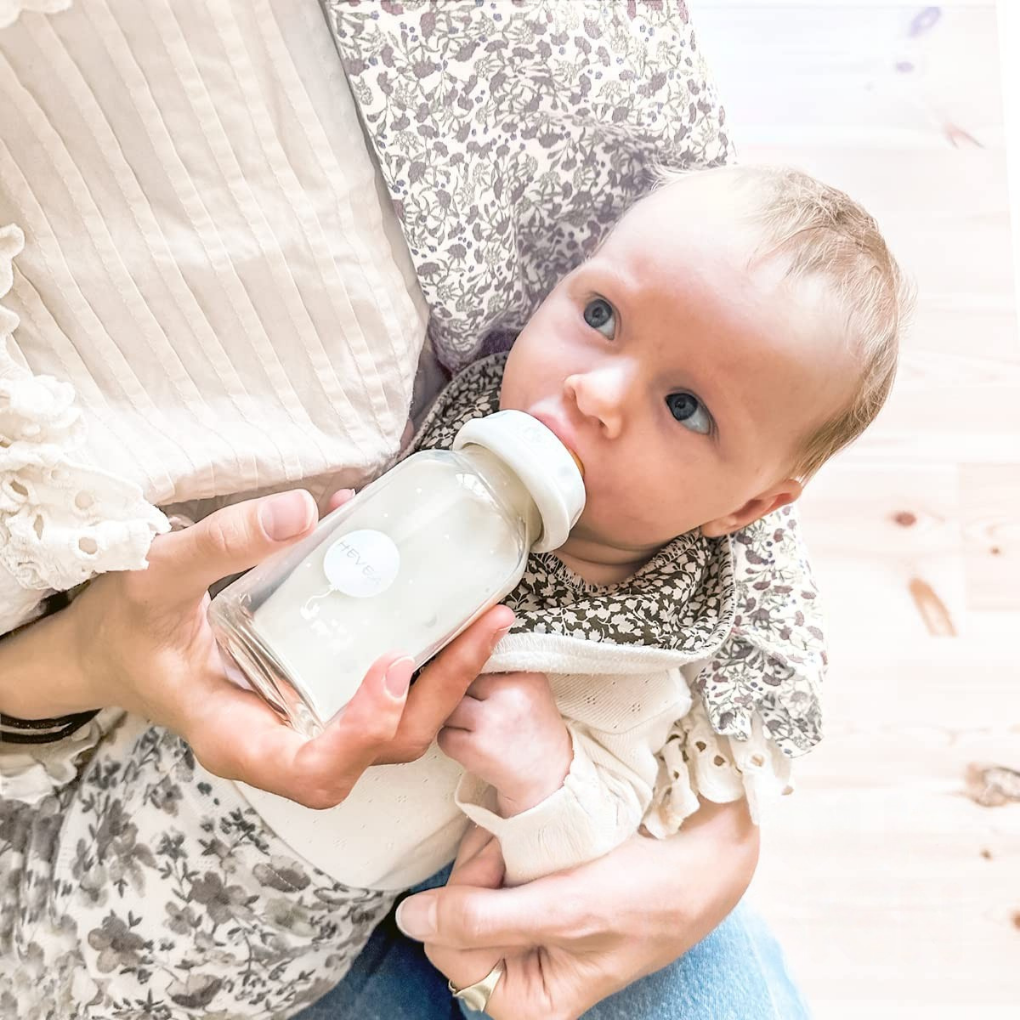
HEVEA comes the closest to plastic-free of any bottle here. A borosilicate glass body meets a one-piece natural rubber nipple that screws on without a plastic collar, wrapped in a natural rubber sleeve, so no plastic ever touches the milk. The rubber is biodegradable, and the anti-colic valve is built right into the teat.
It isn’t 100% plastic-free, though. HEVEA’s own materials list a polypropylene screw thread and dust cap, even as the brand markets it as plastic-free. Babies who reject silicone often take to the softer rubber, but natural rubber nipples wear out faster and need replacing more often.
Bottle
Borosilicate Glass
✓ Plastic FreeNipple
Natural Rubber
✓ Plastic FreeSleeve
Natural Rubber
✓ Plastic FreeScrew Thread & Cap
Polypropylene
PlasticPros
- No plastic touches the milk, glass and natural rubber
- One-piece rubber nipple needs no plastic collar
- Natural rubber sleeve protects and insulates
- Soft rubber works for babies who refuse silicone
Cons
- Natural rubber nipples wear out faster than silicone
- Polypropylene screw thread and dust cap, so not 100% plastic-free
- Premium price
- Not for babies with a latex sensitivity
The closest you’ll get to plastic-free, with natural rubber where most bottles use plastic and nothing plastic touching the milk. Best low-plastic, most natural pick.

Scandinavian design with a wide neck that’s easy to clean
$ budget pick
BIBS brings its natural-rubber pacifier heritage to bottles. The glass version pairs a borosilicate body with a soft medical-grade silicone nipple and an anti-colic vent, all in a minimalist wide-neck design that’s quick to fill and scrub.
Parents like how lightweight yet sturdy it feels, though dialing in the right nipple flow can take a couple tries. The bottle itself and the nipple are plastic-free, but the screw collar, cap, and milk lock are a rigid BPA-free plastic.
Bottle
Borosilicate Glass
✓ Plastic FreeNipple
Medical-Grade Silicone
SiliconeScrew Collar
BPA-Free Plastic
PlasticCap & Milk Lock
BPA-Free Plastic
PlasticPros
- Borosilicate glass body, thermal shock resistant and dishwasher safe
- Soft silicone nipple in several flow rates
- Wide neck makes filling and cleaning easy
- Built-in anti-colic vent
Cons
- BPA-free plastic collar and cap, so not fully plastic-free
- No protective sleeve included
- Finding the right flow can take trial and error
A polished glass bottle that’s genuinely easy to live with and clean, if you can look past the plastic collar. The easy-cleaning everyday pick.
A silicone nipple on a mason jar, so nothing plastic touches the milk
$$ mid-range
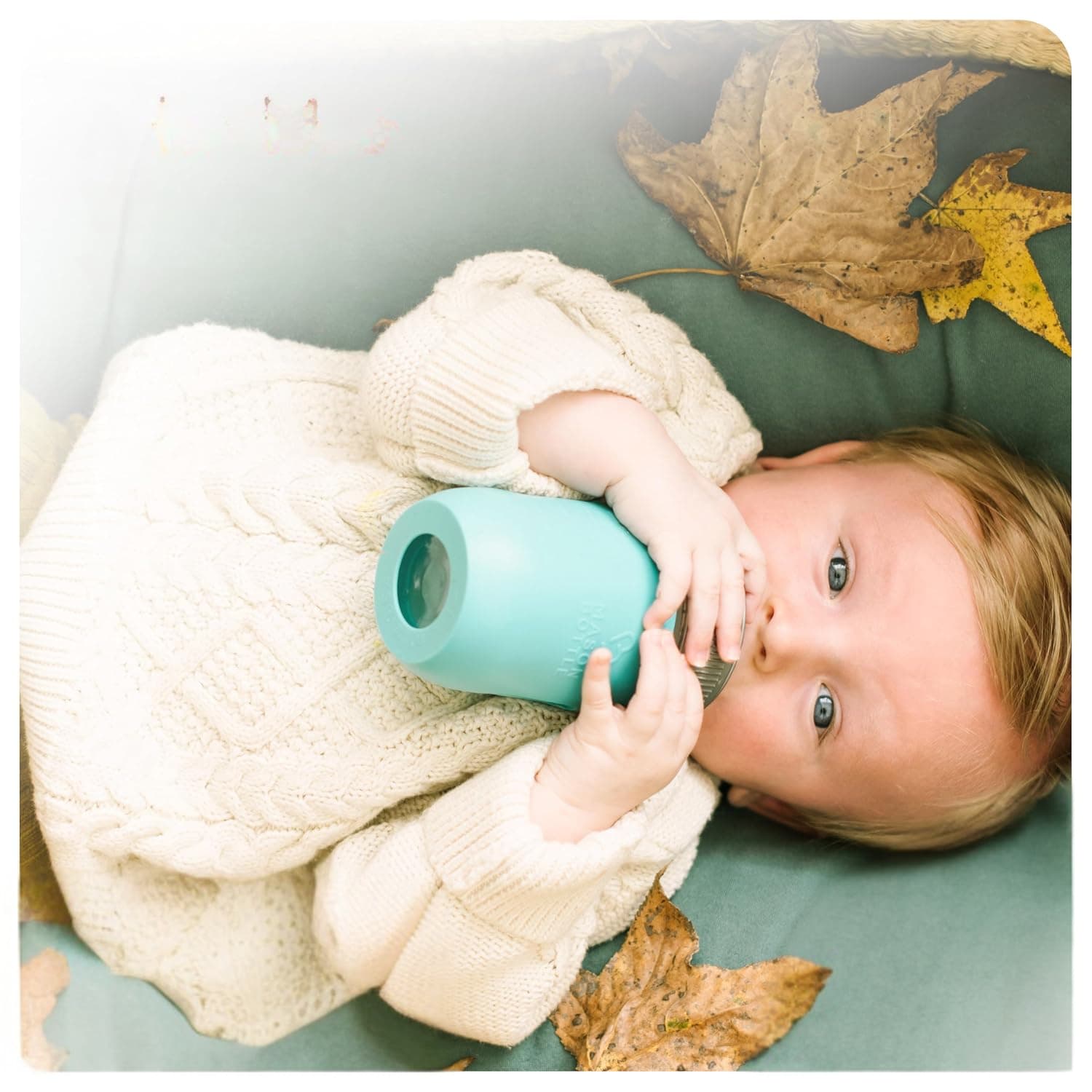
Mason Bottle turns any standard-mouth mason jar into a glass baby bottle with a medical-grade silicone nipple, a silicone sleeve, and a ring. It’s third-party Green Lab certified free of BPA, BPS, PVC, phthalates, and lead, and the anti-colic vent is built right into the nipple.
The whole point is that no plastic ever touches the milk. The ring and dome storage cap are a BPA-free plastic, but the feeding surface is pure glass and silicone. Best of all, the jars are cheap, endlessly reusable, and go back to storing leftovers once your baby outgrows bottles.
Jar
Glass
✓ Plastic FreeNipple
Medical-Grade Silicone
SiliconeSleeve
Silicone
SiliconeRing & Cap
BPA-Free Plastic
PlasticPros
- No plastic touches the milk, Green Lab certified
- Uses cheap, endlessly reusable mason jars
- Anti-colic vent built into the silicone nipple
- Repurposes into food storage when baby’s done
Cons
- Ring and storage cap are a BPA-free plastic
- You supply and replace the jars yourself
- Fewer nipple flow options than the big brands
The most sustainable, lowest-waste way to feed from glass, and milk never meets plastic. Best zero-waste value.
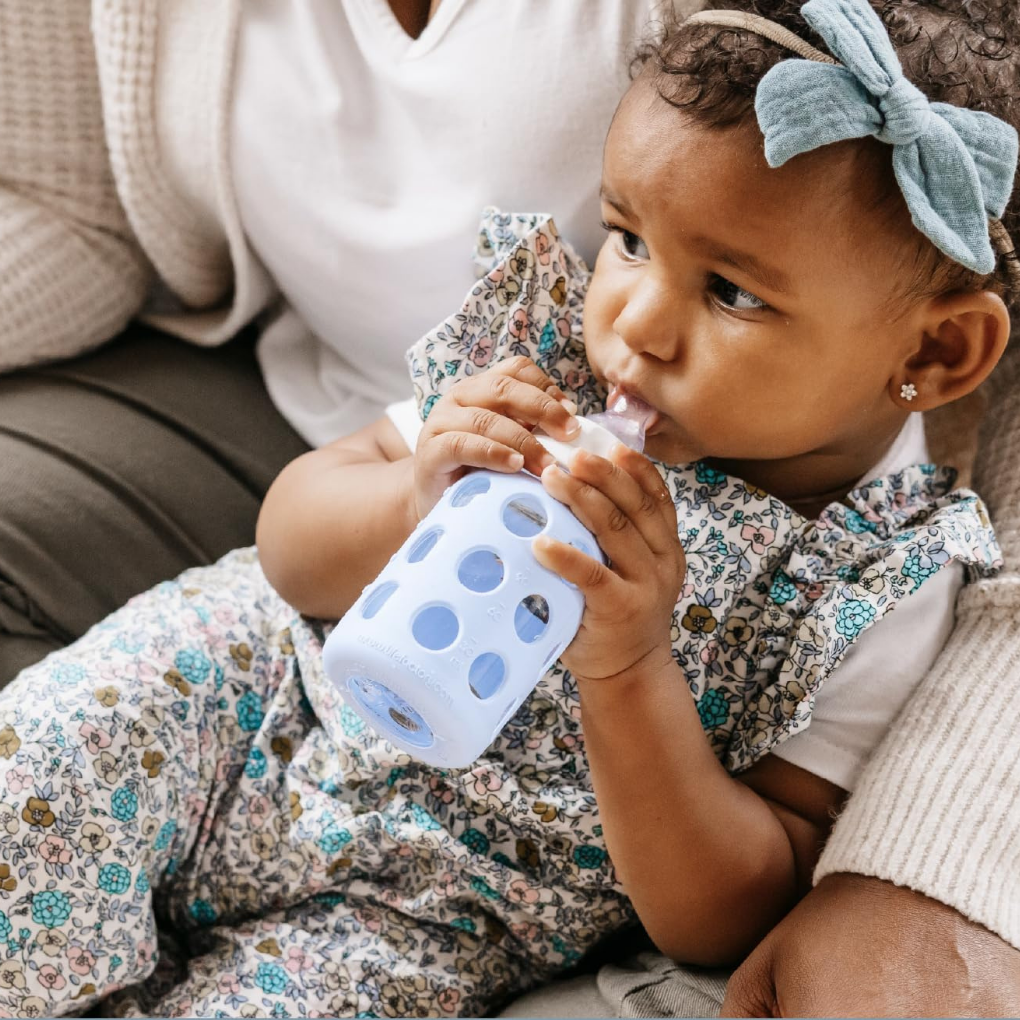
Borosilicate glass in a silicone sleeve that grows with baby
$$ mid-range
Lifefactory is the most drop-friendly pick here because the silicone sleeve comes included, not sold separately. The thermal-shock borosilicate glass and wide neck make it easy to clean, and the convertible system lets the same bottle become a sippy cup and then a water bottle as your child grows.
The glass, sleeve, and nipple are all free of plastic, but the cap, ring, and stopper are polypropylene. Even with the sleeve, the glass can still break on a hard floor, so it’s protection, not a guarantee.
Bottle
Borosilicate Glass
✓ Plastic FreeNipple
Silicone
SiliconeSleeve
Silicone
SiliconeCap & Ring
Polypropylene
PlasticPros
- Silicone sleeve included for grip and drop protection
- Converts from bottle to sippy cup to water bottle
- Wide neck is easy to fill and clean
- Thermal-shock resistant borosilicate glass
Cons
- Polypropylene cap, ring, and stopper
- Pricier once you buy into the system
- Can still break on a hard surface
The most drop-friendly glass bottle, and the one that keeps working long past the bottle stage. Best breakage protection.
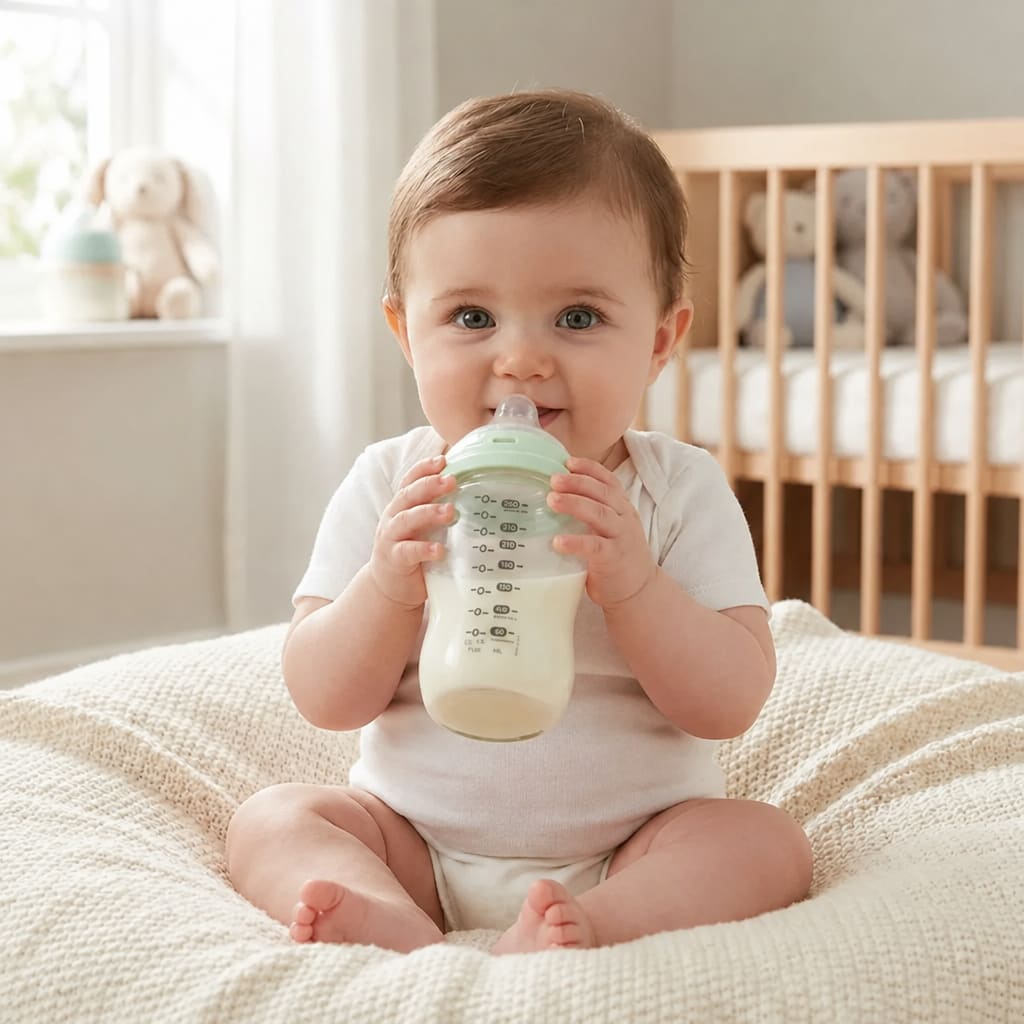
The wide, breast-like nipple made for switching
$$ mid-range
The Tommee Tippee Closer to Nature glass bottle is built around its signature wide, breast-like silicone nipple, which is the reason to choose it. Many breastfeeding parents say their baby moves between breast and bottle more smoothly with this shape, and the anti-colic valve sits inside the soft nipple.
It’s a mainstream brand that mostly makes plastic gear, so this glass bottle is one option in a big lineup. The borosilicate body and silicone nipple are plastic-free, while the screw ring and cap are a BPA-free plastic.
Bottle
Borosilicate Glass
✓ Plastic FreeNipple
Silicone
SiliconeAnti-Colic Valve
Silicone
SiliconeScrew Ring & Cap
BPA-Free Plastic
PlasticPros
- Wide breast-like nipple eases the breast-to-bottle switch
- Anti-colic valve built into the soft silicone nipple
- Ergonomic shape is easy to hold during feeds
- Borosilicate glass, BPA and phthalate free
Cons
- BPA-free plastic screw ring and cap
- Mainstream brand that mostly makes plastic gear
- Valve can leak if the nipple isn’t fitted right
If your baby fights the switch from breast to bottle, this nipple shape is the reason to try it. Best for breast-to-bottle.
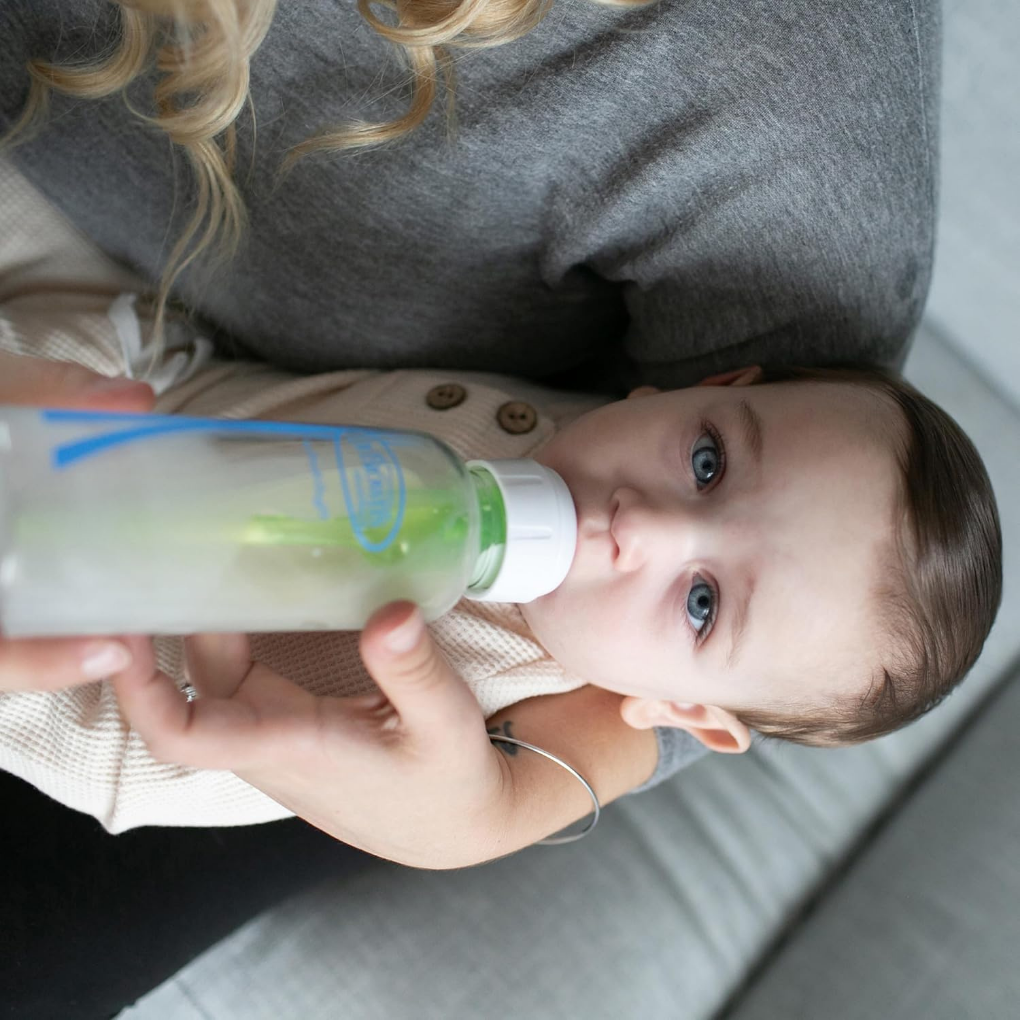
The patented vent system colicky babies respond to
$ budget pick
Dr. Brown’s Natural Flow glass bottle pairs a borosilicate glass body with the brand’s patented internal vent, one of the first anti-colic systems on the market. Parents of colicky babies often call it the only bottle their child will feed from comfortably, and it comes in narrow and wide-neck options.
The relief comes with a trade-off: this has the most plastic parts of the lineup. The vent insert, reservoir, collar, and cap are all polypropylene, which also means more pieces to wash after every feed.
Bottle
Borosilicate Glass
✓ Plastic FreeNipple
Silicone
SiliconeVent System
Polypropylene
PlasticCollar & Cap
Polypropylene
PlasticPros
- Patented anti-colic vent helps with gas and reflux
- Pharmaceutical-grade borosilicate glass, BPA and phthalate free
- Narrow and wide-neck options
- Huge accessory and nipple ecosystem
Cons
- Most plastic parts of the lineup, a full PP vent system
- More pieces to wash after every feed
- Can leak if assembled incorrectly
For a genuinely colicky baby, the vent system earns its extra parts, even if it brings the most plastic. Best for colic and gas.
Nipple Shape and Flow Rate
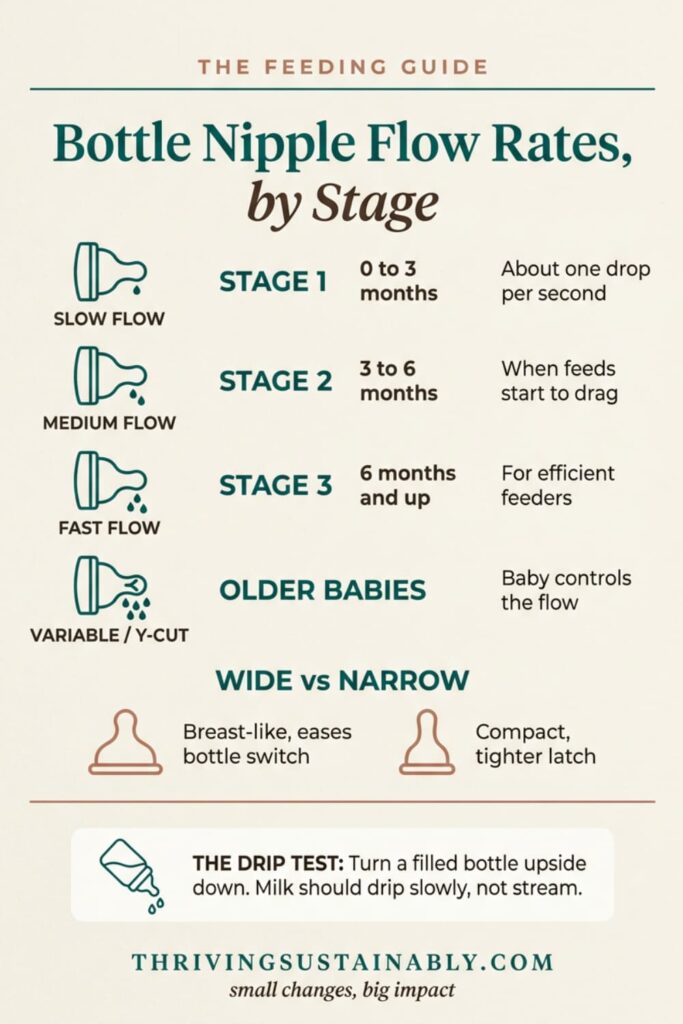
Newborns should start with a slow-flow nipple that releases about 1 drop per second when the bottle is held upside down. Move up flow rates as your baby grows, and match nipple shape to your baby’s latch.
If your baby is fighting the bottle, the nipple is almost always the reason, not the bottle. Getting this right is the difference between a calm feed and a frustrated one, so it’s worth slowing down here.
Wide vs Narrow Nipples
Wide-base nipples have a broad, rounded shape that mimics the breast, making breast-to-bottle switching smoother. Narrow nipples have a smaller tip and suit babies who like a tighter, more compact latch. There’s no universally “better” shape. It depends on your baby’s mouth and preference, and sometimes you’ll only find out by trying both.
Slow, Medium, and Fast Flow
Flow rate controls how quickly milk comes out. According to Nationwide Children’s Hospital, newborns should start on the slowest flow, which releases roughly 1 drop per second when the bottle is turned upside down. As your baby gets older and feeds more efficiently, you can step up to medium and then faster flows.
When to Switch Flow Levels
There’s no exact calendar for this. Watch your baby instead. Signs it’s time to move up a flow level include feeding that drags on, falling asleep mid-feed from effort, frustration, and pulling at the nipple. Signs the flow is too fast include gulping, milk leaking from the mouth, coughing, or gas. Babies who breastfeed and bottle-feed often do best staying on a slower flow, since it better matches the pace of nursing.
Nipple Materials
Most glass bottles ship with medical-grade silicone nipples that are durable, easy to clean, and odor-resistant. Natural rubber nipples (like HEVEA’s) are softer and more breast-like, but they wear out faster and aren’t right for babies with a latex sensitivity.
✨ Tip
Do the Drop Test
Turn a filled bottle upside down without shaking it. The milk should drip slowly, not pour in a stream. A steady stream means the flow is too fast for a younger baby.
How Do You Safely Clean and Maintain Glass Baby Bottles?
Glass baby bottles are easier to sanitize than plastic and can safely handle boiling, dishwashing, and repeated sterilization without breaking down. Following a few simple cleaning steps keeps them safe and long-lasting.
🧼Daily Cleaning
- Wash bottles with hot, soapy water right after use to prevent milk residue from hardening.
- Use a bottle brush to reach inside, and a detail brush for nipples, collars, and vents.
- Let all parts air-dry on a clean rack instead of using a towel, which can introduce bacteria.
🍽️Dishwasher Safety
Most glass bottles are dishwasher-safe, and many parents appreciate the convenience. Place bottles on the top rack to avoid bumping or chipping. Always check the manufacturer’s instructions before running them through a cycle.
🔥Sterilization
- Glass bottles can withstand boiling water for quick sterilization.
- Some parents prefer electric sterilizers or microwave steam bags, which are also safe for Glass.
- Avoid sudden temperature changes that can cause thermal shock, such as moving a bottle directly from the freezer into boiling water.
🎒Storage and Transport
- Always use protective caps or travel covers when carrying bottles in a diaper bag to prevent spills.
- Silicone sleeves add extra protection against breakage and make bottles easier to grip.
- Store bottles in a dehydrated and assembled state, loosely to prevent trapped moisture.
♻️Replacement Tips
- Nipples wear out faster than bottles. Replace them every two to three months, or sooner if you notice thinning, stickiness, or cracks.
- Glass bottles can last for years if cared for properly, but retire any bottle that chips or cracks.
With the proper cleaning routine and careful handling, glass bottles can be a safe, durable, and hygienic option throughout your baby’s feeding journey.
✨tips
How to Dispose of Old Baby Bottles
Old baby bottles rarely need to go straight in the trash because most parts can be recycled or repurposed. Clean glass bottles recycle with other glass containers, while silicone nipples and sleeves need specialty programs like TerraCycle.
Old baby bottles shouldn’t go straight in the trash — most parts can be recycled or repurposed. Here’s how to handle each material safely:
- Glass bottles: Recycle with other glass containers once clean. Chipped or cracked bottles can still be recycled, but remove any extra parts first.
- Plastic bottles: Usually made from polypropylene (#5). Some curbside programs accept them, but always check local guidelines. If not recyclable in your area, consider repurposing them for crafts, storage, or toys.
- Nipples: Made from silicone or latex. These aren’t accepted in curbside recycling. Unless your area has specialty silicone recycling, they typically go in the trash.
- Collars & lids: Typically polypropylene (#5). Recycle with plastics if accepted locally, or look for specialty programs like Preserve’s Gimme 5.
- Silicone sleeves: Not recyclable curbside. Check specialty programs like TerraCycle; otherwise, dispose of it in the trash.
Taking a few extra minutes to separate and sort these parts helps reduce landfill waste and keeps plastic out of the environment.
Bottle Nipples and Accessories
Most glass bottles come with durable, easy-to-clean medical-grade silicone nipples, while natural rubber nipples are softer but wear out faster. Start newborns on slow-flow nipples and move up as your baby grows.
Choosing the right nipple and accessories is just as important as the bottle itself, since flow rate and materials directly affect your baby’s comfort and safety.
Nipple Types and Materials
- Silicone Nipples: Most glass bottles come with medical-grade silicone nipples. They are durable, easy to clean, and resist absorbing odors.
- Natural Rubber Nipples: Softer and more flexible, but they wear out faster and may not be ideal for babies with latex sensitivities.
Nipple Shapes and Flow Rates
- Narrow Nipples: Work well for babies who have a tight latch or prefer a smaller surface area.
- Wide-Base Nipples: Designed to mimic breastfeeding, making the transition between breast and bottle easier.
- Flow Rates: Start with slow-flow nipples for newborns. As your baby grows, you can gradually move to medium or fast flow. Always do the nipple test by turning the bottle upside down. The milk should drip slowly, not stream out.
Useful Accessories
Recommended Products
Helpful accessories to consider.
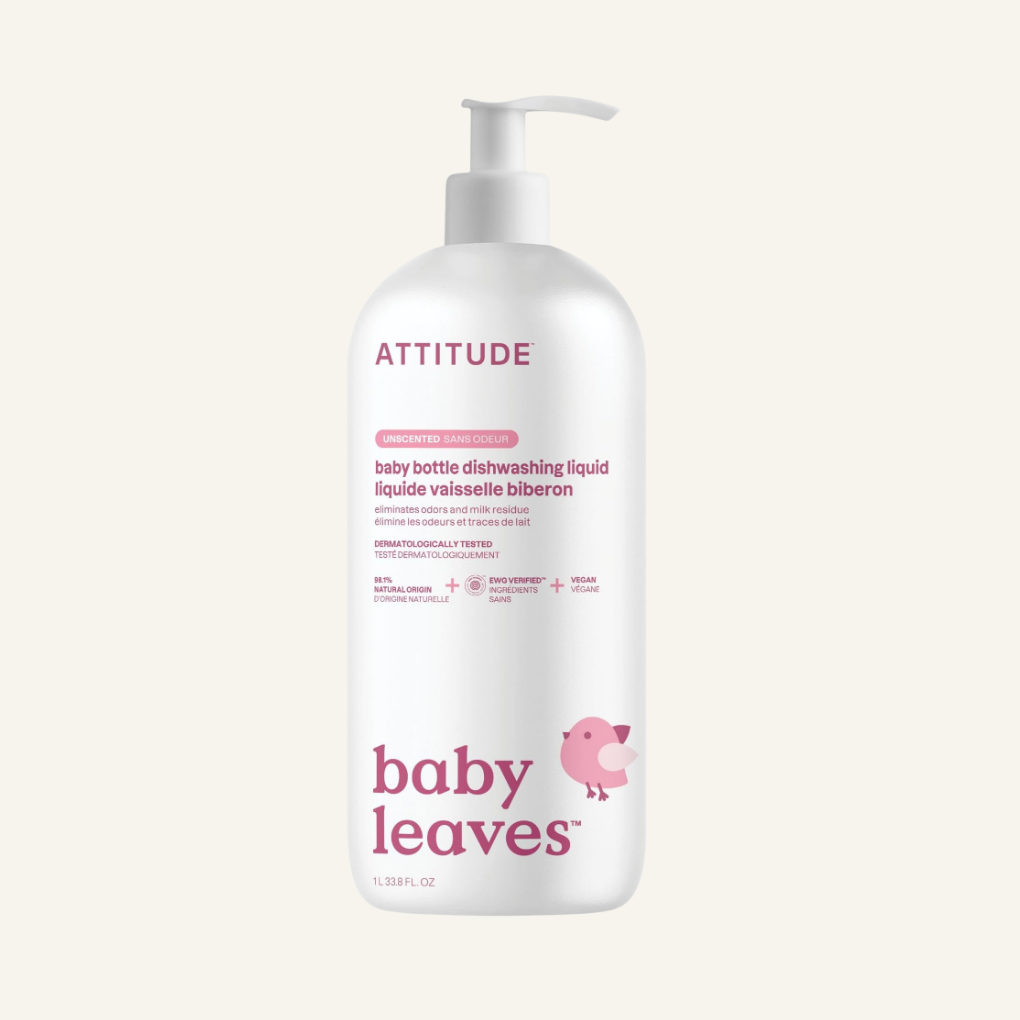
- Baby Bottle & Dish Soap: To complement your brush, try ATTITUDE soap, an EWG-verified, plant-based formula that’s unscented and designed to remove milk residue and grease without harsh chemicals.
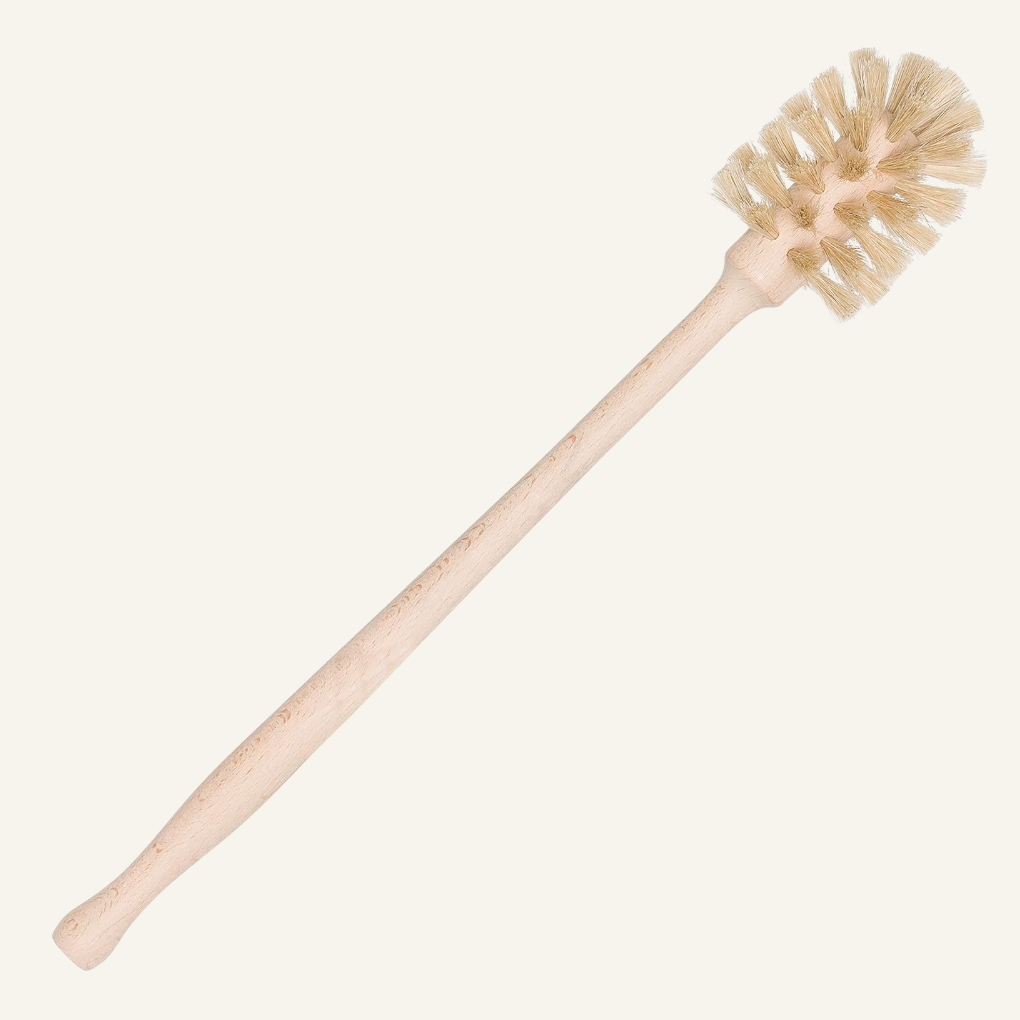
- Cleaning Tools: A Redecker natural bristle bottle brush is a parent favorite for glass bottles. It’s made with a wooden handle and natural bristles, making it both effective and plastic-free. For hard-to-reach spots, you can pair it with a small wire detail brush.
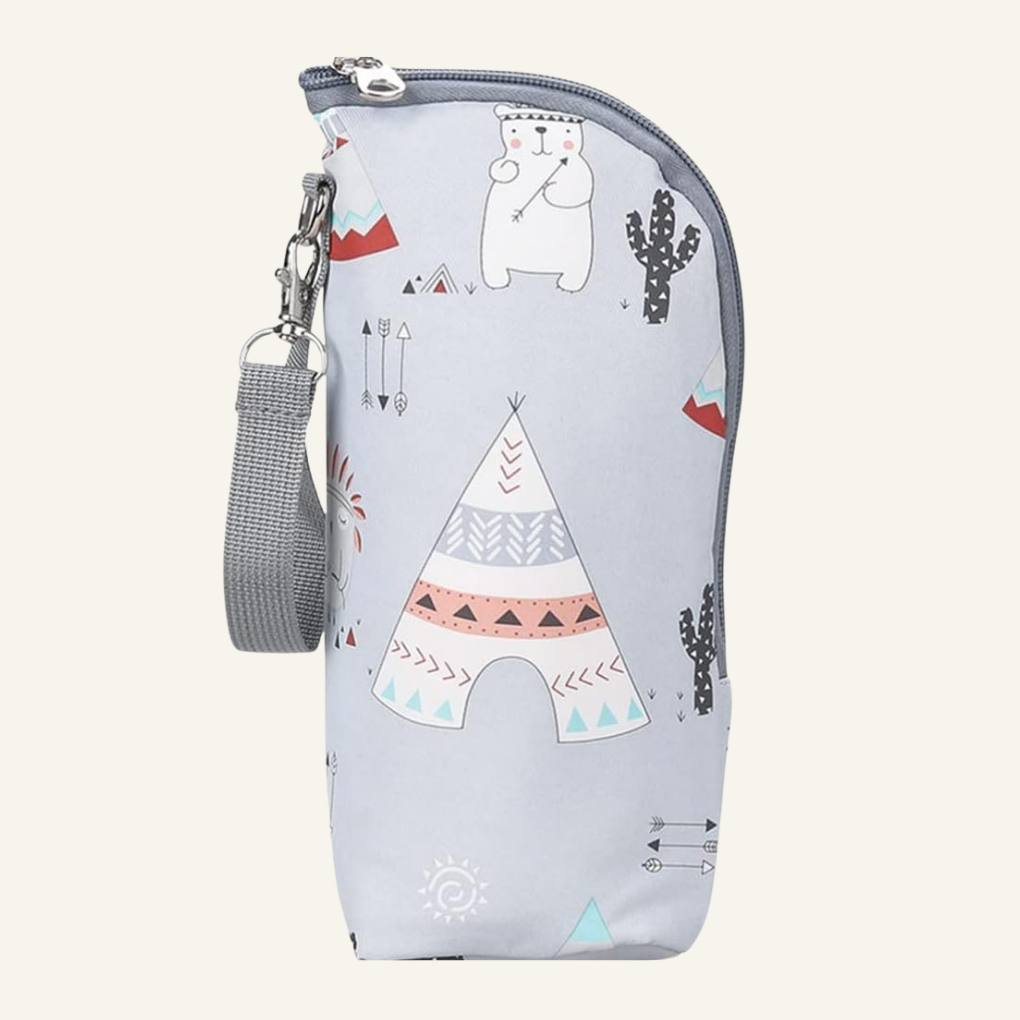
- Temperature Control: Certain bottles and accessories, such as the Kisangel insulated bottle sleeve, help keep milk warm on the go.
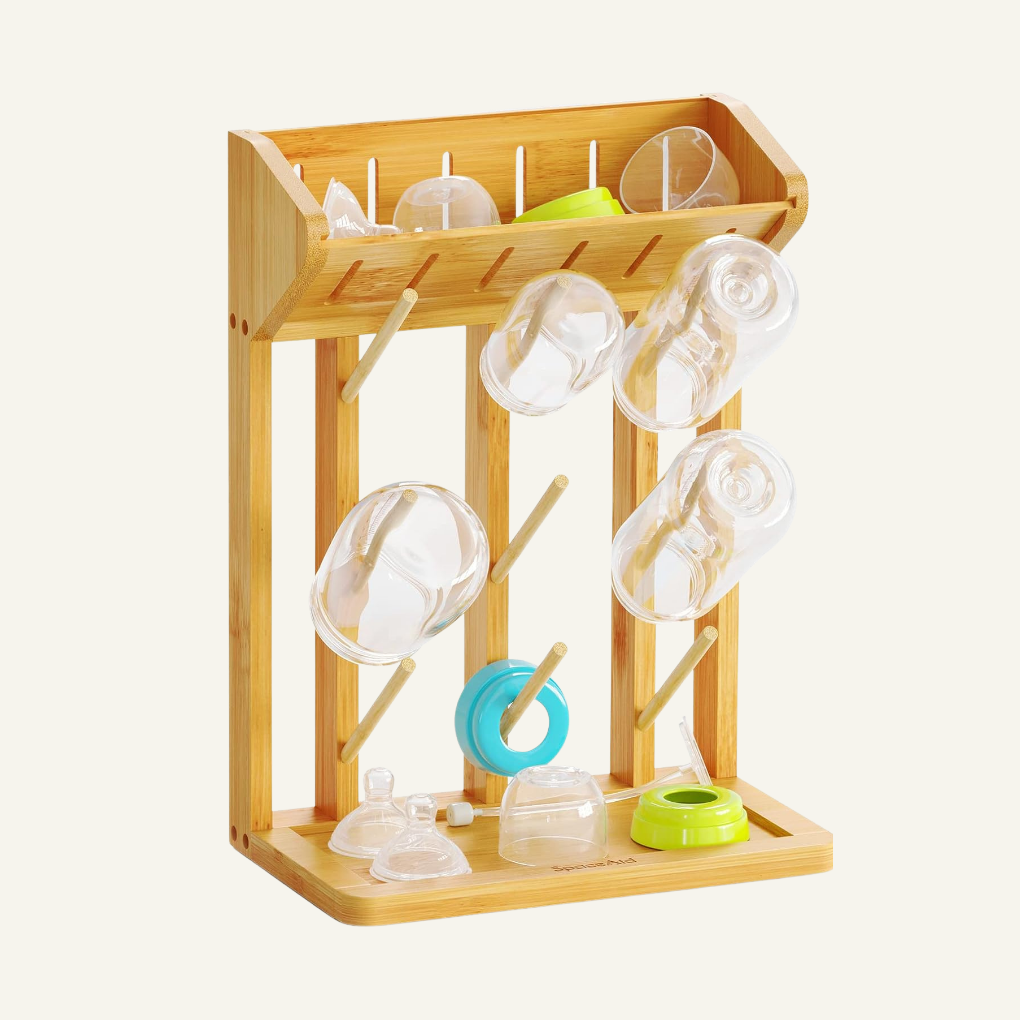
- Drying Rack: Spaceaid offers a space-saving, eco-friendly way to air-dry bottles and accessories, keeping everything organized without relying on plastic racks.
Matching the right nipple and accessories to your baby’s feeding needs can help prevent frustration and reduce common issues, such as gas, leaks, and clogged nipples.
FAQs About Glass Baby Bottles
The Tommee Tippee Closer to Nature glass bottle is the best pick for most breastfed babies because its wide, breast-like nipple makes switching between breast and bottle feel familiar. If you pump, the Ceres Chill Bloom is a great second choice, since you can pump straight into it and it’s the only bottle on this list with no plastic anywhere. Whichever one you choose, start with a slow-flow nipple so the pace stays close to nursing.
Glass bottles themselves are microwave-safe, but experts don’t recommend microwaving baby milk. The heat doesn’t distribute evenly, which can create dangerous hot spots that may burn your baby’s mouth. Microwaving can also reduce nutrients in breast milk. A safer option is to warm bottles in a bowl of warm water or with a bottle warmer.
Yes, many glass bottles are designed to be freezer-safe, especially those made from tempered or borosilicate glass. Always check the manufacturer’s guidelines first. Leave some headspace because breast milk expands as it freezes. Thaw slowly in the refrigerator or under cool running water to avoid thermal shock that could crack the glass.
If your bottles are freezer-safe:
Leave headspace: Breast milk expands as it freezes, so never fill bottles all the way to the top.
Thaw slowly: Place frozen bottles in the refrigerator overnight or run under cool water to gently defrost.
Avoid thermal shock: Don’t move a bottle straight from the freezer into boiling water or a hot warmer — this sudden change can cause glass to crack.
Consider storage bottles: Some parents prefer using glass bottles specifically designed for freezer storage to reduce the risk of breakage.
Most modern glass baby bottles from reputable brands are lead-free. The main risk comes from vintage or imported bottles that may use paint or decorations containing lead or cadmium. To be certain, choose brands that publish third-party testing results for heavy metals. If you’re unsure about an older bottle, it’s best not to use it for feeding.
Glass bottles are heavier than plastic, but most babies don’t hold bottles independently until they’re older. By that stage, many brands offer silicone sleeves that make bottles easier to grip and less slippery. Parents often find the extra weight is a small trade-off for the safety and cleanliness of glass.
Yes, most glass baby bottles are dishwasher-safe, especially those made from tempered or borosilicate glass. For best results, place them on the top rack to prevent bumping or chipping, and follow the manufacturer’s instructions. Dishwashing not only cleans but also helps sanitize bottles more thoroughly than hand washing alone.
Glass bottles can last for years if cared for properly, making them more durable than most plastic bottles. Nipples wear out faster and should be replaced every two to three months, or sooner if they show thinning or cracks. Retire any glass bottle that becomes chipped or damaged, but otherwise, many families reuse the same bottles for multiple children.
Final Thoughts on Best Glass Baby Bottles
Choosing the right baby bottle can feel overwhelming with so many options out there, but glass really does take away a lot of the guesswork. It’s safe, durable, and, most importantly, free from the microplastics and hidden chemicals that plastic bottles can release.
At the end of the day, the “best” glass bottle is the one that fits your baby’s needs and makes feeding easier for you.
📚References
- Earth Day Network. (2023). Babies vs. plastics: What every parent should know. EarthDay.org. https://www.earthday.org/babies-vs-plastics-what-every-parent-should-know/
- Lead Safe Mama. (2024). Baby bottle guide: Lead-free bottles and safety testing. Lead Safe Mama. https://tamararubin.com/lead-safe-mama-baby-bottle-guide/
- Li, D., Shi, Y., Yang, L., Xiao, L., Kehoe, D. K., Gun’ko, Y. K., Boland, J. J., & Wang, J. J. (2020). Microplastic release from the degradation of polypropylene feeding bottles during infant formula preparation. Nature Food, 1(11), 746-754. https://doi.org/10.1038/s43016-020-00171-y
- Nationwide Children’s Hospital. (n.d.). Choosing a bottle flow rate. https://www.nationwidechildrens.org/family-resources-education/health-wellness-and-safety-resources/helping-hands/choosing-a-bottle-flow-rate
More Baby & Plastic-Free Living Reads
We’ve scored every baby and family product on plastic — see them in the Baby & Family directory.