
Key Takeaways
- Tamarind seed polysaccharides belong to a family of plant flocculants that clump and remove microplastics in lab and student-prototype settings, so the idea is real, not hype.
- The strongest peer-reviewed numbers so far come from okra and fenugreek, which removed up to 90% of microplastics from real water samples in a 2025 ACS Omega study.
- There is no tamarind microplastics filter you can buy yet, and eating tamarind does nothing to remove plastic already in your body.
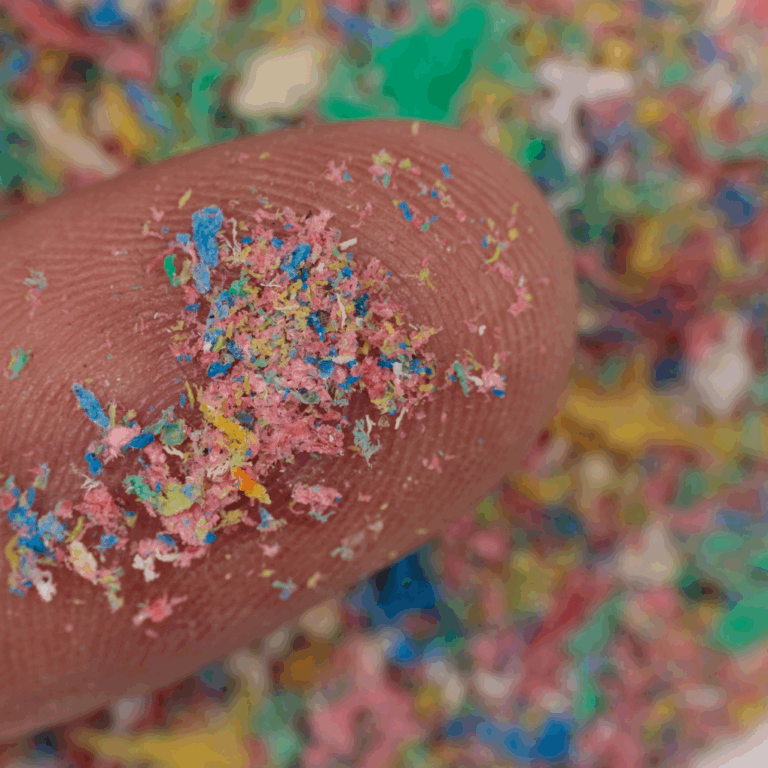
Yes, tamarind can help remove microplastics from water, but with an important caveat. Sticky polysaccharides in tamarind seed act as a natural flocculant, meaning they bind loose plastic particles into clumps heavy enough to settle or be lifted out. That mechanism is genuine and is now backed by peer-reviewed chemistry on closely related plants and by an award-winning student prototype.
What does not exist yet is a proven, standardized tamarind product on your kitchen counter, and no version of this works by eating tamarind. The research is about treating water, not detoxing a body.
This piece breaks down exactly what the science measured, where tamarind fits, who the teenagers behind the headlines are, and what you can actually do about microplastics in your tap today.
The Experts Behind the Research
- Dr. Rajani Srinivasan, water treatment researcher at Tarleton State University whose lab published the 2025 ACS Omega study on plant-based microplastic removal
- Vivaan Chhawchharia, Ariana Agarwal, and Avyana Mehta, the teen inventors of Plas-Stick, the tamarind-seed powder that won the 2026 Earth Prize
Why Tamarind Suddenly Made Microplastics Headlines
Tamarind trended because of two separate 2025 and 2026 stories: peer-reviewed research on plant polysaccharides as microplastic flocculants, and a teen team whose tamarind-seed powder won the 2026 Earth Prize after being chosen by roughly 23,000 voters.
Two things happened close together, and the internet blended them into one. The first was a lab result showing that everyday plant extracts can strip microplastics from water. The second was a group of 16-year-olds turning that same principle into a working prototype and winning a global prize for it. Tamarind sits at the center of both stories, which is why the phrase “tamarind microplastics” started climbing in searches.
The 2025 ACS Study on Plant Extracts
The peer-reviewed anchor here is work from Dr. Rajani Srinivasan’s lab at Tarleton State University, published in the journal ACS Omega in April 2025. Her team has spent years testing nontoxic, plant-based ways to attract contaminants out of water, and their published paper focused on okra and fenugreek, with tamarind studied as part of the same broader family of sticky plant polymers.
The headline finding: dried plant extracts trapped microplastics far more effectively than expected. In pure water spiked with plastic, okra extract removed 67%, and fenugreek extract removed 93% of the microplastics within an hour, using just one gram of powder per liter of water. A one-to-one blend of okra and fenugreek reached about 70% removal in only 30 minutes.
They then tested real polluted water collected from around Texas. Removal shifted with the source: okra worked best in ocean water at around 80%, fenugreek reached 80 to 90% in groundwater, and the okra-fenugreek blend removed about 77% from freshwater. Crucially, the plant polysaccharides outperformed polyacrylamide, the synthetic flocculant used in conventional water treatment today.
Tamarind belongs to this same category of plant polysaccharides, which is why coverage often groups it with okra and fenugreek. The precise removal figures above, though, are okra and fenugreek numbers. That distinction matters, and most viral posts blur it.
💫 now you know
What is Fenugreek?
Fenugreek is a small plant in the legume family (Trigonella foenum-graecum). Its seeds are a common cooking spice, especially in Indian, Middle Eastern, and North African food, and the same seeds are what researchers dried into the extract that pulled microplastics out of water. Like okra and tamarind, it’s rich in sticky polysaccharides, which is why it works as a flocculant.
The Teen Inventors and the Earth Prize

The tamarind-specific breakthrough came from three 16-year-olds in India: Vivaan Chhawchharia, Ariana Agarwal, and Avyana Mehta. Their project, called Plas-Stick, is a biodegradable powder made from discarded tamarind seeds. Added to water, it binds microplastic particles into visible clumps, which are then pulled out with a handheld magnet. No electricity, no complex machinery.
The idea started after the team visited a rural community where drinking water was stored in shared containers without advanced filtration. On May 29, 2026, their solution was named the Global Winner of the Earth Prize, the world’s largest environmental competition for teenagers, chosen from seven regional winners by roughly 23,000 public voters. It was the first Global Winner from India, and by the time they won, Plas-Stick workshops had already reached more than 8,000 students and teachers.
Don’t Miss: What Are Microplastics? Causes, Effects & How to Avoid Them Start with the pillar guide for the full picture on where microplastics come from and why they matter. Read more →How Tamarind Removes Microplastics
Tamarind seed polysaccharides work as a flocculant: the long, sticky sugar chains latch onto microplastic particles and bridge them together into clumps large and heavy enough to settle out or be separated, rather than dissolving or destroying the plastic.
Polysaccharides as Natural Flocculants
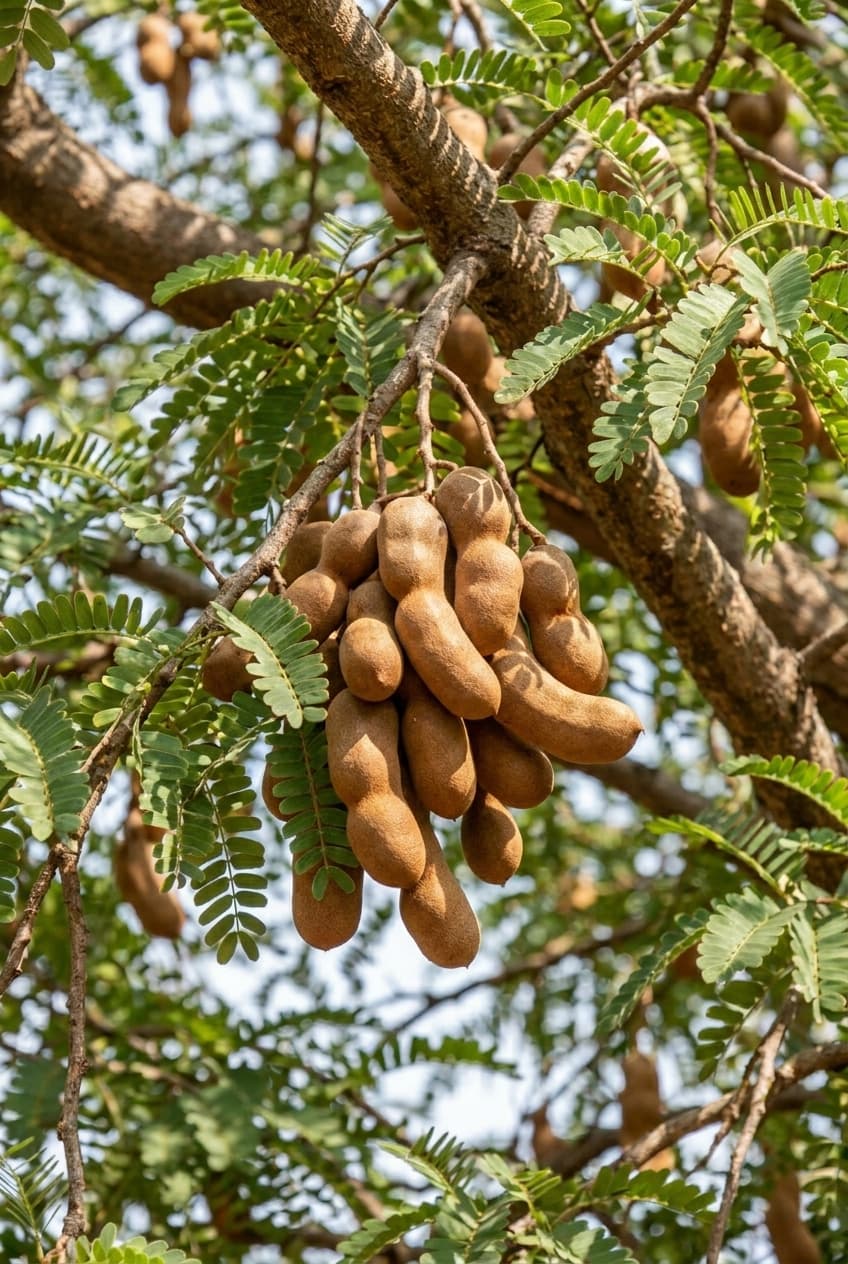
Tamarind seed is rich in a polysaccharide known as tamarind kernel powder or tamarind seed polysaccharide, a type of xyloglucan. Structurally it is a long branched sugar chain, and those chains are what do the work. In water, they behave like molecular flypaper: microplastic particles carry surface charges and rough edges, and the polysaccharide chains adsorb onto them, then bridge multiple particles together.
This bridging is the core of flocculation. Individual microplastic fragments are too small and too buoyant to settle on their own, but once dozens of them are stitched into a floc, the aggregate becomes dense enough to sink or to be skimmed, filtered, or in the Plas-Stick design, drawn out magnetically. The plastic is not broken down or neutralized. It is gathered up so it can be physically removed.
Why Plant Flocculants Beat the Synthetic Standard
Municipal plants already use flocculants, most commonly polyacrylamide. It works, but it is petroleum-derived, does not biodegrade, and can leave residual acrylamide, a compound regulated in drinking water because of health concerns. That is the opening plant polysaccharides exploit. In the ACS Omega study, the plant extracts matched or beat polyacrylamide on removal while being biodegradable and nontoxic. A tamarind- or okra-based flocculant would treat the water without adding a persistent synthetic chemical back into it, which is a meaningful edge for drinking-water use.
💫 now you know
What Flocculant Means
What “flocculant” actually means. A flocculant is anything you add to water to make tiny suspended particles clump together into bigger clusters, called flocs, that are heavy enough to sink or be filtered out. It doesn’t dissolve or destroy the particles, it just gathers them up so they can be removed. Water treatment plants have used flocculants for decades. The whole tamarind, okra, and fenugreek breakthrough is simply swapping the usual synthetic flocculant for a plant-based one that does the same clumping job.
What the Research Actually Measured
The published study measured removal of microplastics, particles under 5 mm, from spiked pure water and real water samples, reaching 67 to 93% depending on the plant extract and water type. It did not test nanoplastics or long-term drinking safety.
Removal Rates by Water Type
The single biggest takeaway from the data is that no plant extract is a universal answer. Performance depended heavily on the water source, because ocean, ground, and fresh water each carry different plastic types, sizes, and shapes, plus different salts and organic matter. Here is roughly how the extracts sorted out in the study’s real-water tests.
| Water source | Best-performing extract | Approx. removal |
|---|---|---|
| Pure water (spiked) | Fenugreek | 93% in 1 hour |
| Pure water (spiked) | Okra | 67% in 1 hour |
| Ocean water | Okra | ~80% |
| Groundwater | Fenugreek | 80 to 90% |
| Freshwater | Okra + fenugreek blend | ~77% |
Tamarind polysaccharides sit in the same performance family, and the Plas-Stick team reports strong clumping in the water conditions they targeted, but tamarind does not yet have an equivalent set of published, peer-reviewed removal figures across these water types.
Particle Sizes, and the Nanoplastic Caveat
Microplastics are defined as plastic particles smaller than 5 mm. The research measured these. It did not measure nanoplastics, the far smaller fragments generally under 1 micrometer, which are the ones most able to cross biological membranes. Flocculation is hardest on the smallest particles, so it is an open question how well tamarind or any plant flocculant captures true nanoplastics. Anyone claiming these methods remove nanoplastics is going beyond what has actually been shown.
The Limits of a Lab Bench
Lab results are a starting line, not a finish line. The study used controlled doses, known plastic concentrations, and settling times under supervision. Scaling that to a municipal plant or a household means dealing with variable water chemistry, consistent dosing, reliable separation of the sludge, and proof that nothing harmful leaches from the plant material over time. None of that is disqualifying. It is simply the work that still has to happen.
Can You Use Tamarind at Home to Filter Water?
Not reliably. There is no tested home method, dose, or way to fully remove the resulting clumps, so a DIY tamarind treatment can leave both plastic and plant residue in your glass. A certified filter is the dependable option today.
What DIY Attempts Get Wrong
The appeal is obvious: soak some tamarind, stir it into water, pour off the clean part. The problem is every step is unvalidated. You do not know the right dose, the right contact time, or the water conditions that make it work. Worse, flocculation only helps if you then remove the clumps completely, and a coffee filter or cloth will not reliably capture fine flocs. Stir in tamarind and drink the water and you may simply be adding plant sugars and organic matter while leaving most of the plastic behind. Home brewing a water treatment without dosing controls or a separation step is not the same experiment the scientists ran.
What a Real Consumer Product Would Need
A trustworthy tamarind-based product would need a standardized extract with a known active concentration, tested dosing per volume of water, a built-in way to capture the flocs such as the magnetic approach Plas-Stick uses, and independent verification that treated water is safe to drink with no residual contaminants. That is a real product development path, and teams are on it. It is just not something to improvise at your sink.
Tamarind vs. Other Microplastic Removal Methods
Reverse osmosis, activated carbon, and boiling-then-filtering are all supported by peer-reviewed studies for cutting microplastics in water, though how much each removes varies widely. Tamarind and other plant flocculants are the outlier here: promising, but still experimental, with no proven consumer product.
Here is the honest evidence status for each method, because “it works” and “it has been scientifically proven to work” are not the same claim, and only some of these clear that bar.
| Method | Evidence status | Typical removal in studies | Available now? |
|---|---|---|---|
| Reverse osmosis | Proven (peer-reviewed) | Close to all microplastics via size exclusion | Yes |
| Activated carbon filter | Proven but variable (peer-reviewed) | Large share when certified; some cheap units add plastic | Yes |
| Boiling + filter | Proven but conditional (peer-reviewed, 2024) | Up to ~90% in hard water; ~25% in soft water | Yes |
| Tamarind / plant flocculant | Experimental, not yet proven for tamarind | Okra and fenugreek 67 to 93% in lab; tamarind prototype-stage | No consumer product |
Reverse Osmosis (Best-Proven)
Reverse osmosis is the most robustly supported method. It pushes water through a membrane whose pores are far smaller than a microplastic particle, so removal happens by simple physical size exclusion, and peer-reviewed testing has shown it removing close to all microplastics and nanoplastics from tap water. It costs more, needs occasional maintenance, and sends some water to drain, but for maximum reduction it is the strongest choice available today.
Don’t Miss: Does Reverse Osmosis Remove Microplastics? Explained Simply See how the most thorough filter method actually performs against plastic particles. Read more →Activated Carbon Filters (Proven, But Quality Matters)
Carbon filtration is supported, with a real caveat. Granular activated carbon is used in municipal treatment, and a good carbon block certified to a standard like NSF/ANSI 53 traps a large share of microplastics along with chlorine, taste, and odor compounds. But performance varies widely by product. Carbon pores often run larger than the smallest microplastics, and a 2024 study comparing household filtration in Brazil found that water from some purifiers actually carried more microplastics than the tap water going in, most likely shed from the filter’s own plastic parts. The lesson: certification matters, and a cheap uncertified filter is not a proven one.
Boiling Plus Filtering (Proven, But Only in Hard Water)
This one has a specific 2024 peer-reviewed study behind it, and the result is genuinely conditional. Boiling water forms limescale from dissolved calcium carbonate, and that scale traps plastic particles, which you then remove with a simple filter. In hard water, the study removed at least 80% of nano- and microplastics, climbing toward 90% at very high mineral levels. In soft water, though, with little calcium carbonate to form scale, removal fell to roughly 25%. Boiling also does nothing without the filtering step afterward. Treat it as a proven but situational stopgap, not a standalone fix.
What’s Next: From Lab Bench to Tap
The trajectory is encouraging even if the timeline is not fixed. The academic side, led by Srinivasan’s group, is refining which plant polysaccharides work best in which waters and how to scale extraction. The applied side, driven by teams like Plas-Stick, is turning the chemistry into low-cost tools aimed first at the communities with the least filtration access, where over 2.2 billion people worldwide lack safely managed drinking water.
If either path clears the safety and scaling hurdles, a plant-based flocculant could plausibly show up first in municipal or community treatment, not in a home gadget. Tamarind’s real promise may be cleaning water at the source for people who need it most, rather than replacing your under-sink filter.
Practical Takeaways Right Now
If your goal is less plastic in your drinking water this month, do not wait for tamarind. Install a certified filter matched to your budget: a carbon block for a solid, affordable baseline, or reverse osmosis if you want the most thorough option.
Keep an eye on the plant-flocculant research, because it is genuinely moving, but treat any “drink tamarind to detox microplastics” claim as false. And reduce what gets in upstream by cutting back on plastic-packaged water and food storage, which is a bigger lever than most people expect. For the broader picture on filtration, our guide to proven water filters for microplastics walks through specific certified options.
FAQs on Tamarind and Microplastics
No. All of the research is about treating water outside the body, not human digestion. There is no evidence that eating or drinking tamarind removes microplastics already in your tissues, and no study has tested that. The flocculation only works on plastic suspended in a container of water, where the clumps can then be physically removed.
There is no validated home dose. The lab work that established dosing used about one gram of dried plant extract per liter of water under controlled conditions, and it required a separation step to remove the clumps afterward. Without that, stirring tamarind into a glass mostly adds plant residue rather than cleaning the water.
No. The most advanced tamarind solution, the Earth Prize-winning Plas-Stick powder, is still a student-led project being scaled and tested, not a product on shelves. Any listing claiming to sell a proven tamarind microplastic filter should be treated with skepticism.
The research measured microplastics, particles under 5 mm. It did not test nanoplastics, which are generally under 1 micrometer and are the hardest to capture. Claims that tamarind removes nanoplastics go beyond the current evidence.
Tamarind seed is a common food ingredient, but “food-safe” is not the same as “verified safe as a water treatment.” A real product would need testing to confirm nothing harmful leaches during treatment and that all residue is removed. That verification does not exist for a DIY version.
Final Thoughts on Tamarind Removing Microplastics
Tamarind and microplastics is one of those rare cases where the viral version and the real version are both interesting. The chemistry is legitimate, plant polysaccharides really do flocculate plastic out of water, and a group of teenagers really did build something clever with it.
The gap is between a promising lab and prototype result and a proven product you can trust with your family’s water. Until that gap closes, the honest advice is simple.
📚 References
- American Chemical Society. (2025, May 6). Okra, fenugreek extracts remove most microplastics from water. https://www.acs.org/pressroom/presspacs/2025/may/research-update-okra-fenugreek-extracts-remove-most-microplastics-from-water.html
- Bodzek, M., & Bodzek, P. (2025). Remediation of micro- and nanoplastics by membrane technologies. Membranes, 15(3), 82. https://doi.org/10.3390/membranes15030082
- da Costa, I. D., et al. (2024). Are water filters effective against microplastics? Water, 16(22), 3189. https://doi.org/10.3390/w16223189
- Srinivasan, R., et al. (2025). Fenugreek and okra polymers as treatment agents for the removal of microplastics from water sources. ACS Omega, 10(15), 14640-14656. https://doi.org/10.1021/acsomega.4c07476
- The Earth Prize. (2026, May 29). The Earth Prize 2026: Indian teen trio named Global Winners for magnetic tamarind powder that removes microplastics from water. https://theearthprize.pr.co/266243-earth-prize-2026-indian-teens-are-global-winners-for-magnetic-tamarind-powder-that-removes-microplastics-from-water/
- Yu, Z., Li, Z., & Zeng, E. Y. (2024). Drinking boiled tap water reduces human intake of nanoplastics and microplastics. Environmental Science & Technology Letters, 11(3), 273-279. https://doi.org/10.1021/acs.estlett.4c00081