
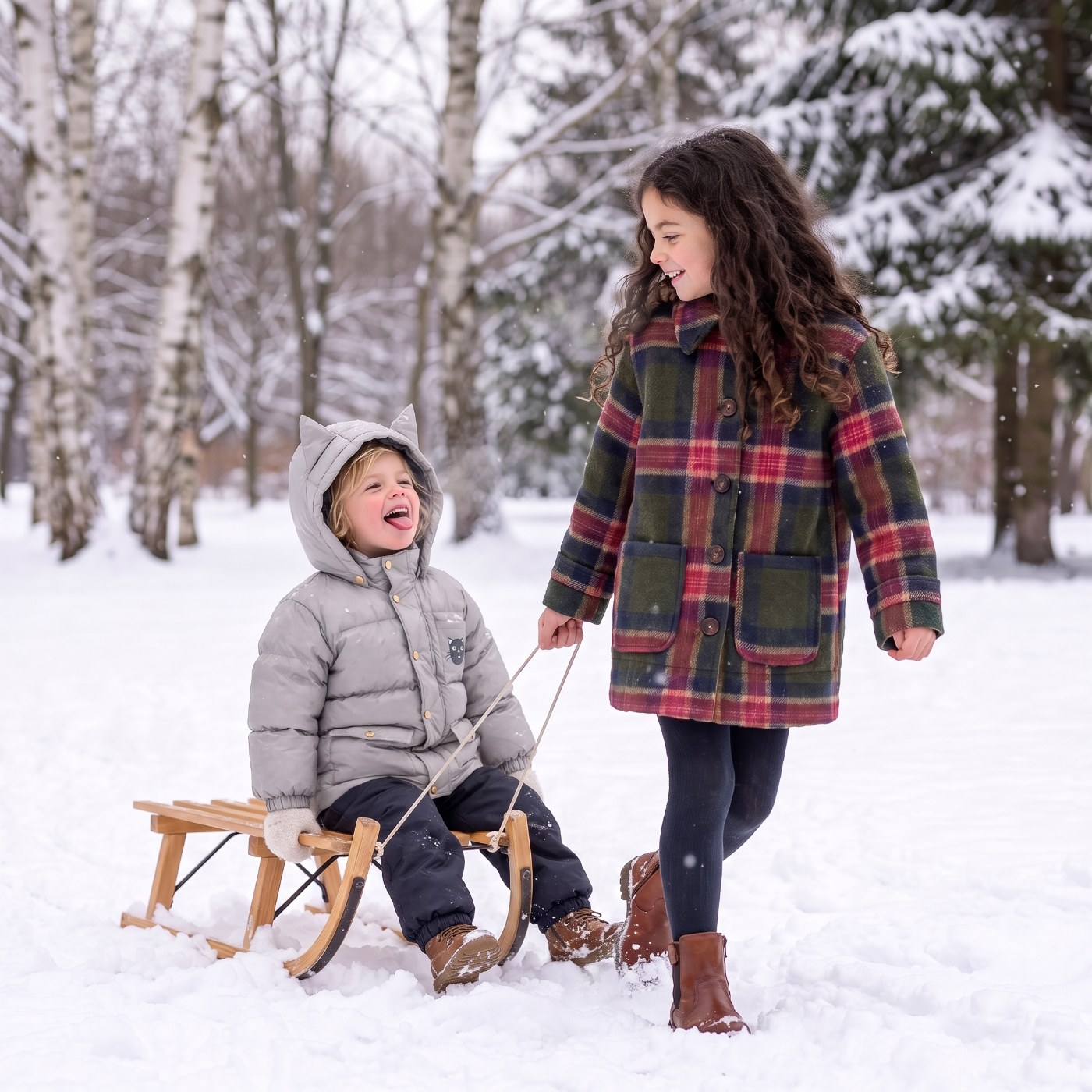
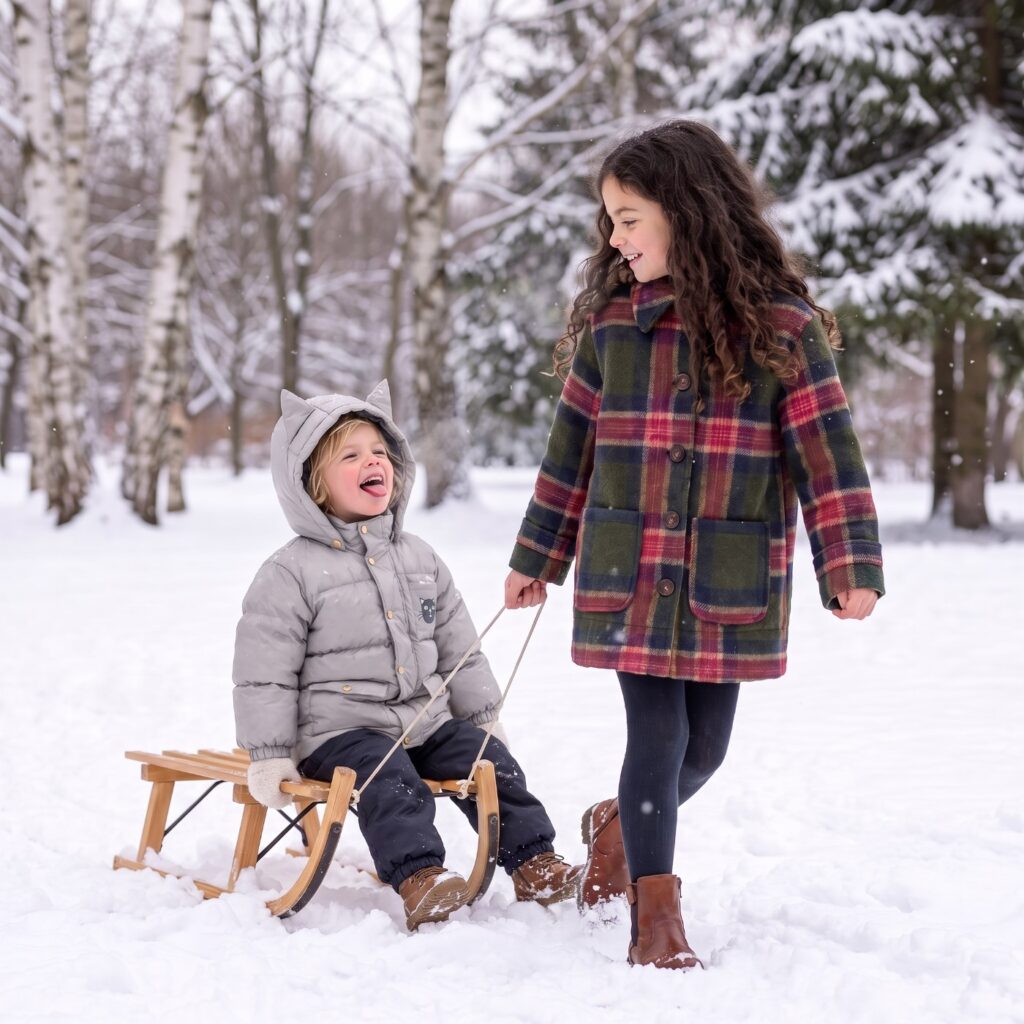
Key Takeaways
- The best kids winter coats keep children warm without PFAS “forever chemicals” in the water-repellent finish, so look for a PFAS-free or PFC-free label.
- Most warm coats use synthetic fabric that sheds microplastics, so choose recycled versions and wash them inside a fiber-catching bag to cut the shedding.
- For milder days, a wool coat skips plastic entirely and sits gentler against young skin.
The best kids winter coats do two jobs at once. They keep your child genuinely warm, and they leave out the forever chemicals and skip as much plastic as a warm coat can. That second part is where most winter coats quietly fall short, and it is the reason this list is built a little differently.
Here is the part that surprises parents. The water-repellent finish on many kids coats is made with PFAS, a family of forever chemicals that build up in the body and the environment. A 2022 study in Environmental Science and Technology found PFAS in children’s school uniforms and outdoor clothing. On top of that, most warm coats are synthetic, and washing synthetic fabric sheds microplastic fibers, close to 500,000 in a single wash load of polyester. So a coat can look cozy and still carry two problems you cannot see.
We picked coats the way we score everything in our Plastic Footprint Directory, by what the item is actually made of. The wool coat that sheds little comes first. Then come the warm technical coats, ranked so the PFAS-free, recycled ones rise to the top, because for deep cold a synthetic coat is often the honest choice. Every pick below is built to be handed down, which is the greenest move of all.
The Experts Behind the Research
- Dr. Miriam Diamond and colleagues, environmental chemists whose 2022 study measured PFAS forever chemicals in children’s school uniforms and clothing.
- Dr. Imogen Napper and Professor Richard Thompson, University of Plymouth marine scientists who measured how many microfibers different fabrics shed in a normal wash.
What Makes a Kids Winter Coat Non-Toxic?
A non-toxic kids winter coat has no PFAS forever chemicals in its water-repellent finish and uses safer fabrics. The clearest signals are a PFAS-free or PFC-free label, natural fibers like organic cotton and wool, or recycled synthetics from brands that disclose their materials.
Two things make a coat cleaner for a child. The first is the finish. Many waterproof and water-resistant coats rely on PFAS chemicals to shed rain, and those chemicals do not break down. Brands now offer PFAS-free and PFC-free finishes that work nearly as well, so you rarely have to trade dry for safe. The second is the fabric itself. Natural fibers are the gentlest, and where a coat has to be synthetic for warmth, a recycled fabric from a transparent brand is the better pick.
Why PFAS-Free Matters More for Kids
Children are more vulnerable to PFAS because they are smaller, still developing, and more likely to mouth their clothing. Choosing a PFAS-free coat lowers their exposure to chemicals linked to health concerns, with almost no loss in everyday performance.
PFAS are called forever chemicals because they do not break down in the body or in nature. Kids are more exposed than adults for simple reasons. They are smaller, their bodies are still developing, and younger ones chew on cuffs and zippers. A coat is not the only source, but it is one you can control with a single label check. PFAS-free finishes have improved a lot, so for everyday school and play, you are not giving up meaningful protection by choosing one.
The 7 Best Non-Toxic Kids Winter Coats
Our top pick for warmth is Reima or the Patagonia Kids’ Down Sweater, both PFAS-free and made from recycled materials. For zero plastic, the Disana boiled wool jacket leads, with the Mini Boden wool coat close behind. The list runs from natural-fiber wool down to the warmest technical coats, with the trade-offs noted.
The picks below are ordered by plastic content, lowest first. The two wool coats lead for milder days and dressier cold. The warm technical coats that follow are synthetic by necessity, so we rank them on PFAS-free finishes, recycled fabric, and how long they last through hand-me-downs.
| Brand | Best for | Main fabric | PFAS-free? | Sheds microplastics? | Price |
|---|---|---|---|---|---|
| Disana | Best plastic-free coat | Organic merino wool, cotton lining | Yes (GOTS) | No | $$ |
| Mini Boden | Best wool coat | Wool and recycled polyester | Not stated | Low | $$$ |
| Frugi | Best rain coat | Recycled polyester | Yes (PFC-free) | Yes | $$ |
| Reima | Best warm technical coat | Recycled polyester | Yes | Yes | $$$ |
| Patagonia Kids | Best down warmth | Recycled nylon, recycled down | Yes | Yes | $$$ |
| Cotopaxi Kids | Best puffer | Recycled shell, RDS down | Check style | Yes | $$$ |
| Mini Rodini | Best design-forward | Recycled polyester | Yes | Yes | $$$ |
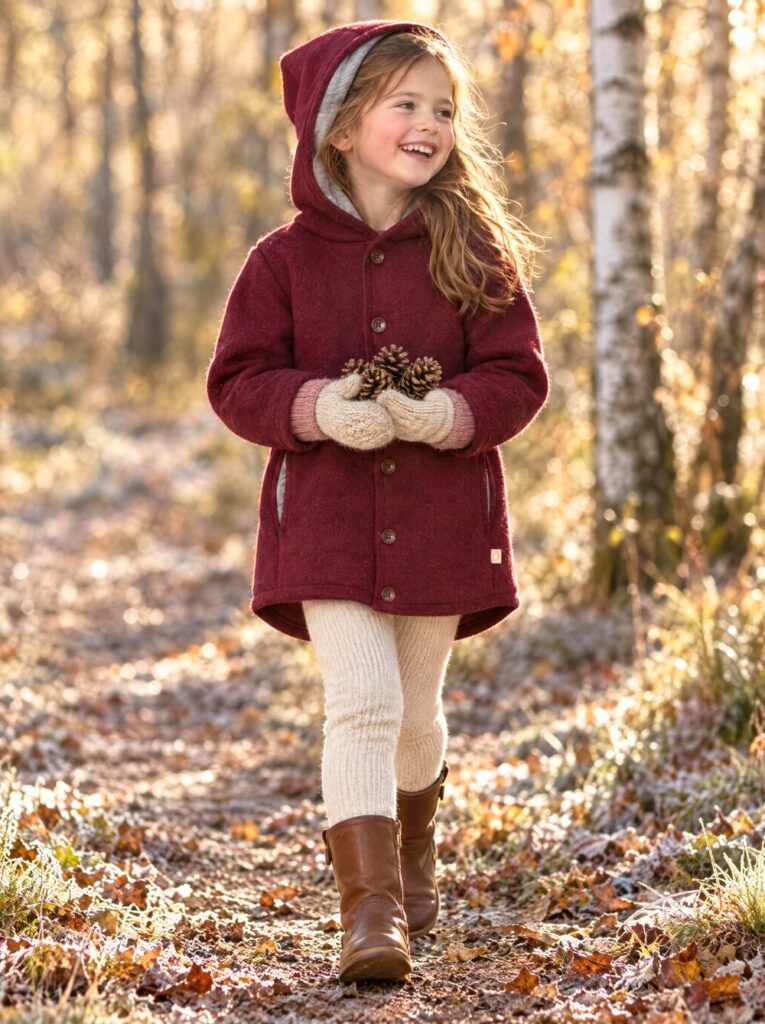
Best Fully Plastic-Free Coat
$$
Disana makes this hooded jacket from 100% GOTS-certified organic merino wool that is boiled into a thick, soft felt, with an organic cotton lining in the hood, neck, and shoulders and tagua nut buttons down the front. There is no polyester, no synthetic fill, and it is GOTS certified, a standard that bans PFAS and other harsh finishing chemicals, which makes it the only coat on this list with zero plastic.
Boiled wool shrugs off light rain, and parents say it keeps kids comfortable down to around freezing. On colder days, add a wool sweater underneath, and it becomes the cozy everyday coat that gets handed down from sibling to sibling.
Shell
100% Organic Merino Wool
✓ Natural FiberLining/Fill
Organic Cotton Lining
✓ Plastic FreeFinish
GOTS Certified (Bans PFAS)
✓ Non-ToxicPros
- GOTS organic merino and cotton, zero plastic
- Tagua nut buttons, made in Germany
- Sizes from babies up to about age 10
Cons
- Warmest to about freezing, layer up below that
- Not waterproof for slushy snow play
- Wool needs gentle hand washing
The only coat on the list with zero plastic, made for cool, dry days and layering. Add a wool sweater when it drops below freezing.
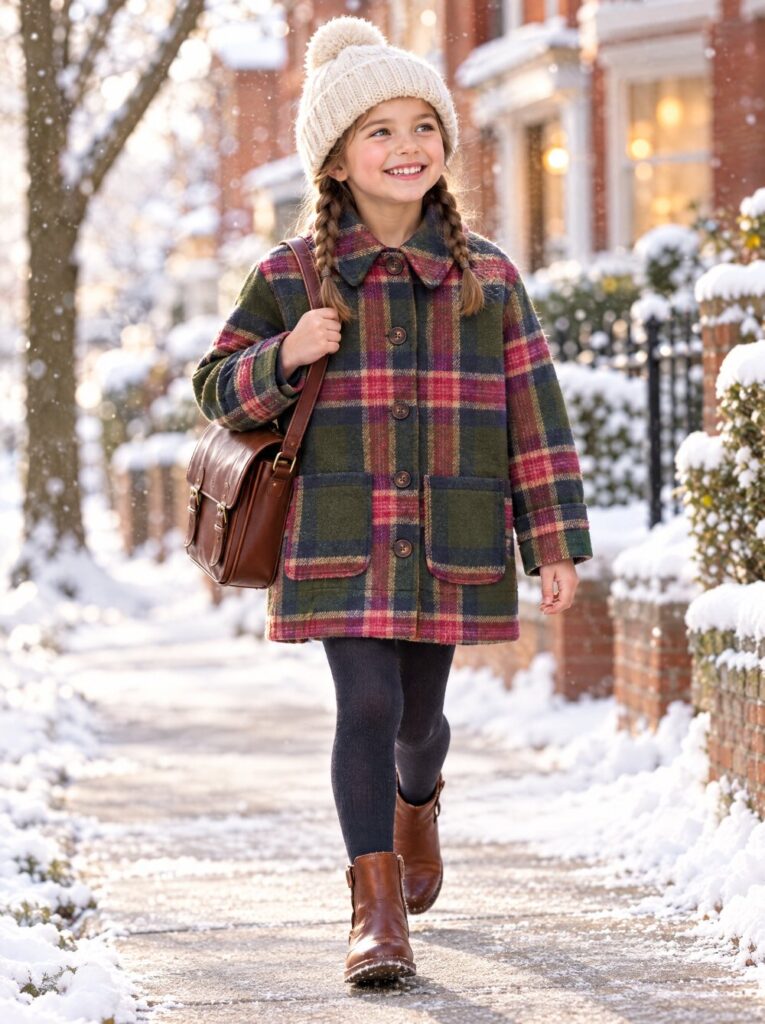
Best Natural-Fiber Dress Coat
$$$
Mini Boden makes the Wool Check Coat, the kind of classic coat that gets passed down through a whole family, with a bold green check, two patch pockets, and a soft cotton lining. Wool is a natural fiber that keeps warmth even when damp and sheds little compared with a synthetic puffer, which makes this the low-plastic pick for school runs and special days.
The honest note is the blend. The shell is half wool and half recycled polyester, so it lands as mostly plastic free rather than fully, but the lining is plain cotton instead of the usual polyester. For a coat your child will wear for two winters and a younger sibling after that, it earns its price.
Shell
50% Wool, 50% Recycled Polyester
⚠ Half SyntheticLining/Fill
100% Cotton Lining
✓ Plastic FreeFinish
Not Stated
⚠ UnverifiedPros
- Wool-rich, warm, and low-shedding
- Classic shapes that hand down well
- Soft cotton lining instead of polyester
Cons
- Shell is half recycled polyester
- Not built for heavy snow play
- Premium price
A hand-me-down wool coat for school and dress-up cold. Pick the highest wool percentage you can.
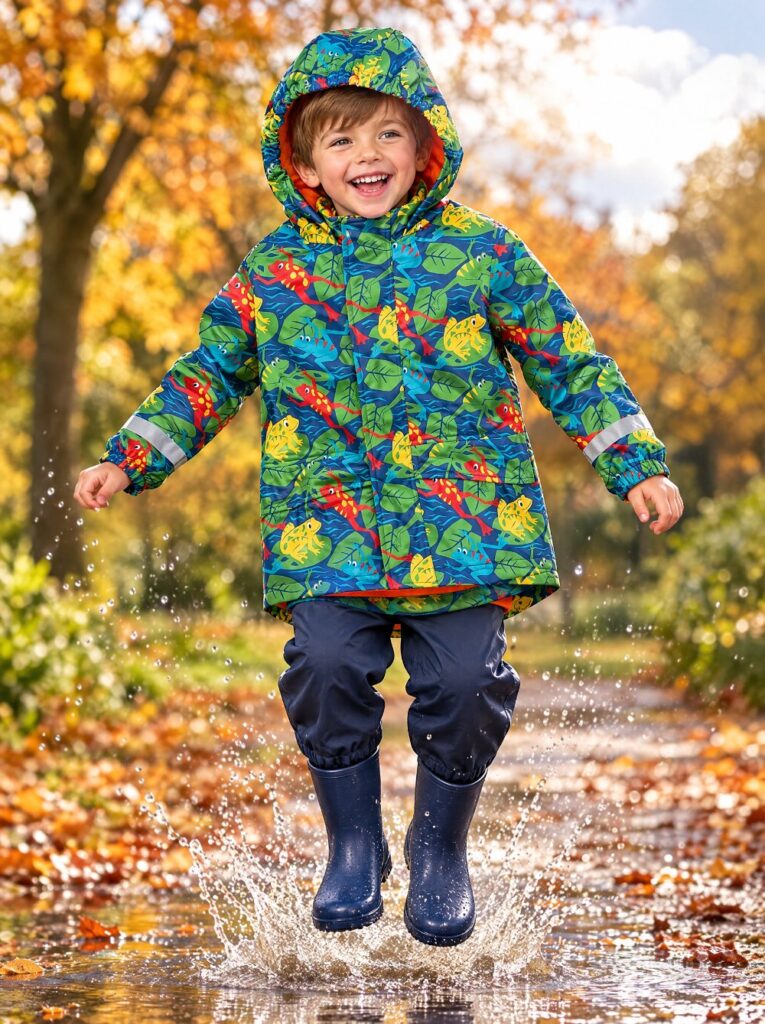
Best Waterproof Rain Coat
$$
Frugi is an organic kids brand, and its Puddle Buster is the coat for wet, muddy play. The waterproof shell is recycled polyester with a PU coating, and Frugi keeps its finishes PFC-free, so you get real rain protection without the forever chemicals.
It is still a synthetic shell, so it sheds like any recycled poly, and it is a rain layer rather than a deep-cold coat. For drizzly school mornings and puddle season, it is the honest, non-toxic choice, and the fleece-lined version adds warmth.
Shell
Recycled Polyester, PU
✗ Sheds PlasticLining/Fill
Recycled Fleece
✗ SyntheticFinish
PFC-Free
✓ Non-ToxicPros
- PFC-free waterproofing, no forever chemicals
- Made from recycled plastic bottles
- Organic brand with playful prints
Cons
- Recycled polyester still sheds microfibers
- A rain layer, not a deep-cold coat
- Ships from the UK
The PFC-free rain coat for puddle season. Wash it in a fiber-catching bag.
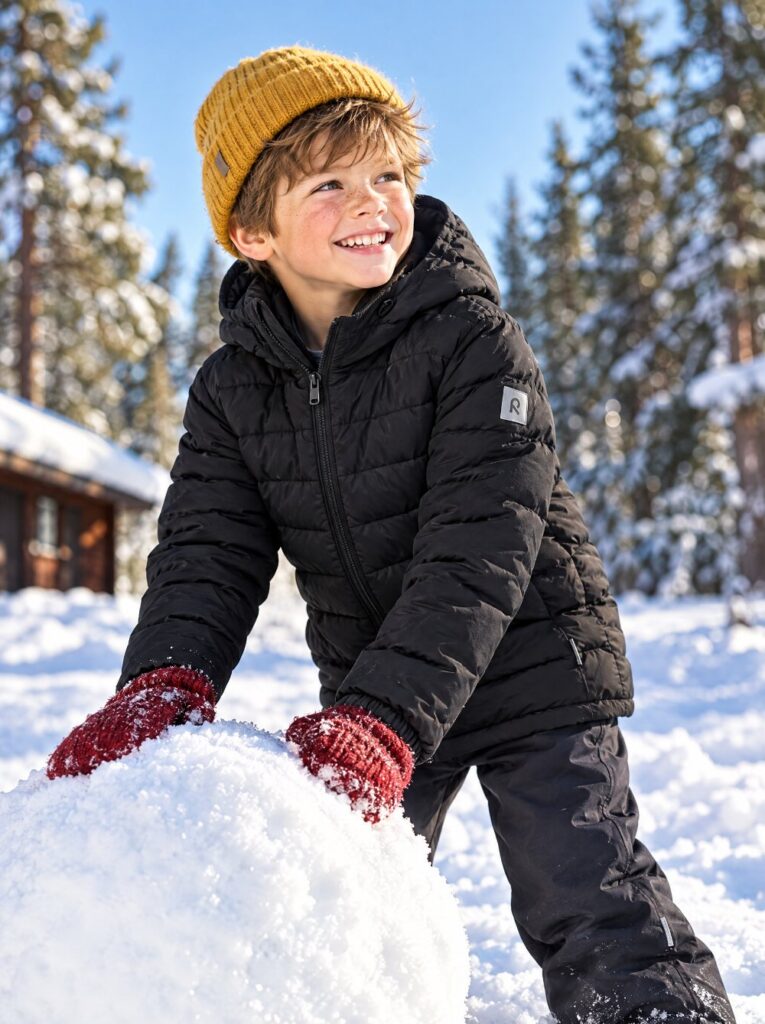
Best PFAS-Free Winter Warmth
$$$
Reima is the Finnish brand built for real winter, and it makes all of its outerwear without added PFAS. The Uumaja is wind and water resistant with light insulation, and Reima’s warmer parkas handle deep cold, so this is the technical coat that keeps kids dry and warm the safe way.
The fabric is recycled polyester, so it sheds like any synthetic, but Reima’s durability is the point. These coats survive years of sledding and get handed down, which is the real environmental win for a warm coat.
Shell
Recycled Polyester
✗ Sheds PlasticLining/Fill
Synthetic Fill
✗ SyntheticFinish
No Added PFAS
✓ Non-ToxicPros
- All outerwear made without added PFAS
- Built for genuine winter and hard play
- Extremely durable, hands down well
Cons
- Recycled polyester still sheds microfibers
- Premium price
- Uumaja is light insulation, size up for deep cold
The safest warm coat for a real winter, and it lasts for years. Best technical pick, choose a warmer parka for deep cold.
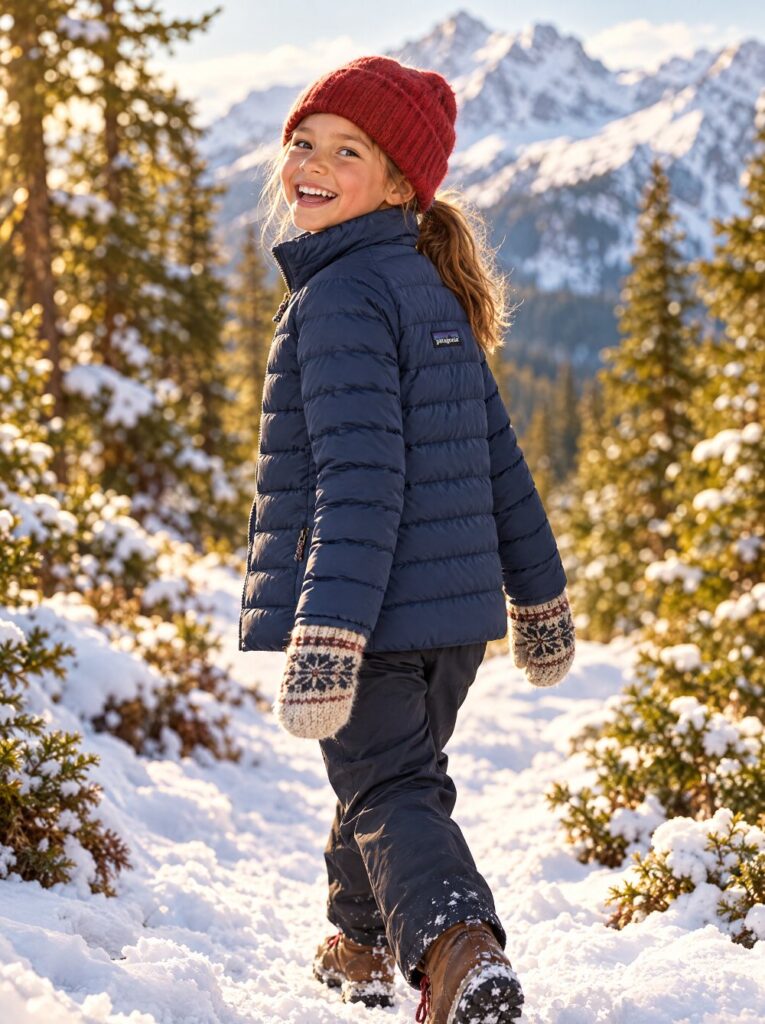
Best Recycled Down Warmth
$$$
Patagonia builds its Kids’ Down Sweater from a NetPlus recycled nylon shell made from fishing nets, filled with 100% recycled down, with a PFAS-free water finish. It is warm, packable, and backed by Patagonia’s repair and Worn Wear resale, so one coat can serve several kids.
It is still recycled plastic on the outside, so it sheds microfibers, but the durability and repair program keep it out of the landfill for years. For cold-weather warmth with a clean finish, it is the down pick.
Shell
Recycled Nylon (NetPlus)
✗ Sheds PlasticLining/Fill
100% Recycled Down
✓ ReclaimedFinish
PFAS-Free DWR
✓ Non-ToxicPros
- Recycled shell and recycled down
- PFAS-free finish, warm and packable
- Repair and Worn Wear resale program
Cons
- Recycled nylon shell sheds microfibers
- Premium price
- Down needs gentle care
Serious warmth with a clean finish and a repair program behind it. Best down pick, buy once and hand it down.
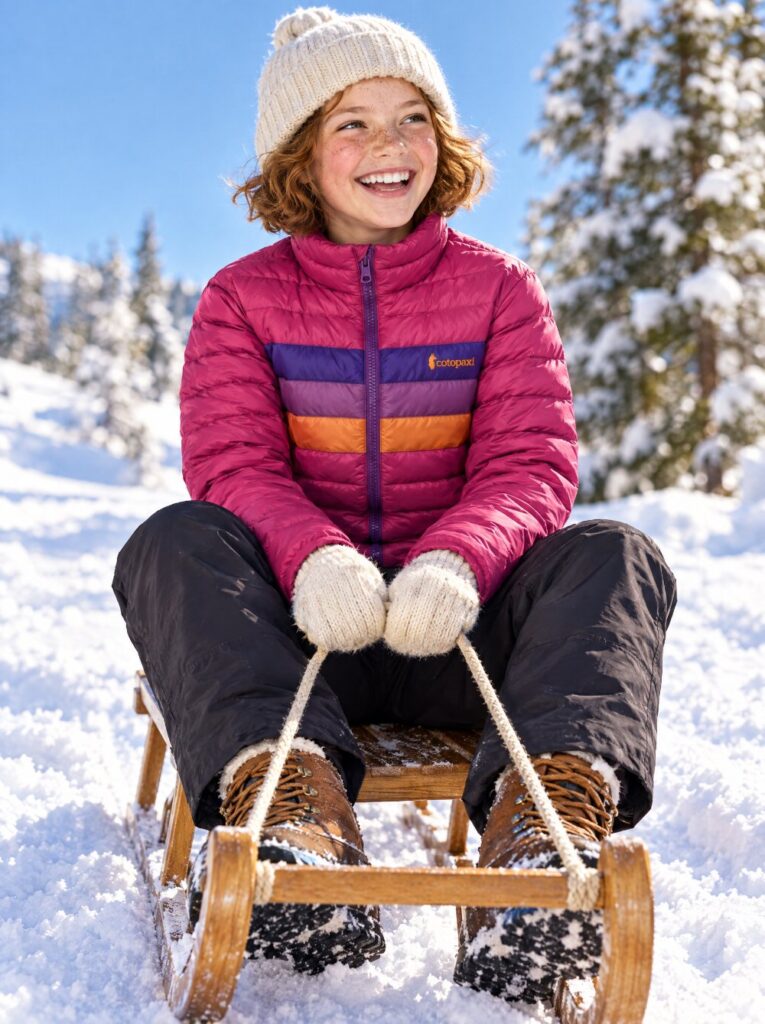
Best Colorful Down Puffer
$$$
Cotopaxi makes the kids’ Fuego from a recycled ripstop shell filled with 800-fill Responsible Down, from a certified B Corp. It is genuinely warm, packs into its own pocket, and the bright colorways are the reason kids actually want to wear it.
The shell is recycled plastic and sheds like any puffer, and the water finish varies by style so check the tag. For a warm, packable puffer from a values-driven brand, it is a strong pick that holds up to hand-me-downs.
Shell
Recycled Ripstop
✗ Sheds PlasticLining/Fill
800-Fill RDS Down
✓ CertifiedFinish
Check By Style
⚠ VariesPros
- Recycled shell, Responsible Down, B Corp
- Very warm and packable
- Bright colors kids love to wear
Cons
- Recycled shell sheds microfibers
- Confirm the water finish per style
- Premium price
A warm, packable puffer in colors kids actually reach for. Check the water finish before you buy.
Best Playful Recycled Coat
$$$
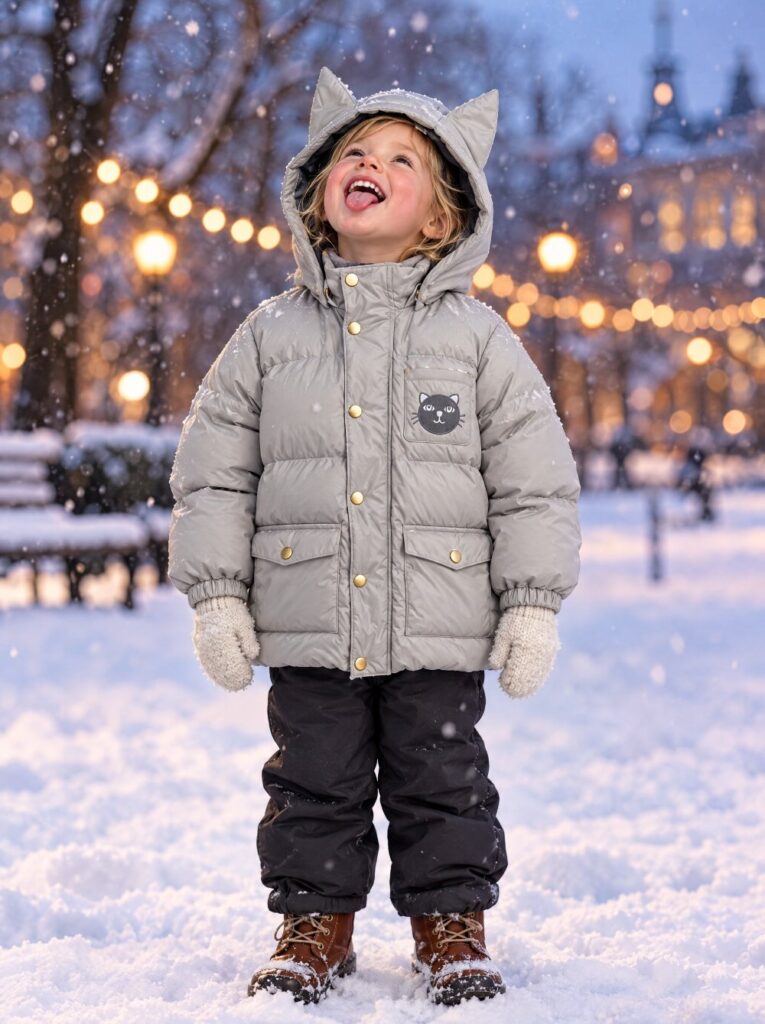
Mini Rodini is the Swedish brand known for bold prints and a real sustainability record. Its Cat Ears Heavy Puffer is an extra-warm coat made from 100% recycled polyester with a Bionic-Finish Eco water-repellent coating that is free from fluorocarbons, and the little ears on the hood are the reason kids reach for it every morning.
The shell and fill are recycled synthetic, so it sheds like any poly coat, but it is made to last and holds strong resale value. For a design-forward coat with genuine credentials, it is the standout.
Shell
100% Recycled Polyester
✗ Sheds PlasticLining/Fill
Recycled Polyester
✗ SyntheticFinish
Fluorocarbon-Free
✓ Non-ToxicPros
- 100% recycled polyester, fluorocarbon-free finish
- Distinctive prints with strong resale value
- Organic cotton across the rest of the range
Cons
- Winter shells are recycled plastic, they shed
- Premium price
- Bold prints are not for everyone
The coat with credentials and a look kids love. Great for resale, wash it in a filter bag.
How to Make a Kids Coat Last Two Winters
Buy one size up, wash it rarely and cold, air dry it, catch microfibers with a filter bag, and hand it down. A coat worn by two or three kids beats any single eco label on a coat that gets tossed after one season.
Kids grow fast, so the greenest coat is the one that fits more than one child. Size up a little at the start of the season so it lasts through spring and into a sibling’s turn. Outerwear rarely needs washing, so spot-clean when you can and run a full wash only when it is truly dirty, cold and gentle. Air drying is easier on the fabric than a hot dryer.
For any synthetic coat, a microfiber-catching wash bag traps the shed fibers before they reach the drain. When a coat is outgrown, pass it on, resell it, or donate it. Buy-nothing groups and school swaps keep good coats in circulation and off the landfill.
✨ TIP
Check the label for one word
Before you buy, look for “PFAS-free” or “PFC-free” on the coat’s water-repellent finish. It is the single fastest way to screen out forever chemicals, and more kids brands print it right on the tag now.
📌Save This Before the First Snow Day
Where to Shop Non-Toxic Kids Coats
Shop directly from the brands above, or from an organic kids retailer like Little Spruce Organics that stocks natural-fiber coats from several vetted brands in one place. Each pick also lives in our Plastic Footprint Directory under Fashion, scored by fiber.
If you would rather browse natural-fiber options together, a curated organic retailer like Little Spruce Organics carries wool and organic cotton kids coats from brands that are hard to find in one shop. When you want to compare a specific coat before you buy, our Fashion directory scores each one on the same plastic scale used across the site.
Don’t Miss: How to Avoid Microplastics: 15 Simple Everyday Tips Coats are one source. Here are the easy daily swaps that cut your family’s microplastic exposure. Read more →FAQs About Kids Winter Coats
For deep cold, a recycled down coat like the Patagonia Kids’ Down Sweater or a Reima insulated parka offers the most warmth while keeping a PFAS-free finish. Down and quality synthetic insulation both trap heat well; the key is choosing a brand that skips the forever chemicals in the water finish.
Many do. PFAS forever chemicals are commonly used in water-repellent finishes, and a 2022 study found PFAS in children’s school uniforms and outdoor clothing. The fix is easy: choose coats labeled PFAS-free or PFC-free, which more kids brands now offer without giving up rain protection.
Organic cotton is best as a layer rather than a standalone deep-winter coat. It is soft, breathable, and plastic-free, which makes it ideal for milder days and for wearing under a warmer coat. For real cold, pair an organic cotton layer with an insulated, PFAS-free outer coat.
Choose natural fibers where you can, since wool and organic cotton do not shed plastic. For synthetic coats, wash them rarely, use cold water and a gentle cycle, and put them in a microfiber-catching laundry bag to trap the fibers before they reach the drain.
Secondhand is often the greenest choice because it keeps a coat in use and adds no new production. If you buy new, pick a durable, PFAS-free coat you can hand down, which spreads its footprint across several children over several winters.
Final Thoughts About Non-Toxic Kids Winter Coats
Look for a PFAS-free label, favor natural fibers where warmth allows, and buy one good coat you can hand down. That single approach covers the two hidden problems in most kids coats, forever chemicals and microplastics, without leaving your child cold.
The best kids winter coats are the ones that keep your child warm and skip what they do not need. Check the tag for a PFAS-free or PFC-free finish, reach for organic cotton and wool on milder days, and when you need real warmth, pick a durable recycled coat from a brand that tells you what it is made of. Buy a size up, hand it down, and you have done the hard part for both your child and the planet.
📚 References
View sources
- Napper, I. E., & Thompson, R. C. (2016). Release of synthetic microplastic plastic fibres from domestic washing machines: Effects of fabric type and washing conditions. Marine Pollution Bulletin, 112(1-2), 39-45. https://doi.org/10.1016/j.marpolbul.2016.09.025
- Xia, C., Diamond, M. L., Peaslee, G. F., et al. (2022). Per- and polyfluoroalkyl substances in North American school uniforms. Environmental Science & Technology, 56(19), 13845-13857. https://doi.org/10.1021/acs.est.2c02111
- Boucher, J., & Friot, D. (2017). Primary microplastics in the oceans: A global evaluation of sources. IUCN. https://portals.iucn.org/library/sites/library/files/documents/2017-002-En.pdf