Key Takeaways
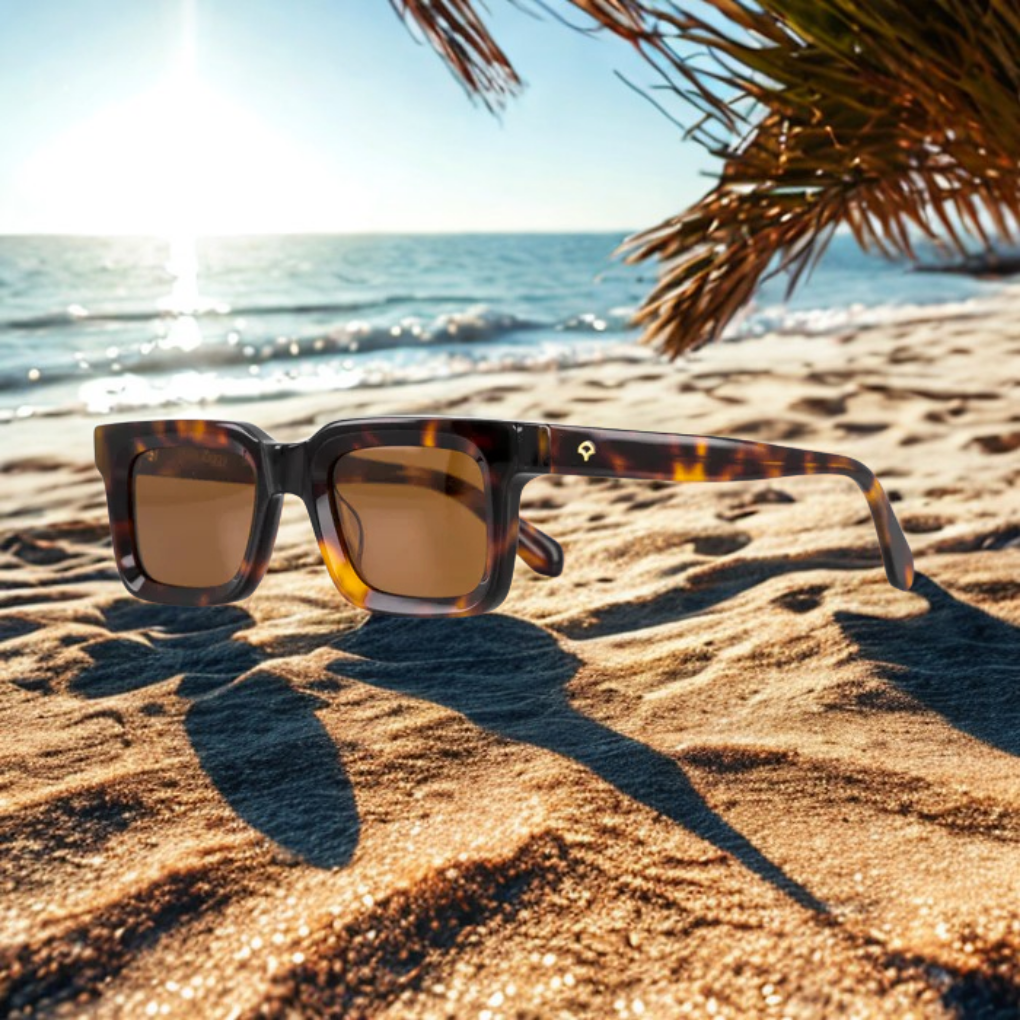
- The best sustainable sunglasses use recycled plastic, reclaimed fishing nets, plant-based bio-acetate, or wood instead of virgin fossil-fuel plastic.
- Eye protection still comes first. Look for lenses that block 100% of UVA and UVB rays, since the WHO links up to 10% of cataracts to UV exposure.
- Certifications like B Corp, 1% for the Planet, FSC, and the Global Recycled Standard help separate genuine sustainable brands from greenwashed marketing.
Sunglasses are a must-have, whether you’re at the beach, driving, or just soaking up some sun. Most of these sunglasses, however, are made from plastics that don’t break down easily. Every year, millions of pairs are discarded into landfills around the world.
The eyewear industry produces hundreds of millions of frames annually, with a significant portion made from virgin plastics such as polycarbonate, nylon, and plasticized acetate. These materials not only persist for a long time but also impose a significant environmental toll through carbon emissions and waste.
Thankfully, things are starting to shift. A growing number of brands are finding ways to use recycled plastics, fishing nets pulled from the ocean, and other sustainable materials to create sunglasses that not only look great but also help reduce waste.
In this post, we’ll introduce you to some of the best sustainable sunglasses brands out there. We’ll look at the materials they use, their sustainability missions, and how you can make a stylish choice that’s better for the planet. Ready to see how your next pair of sunglasses can make a difference? Let’s get started.
Why Choose Sustainable Sunglasses?
Sustainable sunglasses reduce demand for virgin fossil-fuel plastic and keep recovered waste, like fishing nets and ocean plastic, in use, all without sacrificing UV protection or style.
Pick up ten pairs of sunglasses in any shop and nine of them will be plastic. Frames, hinges, lenses, the lot. It feels normal because it has always been that way, but it adds up. The global eyewear market topped 200 billion dollars in 2024, according to Grand View Research, and most of those frames start life as nylon, polycarbonate, or plasticized acetate pulled from fossil fuels.
Here is the part that matters for a low-plastic home. A pair of plastic sunglasses does not disappear when you are done with them. It sits in a landfill for generations, and as it slowly breaks apart, it sheds tiny fragments called microplastics into soil and water. One forgotten pair is not a crisis. Millions of pairs replaced every year is a different story.
Sustainable sunglasses break that loop in two ways. Recycled frames give existing waste a second life, so nothing new has to be drilled or refined. Plant-based frames use renewable crops like castor beans or wood pulp rather than oil. Either way, you get the same shade and style with a much smaller footprint. That is the whole idea, and the brands further down this page do it well.
What to Look for in Sustainable Sunglasses
When choosing sustainable sunglasses, check for 100% UVA and UVB protection first, then weigh frame material, durability, third-party certifications, and whether the brand repairs or recycles old pairs.
A frame can be made of the greenest material on earth and still be a bad buy if it falls apart in a season or lets UV light through. Sustainable shopping and smart shopping are the same thing here. Here is what actually matters, in order.
UV Protection Comes First
No material choice is worth risking your eyes over. Look for lenses labeled UV400 or “100% UVA/UVB protection.” UV400 means the lens blocks ultraviolet light up to 400 nanometers, which covers both UVA and UVB rays.
This is not a small detail. According to the World Health Organization, up to 10% of cataracts may be caused by overexposure to UV radiation, and UV is also linked to growths on the eye and certain eye cancers. A dark lens with no UV coating is worse than no sunglasses at all, because the dark tint opens your pupils and lets more UV in. Tint is comfort. UV400 is protection. You want both.
Durability and Fit
The most sustainable pair is the one you keep for years. Check the hinges, since cheap hinges are the first thing to fail. Five-barrel metal hinges and spring hinges last longer than thin plastic ones. A pair that fits well also lasts longer, because you are not constantly pushing it back up your nose and stressing the frame.
A good fit means the frame sits level, the arms do not pinch behind your ears, and the lenses do not touch your lashes. Many sustainable brands publish frame measurements online, so you can match the width to a pair you already own and like.
Certifications That Actually Mean Something
Anyone can print a leaf on a box. Third-party certifications are harder to fake. A few worth knowing: B Corp checks a company’s whole social and environmental record. 1% for the Planet members give 1% of sales to environmental causes. The Global Recycled Standard verifies recycled content. The Forest Stewardship Council (FSC) certifies responsibly sourced wood. PETA-Approved Vegan confirms no animal-derived materials.
A brand does not need every badge to be worth buying. But certifications give you something concrete to point to instead of a vague promise.
Packaging and End-of-Life
Sustainability does not stop at the frame. The better brands ship in recycled or plastic-free packaging, and the best ones plan for the day your sunglasses wear out. Look for repair services, replacement parts like nose pads and screws, and take-back or recycling programs. A brand that wants your old pair back is a brand built for the long haul.
✨ Tip
Match the Lens to Your Day
If you spend time near water, snow, or a busy road, polarized lenses cut glare and sharpen what you see. For everyday city wear, a solid UV400 lens is plenty. Polarized lenses cost a little more, so buy them where they earn their keep.
Key Materials in Sustainable Sunglasses
Sustainable sunglasses are made from recycled plastic, reclaimed fishing nets, plant-based bio-acetate, castor-based resin, FSC-certified wood, or recycled metal, each with its own balance of durability, aesthetics, and environmental impact.
“Eco-friendly material” gets used loosely in eyewear, so it helps to know what is actually in the frame on your face. Each option below cuts plastic in a different way, and a few come with trade-offs worth knowing before you buy.
Recycled Plastic and Reclaimed Fishing Nets
Recycled plastic frames are made from waste that already exists, like old water bottles, factory offcuts, or fishing nets pulled from the sea. Lost and abandoned fishing gear, often called ghost gear, is one of the most harmful forms of ocean plastic, so turning it into frames keeps it out of the water and out of marine animals.
The honest catch: recycled plastic is still plastic, the same way polyester and nylon are. It does not biodegrade. What it does do is skip the oil drilling and refining behind virgin plastic, and it gives a stubborn waste material a long second life. For a frame you will keep for years, that is a win worth having.
Plant-Based Bio-Acetate
Acetate is the glossy material behind most “designer” frames. Conventional acetate is made from cotton and wood pulp, which sounds natural, but it relies on petroleum-based plasticizers to remain flexible. Bio-acetate swaps those in for plant-based plasticizers, often made from citric acid. The result is a frame that is mostly plant-derived and free of the fossil-fuel softeners.
Bio-acetate is often labeled biodegradable, and that is true with a caveat worth saying plainly. It breaks down under industrial composting conditions, not in a backyard bin or a landfill. So bio-acetate is a cleaner material from the start, but it is not a magic disappearing frame.
Plant-Based Resin
Some brands skip acetate and use a plant-based resin instead, often derived from castor oil. Castor is a hardy crop that grows on land unsuited to food production, needs little water, and yields a light, springy frame. Resin frames are a favorite for sport and outdoor styles because they flex without snapping. The share of plant content varies by brand, so it is worth checking how much of the frame is actually plant-based versus conventional plastic.
Wood, Cork, and Bamboo
Wood, cork, and bamboo are the most natural-feeling options, and every frame looks a little different. Cork is harvested from the bark of cork oak trees without cutting them down, and bamboo grows fast with no pesticides. These frames are renewable and biodegradable, lightweight, and full of character. The trade-off is that pure wood frames can be less flexible than acetate or resin, so fit and careful handling matter more.
Recycled Metal
Recycled metal frames, usually aluminum or stainless steel, are slim, strong, and endlessly recyclable. Metal does not shed microplastics as it ages, and a metal frame can be melted down and remade many times over. The thing to check is the small parts, since some metal frames still use plastic temple tips or nose pads.
How We Picked These Sustainable Sunglasses
We picked these sustainable sunglasses by checking each brand’s frame materials, lens quality, certifications, and end-of-life programs against its published specs, and we left out mass-market brands that offer only a token recycled line.
We started with the eyewear brands that keep coming up in plastic-free and low-waste communities, then went brand by brand. For each one, we looked at what the frames and lenses are made of, whether UV protection is built in, and what happens to the packaging and the pair at the end of their life.
We also checked certifications. B Corp, 1% for the Planet, FSC, the Global Recycled Standard, and PETA-Approved Vegan all gave a brand a stronger footing, because they mean an outside group has looked under the hood.
A few well-known names did not make the cut. We left out big mass-market sunglasses brands that sell one recycled collection while the rest of their catalogs rely on virgin plastic, because a single eco line does not make a brand sustainable. The 11 below build their whole identity around recycled or plant-based materials, not a marketing capsule.
The 10 Best Sustainable Sunglasses Brands for 2026
The best sustainable sunglasses for 2026 are Waterhaul for recycled ocean plastic, Coral Eyewear and CHPO for recycled frames, Ozeano and Dick Moby for bio-acetate, and Ballo, Proof, and Woodzee for wood and natural materials.
Below are the 10 brands, grouped by the material their frames are made of, so you can shop straight to the material you want. Each card breaks down the frame, the lenses, UV protection, and packaging, with honest pros and cons.
A quick word on the badges. No pair of sunglasses is truly plastic-free, since even recycled and plant-based frames are a type of plastic. So the badges here rank frames by what they are made of. The teal badge means the frame is made entirely from recycled or renewable material with no virgin fossil-fuel plastic. The terracotta badge indicates that the frame blends plant-based or recycled materials with some conventional virgin plastic.
ℹ️ One heads-up before you scroll: not every style from a brand uses the same materials. A brand can offer a bio-acetate line and a recycled-metal line side by side. Always double-check the description of the exact pair you are eyeing.

Best overall, ocean plastic with a lifetime guarantee
$80–120 price range
Waterhaul is a Cornwall brand with the clearest waste-to-frame story on this list. Every frame is made from recycled fishing nets, the lost and abandoned “ghost gear” that is one of the most harmful forms of ocean plastic. The nets are intercepted off the coast and turned into a frame you can wear for years.
The lenses are Barberini mineral glass, which is naturally scratch resistant and gives crisp, true color. Frames have sturdy five-barrel hinges and can be warmed and gently adjusted at home for a better fit. Waterhaul backs every pair with a lifetime guarantee, and damaged frames go back into a closed-loop recycling system.
Frame
Recycled Fishing Nets
✓ RecycledLenses
Barberini Mineral Glass
✓ Glass LensUV Protection
100% UVA / UVB
✓ Full UVPackaging
Recycled, Plastic-Free
✓ Plastic-FreePros
- Frames made entirely from recovered fishing nets
- Scratch-resistant mineral glass lenses, true color
- Lifetime guarantee plus closed-loop recycling
- Frames can be heat-adjusted at home for fit
Cons
- Glass lenses are heavier than plastic ones
- Fewer frame styles than the bigger brands
- Ships from the UK, so US delivery takes longer
A simple, honest recycled-waste story, built to last with a guarantee to match.Best for: Beach and water days, anyone who wants a clear ocean-plastic story

Best for everyday wear, recycled nylon that feels premium
$160–210 price range
Coral Eyewear is a UK brand built around ECONYL, a regenerated nylon made from waste like discarded fishing nets and other reclaimed scraps. Regenerated nylon carries a far smaller carbon footprint than virgin nylon pulled from oil, and it feels every bit as polished on your face.
The Ocean Collection uses recycled fishing nets, while the Earth Collection blends recycled plastics with wood pulp and plant oils for a frame that feels like classic acetate. Frames are designed in the UK and crafted in Italy, and they are recyclable at the end of their life.
Frame
ECONYL Regenerated Nylon
✓ RecycledLenses
Polarized, UV400
✓ PolarizedUV Protection
UV400, Full UVA / UVB
✓ Full UVPackaging
Recycled & Recyclable
✓ RecycledPros
- ECONYL regenerated nylon, far lower footprint than virgin nylon
- Polished, premium look for everyday wear
- Two collections: reclaimed nets or acetate-feel
- Designed in the UK, crafted in Italy
Cons
- Higher price than most picks here
- Sunglasses range is smaller than the eyeglasses range
- Ships from the UK
Recycled credentials in a frame polished enough for any day of the week.Best for: Office-to-weekend wear, anyone who wants recycled materials without a “crafty” look

Best on a budget, fully recycled frames from $40
$40–120 price range
CHPO is a Swedish brand that proves sustainable does not have to mean expensive. Every sunglass frame is made from 100% recycled plastic, using polycarbonate certified to the Global Recycled Standard. A metal-frame option uses recycled stainless steel the brand calls ReSteel.
The lenses are made with 70% recycled material and carry scratch-resistant and anti-fog coatings. Pouches are sewn from recycled PET bottles, the styles are PETA-Approved Vegan, and shipping is carbon-neutral. For a first sustainable pair, it is the easiest place to start.
Frame
100% Recycled Plastic
✓ RecycledLenses
70% Recycled, UV400
✓ UV400UV Protection
100% UVA / UVB
✓ Full UVPackaging
Recycled PET Pouch
✓ RecycledPros
- Frames are 100% recycled plastic
- Global Recycled Standard certified polycarbonate
- PETA-Approved Vegan, carbon-neutral shipping
- The most budget-friendly pick on this list
Cons
- Recycled polycarbonate is still a plastic, not plant-based
- Trend-led styles change season to season
- Mostly sold online
The easiest, lowest-cost way into recycled eyewear without cutting corners on certification.Best for: A first sustainable pair, students, a backup pair for the car or beach bag

Best on Amazon, recycled resin with a lifetime warranty
$58–98 price range
Sunski is a California brand that worked out how to turn post-industrial scrap plastic from US factories into sunglasses. Its recycled resin, which the brand calls SuperLight, makes up the whole frame, so nothing new has to be drilled from oil.
The polarized lenses block 100% of UV rays. Sunski has been a 1% for the Planet member since day one and is certified Climate Neutral, and every pair carries a lifetime warranty on the frame. It is also one of the easiest picks here to find on Amazon.
Frame
Recycled SuperLight Resin
✓ RecycledLenses
Polarized, 100% UV
✓ PolarizedUV Protection
100% UVA / UVB
✓ Full UVPackaging
Minimal, Recyclable
✓ Low-WastePros
- Recycled resin made from US factory scrap plastic
- Lifetime warranty covers the frame
- 1% for the Planet member and Climate Neutral certified
- One of the easiest picks here to buy on Amazon
Cons
- Recycled resin is still a plastic, not plant-based or biodegradable
- Sporty styling will not suit every look
- Smaller frame range than mainstream brands
A genuinely recycled frame with a lifetime warranty behind it, and the simplest pick here to buy on Amazon.Best for: Everyday and active wear, and anyone who prefers to shop on Amazon

Best plant-based pick, fully biodegradable bio-acetate
$70–80 price range
Ozeano is an Australian brand with one of the cleanest material stories on this list. Every pair is made from 100% biodegradable Italian bio-acetate, a plant-based material drawn from cotton and wood pulp, with the petroleum softeners swapped out for plant-based ones.
The polarized CR-39 lenses give complete UV protection and cut glare. Shipping is carbon-neutral and orders arrive in home-compostable mailers, so the packaging is as low-waste as the frame. Ozeano took home a sustainable business award in 2025, and the styles are PETA-approved vegan.
Frame
Italian Bio-Acetate
✓ Plant-BasedLenses
CR-39 Polarized
✓ PolarizedUV Protection
100% UVA / UVB
✓ Full UVPackaging
Home-Compostable Mailer
✓ CompostablePros
- Frames are 100% biodegradable plant-based bio-acetate
- Polarized CR-39 lenses with full UV protection
- Home-compostable mailers, carbon-neutral shipping
- PETA-approved vegan, friendly price
Cons
- Bio-acetate needs industrial composting to fully break down
- Australian brand, so overseas shipping takes longer
- Smaller style range than the bigger brands
A fully plant-based frame with packaging to match, at a price that is easy to say yes to.Best for: Anyone who wants a plant-based frame and the lowest-waste packaging

Best for design lovers, recycled Italian acetate
$215–295 price range
Dick Moby is an Amsterdam brand that treats waste as the starting point. The black frames are made from 97% recycled acetate, with just a touch of ink for color. The colored frames use M49, a biodegradable acetate built from wood pulp and plant-based plasticizers made from citric acid.
There are also stainless steel frames crafted from pre-consumer waste. The sun lenses are ZEISS bio-nylon, and the frames are handmade in Italy. Even the extras follow the brief, with recycled PET pouches and recycled leather cases.
Frame
Recycled / Bio Acetate
✓ Recycled & BioLenses
ZEISS Bio-Nylon
✓ Bio-BasedUV Protection
Full UVA / UVB
✓ Full UVPackaging
Recycled PET & Leather
✓ RecycledPros
- Black frames are 97% recycled acetate
- Colored M49 acetate uses plant-based plasticizers
- ZEISS bio-nylon lenses, handmade in Italy
- Recycled materials run through to the packaging
Cons
- The priciest pick on this list
- Recycled leather cases are not vegan
- Design-forward styling will not suit everyone
Recycled and bio-based materials worked into frames that look like a design label, because they are one.Best for: Design lovers who refuse to choose between looks and materials

Best for sport and the outdoors, plant-based resin
$130–259 price range
Zeal Optics has been making sunglasses from Boulder, Colorado since 1997, and they are built for people who are always moving. Most frames use Z-Resin, a partly plant-based material made from castor bean oil. Being honest about it: Z-Resin replaces at least 45% of the petroleum plastic, so the frame is part plant and part conventional plastic.
Some styles use See Grass, a blend of agricultural grass fiber and recycled plastic. The polarized lenses are plant-based too. Zeal is a 1% for the Planet member, and the packaging uses FSC-certified paper with no single-use plastic.
Frame
Z-Resin (Castor-Based)
⚠ Partly VirginLenses
Plant-Based Polarized
✓ PolarizedUV Protection
100% UVA / UVB
✓ Full UVPackaging
FSC Paper, Plastic-Free
✓ Plastic-FreePros
- Z-Resin and See Grass cut petroleum content and weight
- Built for sport, frames flex without snapping
- Plant-based polarized lenses
- 1% for the Planet member, plastic-free packaging
Cons
- Z-Resin still contains conventional petroleum plastic
- Higher price than the budget picks
- Sport styling will not suit every wardrobe
A partly plant-based frame built to take a beating, ideal once the trail or the water is involved.Best for: Hiking, paddling, and outdoor sport where durability matters most

Best carbon story, carbon-negative frames
$100–300 price range
ECO Eyewear, part of House of MODO, gives you two ways to skip virgin plastic. Frames come either in 95% recycled metal or in a bio-based resin made from about 63% castor seed oil. The recycled-metal line is the most fully recycled choice of the two.
What sets ECO apart is the carbon math. Through its One Frame One Tree program, the brand plants a tree for every frame sold and says its tree planting removes more carbon than the business creates. ECO reports more than 1.5 million trees planted so far, and the frames are easy to find through opticians.
Frame
Recycled Metal / Castor Resin
✓ Recycled & BioLenses
UV400
✓ UV400UV Protection
100% UVA / UVB
✓ Full UVPackaging
Recycled Fiber
✓ RecycledPros
- Choice of 95% recycled metal or castor bio-resin
- Carbon-negative business, by the brand’s accounting
- One Frame One Tree, 1.5 million-plus trees planted
- Widely available through opticians
Cons
- The castor resin frames are about 63% bio-based, not 100%
- Price climbs at the top of the range
- Materials and certifications vary by collection
The strongest carbon story on this list, with a recycled-metal option that keeps plastic out entirely.Best for: Carbon-focused shoppers who like to buy through an optician

Best statement piece, handmade cork and offcuts
$75–150 price range
Ballo Eyewear has been handmaking frames in Cape Town since 2013, and no two pairs look quite the same. Frames are built from cork, wood offcuts, recycled paper, fabric offcuts, and plant-based biodegradable acetate. The cork styles are wrapped in patterned fabric and made in limited runs of no more than 100.
Ballo is a Certified B Corporation and a 1% for the Planet member. The brand is carbon positive and zero waste, makes frames to order so nothing is overproduced, and plants a tree for every pair sold. Its give-back program also provides glasses to schoolchildren in South Africa.
Frame
Cork, Wood Offcuts, Bio-Acetate
✓ RenewableLenses
UV400
✓ UV400UV Protection
100% UVA / UVB
✓ Full UVPackaging
Recycled Paper
✓ RecycledPros
- Handmade cork and offcut frames, every pair unique
- Certified B Corp and 1% for the Planet member
- Carbon positive and made to order, so no overproduction
- Give-back program provides glasses to schoolchildren
Cons
- Limited-run cork styles sell out quickly
- Made to order, so there is a wait
- Bold patterned looks will not suit every wardrobe
The most distinctive frames here, backed by one of the strongest ethics records of any brand on the list.Best for: A one-of-a-kind statement pair and shoppers who want a B Corp

Best wood frames, FSC-certified and give-back
$60–150 price range
Proof Eyewear was started in Idaho by the Dame brothers, who grew up around their grandfather’s sawmill. That love of wood shows. Frames are handcrafted from FSC-certified wood, biodegradable cotton-based acetate, and reclaimed recycled aluminum.
Giving back is built in. Through the Do Good program, Proof funds education projects, and the brand partners with Eden Reforestation to plant five trees for every frame sold. Cases are made from pine wood, so the packaging stays plastic-free too.
Frame
FSC Wood / Cotton-Acetate
✓ RenewableLenses
Polarized, UV400
✓ PolarizedUV Protection
100% UVA / UVB
✓ Full UVPackaging
Pine Wood Case
✓ Plastic-FreePros
- FSC-certified wood frames, responsibly sourced
- Mix of wood, cotton-acetate, and recycled aluminum
- Five trees planted per frame via Eden Reforestation
- Plastic-free pine wood cases
Cons
- Pure wood frames are stiffer and less adjustable
- Wood frames need a little more day-to-day care
- Styles lean classic rather than trend-led
The wood-frame pick to beat, with FSC certification and a give-back program that does real work.Best for: Wood-frame fans and shoppers who want their purchase to give back

Best wood-and-recycled mix, with a take-back program
$70–240 price range
Woodzee started in Chico, California in 2011, and its frames have real personality. They are made from wood, recycled skateboard decks, and biodegradable acetate, so each pair carries its own grain and color. The brand’s downtown store closed in 2025, but the business continues online.
Woodzee runs a recycling program that takes back any old glasses, wearable or not, to be donated or remade. Through the Our World program, every purchase plants a tree, and you choose where it goes. Lenses carry UV400 protection, and packaging uses recycled paper and a cotton pouch.
Frame
Wood, Recycled Skate Decks
✓ RenewableLenses
Nylon, UV400
✓ UV400UV Protection
100% UVA / UVB
✓ Full UVPackaging
Recycled Paper, Cotton Pouch
✓ RecycledPros
- Distinctive frames from wood and recycled skate decks
- Take-back program accepts any old glasses
- A tree planted for every pair, your choice of location
- Recycled paper packaging and a cotton pouch
Cons
- Physical store closed in 2025, online only now
- Nylon lenses are a conventional plastic
- Worth checking stock, since the catalog has narrowed
My Experience
I have a Woodzee wood-frame pair, and the thing that still surprises me is how light they are. You expect wood to feel heavy and it just does not. Every pair has its own grain, so mine looks a little different from any other Woodzee I have seen.
Two honest notes. Wood frames want a bit of care, so I keep mine in the case rather than tossing them in a bag. And since the brand is online only now, the selection is smaller than it once was, so check what is in stock before you get attached to a style.
A characterful wood-and-recycled mix, and the take-back program means an old pair never has to hit the trash.Best for: Anyone who wants to recycle an old pair when they buy a new one
FAQs About Sustainable Sunglasses
Yes! Many eco-friendly sunglasses are built to last just as long as conventional ones. Materials like recycled acetate, bamboo, or sustainably harvested wood can be very sturdy when crafted well. Some brands even design with durability in mind to ensure you won’t need to replace them as often, making them both eco-friendly and a smart long-term investment.
Absolutely. Sustainability focuses on the materials and production methods, not the protective features of the lenses. Just like conventional sunglasses, most sustainable options offer UV400 protection or polarized lenses to safeguard your eyes from harmful rays. Always check the product description to confirm the level of UV protection before making a purchase.
Great question—because “eco-friendly” can sometimes be used as a buzzword. Look for transparency about materials (such as recycled plastics, bio-based acetate, or bamboo), credible certifications, or clear sustainability initiatives from the brand. If a company provides vague claims without details, that’s a red flag. Focusing on brands with specific commitments to recycling, ethical labor practices, or circular economy programs can help you shop confidently.
Conventional sunglasses are usually made from virgin plastic, contributing to plastic waste and microplastic pollution when discarded. Sustainable options cut down on plastic pollution while supporting ethical and often carbon-conscious production..
This Has Been About Sustainable Sunglasses
Choosing eco-friendly sunglasses is more than just a fashion choice; it’s a small but powerful way to reduce plastic waste and support brands that care about the planet. By opting for recycled materials, ethical practices, and thoughtful design, you’re helping shift the eyewear industry toward a more sustainable future.
Next time you shop for sunglasses, remember that style and sustainability can go hand in hand. Whether you’re protecting your eyes or making a statement, your choice matters. So go ahead—pick a pair that reflects your values and helps protect the world you love to explore.
📚References
- esgthereport. (2025, January 19). Eyeing environmental sustainability: How the eyewear industry is revolutionizing its practices. ESG | The Report. https://esgthereport.com/eyeing-environmental-sustainability/
- Eyewear Intelligence. (2024). Plastics: Not just recycled but renewed—Revolutionary materials for eyewear are here. Retrieved August 2025, from https://www.ewintelligence.com/plastics-not-just-recycled-but-renewed-revolutionary-materials-for-eyewear-are-here/100615.article