
Key Takeaways
- Plastic-free Easter egg ideas can be just as fun by using reusable, edible, or natural alternatives instead of disposable plastic eggs.
- Swapping plastic eggs for options like real dyed eggs, wooden eggs, or paper-based eggs helps reduce waste without losing the tradition.
- Choosing reusable or biodegradable Easter eggs helps cut down on holiday waste and creates traditions you can enjoy year after year.
Easter has always been my favorite holiday.
My son and I had a tradition of going to Cannon Beach, Oregon, each year. Before the sun came up, I would head out onto the beach to hide Easter eggs in the sand. Then he’d come out with a flashlight, searching for them in the early morning dark, with the sound of the ocean in the background.
Afterward, we’d head up to Ecola State Park for a sunrise service overlooking the water. It was simple, peaceful, and something I looked forward to every year.
But over time, I started noticing how much plastic was part of the tradition, from the eggs themselves to the little toys inside. It didn’t feel quite as special knowing so much of it would be tossed aside afterward.
So I started looking for alternatives.
And what I found was this: you can keep the magic of Easter egg hunts without all the plastic. In fact, a few small changes can make them feel even more meaningful.
If you’re looking for Easter egg ideas that skip the plastic but keep all the fun, you’re in the right place.
Why Ditch Plastic Easter Eggs This Year?
Easter, like most major holidays, generates a surprising amount of waste. The National Retail Federation reports that 81% of Americans celebrate Easter, and U.S. spending has climbed to $24 billion, up sharply from previous years. With that level of participation comes a flood of decorations, packaging, and, yes, plastic eggs.
Pinning down an exact number of plastic Easter eggs used each year is nearly impossible, but the scale is undeniably massive. According to the Center for Biological Diversity’s Simplify the Holidays campaign, hundreds of millions of plastic Easter eggs are estimated to be made each year. Many are used once and thrown away, and some are even left behind to litter the lawns where egg hunts take place.
10 Plastic-Free Easter Egg Ideas
If you’ve ever cleaned up after an Easter egg hunt, you know how quickly it can turn into a pile of plastic eggs and forgotten toys.
But it doesn’t have to look like that.
Once you step outside of the typical plastic egg, you start to see just how many creative, meaningful options there are. Some are simple swaps you can make in minutes, while others turn into fun traditions you’ll want to repeat every year.
Whether you want something quick and easy or a more hands-on activity, these ideas are designed to keep the excitement of the hunt while cutting out the waste.
Let’s start with one of the easiest and most beautiful options.
Naturally Dyed Real Eggs
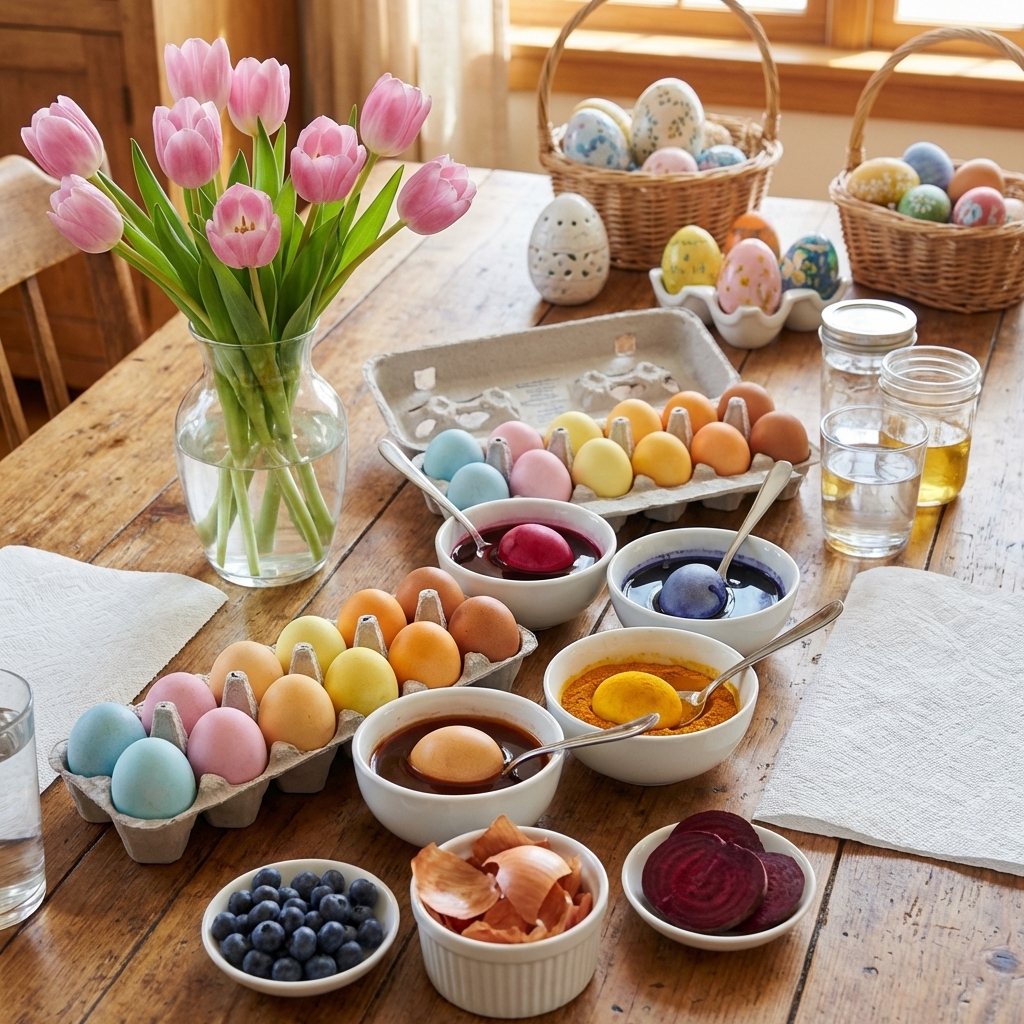
Tutorial: Country Living
There’s something special about going back to real eggs.
Instead of using artificial dyes or plastic shells, you can create beautiful colors using ingredients you probably already have in your kitchen. Things like onion skins, turmeric, red cabbage, and berries can produce soft, earthy tones that feel more natural and unique than anything store-bought.
No two eggs will look exactly the same, and that’s part of what makes them so fun to use in an Easter egg hunt.
You can keep it simple with one color or experiment with different ingredients to create a mix of shades. It also turns into a hands-on activity you can do ahead of time, especially if you want to involve kids in the process.
✨ Tip
Make Them Last Longer
If you want to reuse them year after year, you can carefully blow out the eggs before dyeing them, rather than using hard-boiled ones.
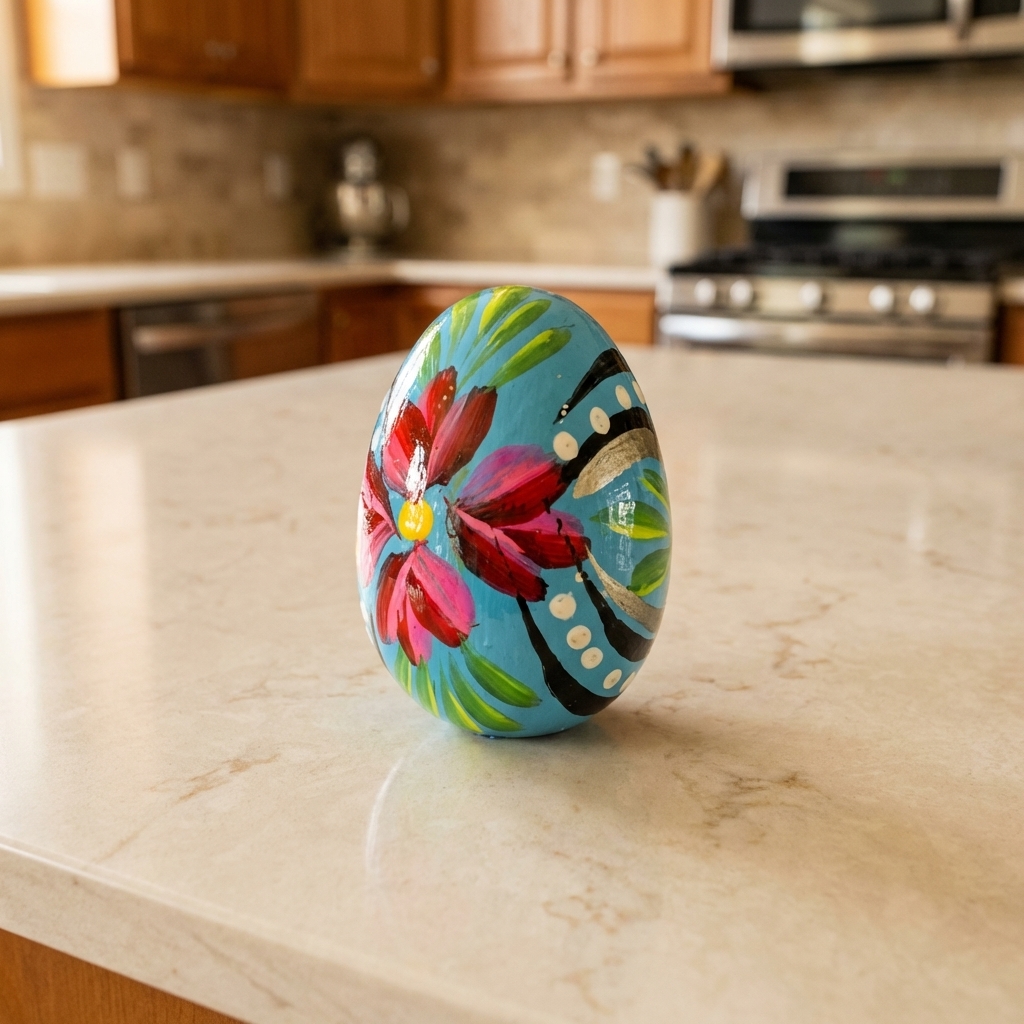
Painted Wooden Easter Eggs
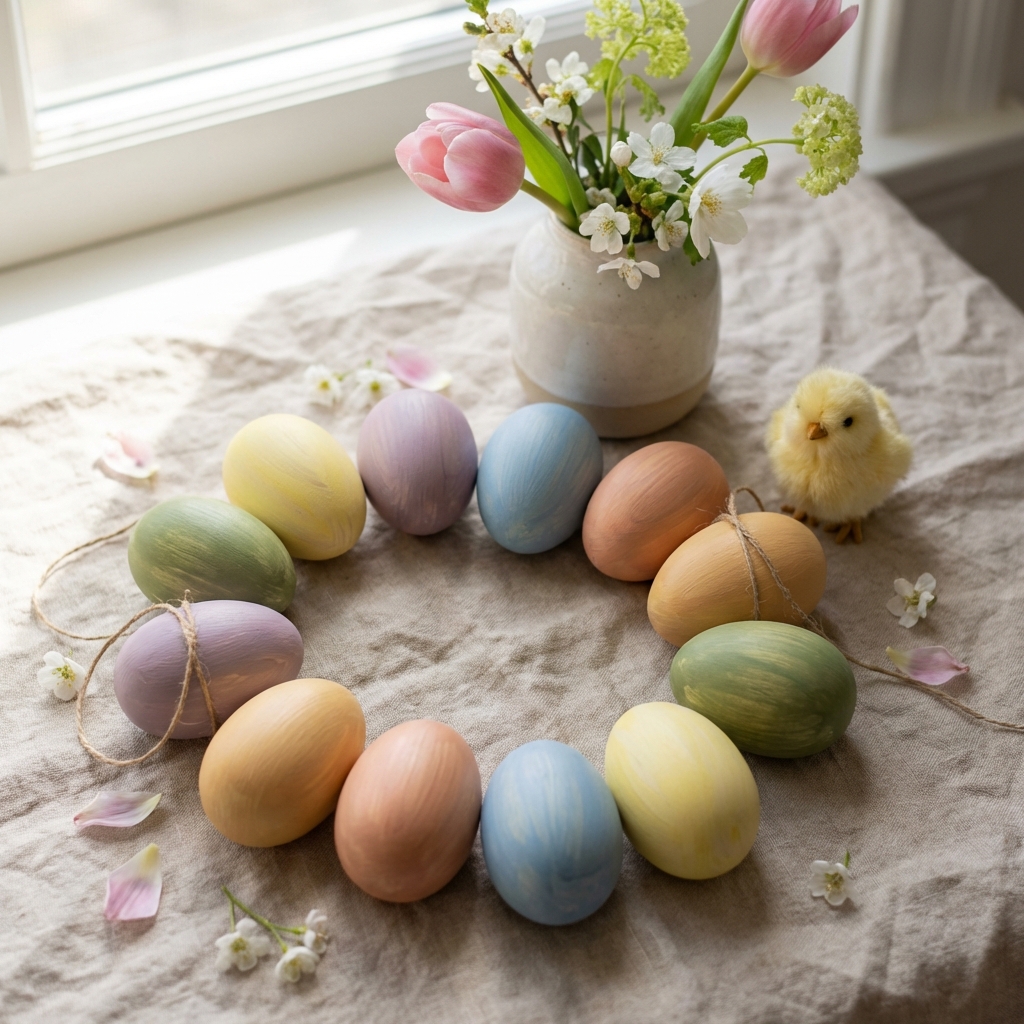
Tutorial: Martha Stewart
If you want something you can use year after year, wooden eggs are a simple swap.
They still feel like “real” Easter eggs, but you’re not dealing with cracked shells or plastic that gets tossed afterward. And honestly, they can end up looking even prettier.
You can keep them really simple with soft colors, or make them more personal with names, little patterns, or designs. It’s also a fun thing to do ahead of time, especially if you want to make decorating them part of your Easter tradition.
They’re sturdy, easy to hide outside, and you don’t have to worry about them breaking or making a mess.
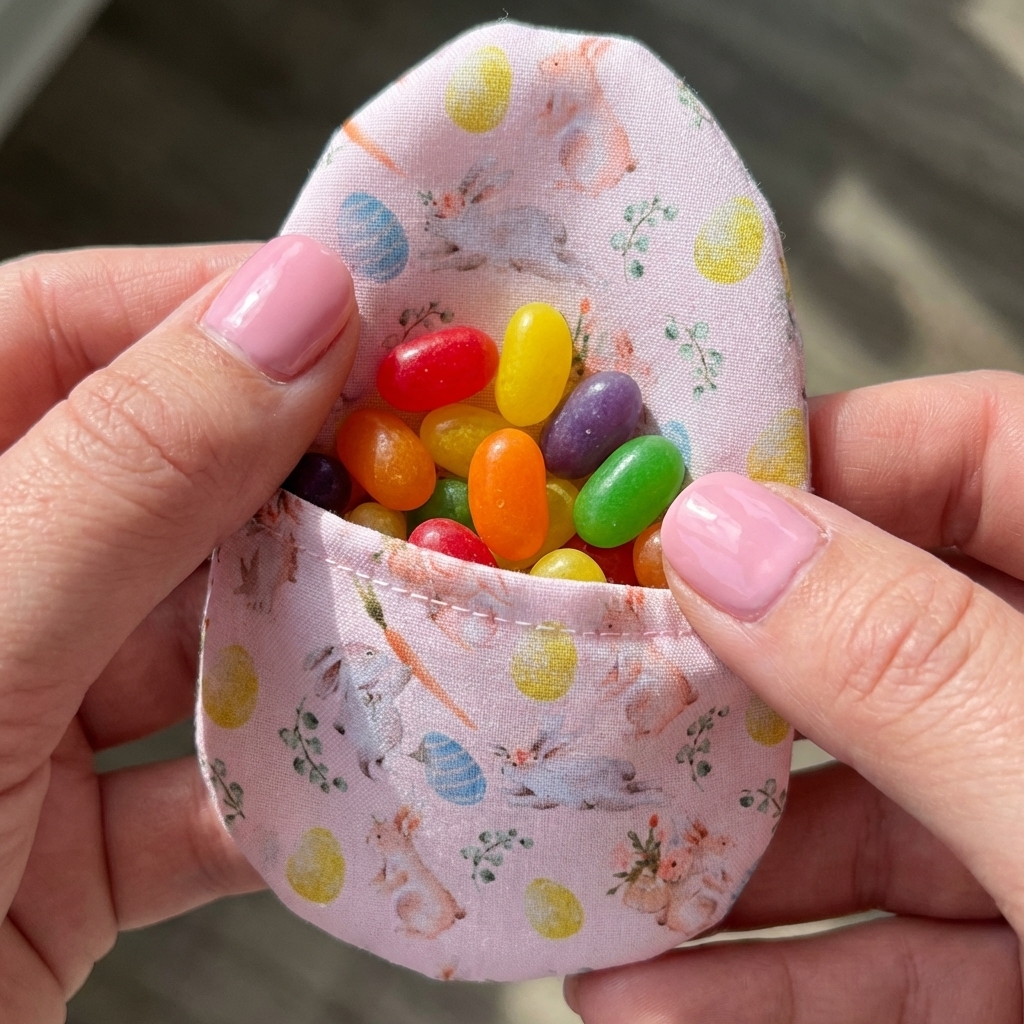
Reusable Fabric Easter Eggs With Pockets
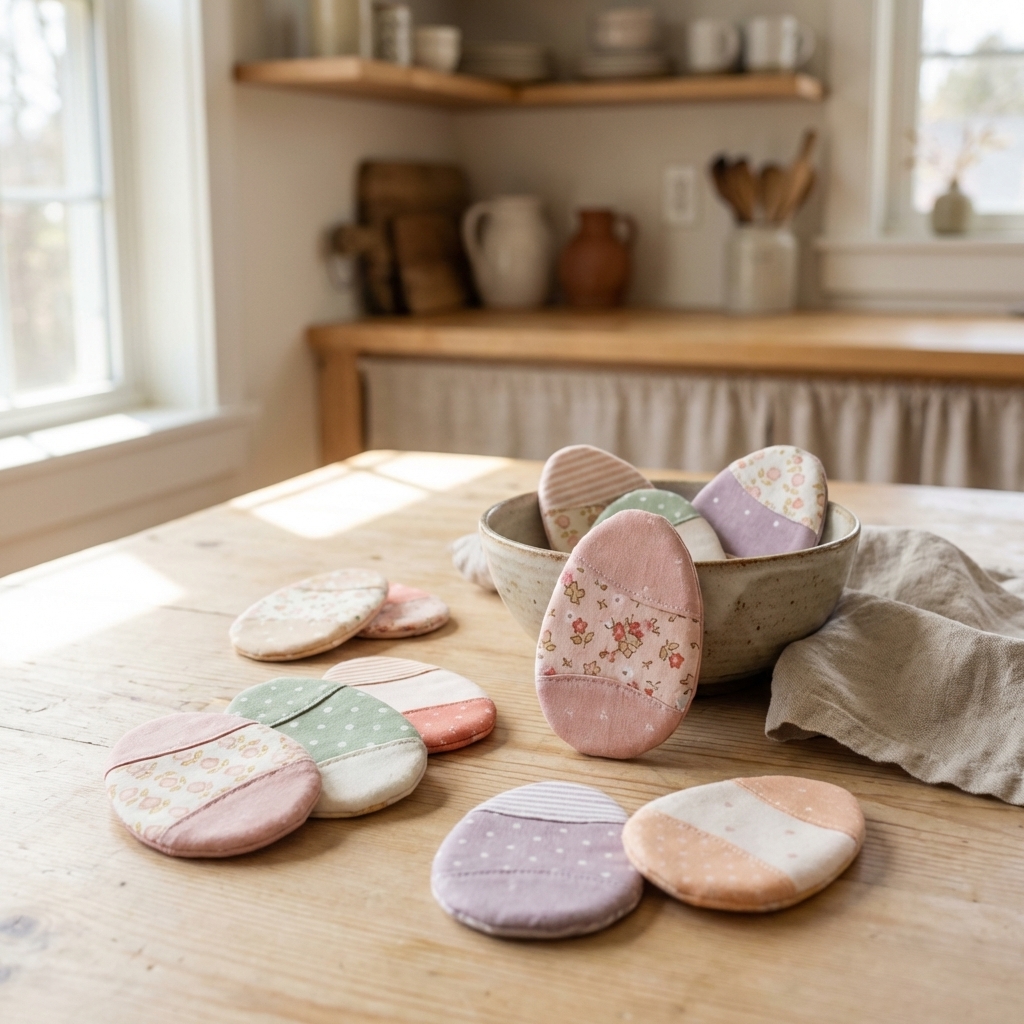
Tutorial: Pin Cut Sew Studio
If you like simple DIY projects, these fabric eggs are a fun one to make.
They’re soft but still hold their shape, and the best part is they have a little pocket inside. You can tuck in small treats, notes, or surprises, which makes them feel a lot like traditional eggs, just without the plastic.
You can mix different fabrics, play with colors, or keep everything in softer tones for a more natural look. And once you make them, they become something you can bring out every Easter, which makes them feel a little more special each year.
They’re also really nice if you want to create a more intentional egg hunt, where each egg has something thoughtful inside instead of random fillers.
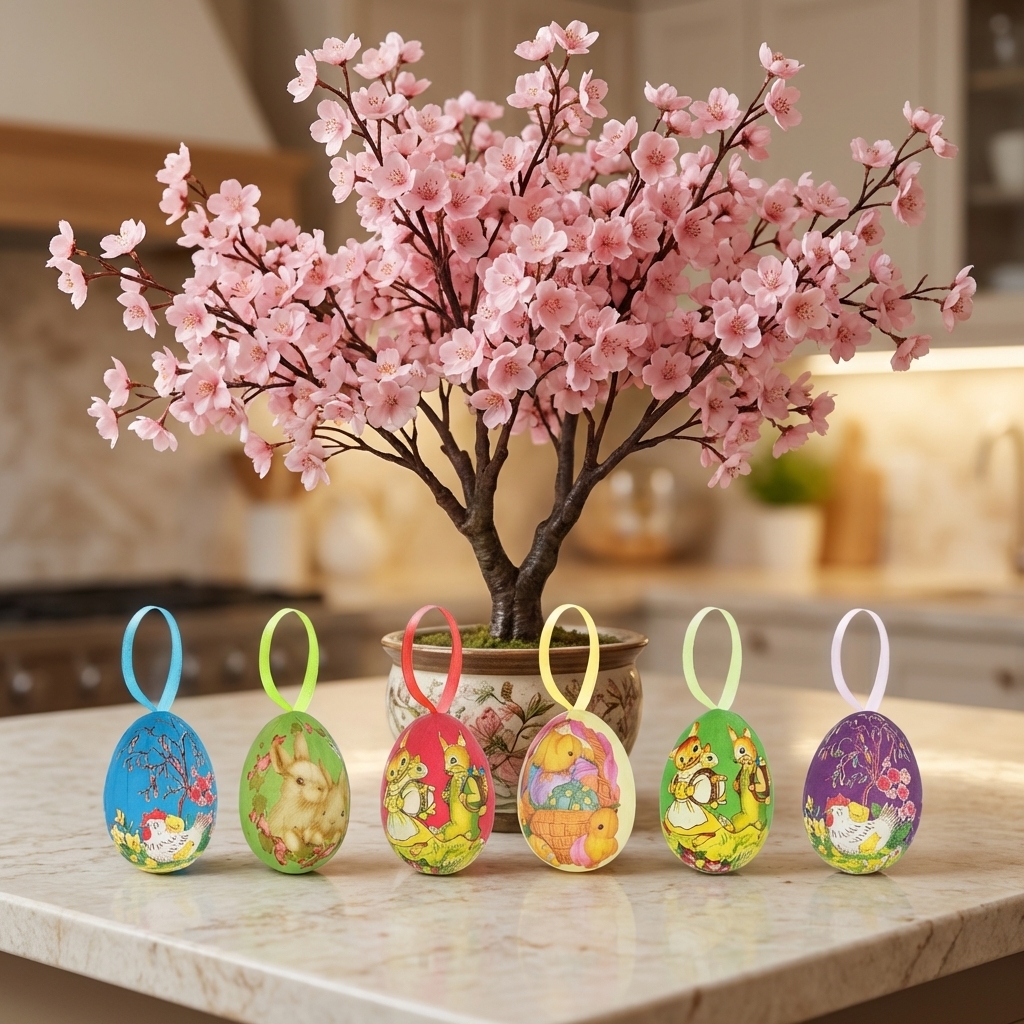
Decoupage Easter Eggs
Tutorial: Play Party Plan
If you want something that looks beautiful without a lot of effort, this one is such a fun option.
Decoupage eggs are made by layering pieces of paper, such as floral napkins or tissue paper, onto real or wooden eggs, then covering them with a thin layer of Mod Podge. The result looks surprisingly detailed, almost like hand-painted designs, but it’s actually really simple to do.
You can go soft and vintage with florals, or choose brighter patterns for something more playful. Either way, they end up looking like something you’d find in a little boutique.
This is also a great activity to do ahead of Easter, especially if you want something creative but not too complicated.
Bird Feeder Easter Eggs
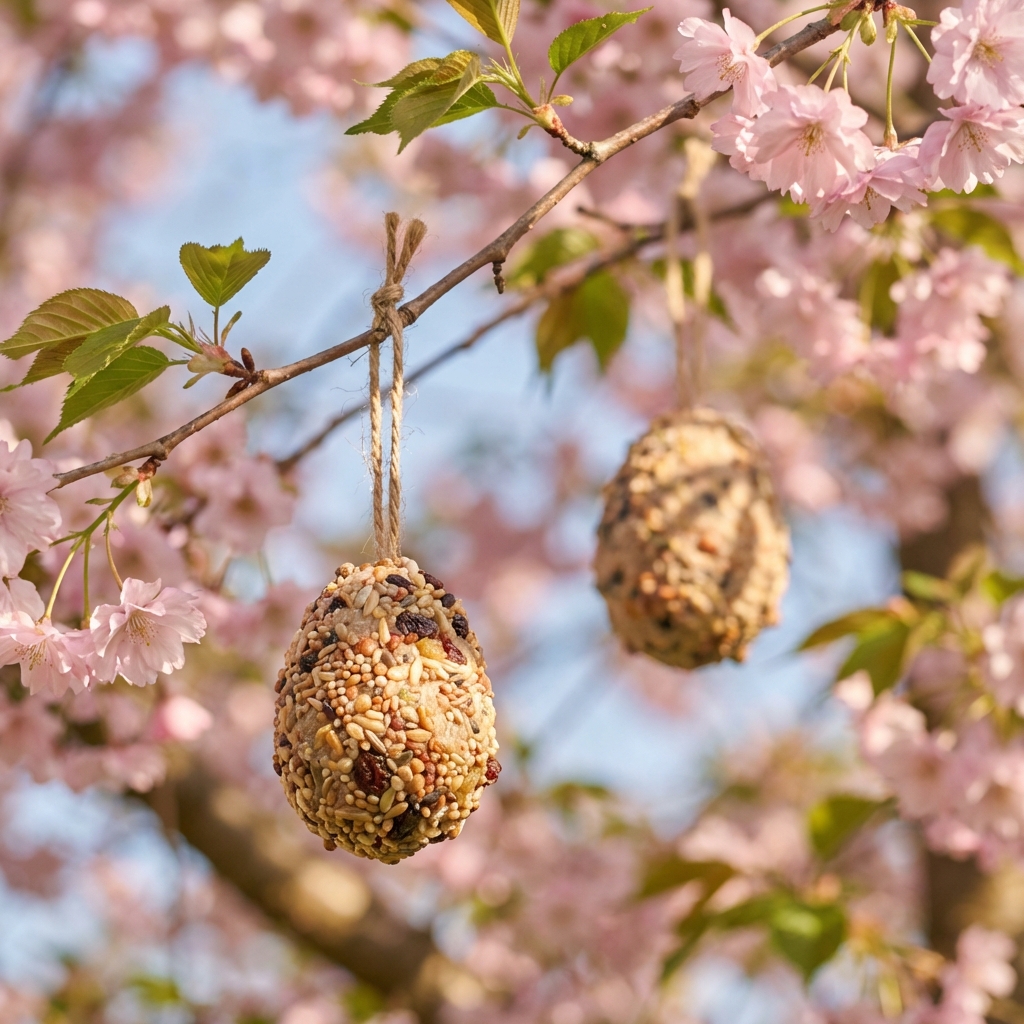
Tutorial: One Little Project
This one turns your Easter eggs into something kids can actually use after the hunt.
Instead of plastic eggs, you can shape these using paper mache eggs as a base. Just cut a small hole at the top so you can thread twine through for hanging later.
Then coat them with a mixture like birdseed and gelatin or peanut butter, and let them dry. Once they’re ready, you can hang them outside or place them around your yard for an Easter egg hunt.
It adds a little extra excitement because kids aren’t just collecting eggs; they’re helping feed birds, too. And after Easter, you’ll still get to enjoy seeing birds come by, which makes it feel like the fun continues.
It’s a simple way to bring a natural element into your Easter traditions without adding any waste.
Jasperware-Inspired Easter Eggs
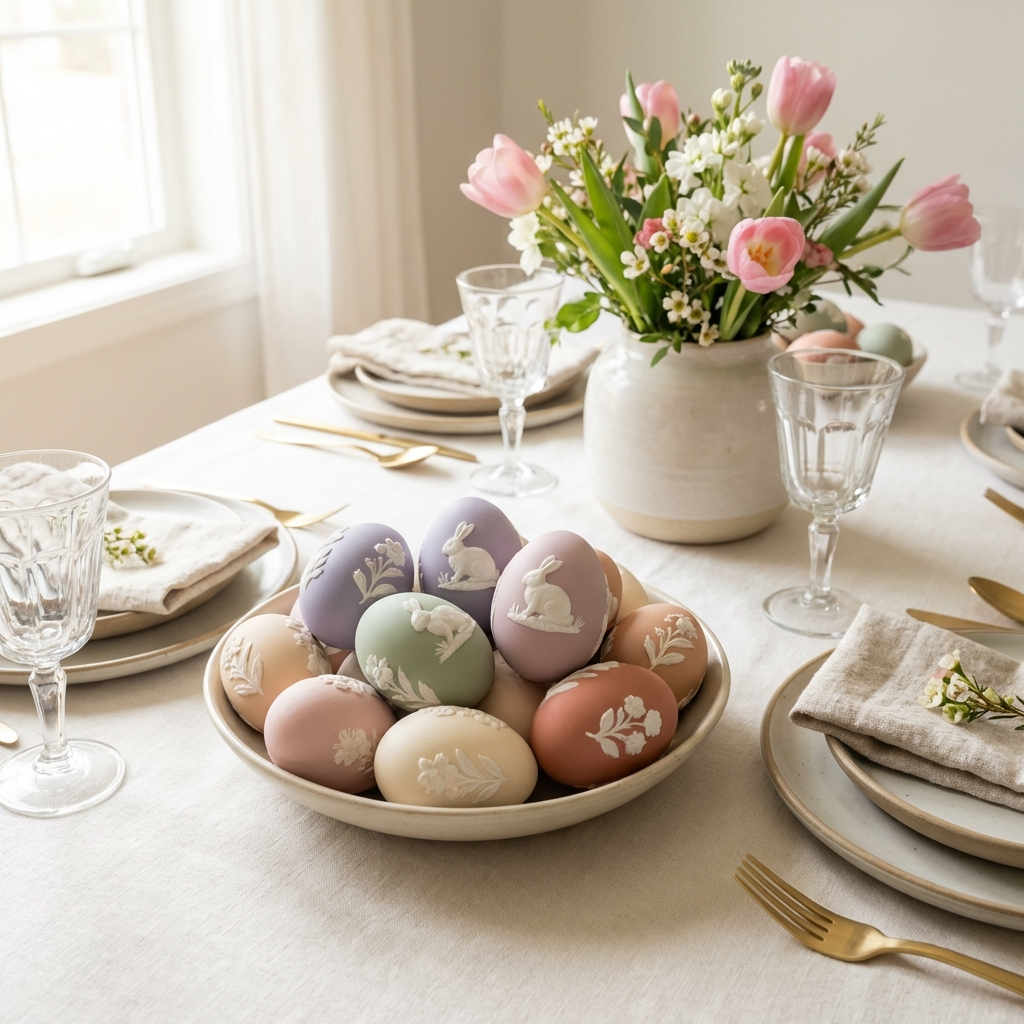
Tutorial: Martha Stewart
If you want something that feels a little more elevated, these are such a beautiful option.
Jasperware is a type of matte ceramic that became popular in the 1700s, known for its soft pastel colors and delicate white raised designs. You’ve probably seen it in pale blue pieces with intricate details that almost look carved.
You can recreate this look on Easter eggs using air-dry clay or by layering small decorative elements onto painted eggs using candy molds. It’s a bit more hands-on, but the result feels really unique and almost heirloom-like.
These are perfect if you want to mix in a few “special” eggs or create something you’ll want to keep out even after Easter is over.
Where to Buy Plastic-Free Easter Eggs
If you love the idea of a plastic-free Easter but don’t have the time to make everything yourself, there are some really great options you can buy instead.
You can still skip disposable plastic and find reusable eggs that are better quality and actually worth keeping year after year.
Recommended Products
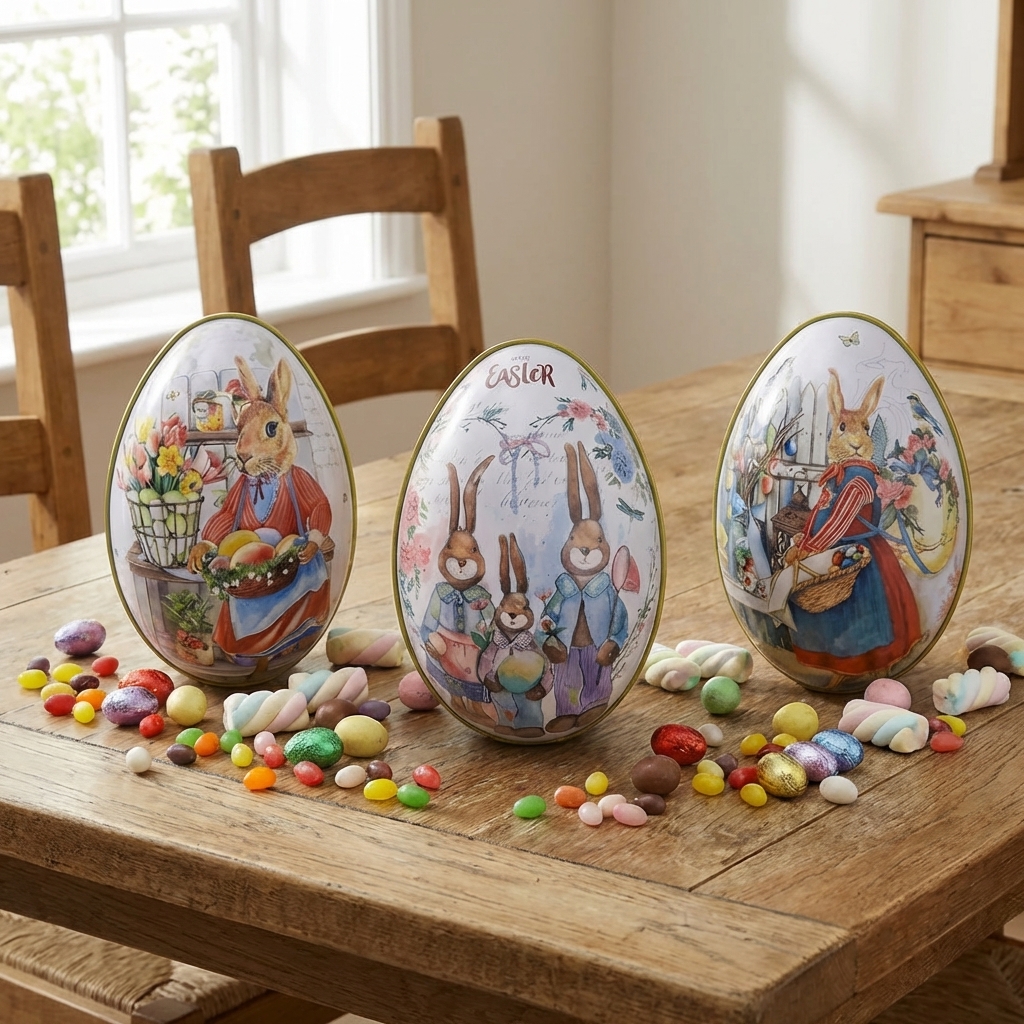
ℹ️Note: The paper mache eggs contain foam, which may contain polystyrene.
Crack & Snack: Turn Your Easter Eggs Into a Tasting Board
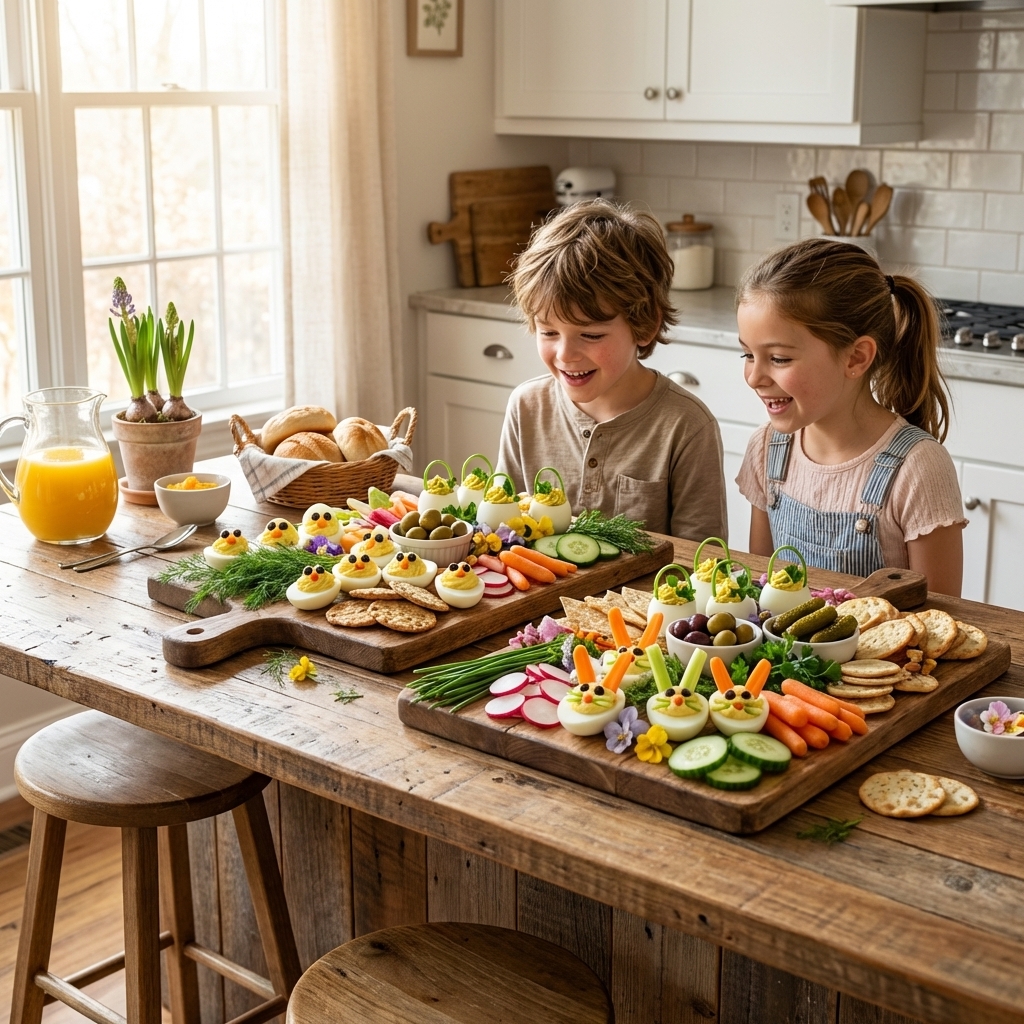
I mean… let’s be honest.
👉 Your plastic eggs are not this fun or this delicious.
Instead of filling eggs with tiny toys that get tossed by next week, turn your real eggs into a Crack & Snack tasting board.
Think deviled eggs, but make them Easter:
🐣 Little chick faces
🐰 Bunny designs
🧺 Mini “Easter basket” eggs
Arrange a few different styles on a board or platter and let kids pick their favorites. It turns the egg hunt into something you actually get to enjoy after. For inspiration, check out these fun recipes from Deavita!
Don’t Miss: Why Plastic-Free Living Matters Curious why so many people are choosing to reduce plastic? See how small changes, like a plastic-free Easter, can add up over time. Read more →FAQs on Plastic-Free Easter Egg Ideas
Eco-friendly Easter baskets focus on items that are useful, reusable, or consumable rather than cheap toys that get tossed. Use a basket you already have, thrift one, or choose something reusable like a tote or wooden crate.
Fill it with things your child will actually use, such as books, art supplies, outdoor toys, snacks, or small, practical items. You can also include experience-based gifts, such as a movie night or an outing.
The goal is simple: less clutter, more meaning, nothing that ends up in the trash a week later.
Instead of tiny plastic toys, fill eggs with items that are either used up or genuinely enjoyed.
Good options include: Small snacks or treats, Coins, Puzzle pieces or scavenger hunt clues, Notes, jokes, or little messages.
You can also skip “stuff” altogether and use eggs as part of a game or treasure hunt. That way, the fun comes from the experience, not a handful of throwaway items
A low-waste Easter is really about simplifying and being intentional.
Reuse what you already have, avoid single-use decorations and plastic fillers, and focus on traditions instead of stuff. Think egg hunts, baking together, decorating real eggs, or spending time outside.
When you do buy something, choose items that last or get used up.
Final Thoughts on Plastic-Free Easter Egg Ideas
Easter does not have to mean baskets full of plastic and things that get forgotten a few days later.
With a few small shifts, like choosing reusable eggs, thoughtful basket fillers, or even turning your eggs into something you can actually eat, you can create a celebration that feels just as fun and a lot more intentional.
It is not about doing everything perfectly. It is about choosing a version of Easter that feels lighter, less cluttered, and more meaningful for your family.
Because at the end of the day, the parts kids remember are not the plastic toys.
It is the egg hunts, the laughter, and the time spent together.
And that is something you can create without the extra waste.
Absolutely — here are clean, APA‑formatted references for the updated stats used in your rewritten section.
I’m giving you only sources that actually publish verifiable numbers, so everything below is citation‑safe for articles, blogs, academic work, or sustainability content.
📚References
- National Retail Federation. (2024). Easter spending expected to reach record $24 billion. https://nrf.com/media-center/press-releases/easter-spending-expected-reach-record-24-billion
- Simplify the Holidays. (n.d.). Stats and facts. https://simplifytheholidays.org/stats-and-facts