Key Takeaways
- Using the right essential oil for skin can help calm irritation, balance oil production, and support a healthy glow.
- Different skin types benefit from different essential oils, so choosing based on your skin’s needs matters.
- Essential oils should always be diluted with carrier oils to protect your skin and prevent irritation.
Essential oils have become a popular addition to natural skincare routines, thanks to their plant-based origins and targeted skin benefits. When chosen thoughtfully, an essential oil for skin can help calm irritation, balance oil production, and support a healthy, radiant complexion.
That said, essential oils are highly concentrated, and not all oils or application methods are created equal. Understanding which essential oils work best for your skin type, how to use them safely, and what to avoid is key to seeing benefits without irritation. This guide breaks down the science-backed benefits, best essential oils for different skin types, and safe ways to incorporate them into your skincare routine with confidence.
What Are Essential Oils?
Essential oils are highly concentrated extracts taken from plants, capturing their natural aroma and beneficial compounds. They’re typically derived from flowers, leaves, bark, roots, peels, or resins through processes like steam distillation or cold pressing.
What makes essential oils unique is their potency. It can take pounds of plant material to produce a single small bottle of oil, which is why essential oils are so powerful and why they must be used thoughtfully, especially on the skin.
Historically, essential oils have been used for centuries in traditional wellness practices, perfumes, and skincare rituals across cultures. Today, they’re especially popular in natural and low-tox skincare because they offer targeted benefits without synthetic fragrances or harsh additives. When used correctly, an essential oil for skin can support balance, comfort, and overall skin health as part of a mindful skincare routine.
How Essential Oils Benefit the Skin
Essential oils can offer a range of skin-supporting benefits when appropriately used and matched to the right skin type. Their natural compounds interact with the skin to help restore balance, calm irritation, and enhance overall appearance.
Here are some of the most common ways an essential oil for skin may help:
- Balancing oil production: Certain essential oils help regulate sebum, making them useful for both oily and combination skin types.
- Antibacterial and anti-inflammatory support: Many essential oils contain compounds that may help calm blemishes and reduce visible redness.
- Antioxidant protection: Some oils are rich in antioxidants that help protect the skin from environmental stressors.
- Soothing sensitive or inflamed skin: Gentle oils can help calm discomfort and support the skin barrier.
- Supporting skin health and radiance: By improving circulation and skin balance, essential oils may contribute to a brighter, more even-looking complexion.
It’s important to remember that essential oils are not a cure-all. Their benefits depend on proper dilution, quality, and consistency, which we’ll cover later in this guide to help you use them safely and effectively.
| Skin Benefit | What You’ll Notice | Common Essential Oils | Best For |
|---|---|---|---|
| Balances oil production | Less greasy shine; fewer clogged pores over time | Tea tree, rosemary, geranium | Oily, combination |
| Antibacterial support | Helps keep breakouts calmer and more controlled | Tea tree, thyme, oregano (extra-strong) | Acne-prone (always diluted) |
| Anti-inflammatory soothing | Reduced visible redness; skin feels less “angry” | Lavender, chamomile, helichrysum | Sensitive, irritated, reactive |
| Antioxidant protection | Supports a brighter, more even-looking complexion | Frankincense, rose, neroli | Dullness, uneven tone |
| Supports “healthy aging” | Skin looks more plump and refreshed (with consistency) | Frankincense, rose, sandalwood | Mature, dry |
| Comfort + barrier support | Less tightness; skin feels calmer after cleansing | Lavender, chamomile, sandalwood | Dry, sensitive |
Best Essential Oils for Different Skin Types
Not all essential oils work the same way for everyone. Choosing the right essential oil for skin starts with understanding your skin type and what it actually needs — whether that’s oil control, soothing support, or help maintaining elasticity.
Below are some of the most commonly used essential oils by skin type, along with why they’re often chosen.
💧 For Oily or Acne-Prone Skin
Oily and acne-prone skin benefits from essential oils that help balance oil production and support a clearer-looking complexion.
Common options include:
- Tea tree oil: Known for its antibacterial properties and frequently used for blemish-prone skin.
- Rosemary oil: Helps clarify the skin and support circulation.
- Geranium oil: Often used to balance sebum without over-drying.
✨tip
Dilute Well
These oils are powerful and should always be diluted well, mainly when used on the face.
🧴 For Dry Skin
Dry skin typically needs essential oils that support comfort, softness, and moisture retention.
Common options include:
- Lavender oil: Calming and gentle, making it a popular choice for dry or stressed skin.
- Chamomile oil: Known for its soothing properties and skin comfort.
- Sandalwood oil: Often used to support hydration and a smoother skin feel.
🌸 For Sensitive Skin
Sensitive skin requires extra care and mild essential oils that are less likely to irritate.
Common options include:
- Chamomile (Roman or German): One of the gentlest essential oils available.
- Helichrysum oil: Often used to calm redness and support skin recovery.
- Lavender oil: Frequently tolerated well when properly diluted.
✨ tip
Path Test First
Always patch test when using essential oils on sensitive skin, even gentle ones.
👵 For Aging or Mature Skin
While essential oils won’t stop aging, certain oils are often used to support skin tone, elasticity, and overall skin vitality.
Common options include:
- Frankincense oil: Popular for supporting the appearance of firm, balanced skin.
- Rose oil: Hydrating and antioxidant-rich, often used in high-end skincare.
- Neroli oil: Known for supporting skin renewal and radiance.
How to Use Essential Oils Safely on Skin
Essential oils are highly concentrated, which means how you use them matters just as much as which one you choose. Using essential oils safely helps protect your skin barrier and ensures you get the benefits without irritation.
- Always Dilute Essential Oils
- Essential oils should never be applied directly to the skin. Diluting them in a carrier oil reduces the risk of redness, burning, or sensitivity.
- A standard guideline for facial use is:
- 1–2 drops of essential oil per teaspoon of carrier oil
- For body use, slightly higher dilution may be tolerated, but starting low is always best.
- Patch Test Before Use
- Before applying a new essential oil blend to your face or body:
- Apply a small amount of the diluted mixture to the inside of your arm.
- Wait 24 hours.
- Check for redness, itching, or irritation.
- If any reaction occurs, discontinue use.
- Before applying a new essential oil blend to your face or body:
- Application Methods
- There are several safe ways to use essential oils on the skin:
- Facial oils: Mix essential oils with a carrier oil and apply after cleansing.
- Massage: Use diluted blends for facial or body massage.
- Spot treatments: Apply only to targeted areas, never undiluted.
- Consistency and gentle application are more effective than using higher concentrations.
- There are several safe ways to use essential oils on the skin:
Comparison of Popular Carrier Oils
Choosing the right carrier oil matters just as much as selecting the essential oils themselves. Different oils absorb at different rates, suit different skin types, and offer unique benefits from lightweight hydration to deep nourishment. Use the chart below to quickly compare popular carrier oils and identify the best match for your skin, hair, or DIY blends.
| Oil | Best For | Texture / Absorption | Key Benefits | Shelf Life |
|---|---|---|---|---|
| Fractionated Coconut | All skin types | Light, fast-absorbing | Odorless, hydrating, widely available | Long |
| Jojoba | Oily / combination | Feather-light, non-greasy | Balances sebum, mimics skin’s natural oils | Long |
| Sweet Almond | Normal / dry / sensitive | Medium, silky | Vitamin-rich, soothing, gentle | Moderate |
| Grapeseed | Oily / acne-prone | Very light, quick | Non-comedogenic, antioxidant-rich | Shorter |
| Avocado | Dry / mature | Thick, slow | Deep moisture, locks hydration | Moderate |
| Castor | Hair / scalp | Thick, sticky | Promotes hair growth, cleansing | Moderate |
DIY Skincare Recipes and Tips
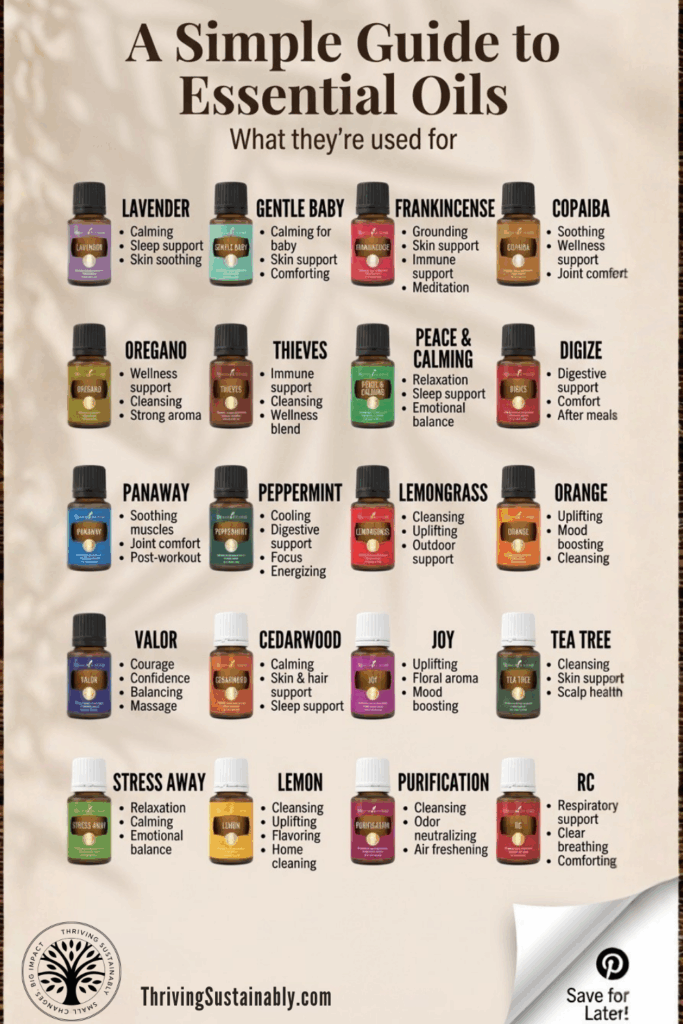
Using essential oils for skin doesn’t have to mean complicated recipes or a cabinet full of supplies. Simple, well-balanced combinations are often the most effective and easiest to maintain over the long term. Instead of detailed formulas, the visuals below show practical ways to use essential oils safely, from facial oils to targeted care, so you can choose what fits your routine and skin type.
These guides are designed to be quick references you can save, revisit, and adapt as needed, with a focus on proper dilution, gentle application, and consistency rather than on stronger or more complex blends.
What to Look for When Buying Essential Oils
Not all essential oils are created equal, and quality matters especially when you’re using one on your skin. Choosing well-sourced, properly labeled oils helps reduce the risk of irritation and ensures you’re getting the benefits you expect.
Look for Purity and Transparency
High-quality essential oils should be clearly labeled with the plant’s botanical (Latin) name, the part of the plant used, and the method of extraction. Avoid products that use vague terms like “fragrance oil” or include added fillers or synthetic scents, as these are not true essential oils.
Consider Organic Options When Possible
Organic essential oils are often preferred for skincare. While organic certification isn’t required for an oil to be effective, it can help reduce exposure to pesticide residues, which is especially important for sensitive or reactive skin.
Check for Third-Party Testing
Reputable brands often provide third-party testing, such as GC/MS (gas chromatography/mass spectrometry) reports. These tests help verify that an oil is authentic and free from contaminants or adulterants, offering an extra layer of trust.
Pay Attention to Packaging
Packaging matters more than many people realize. Essential oils should be sold in dark glass bottles to protect them from light and preserve their potency over time. Clear bottles or plastic packaging are red flags for quality.
Be Wary of Overblown Claims
Finally, be cautious of claims that sound too good to be true. Essential oils can support skin health, but they aren’t miracle cures. Trust brands that focus on education, safe use, and realistic benefits rather than exaggerated promises.
Don’t Miss: Why Going Plastic-Free Matters Choosing what we put on our skin is one small part of a bigger picture. If you want to learn why reducing what we buy, especially items that come in plastic, read this article on why going plastic-free is so essential and how everyday choices add up. Read more →Essential Oil Brands Worth Checking Out
With so many essential oil brands on the market, choosing one can feel overwhelming. The brands below are well-known, widely used, and often recommended for skincare because they prioritize transparency, quality standards, and accessibility. While personal preference plays a role, this comparison highlights each brand’s strengths, so you can decide which fits your needs.
Recommended Products
Essential Oil Brands to Try
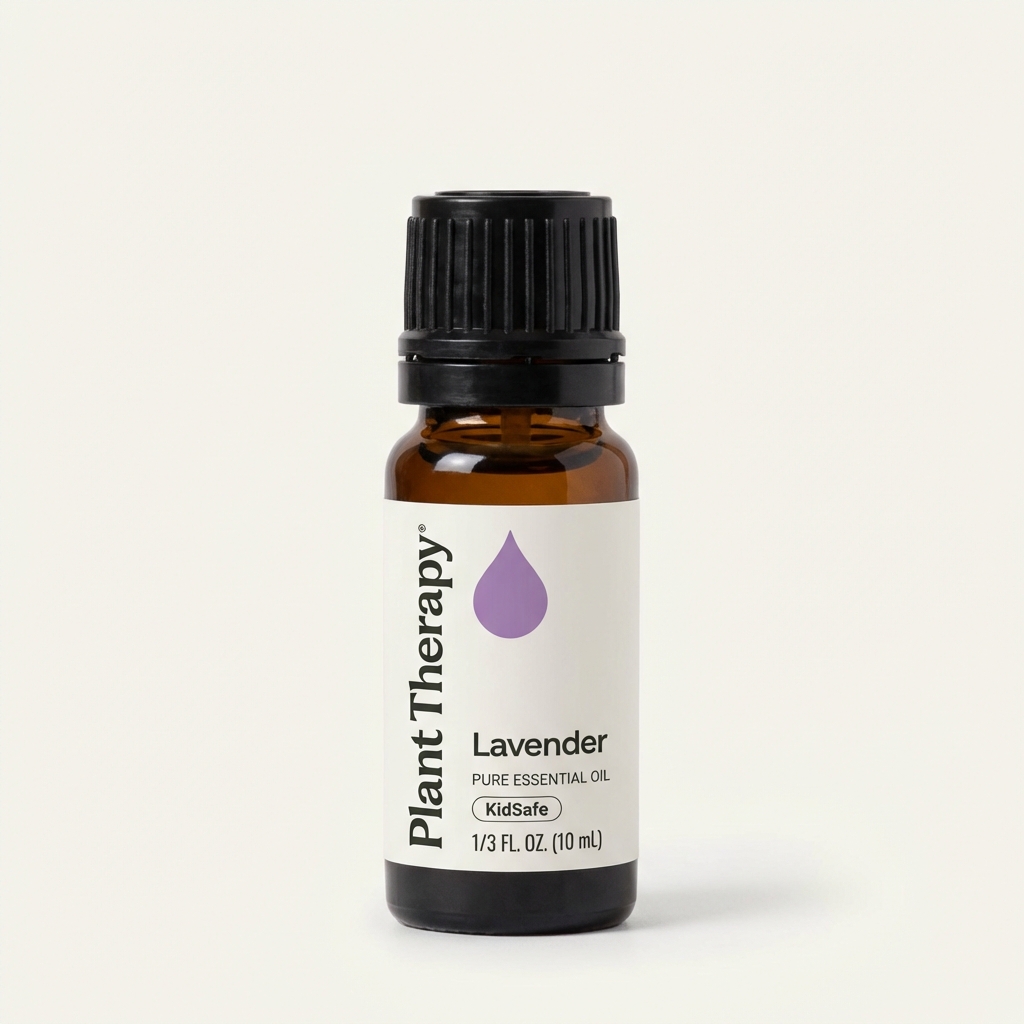
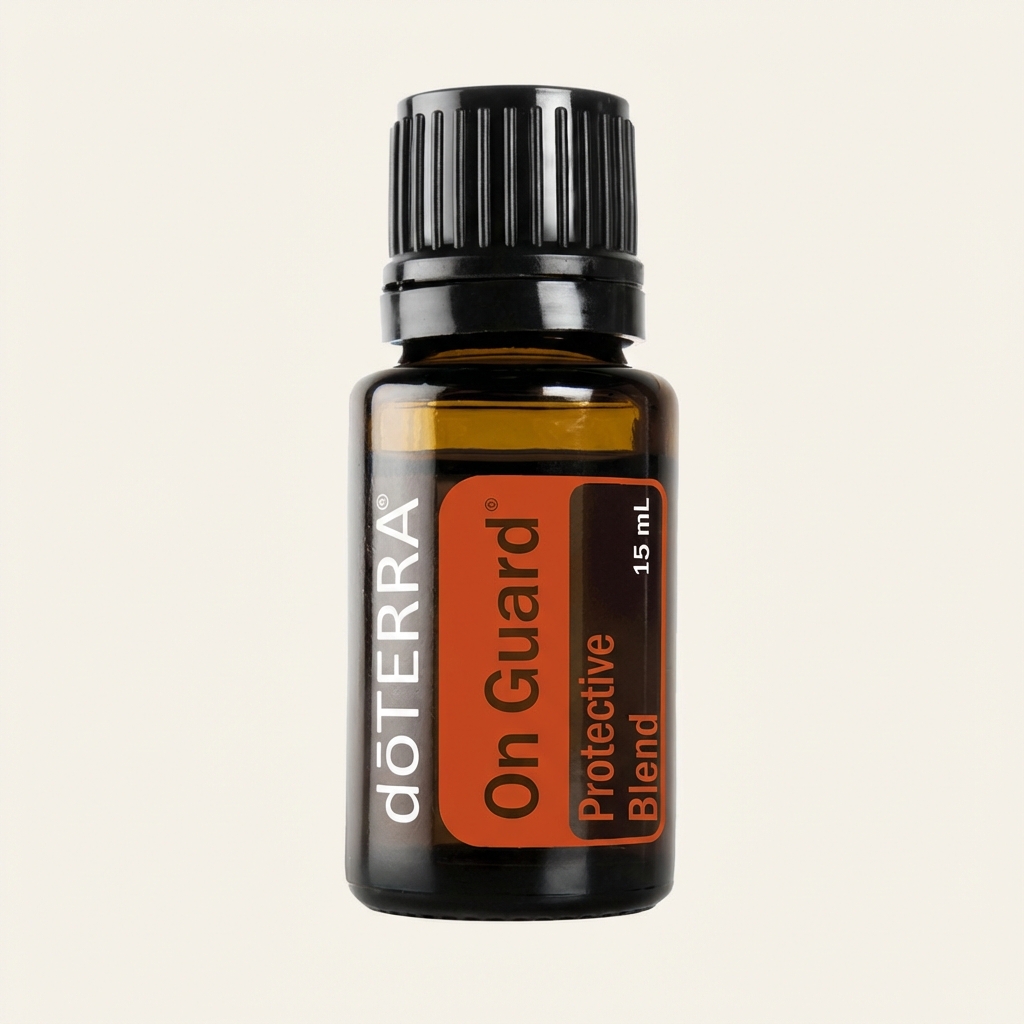
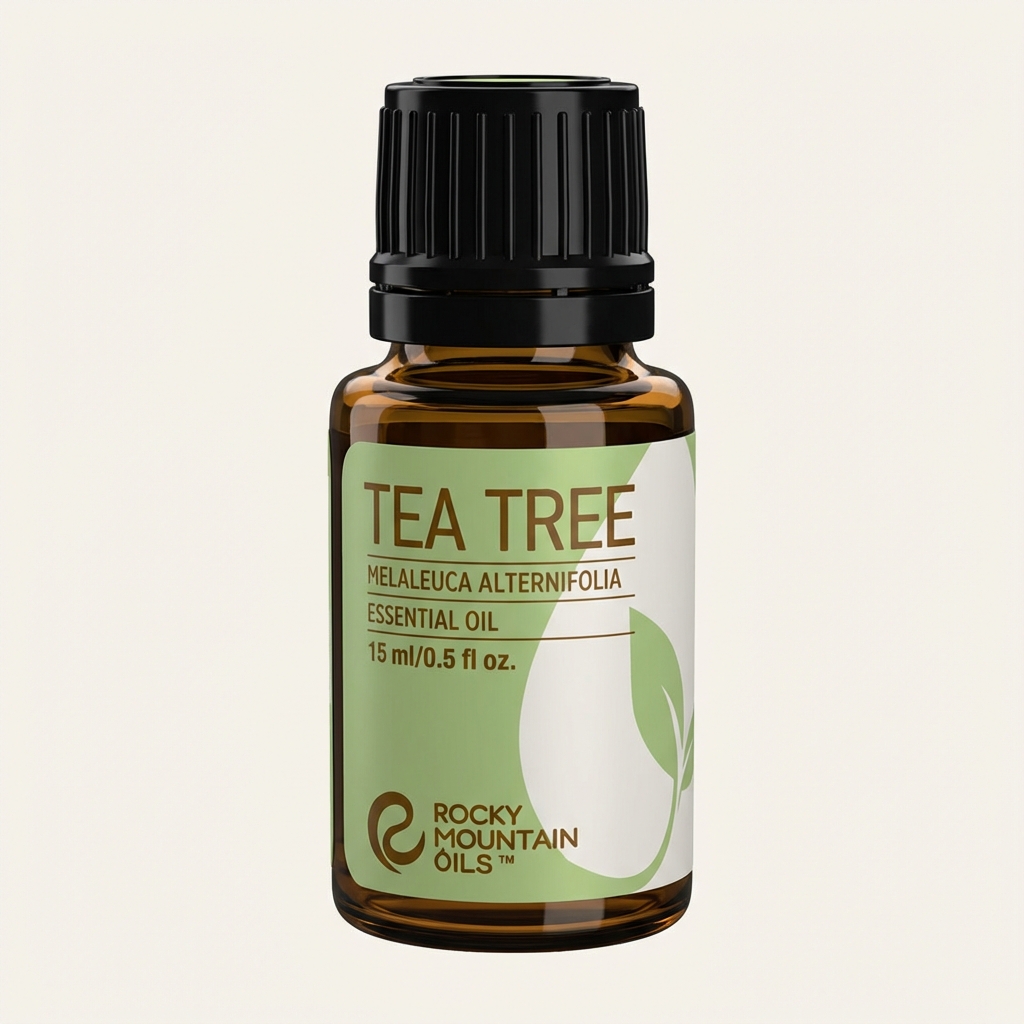
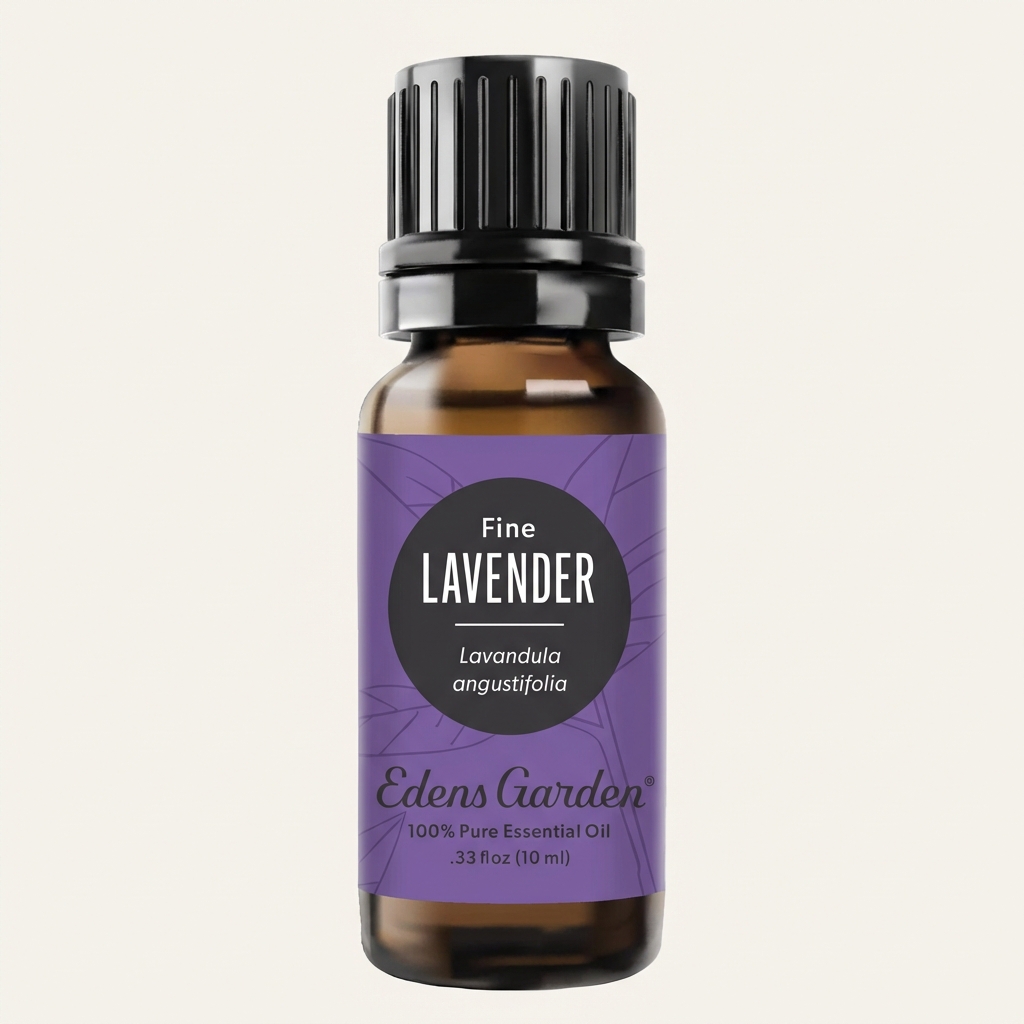
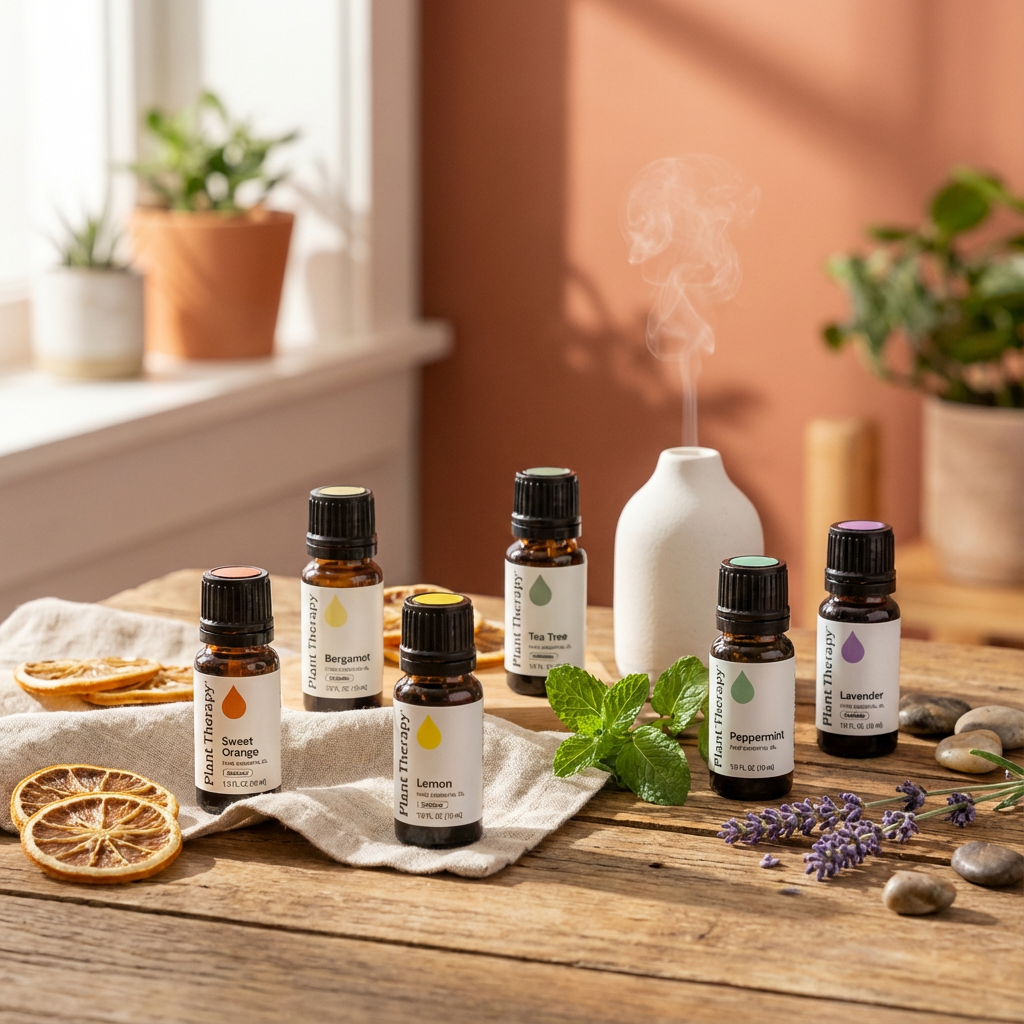
Plant Therapy
Plant Therapy is known for transparent labeling, third-party GC/MS testing, and approachable pricing. Their oils are widely used by beginners and experienced users alike, making them a solid choice for quality without a premium price point.
Best for: Transparency and budget-friendly quality
Personal Review: I use Plant Therapy when I’m looking for single oils like Lavender, Peppermint, and Frankincense. True story: my son had what the doctor called a “Bible cyst” on his wrist. He explained that it could be treated by striking it with a hard book (such as a Bible) or by having it surgically removed. I researched it further and found evidence suggesting that frankincense could help. We rubbed it on his wrist for a few days, and it was gone.
doTERRA
doTERRA is one of the most recognizable essential oil brands. They emphasize sourcing and education, though pricing tends to be higher, and purchasing often involves a membership or referral-based model.
Best for: Brand recognition and extensive education.
Personal Review: doTERRA has been my long-time go-to, with On Guard, Serenity, and Breathe always part of my regular rotation.
Rocky Mountain Oils
Rocky Mountain Oils focuses on strong, traditional essential oils and detailed sourcing information. They are often chosen by users seeking potent oils and willing to pay a slightly higher price.
Best for: Potency and traditional sourcing
Edens Garden
Edens Garden is popular for its wide range of single oils and ready-made blends. Their products are easy to access, clearly labeled, and commonly used in both skincare and aromatherapy routines.
Best for: Blends and accessibility
FAQs on Essential Oils for Skin
No. Essential oils should never be applied undiluted to the skin, especially the face. They are highly concentrated and can cause irritation, redness, sensitization, or burns. Any essential oil used on facial skin should always be diluted with a carrier oil first.
For facial use, a common guideline is 1–2 drops of essential oil per teaspoon of carrier oil. For body use, slightly higher dilution may be tolerated, but starting with a lower concentration is always safest.
Look for oils that list the botanical name, extraction method, and source. Dark glass bottles, organic options, and third-party testing (such as GC/MS reports) are also good indicators of quality.
Final Thoughts on Essential Oils for Skin
Essential oils can be a valuable addition to a skincare routine when they’re chosen thoughtfully and used with care. The right essential oil for skin can help support balance, comfort, and overall skin health. Still, results depend on understanding your skin type, using proper dilution, and prioritizing quality over quantity.
Rather than using higher concentrations or chasing quick fixes, a gentle, consistent approach is what truly makes a difference. Pairing essential oils with appropriate carrier oils, patch-testing before use, and choosing high-quality products helps reduce the risk of irritation while allowing you to enjoy the benefits these plant-based oils offer.
With the proper knowledge and a mindful routine, essential oils can complement your skincare in a simple, intentional way, supporting healthy-looking skin without unnecessary complexity.
More DIY Projects to Help Reduce Waste
DIY Shower Steamers
https://thrivingsustainably.com/diy-shower-steamers/
Easy Oven Cleaning Hacks
https://thrivingsustainably.com/oven-cleaning-hacks
DIY Reusable Bags
https://thrivingsustainably.com/diy-bags
DIY Cleaning Products
https://thrivingsustainably.com/diy-cleaning-products
Homemade Laundry Powder Detergent
https://thrivingsustainably.com/homemade-laundry-powder-detergent
DIY Beeswax Paper
https://thrivingsustainably.com/diy-beeswax-paper