
Key Takeaways
- How to upcycle clothes means transforming items you already own into something new, wearable, or useful instead of throwing them away.
- You don’t need advanced sewing skills to upcycle clothes, since many beginner projects use cutting, tying, fabric glue, or iron-on patches.
- Upcycling clothes helps reduce textile waste, save money, and create unique pieces that reflect your personal style.
Most of us have clothes in our closets that we never wear. They may not fit quite right, feel outdated, or have a small stain or tear. They are not bad enough to toss, but not good enough to wear either. Learning how to upcycle clothes gives those pieces a second chance.
Upcycling clothes means taking what you already own and turning it into something new. Instead of buying more, you use your creativity to make small changes that give old clothes new life. An old T-shirt can become a tote bag, a cropped top, or even a cleaning cloth with just a few simple steps.
This guide shows you how to upcycle clothes in an easy, beginner-friendly way. You do not need sewing skills or fancy tools to get started. You will learn why upcycling matters, how to pick the right clothes, and which simple methods work best. By the end, you will have ideas you can try right away using items you already have at home.
Why Upcycle Clothes?
Upcycling clothes is one of the easiest ways to make a positive impact without changing your entire lifestyle. Instead of throwing clothes away, you find new ways to use what you already have. This helps reduce waste and better uses the resources that went into making your clothes in the first place.
Clothing waste is a big problem. Millions of tons of textiles end up in landfills every year, and many items are thrown out simply because they are out of style or need a minor fix. When you upcycle clothes, you keep them in use longer and reduce the demand for new clothing production.
Upcycling can also save you money. Turning an old pair of jeans into shorts or a bag costs far less than buying something new. It is a practical way to refresh your wardrobe without constantly shopping or chasing trends.
There is also a personal side to upcycling. When you change a piece of clothing yourself, it becomes unique. No one else has the same version. Many people find the process relaxing and rewarding, especially when they see something old become useful again.
Upcycling vs. Recycling: What’s the Difference?
Upcycling and recycling are often used as if they mean the same thing, but they are actually very different. Understanding the difference helps explain why upcycling clothes is so valuable.
Recycling breaks items down into raw materials. Recycled clothing is usually shredded and processed into insulation, rags, or fibers for new products. This process requires energy, water, and transportation, and not all fabrics are recyclable.
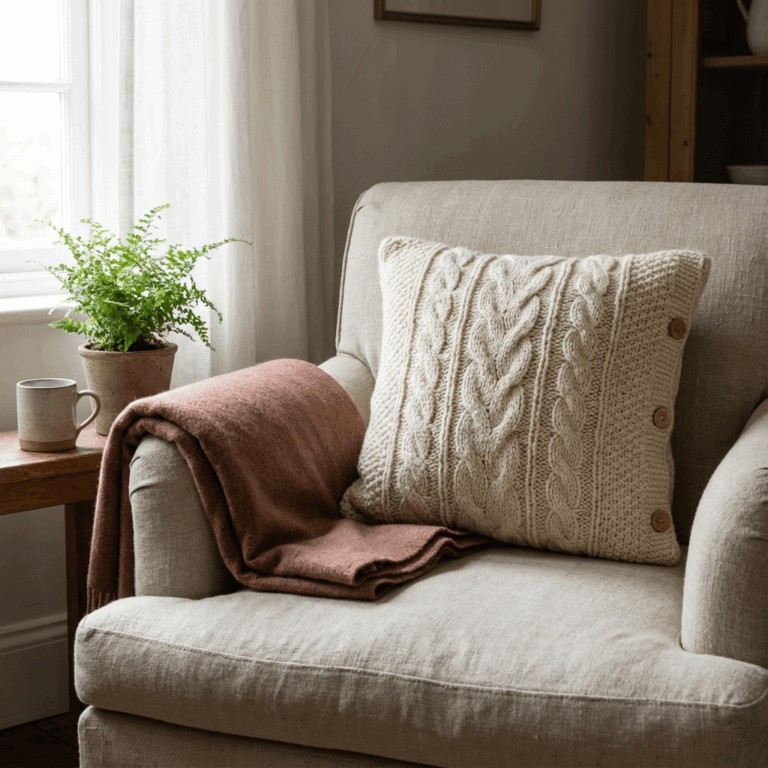
Upcycling keeps clothing whole. Instead of breaking fabric down, you reuse it as it is. A shirt becomes a bag. Jeans become shorts. A sweater becomes a pillow cover. Because the material stays intact, upcycling uses fewer resources and creates less waste.
Another key difference is control. When you upcycle clothes, you decide how to reuse the item. Recycling happens after you give something away or throw it out. Upcycling lets you extend the life of your clothes right at home.
Choosing Clothes to Upcycle
Not every piece of clothing is a good fit for upcycling, and that is entirely normal. Starting with the right items makes projects easier, less frustrating, and more fun, especially when you are learning how to upcycle clothes.
Start With Easy Fabrics
Some fabrics are much easier to work with than others. Cotton, denim, and linen are great choices because they hold their shape and are easy to cut, glue, or sew. These fabrics are forgiving and work well for beginner projects.
Very stretchy, silky, or slippery fabrics can be harder to manage. If you are new to upcycling, it is best to save those materials for later once you feel more confident.
Check the Condition First
Take a close look at the clothing before you begin. Minor stains, tiny holes, or worn areas are usually not a problem. These spots can often be covered with patches, seams, or creative details.
Clothes with large rips or thin fabric may limit what you can make, but they are still helpful. These items can be cut up for patches, trims, or smaller projects.
Be Careful With Sentimental Pieces
Clothes with emotional value deserve extra care. If an item reminds you of a person or a special moment, start with a simple project that does not require significant changes.
Turning a sentimental shirt into a tote bag, pillow cover, or memory piece lets you keep the meaning while lowering the risk of mistakes.
Look Beyond Your Closet
You do not have to rely only on the clothes you already own. Thrift stores, clothing swaps, and hand-me-downs are great places to find affordable items to practice on.
Oversized shirts, dresses, and jeans are handy because they offer more fabric and more options. These pieces give you room to experiment without worrying about ruining something expensive.
5 Easy Ways to Upcycle Clothes
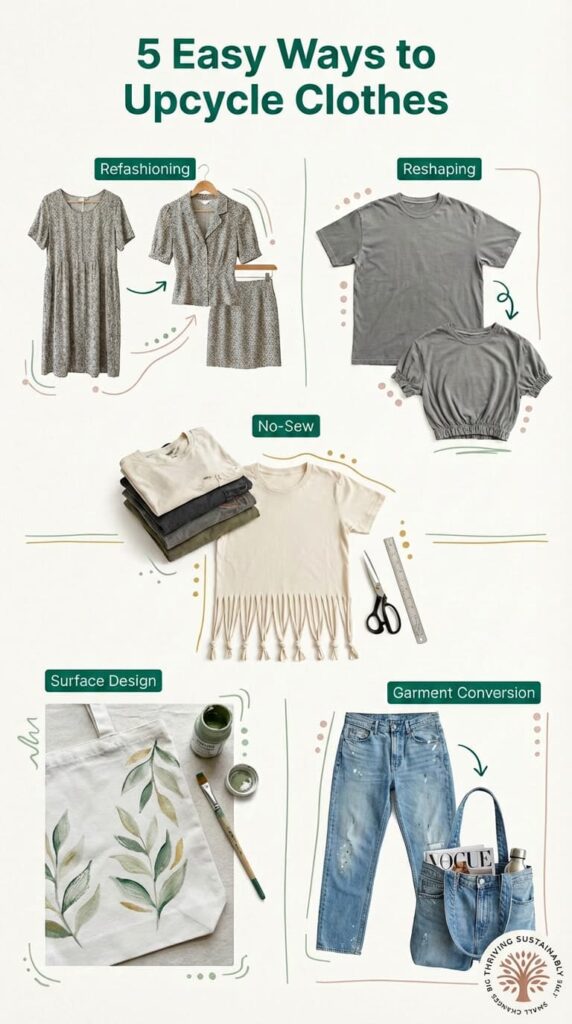
There are many ways to upcycle clothes, and each one works a little differently. Some methods change the fit, others update the look, and some turn clothes into something completely new. These five approaches make it easier to choose the right project for each piece in your closet.
- Refashioning: This is when you change a piece’s overall look so it feels like a new style. Common refashioning ideas include cropping a tee, turning a long dress into a midi, changing sleeves, adding a new neckline, or combining two items into one. Refashioning is excellent when the clothing still fits, but the style feels dated.
- Reshaping: This focuses on changing the fit and silhouette without entirely redesigning the item. Think about taking in a shirt to make it less boxy, adding a waist tie, tapering legs on pants, shortening straps, or turning an oversized button-down into a knotted or wrap style. Reshaping is one of the fastest ways to make thrifted or oversized pieces look intentional.
- No Sew Upcycling: This uses techniques that do not require stitching. Popular no-sew methods include tying fabric, cutting fringe, using fabric glue, using iron-on hem tape, using snaps, using safety pins, or using patch kits. These approaches are central to no-sew upcycle clothes projects and to upcycle clothes without sewing projects.
- Surface Design: This is about decorating the exterior of clothing to refresh it without altering its shape. You can add embroidered patches, fabric paint, dye, bleach designs, iron-on transfers, studs, buttons, or simple stitched details like visible mending. Surface design works exceptionally well on denim jackets, jeans, and plain tees that need a personality boost.
- Garment Conversion: Turning one item into a completely different item. Examples include turning jeans into a tote bag, a sweater into mittens, a button-down into an apron, or a t-shirt into a scarf or headband. Garment conversion is ideal when something no longer fits, has damage in a specific spot, or isn’t your style anymore.
Creative Upcycling Project Ideas
Once you understand the different ways to upcycle clothes, coming up with project ideas gets much easier. The key is to match the project to the item you have and the effort you want to put in. These ideas are meant to spark inspiration and help you see new possibilities in old clothes.
Turn Old Clothes Into New Outfits
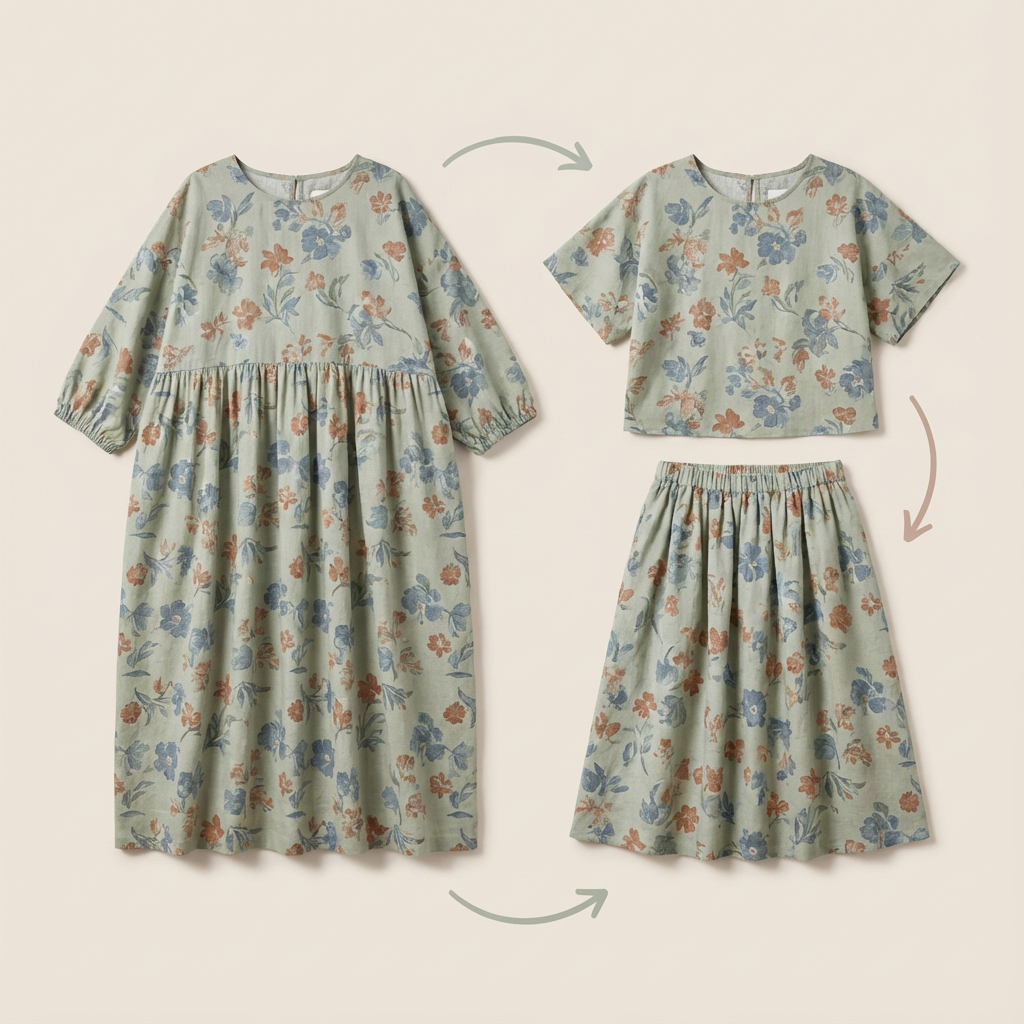
Some of the most satisfying upcycling projects involve turning one garment into another. A long dress can be shortened into a shorter dress or into a matching top and skirt. Oversized shirts can be cropped, tied, or reshaped into fitted tops. Jeans can be cut into shorts or turned into a skirt.
These projects work best when the fabric is still in good condition, but the style no longer fits your taste. Small changes can make a piece feel completely new.
Make Accessories From Worn Clothing
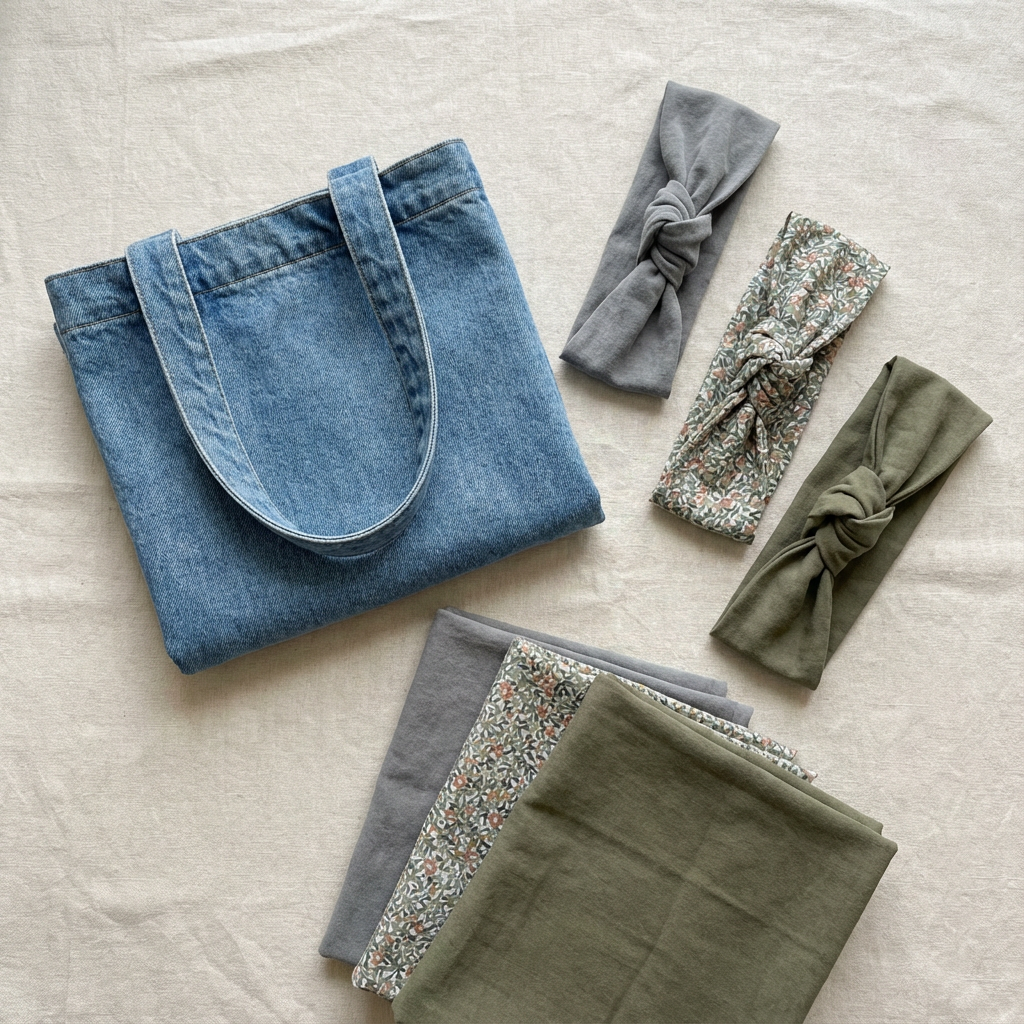
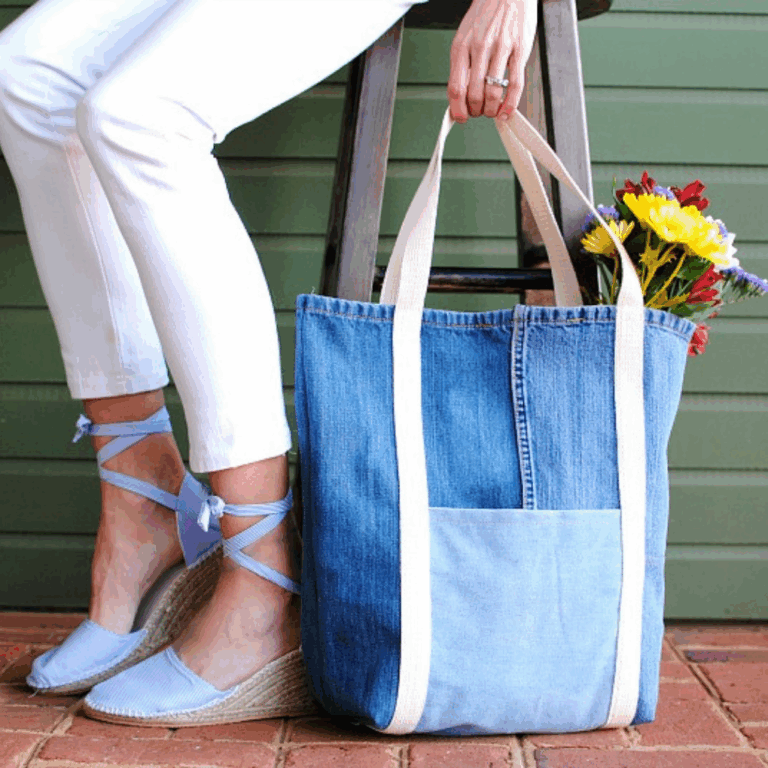
Accessories are great beginner projects because they use less fabric and allow more room for mistakes. Old shirts can be turned into scarves or headbands. Denim legs can be turned into tote bags or zipper pouches. Sweaters work well for mittens or leg warmers. If a piece of clothing has damage in one area, accessories let you work around it while still using the rest of the fabric.
Create Useful Home Items
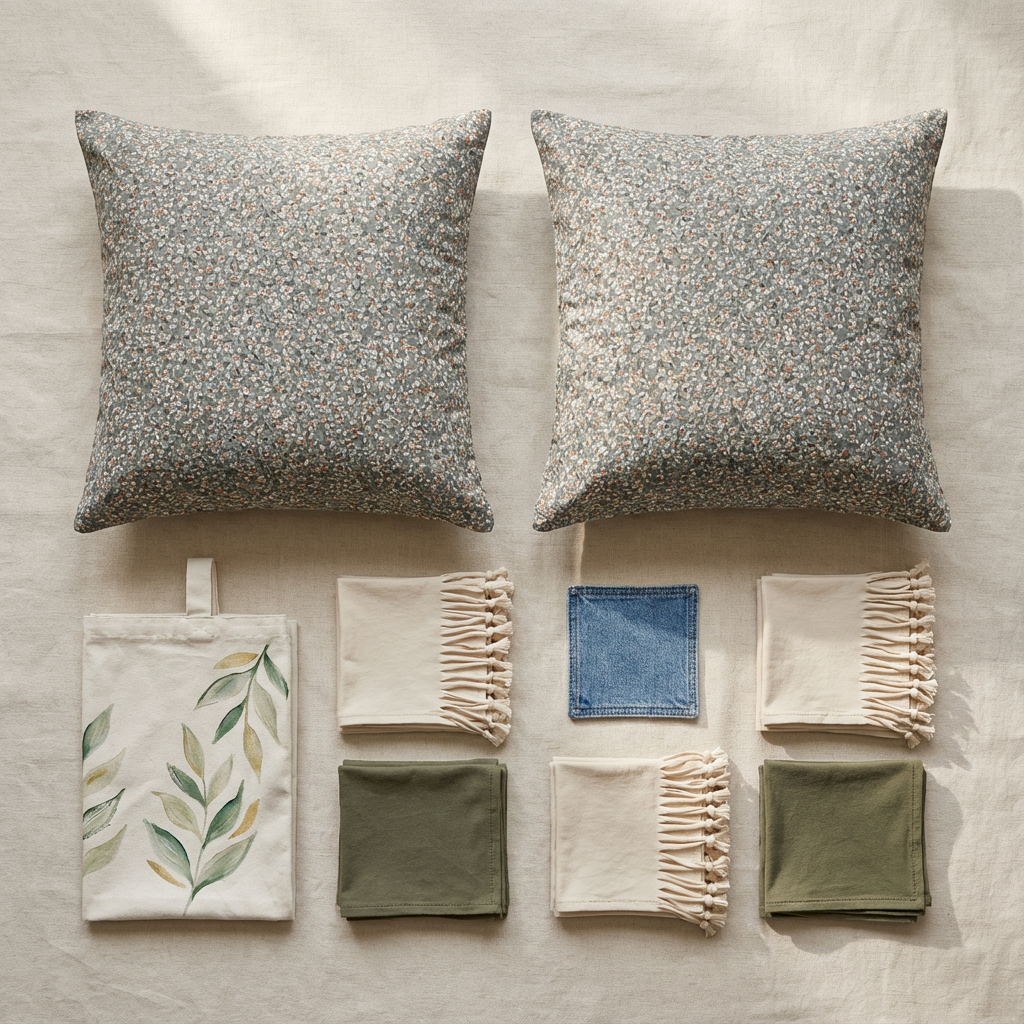
Clothes do not have to stay clothes. Fabric from old garments can be used to make pillow covers, table runners, cleaning cloths, or quilts. T-shirts are handy for no-sew home projects like braided rugs or reusable rags. These projects are practical and help reduce waste by replacing disposable household items.
Start With Simple, Repeatable Projects
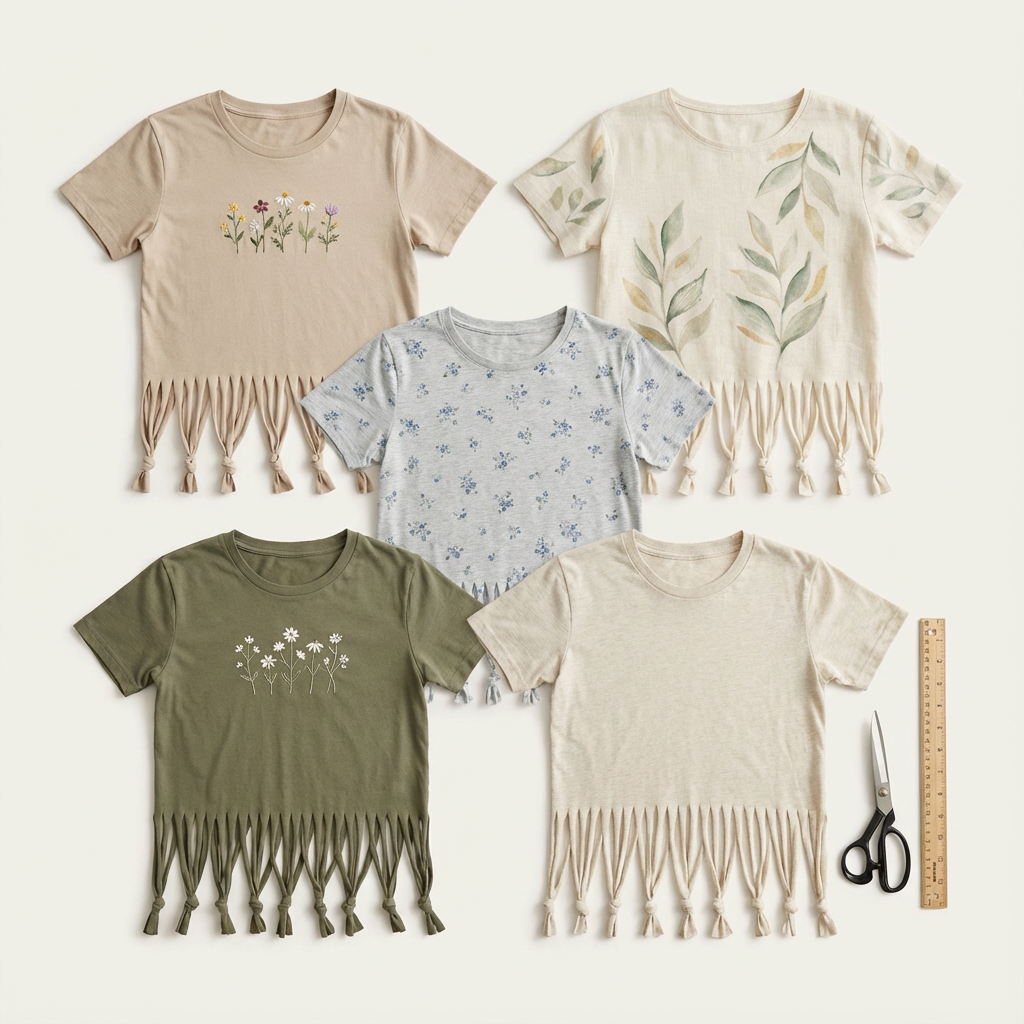
When you are just starting, choose projects you can repeat with different items. T-shirt tote bags, cropped tops, patched jeans, and no-sew scarves are all easy to recreate. Repeating similar projects builds confidence and helps you learn what works best for you. As you get more comfortable, you can mix methods and try more detailed designs.
Tips for Successful Upcycling
Upcycling clothes is more enjoyable when you slow down and plan just a little. These simple tips help projects turn out better and make the process feel less overwhelming, especially when you are just starting.
✂️ Plan Before You Cut
Before making any changes, take a moment to imagine the finished piece. Lay the clothing flat and look at seams, hems, and details. Try the item on if possible and mark where you want to cut or adjust.
It helps to start small. Test your idea on a less critical piece before working on something you really like. Planning first can prevent mistakes that are hard to fix later.
🧵 Match the Project to the Fabric
Different fabrics behave in various ways. Sturdy materials like cotton and denim are easier to work with and hold their shape well. Thinner or stretchy fabrics may curl, stretch, or fray if you are not careful.
If a fabric feels tricky, choose a simple project like a tote bag, scarf, or patch instead of a fitted garment. Let the material guide the project, not the other way around.
📏 Measure More Than Once
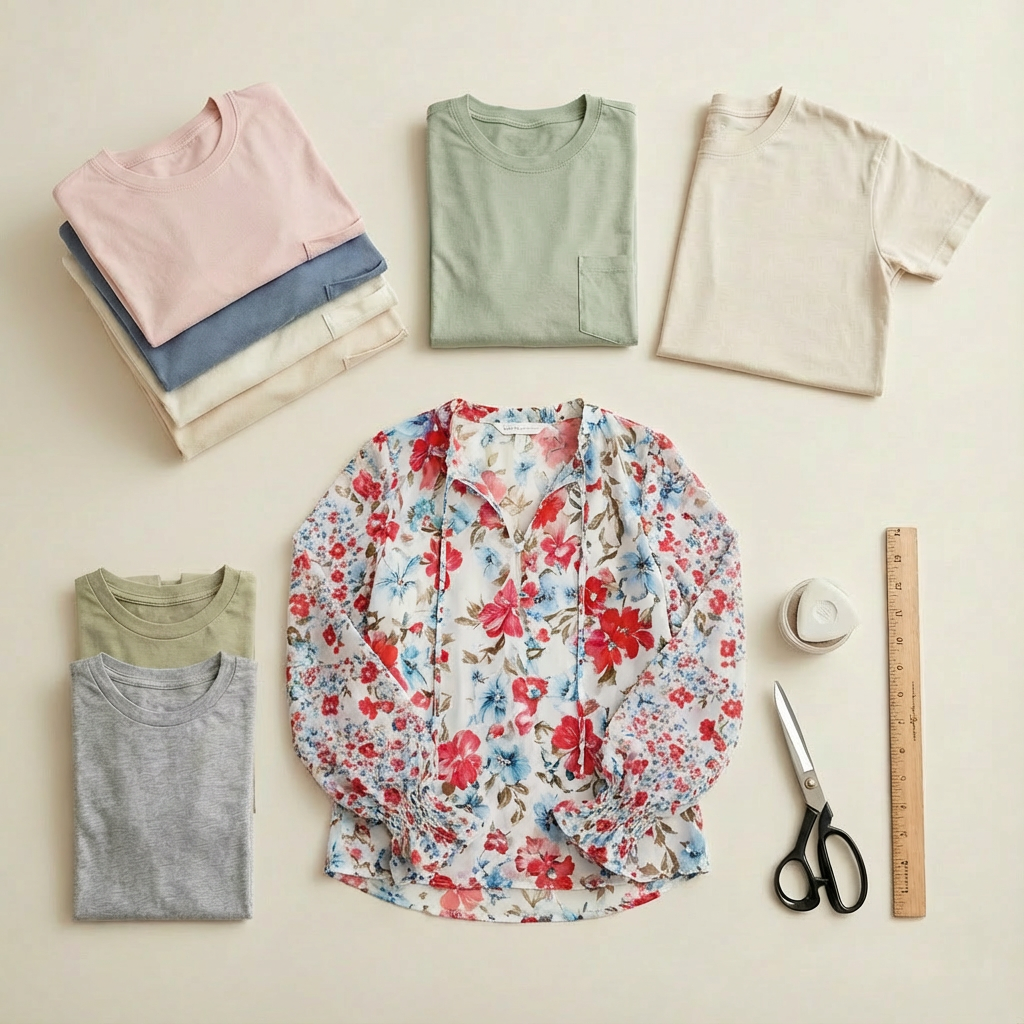
Even small measurements matter when upcycling clothes—measure lengths, widths, and symmetry before cutting or gluing. Using chalk, pins, or washable markers helps keep lines straight and even.
Taking an extra minute to measure can save you from uneven hems or awkward fits.
💛 Accept Imperfections
Upcycled clothing does not need to look factory-made. Slightly uneven stitches, visible seams, or creative patches often add charm and character. These details show that the piece was made by hand.
Instead of aiming for perfection, focus on making something wearable, practical, and uniquely yours.
🤓 Learn From Each Project
Every upcycling project teaches you something new. Some ideas will work better than others, and that is part of the process. Pay attention to what you enjoy doing and which methods feel easiest.
Over time, you will build confidence and develop your own style. The more you upcycle, the easier it becomes to see potential in clothes you once would have ignored.
Inspiration and Resources
Upcycling feels easier and more fun when you have a steady stream of ideas. These sources can help you find inspiration, learn new techniques, and stay motivated as you experiment.
Find Ideas Online
Pinterest is one of the best places to explore upcycling projects. Visual searches make it easy to understand how a piece changes from start to finish. Looking up terms like upcycling clothes, no-sew upcycling, or refashion ideas can lead to simple projects that match your skill level. Social platforms are also helpful for quick inspiration. Short videos and photo tutorials often show realistic transformations that you can try at home.
Learn From Books

Books are great when you want deeper guidance and clear instructions. One popular and beginner-friendly option is Mend It, Wear It, Love It! by Zoe Edwards. It focuses on visible mending, creative repairs, and ways to extend the life of your clothes without needing advanced skills.
Libraries often carry upcycling and sustainable fashion books, which makes this an easy and low-cost way to learn.
Watch Step-by-Step Tutorials
Video tutorials are handy for visual learners. A well-known creator in the upcycling space is Coolirpa, a YouTuber known for creative clothing transformations and beginner-friendly refashion projects. Watching complete projects from start to finish can help you understand pacing, tools, and common mistakes. Seeing someone else work through a project can make upcycling feel more approachable and less intimidating.
Join Communities and Share Ideas
Learning alongside others can be motivating. Online groups, repair cafes, and local clothing swaps give you a chance to ask questions and share what you make. These spaces often provide encouragement and fresh ideas that you might not think of on your own.
The more inspiration you gather, the easier it becomes to see the potential in old clothes rather than their flaws.
Don’t Miss: Plastic-Free Living Made Simple Upcycling clothes reduces waste and helps cut plastic use. This article explains why reducing plastic consumption matters and how small choices add up. Read more →FAQs About How to Upcycle Clothes
You can start with basic tools like scissors, fabric glue, a needle and thread, and a ruler or measuring tape. Many beginner upcycling projects do not require a sewing machine.
Very slippery, stretchy, or delicate fabrics can be harder for beginners to work with. Items that are excessively worn or thinning may be better suited for patches or small projects.
Yes, upcycling can still be sustainable when you choose minimal, long-lasting supplies. Look for natural fabrics, cotton patches, and avoid plastic-based decorations like glitter or synthetic embellishments.
Final Thoughts on How to Upcycle Clothes
Learning how to upcycle clothes is about seeing possibility instead of waste. With a few simple tools and a little creativity, items that once felt worn out or forgotten can become useful, wearable, and personal again.
You do not need to be perfect or experienced to start. Small projects build confidence, and every attempt teaches you something new. Over time, upcycling becomes easier, more intuitive, and more rewarding.
The next time you clean out your closet, try choosing one piece to upcycle instead of tossing it. That single choice can save money, reduce waste, and help you build a wardrobe that feels more intentional and your own.