
Esembly Baby Cloth Diaper System
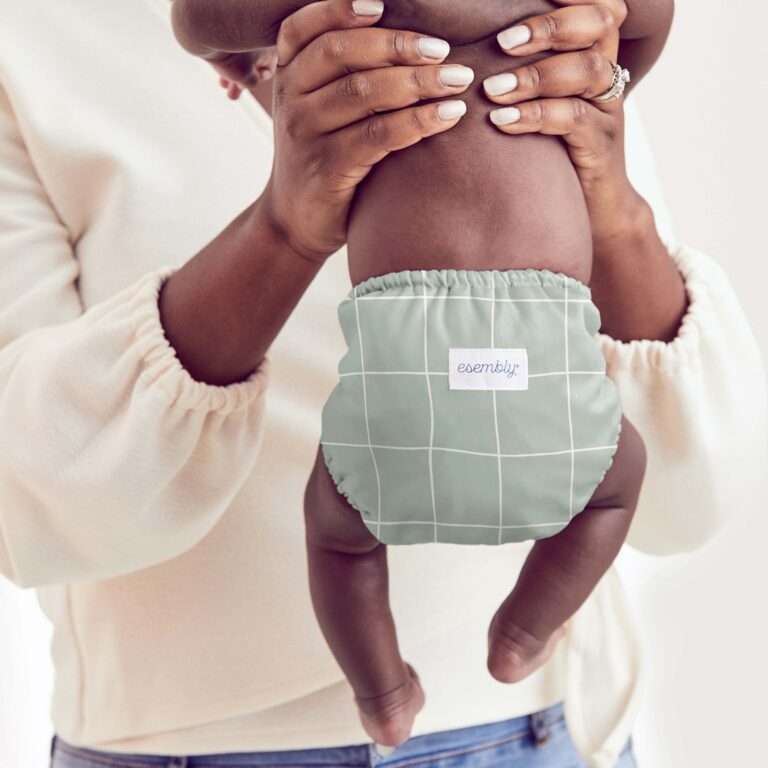
Esembly Baby
Cloth Diaper System (Inner + Outer)
Buy it knowing which half is which: the cotton Inner is the clean half, the TPU Outer is a synthetic textile that sheds in the wash. Reuse economics still beat any disposable.
A two-part reusable system: a 100% unbleached organic cotton Inner and a recycled polyester TPU Outer. One system replaces hundreds of disposables.
How this score breaks down
Strengths
- Replaces hundreds of disposables per size
- Inner is pure unbleached organic cotton
- TPU fabric is 100% recycled from post-consumer bottles
Trade-offs
- Outer and wet bag are fully synthetic textiles that shed in the wash
- Organic cotton claim has no named certifier
- Wash routine is a real commitment
Scored on our durable-goods method (durables-v1, 2026-07-11). How we rank →
What's inside
Inner: 100% unbleached organic cotton twill. Outer and Ditty Bag: 100% upcycled polyester TPU from post-consumer bottles.
| Part | Material |
|---|---|
| Inner fitted diaper | 100% unbleached organic cotton twill |
| Outer cover and swim diaper | 100% upcycled polyester TPU |
| Ditty Bag | 100% upcycled polyester TPU |
| Snaps | Not disclosed |
| Agitators (sold separately) | 100% silicone |
Free of Lead, BPA, PVC, phthalates (brand claim, independently tested)
- Packaging
- Not stated for diapers; skincare and laundry ship in 100% recycled plastic containers
- Microplastics
- Outer sheds synthetic microfibers in the wash; Inner sheds natural cotton only
Attributes
What this product is, at a glance.
Certifications
None listed. We only show independent third-party certifications we can verify with the issuing body, and this product does not currently hold any.
About Esembly Baby
Esembly launched in 2020, but its story starts in Brooklyn in 2009, when Liz Turrigiano and her two co-founders ran Diaperkind, a cloth diaper laundering service that began with friends washing dirty diapers in a basement; when they built Esembly, a couple of hundred Diaperkind customer families invested to make it happen. The brand makes a complete reusable diapering system: organic cotton diaper inners, waterproof outer covers the brand states are cut from fabric spun entirely from recycled plastic bottles, cloth wipes, diaper balm, and a purpose-built wash powder. Esembly is a women-owned business whose stated mission is helping families Live Less Disposably, and it states all its packaging and shipping materials are 100% recycled. Its organic cotton is described as certified organic and responsibly grown in South Asia, though the company publishes no certificate numbers, so that stays a brand claim. Cloth diapering is an upfront investment that pays back over months of use, and it honestly commits you to a load of diaper laundry every few days.
Categories: