
Know the plastic behind the products you buy.
Every product is scored 1 to 10 on its plastic footprint: packaging, recyclability, reuse, microplastics, and lifecycle. Only products scoring 3 or better earn a listing. When a product falls short, we retire it and point you to a better swap.
This directory is new and growing. We add and re-score products every week and verify every claim against the original source, so scores and certifications may change as we confirm them. Notice something off? Let us know.
1 is the lowest plastic footprint we measure. 10 is the highest. Products must score 3 or better to be listed in the directory. How we score →
Browse by category
Find lower-plastic swaps for the parts of your home where plastic hides most.

Glass bottles, plastic-free feeding, and lower-plastic diapering, scored so you can choose with confidence. Warmed plastic and little ones are the combination we help you avoid.
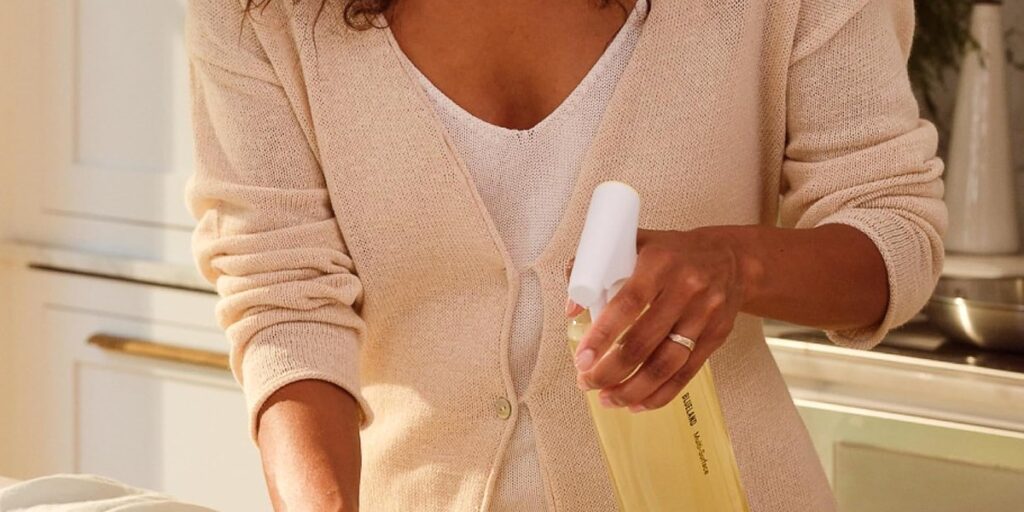
Refillable sprays, tablets, powders, and cleaning tools scored on real plastic, not marketing. Packaging makes up about 40% of the world's plastic waste, and cleaning bottles are some of the easiest to retire.

Clothing and home textiles judged on the fibers they shed. A single wash of synthetic fabrics can release over 700,000 microfibers, so fiber choice matters more than any label. Sheets and mattresses are scored on the same fiber lens.
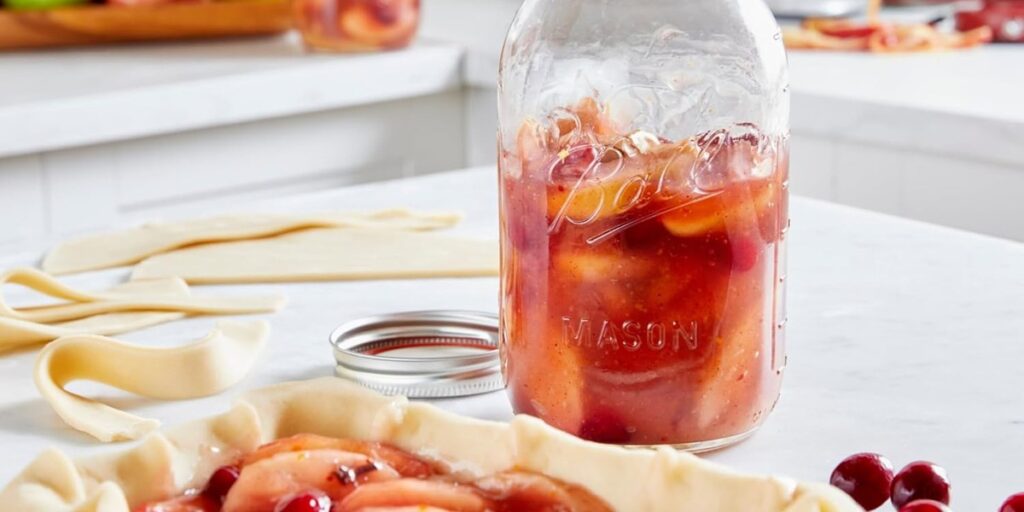
Bottles, drinkware, storage, and on-the-go essentials scored on what touches your food and drink. One liter of bottled water carries about 240,000 plastic particles, so this is where swaps pay off fastest.
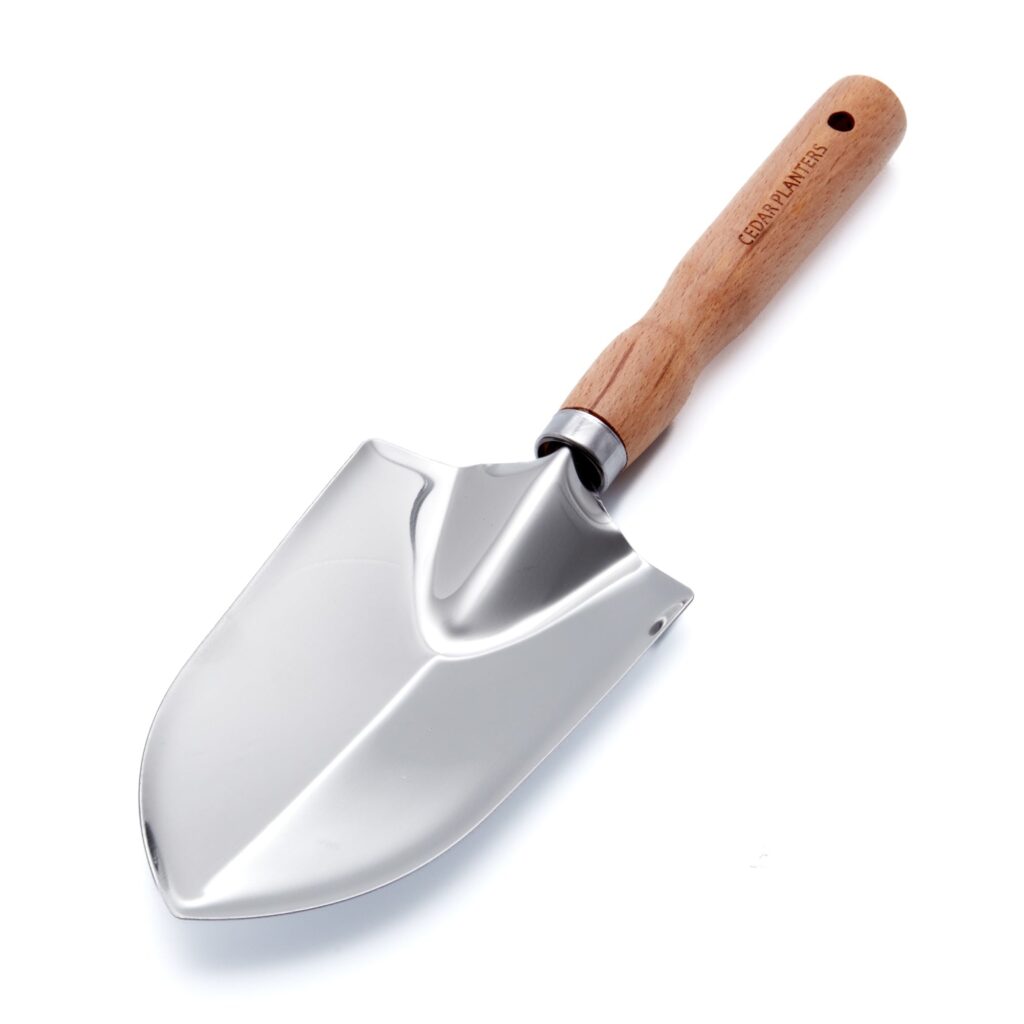
Tools and supplies for growing with less plastic. Plastic-handled tools are the default, and a metal or wood swap lasts far longer, so this is an easy place to cut plastic.
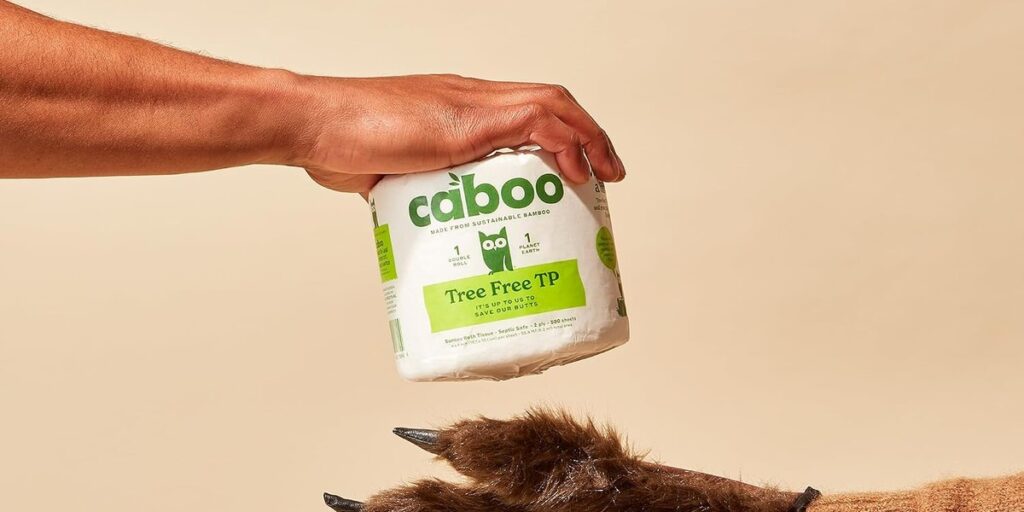
Everyday disposables and their reusable swaps: toilet paper, tissues, paper towels, trash and compost bags, and gift wrap. Small paper and bag choices repeat constantly, so the plastic adds up fast.
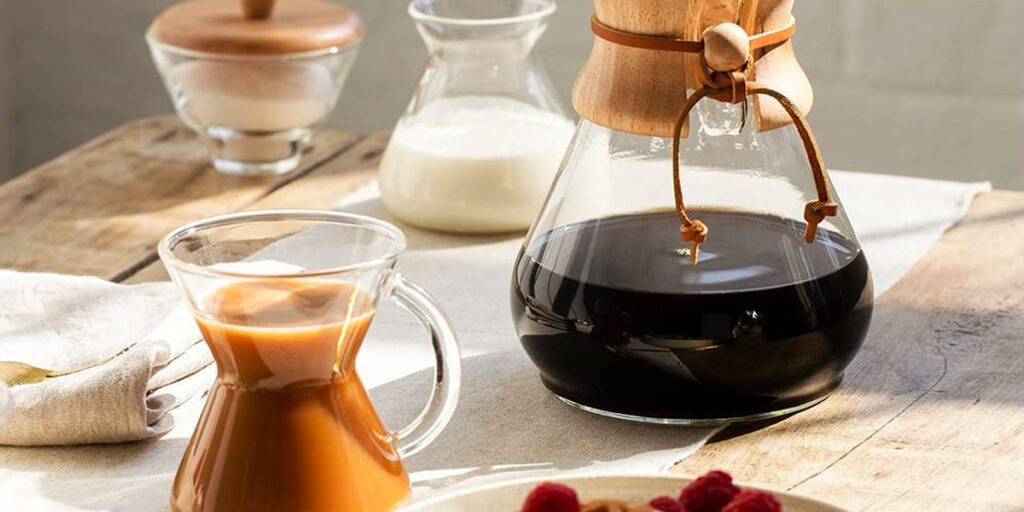
Cookware, prep, and appliances rated on their coatings and materials. Plastic plus food plus heat is where exposure matters most, so we point you to glass, steel, and PFAS-free options instead.

Shampoo bars, safety razors, and daily routines scored on real plastic and microplastic shedding. Small daily-use items add up faster than almost anything else in the house.
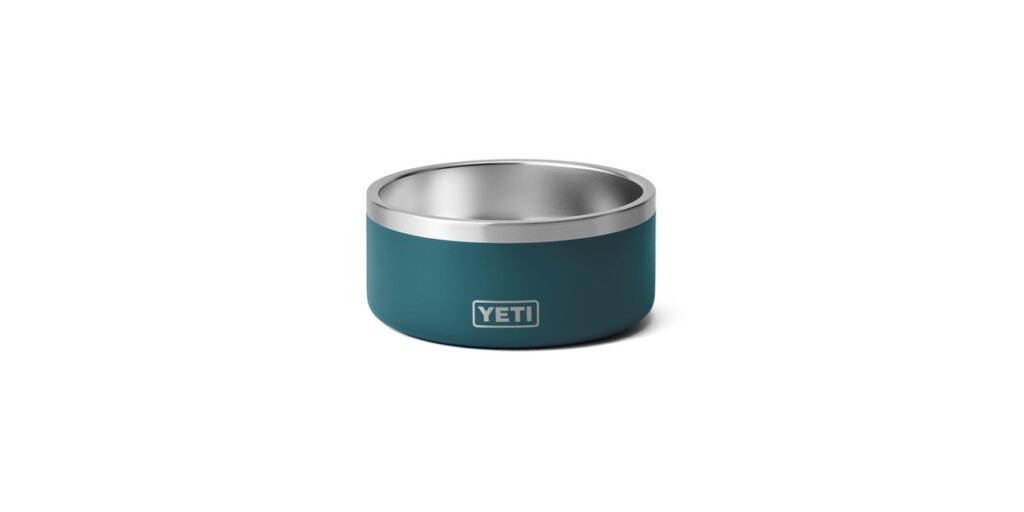
Bowls, toys, and supplies scored on the plastic they add to your home. Durable steel and natural materials outlast the squeaky plastic stuff anyway.
Jonathan's Spoons Spootle (12 inch)
A spoon-spatula hybrid hand-carved from a single piece of wild cherry, finished with a light coat of food-safe mineral oil. You can order it un-oiled. No plastic anywhere.
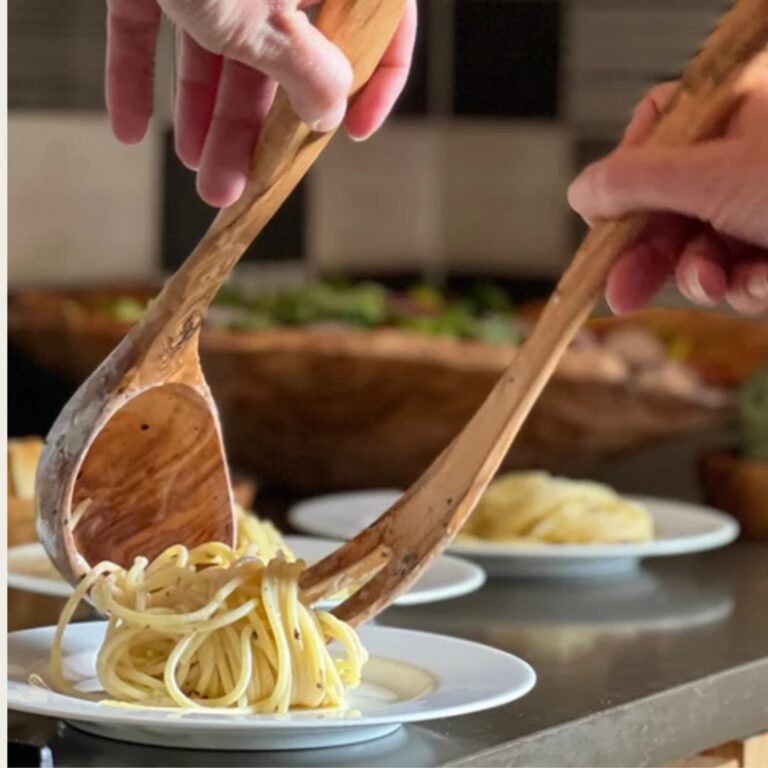
Verve Culture Italian Olivewood Ladle
A single piece of Italian olivewood carved in Umbria, oil-finished and safe on nonstick, glass, and porcelain. From a women-owned company. No plastic.
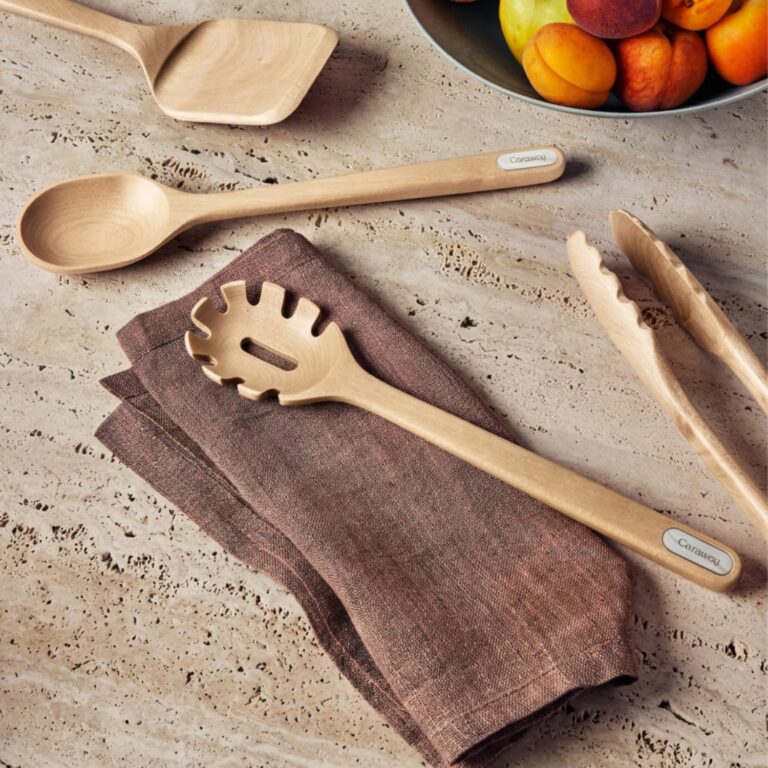
Caraway 5-Piece Wooden Utensil Set
A five-piece FSC-birch set (spoon, server, scraper, spatula, tongs) with a food-safe varnish. Caraway third-party tests the set as made without plastics, BPA, BPS, phthalates, and melamine. The varnish is a film finish and the brand does not name what it is made of.
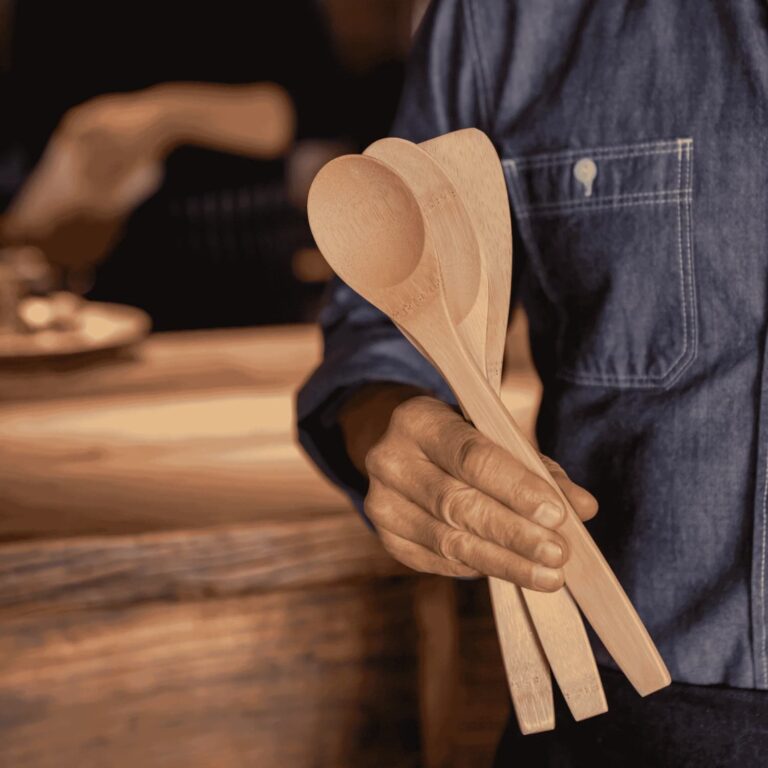
Bambu Kitchen Basics (Set of 3)
A three-piece set of solid FSC-certified bamboo utensils, hand-burnished and finished with a plant-based food-grade oil, with no glues or lacquers. From a woman-owned B Corp.

Kitsch Rice Water Protein Shampoo Bar
A sulfate-free solid shampoo bar in plastic-free paper packaging. Cleanses with coconut-derived syndets rather than SLS, and publishes its full ingredient list. The score measures plastic footprint, not fragrance.
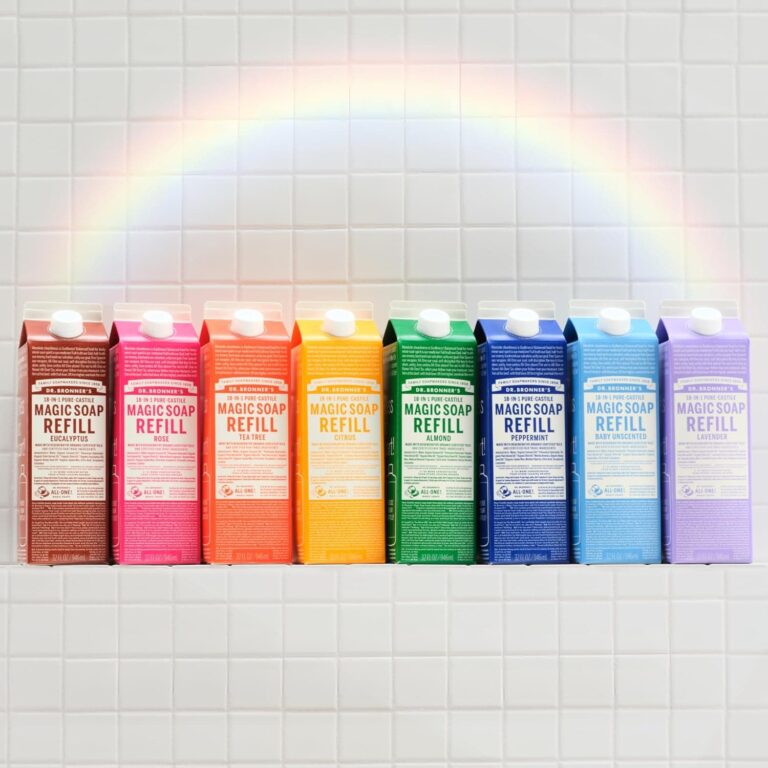
Dr. Bronner's Pure-Castile Bar Soap
A true castile bar made from Regenerative Organic Certified coconut, palm, olive, and hemp oils, wrapped in 100% post-consumer recycled paper. EWG Verified with no synthetic detergents, dyes, or added fragrance.
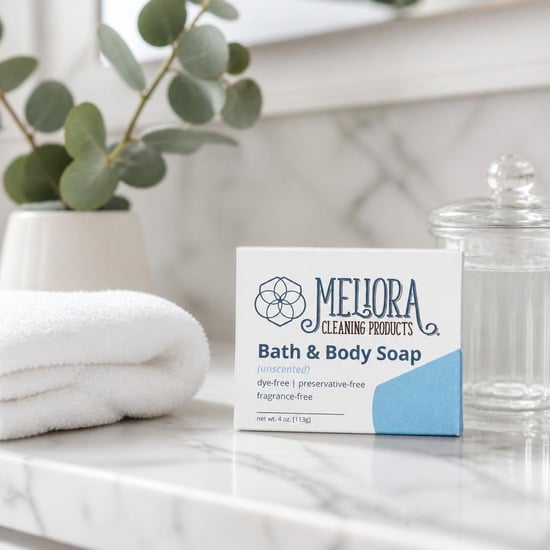
Meliora Bath & Body Soap Bar, Unscented
An unscented body bar of organic coconut and sunflower oils in a paperboard box, or unboxed. MADE SAFE and Leaping Bunny certified, from a Chicago B Corp.
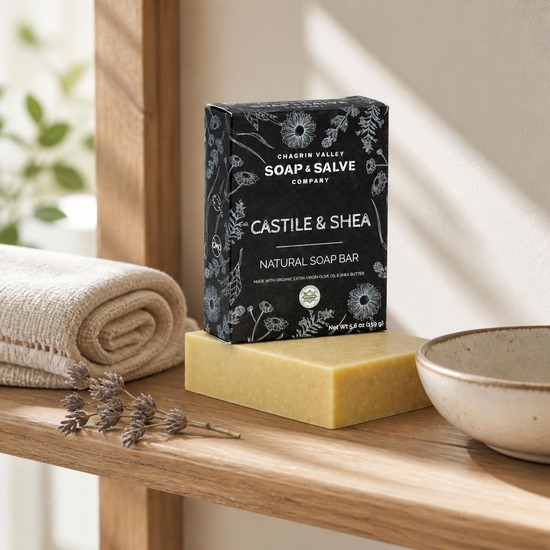
Chagrin Valley Castile & Shea Soap, Unscented
A mild unscented castile-style bar of organic olive oil, shea butter, and goat milk in a recycled-paper box. Leaping Bunny certified. It contains goat milk, so it is not vegan.
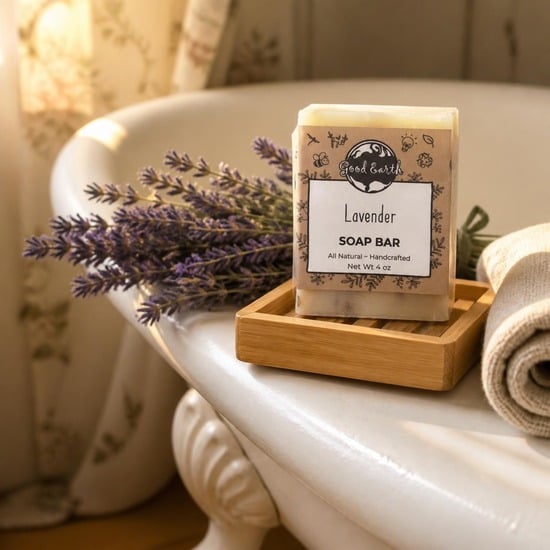
Good Earth Soap Lavender Bar, Unlabeled Option
A handmade lavender bar of olive, soybean, and coconut oils, scented only with essential oil. Pick the unlabeled option and it comes with no packaging at all.
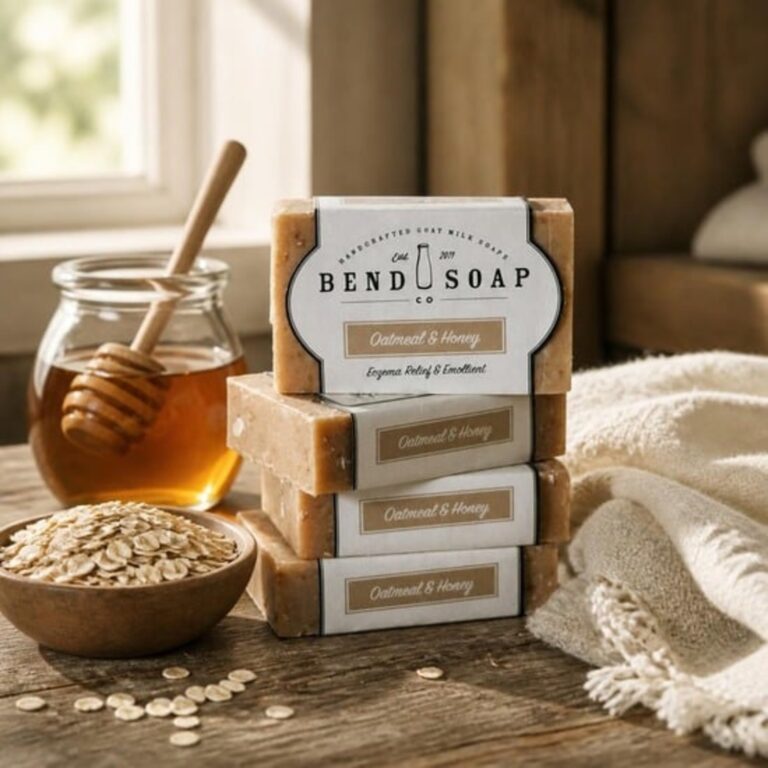
Bend Soap Co. Oatmeal & Honey Goat Milk Soap
A goat milk bar with oats and raw honey and no added fragrance, in a paper wrapper. Contains palm oil the brand does not verify. The brand sent us this bar to test.
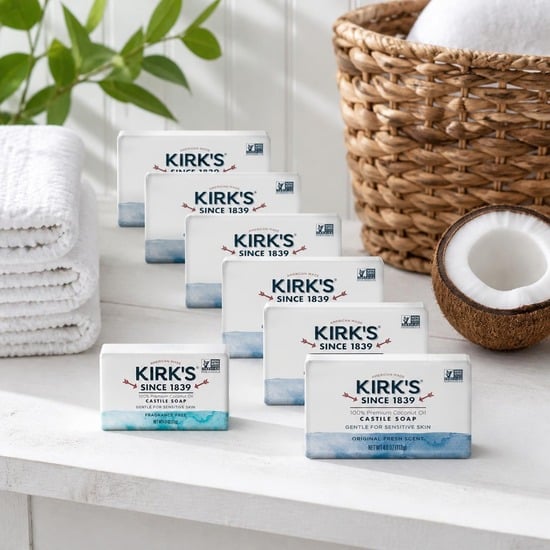
Kirk's Original Fresh Scent Castile Bar Soap
A classic coconut castile bar in a printed carton, made since 1839. Leaping Bunny certified. The Original scent includes synthetic fragrance, so choose Fragrance Free to avoid it.

Cedar Planters Raised Garden Bed, 18 x 48 in, 30 in Tall
Untreated Western Red Cedar boards, exactly what you want in a bed. The included liner's fabric is never named and is probably synthetic; ask the brand what it is before using it, or plant without the liner.
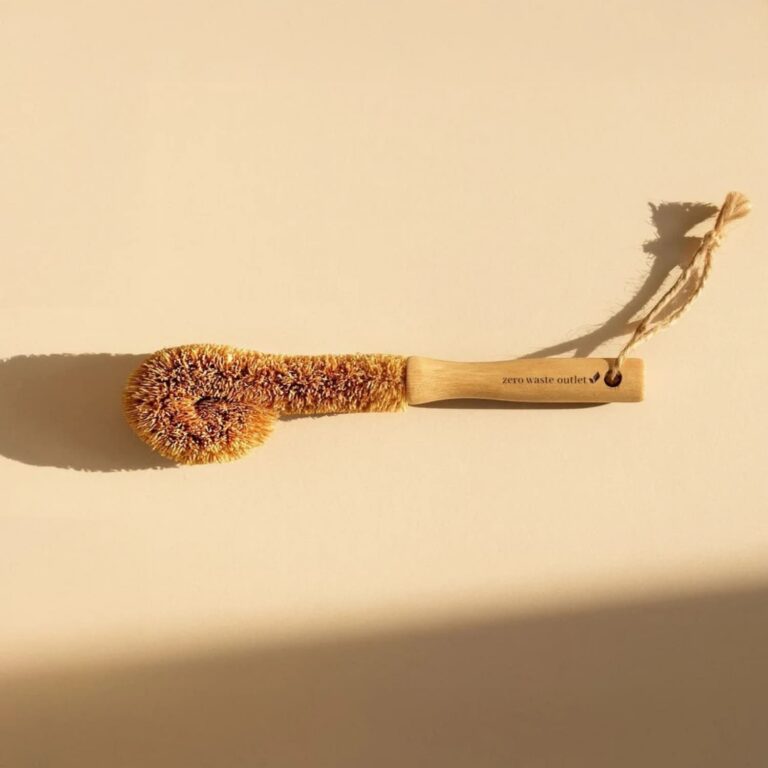
Zero Waste Outlet Coconut Cup Brush
Coconut-fiber bristles on a bendable metal wire core with a wooden handle, made to replace a nylon cup brush. Fits cups, jars and wide-mouth bottles.
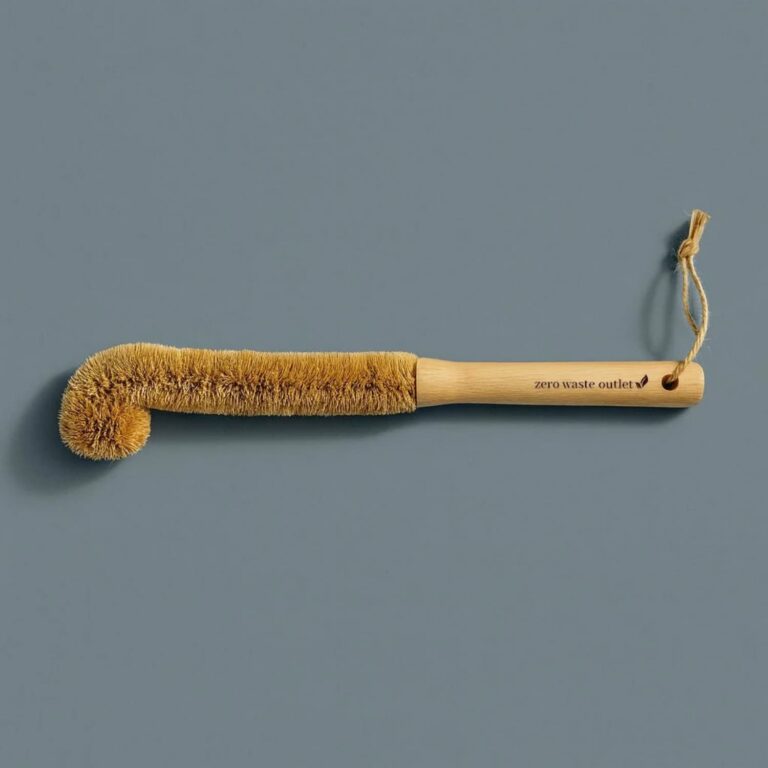
Zero Waste Outlet Coconut Bottle Brush
A 13 inch coconut-fiber bottle brush with a bamboo handle for tall water bottles, vases and coffee pots. Everything except the wire composts.
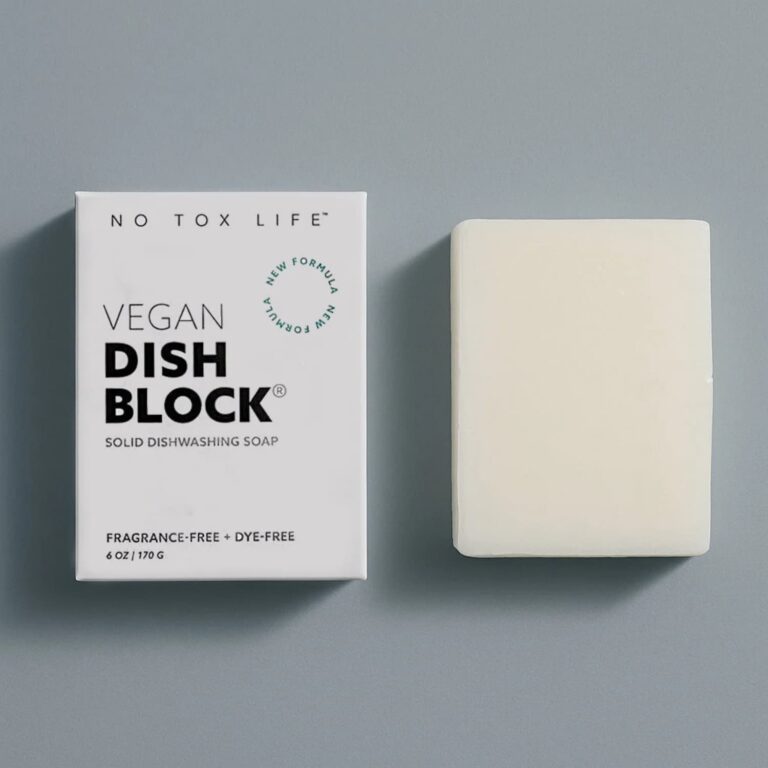
No Tox Life DISH BLOCK Solid Dish Soap
A concentrated solid dish soap in a paper box with no plastic. Full ingredient list published; the brand says a 6 oz block replaces 2 to 3 bottles.

Zero Waste Outlet Angled Bamboo Soap Dish
A slatted bamboo soap dish with two angled surfaces that drain water off the front. Scores 2 for its small silicone feet, which pop off before composting.
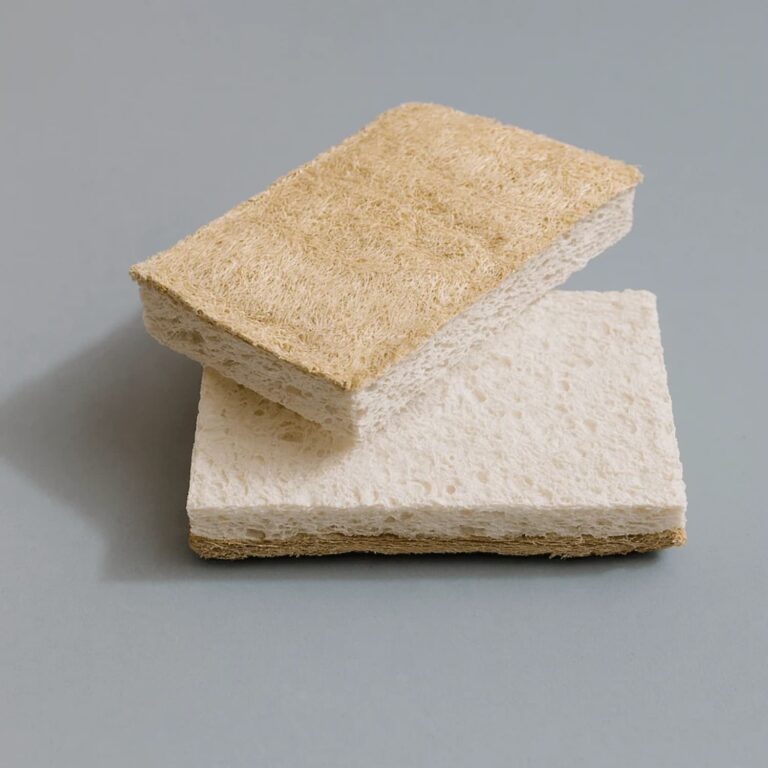
Zero Waste Outlet Dual-Sided Eco-Sponge 2-Pack
Cellulose on one side, loofah on the other, stitched with cotton instead of glued. No plastic and no PLA, though it sheds natural and cellulosic fiber as it wears.
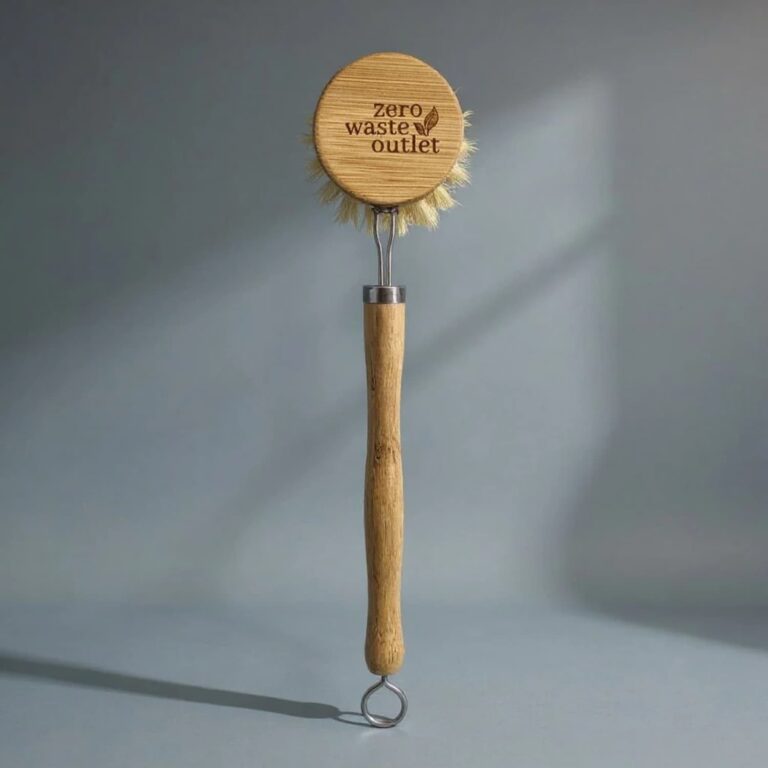
Zero Waste Outlet Long Handle Pot Brush
A long wooden handle with a screw-on sisal head you replace instead of the whole brush. Old heads compost.
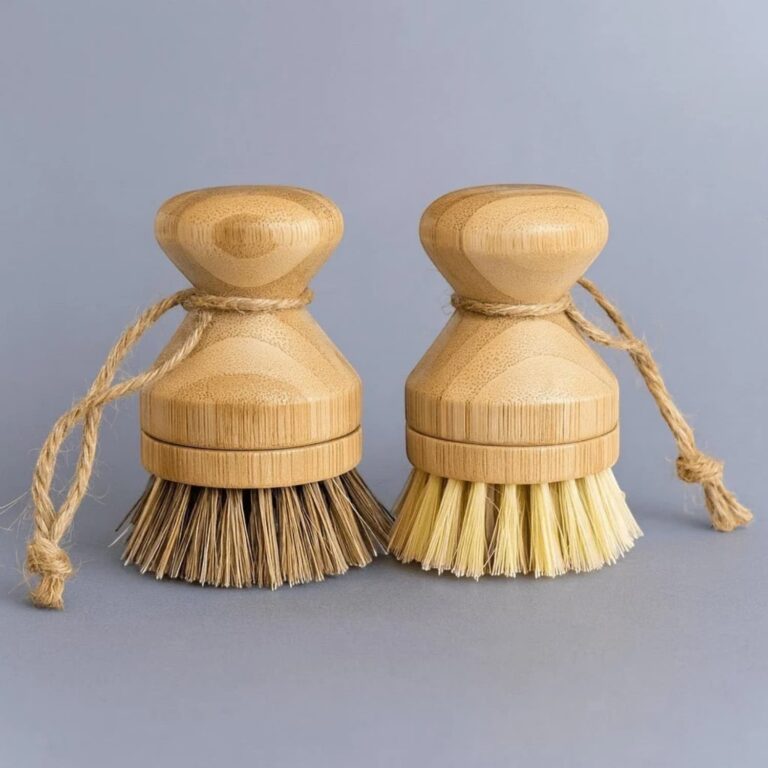
Zero Waste Outlet Modular Palm Pot Scrub Brush
A palm-sized wood scrub brush with a compostable screw-on head in heavy-duty palm or regular sisal and agave fiber.
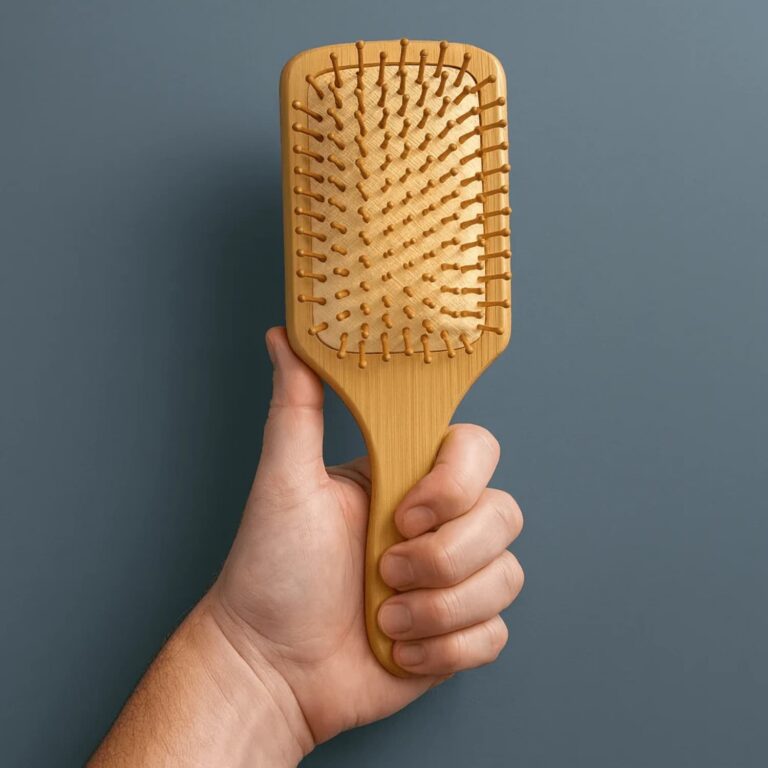
Zero Waste Outlet Large Paddle Bamboo Hairbrush
A bamboo paddle brush with rounded wood bristles and a natural rubber cushion. Every part is named and none of it is plastic.
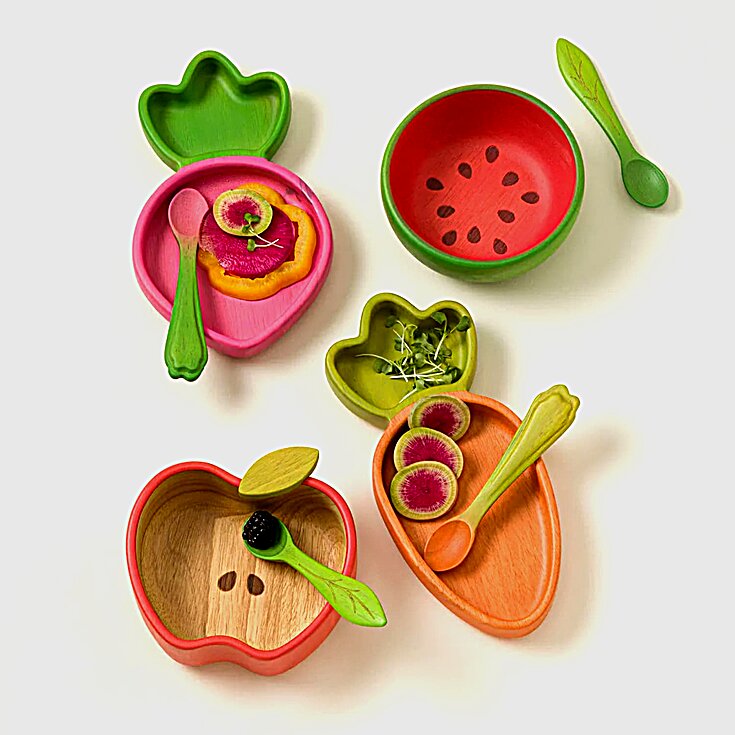
Uncommon Goods Healthy Harvest Natural Wood Dining Set
Kids' dinnerware carved from solid hevea wood, stated free of plastic, BPA, and petroleum components, hand-painted with natural pigments. About as low-plastic as kids' tableware gets.
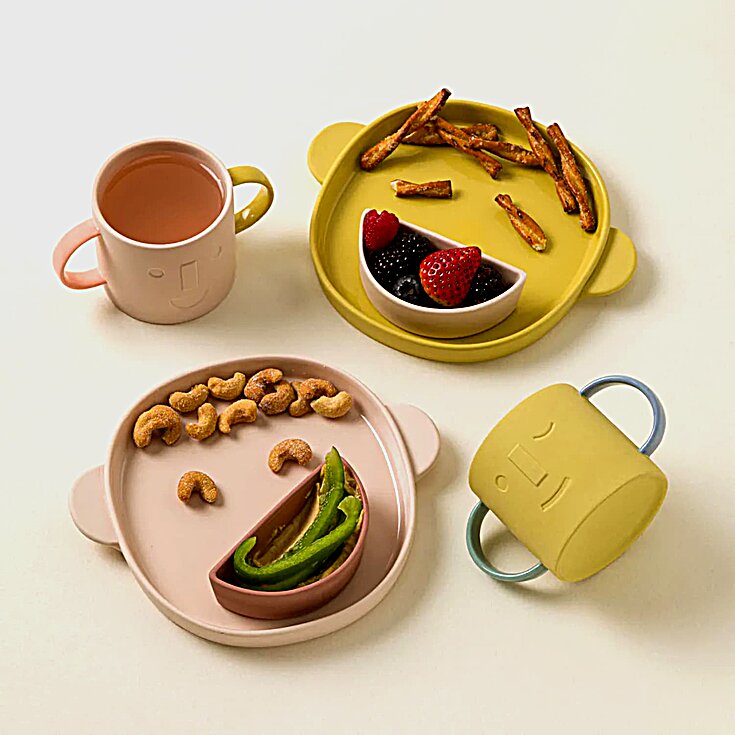
Uncommon Goods Good Mood Kids Porcelain Tableware
Kids' tableware in solid porcelain, an inert ceramic with no plastic. Double-handle cups sized for small hands, dishwasher and microwave safe.
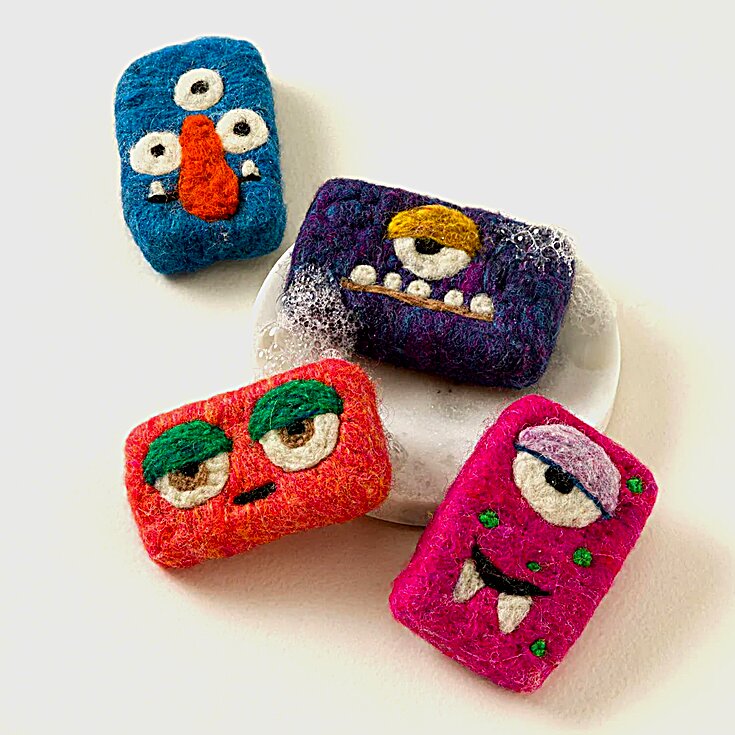
Uncommon Goods Mystery Monster Felted Soap
A handmade soap bar in a felted-wool washcloth, made from natural saponified oils and essential oils. Plastic-free through and through, handmade in New Jersey.
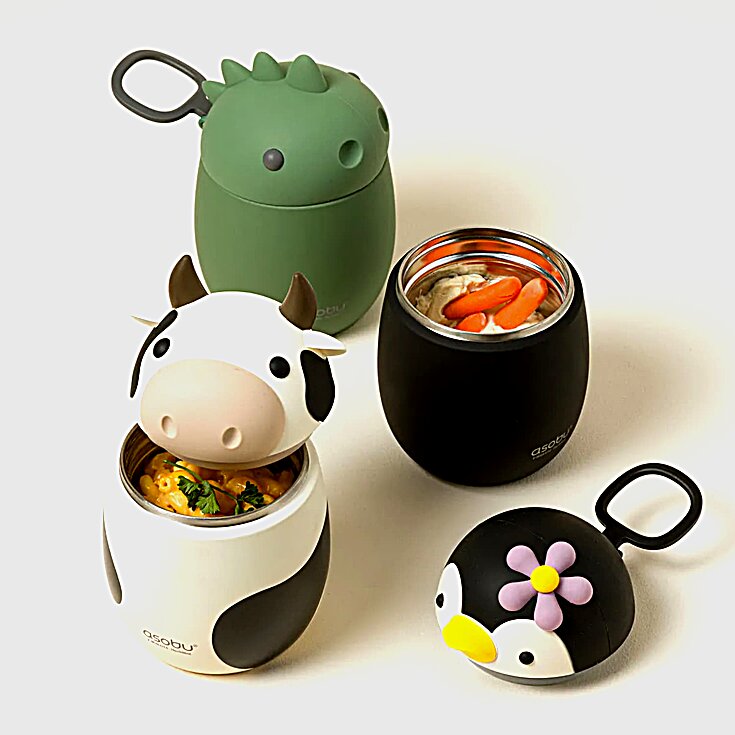
Uncommon Goods Animal Bestie Insulated Food Container
Double-wall insulated kids' food jar in 18/8 stainless steel, stated BPA-free and lead-free, with a silicone lid seal. Steel keeps hot and cold food off plastic.
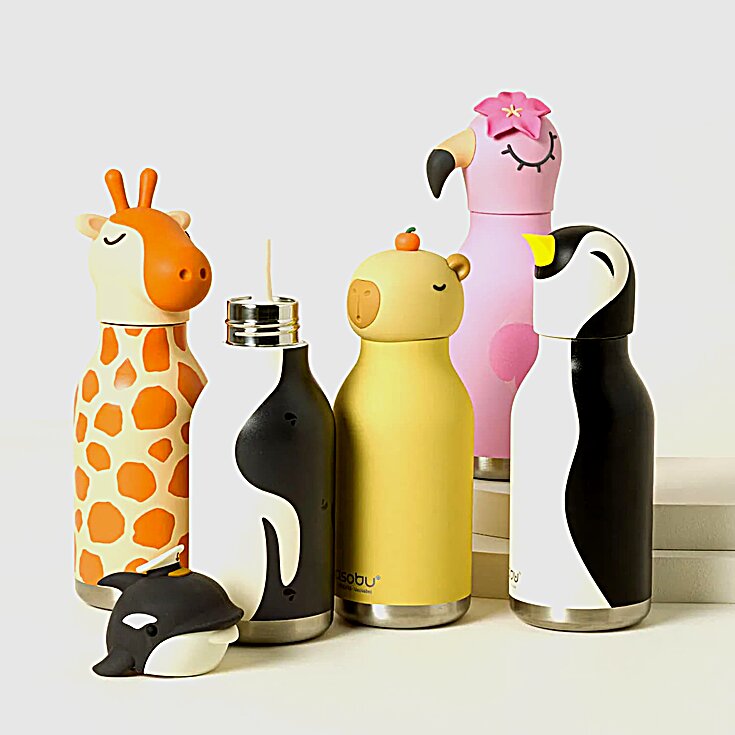
Uncommon Goods Animal Bestie Water Bottles
Kids' insulated bottle with a food-grade stainless steel body and a silicone animal lid and straw. Steel keeps drinks off plastic; the soft-touch exterior coating is not detailed.
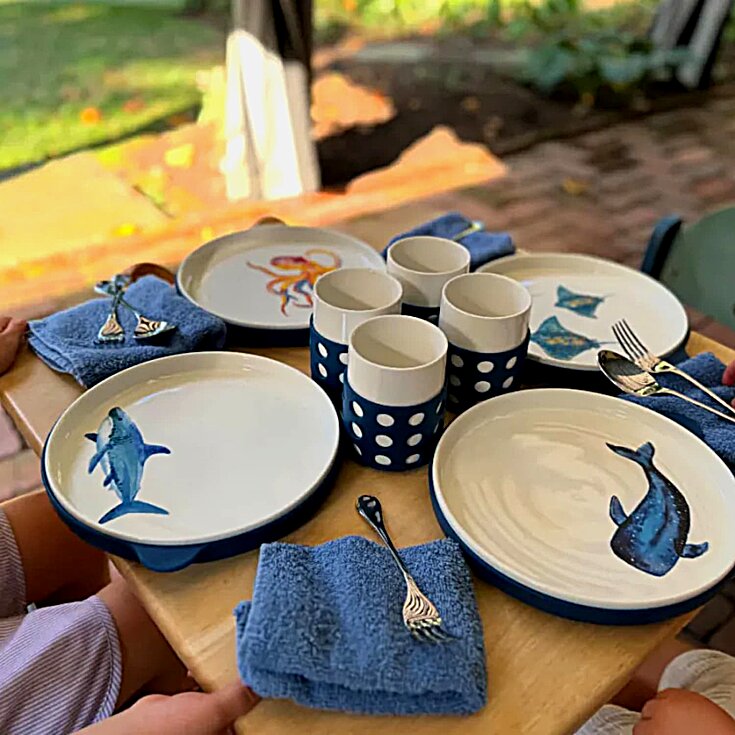
Uncommon Goods Sea, Eat, and Store Ceramic Dinnerware Set
Kids' ceramic plate and bowl with silicone bases that double as lids, plus a cup with straw. Food sits on inert ceramic instead of plastic.
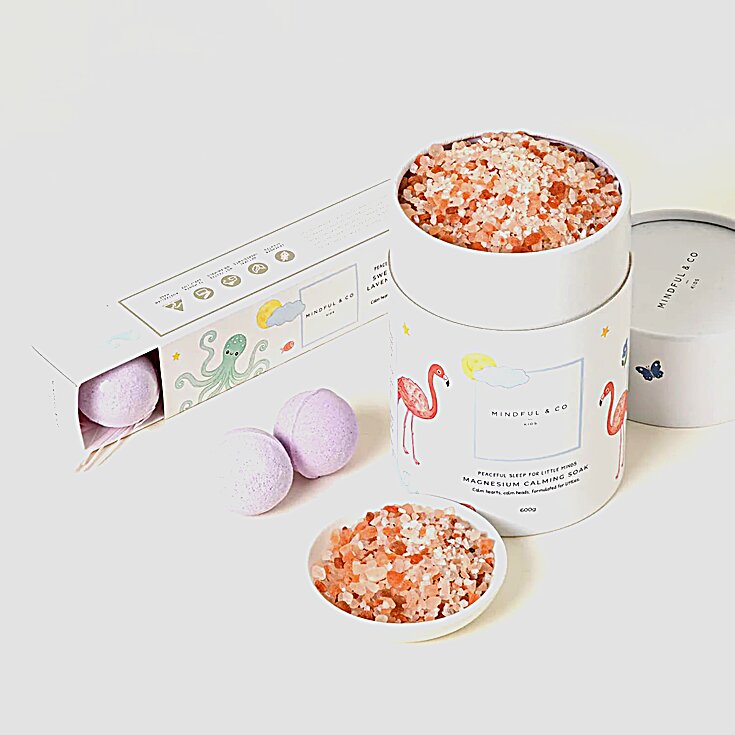
Uncommon Goods Kids Soothing Magnesium Bathtime Set
A kids' magnesium bath soak plus six lavender-chamomile bath bombs, stated 100% natural with no synthetic fragrance or color. Bath-bomb packaging is cardboard.
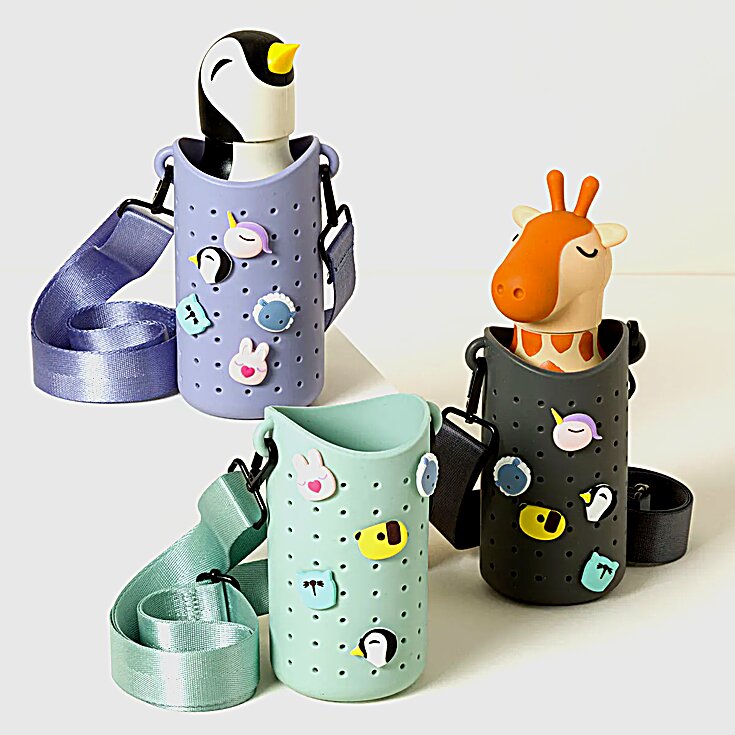
Uncommon Goods Crossbody Bestie Bottle Bag
A silicone sleeve that carries a kids' water bottle crossbody, with a nylon strap and clip-on charms. Silicone body is not a petroleum plastic; the nylon strap is the part that sheds, and the charm material is not disclosed.
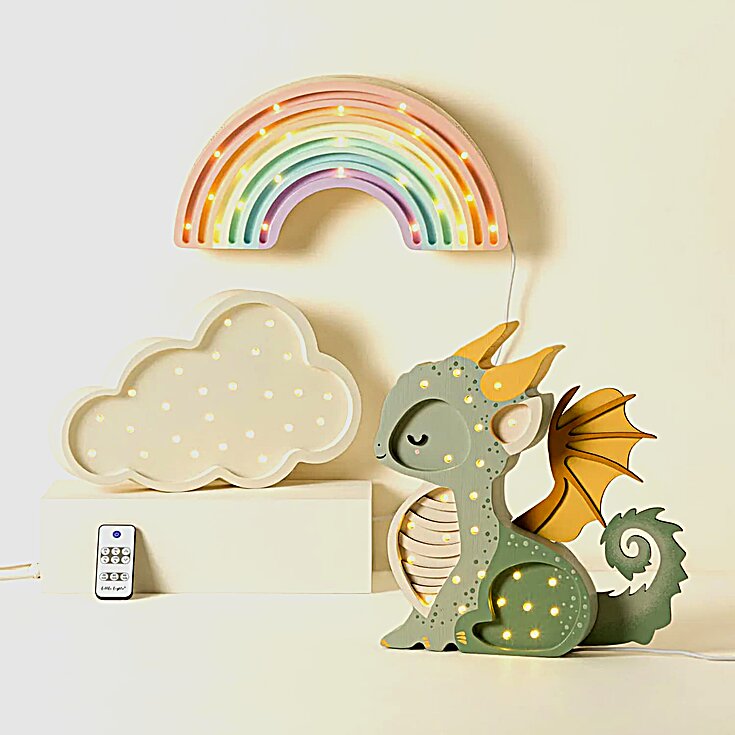
Uncommon Goods Hand-Painted Mythical & Magical Worlds Lamps
A hand-painted solid-pine kids' night lamp with a warm-white LED and remote dimmer. A low-plastic decor choice next to typical plastic light-up lamps; the electronics are the plastic parts.
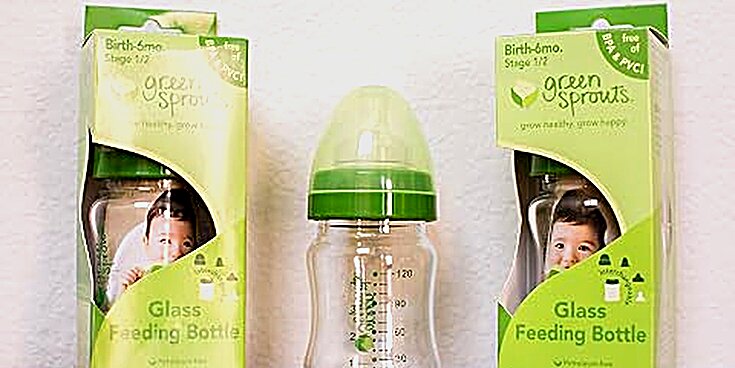
Green Sprouts Glass Feeding Baby Bottles, BPA and PVC Free, 2 oz (set of 3)
Thick-walled borosilicate glass feeding bottles, stated BPA and PVC free and petroleum-free. Milk sits in glass, not plastic, which matters most when bottles are warmed.
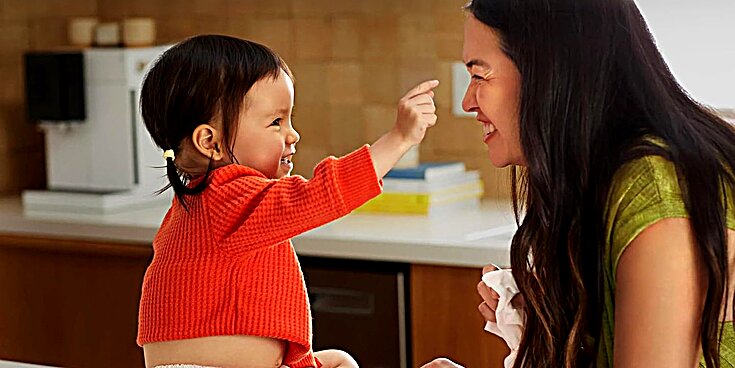
Coterie Plant-Based Wet Wipes
Made from 100% plant fibers with no plastic. Hypoallergenic, fragrance-free, and EWG Verified.
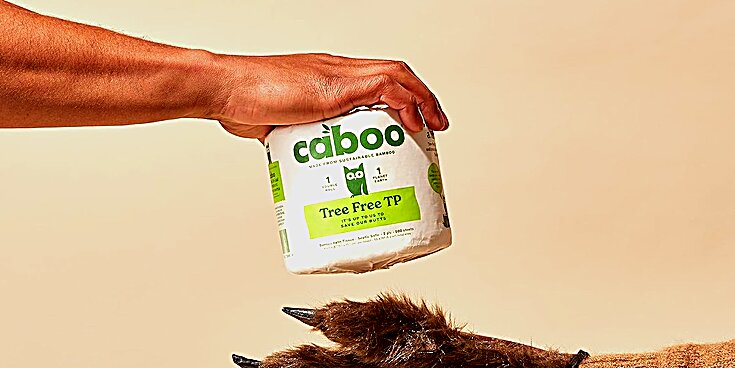
Caboo Tree-Free Bamboo Toilet Paper
Tree-free, made from fast-growing bamboo, with FSC-certified fiber and plastic-free shipping.
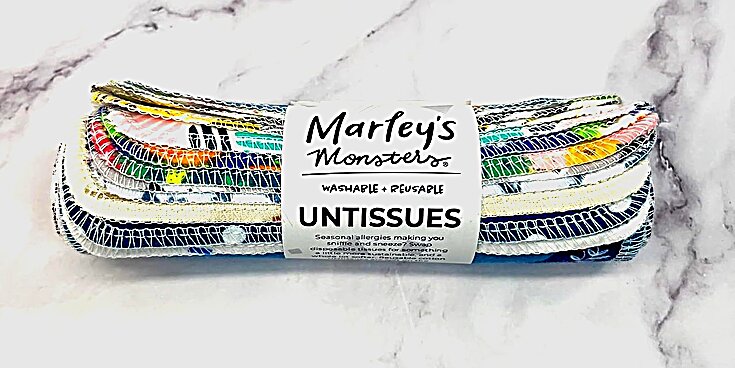
Marley's Monsters UNtissues Reusable Cotton Hankies
Soft double-layer flannel cotton hankies that wash and reuse for years. B Corp certified, handmade in Oregon by a small woman-owned business.
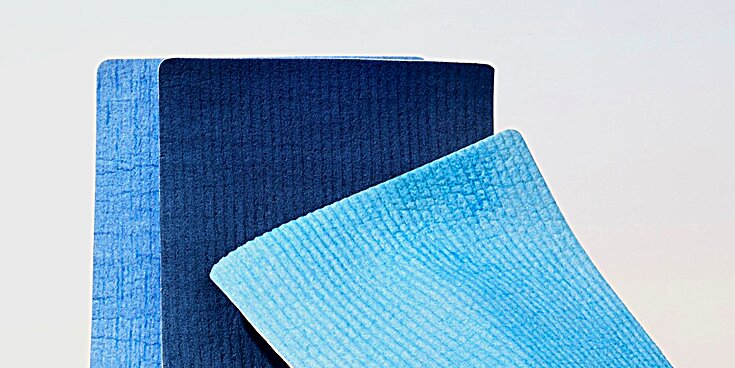
Blueland Cloud Cloths Plastic-Free Microfiber Alternative
Made from plant fibers, giving microfiber-style dust performance without shedding plastic into your laundry. Machine-washable.
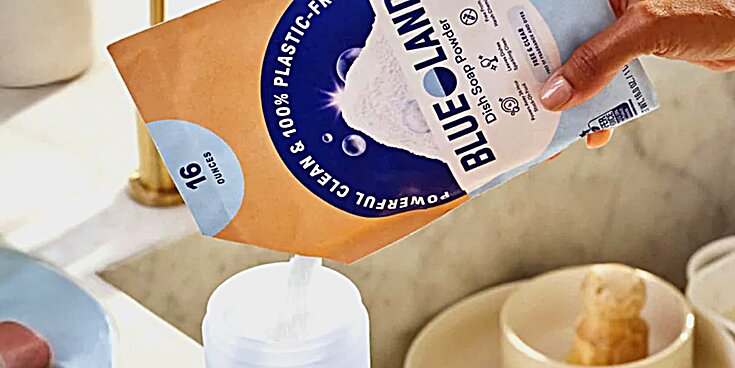
Blueland Dish Soap Powder
Highly concentrated powder you scoop onto your sponge. No plastic packaging and no water shipped. B Corp, Cradle to Cradle, and Climate Neutral certified.
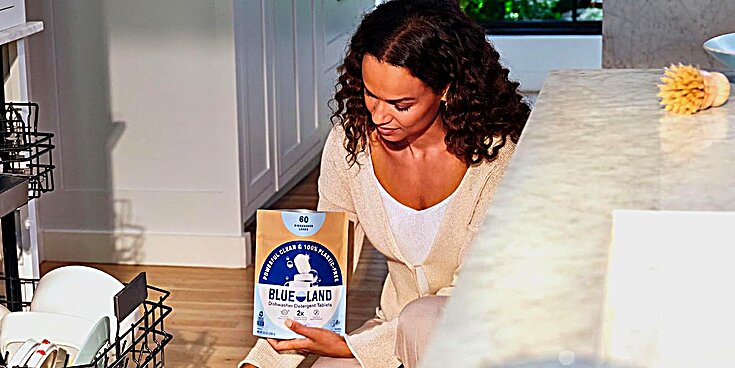
Blueland Dishwasher Tablets
PVA-free dishwasher tablets in a refillable steel tin. EPA Safer Choice and EWG Verified, shipped in compostable packaging.
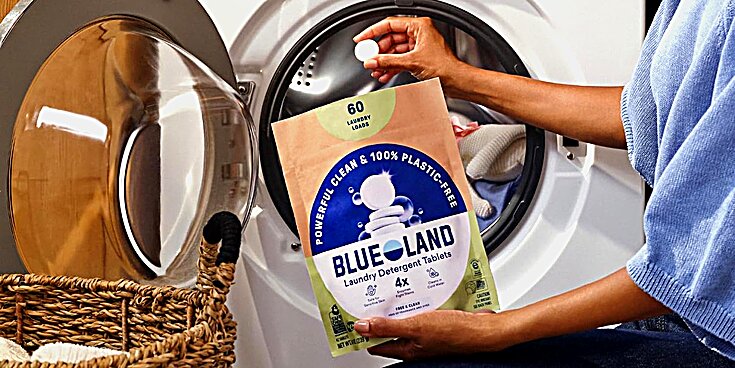
Blueland Laundry Tablets
Concentrated tablets in a refillable steel tin, with no PVA film and no plastic jug. EPA Safer Choice, EWG Verified, and B Corp certified.
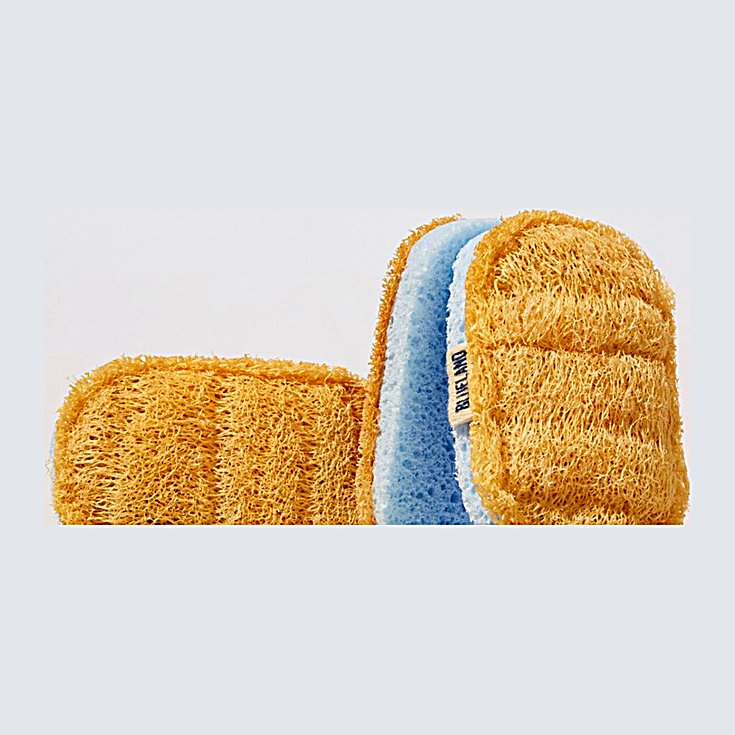
Blueland Plant-Based Plastic-Free Sponge
Made from cellulose and loofah with no polyurethane and no microplastics. Composts at end of life.
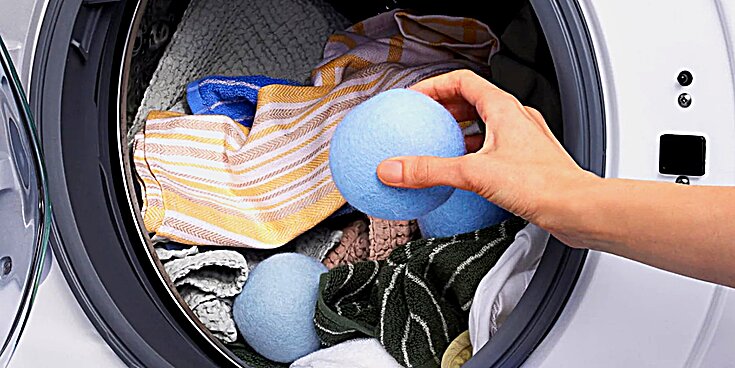
Blueland Wool Dryer Balls
100% New Zealand wool balls that soften fabrics and cut drying time by about 25%. Add essential oils for scent. Last over 1,000 loads.
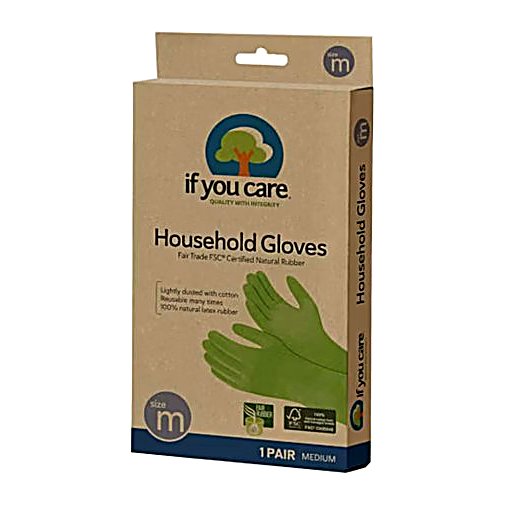
If You Care Household Gloves, natural latex, 1 pair (Medium listing; also sold in S and L)
Reusable cleaning gloves made from natural rubber latex instead of the nitrile or vinyl most cleaning gloves are made of. Natural rubber is tapped from trees, not refined from oil, so the glove that touches your dishes and counters is not a plastic.
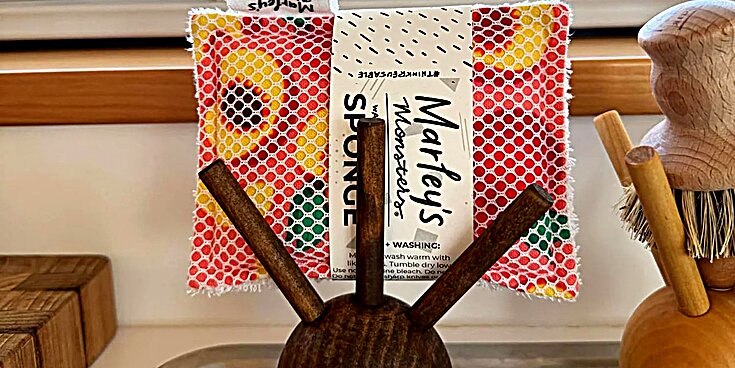
Marley's Monsters Washable Reusable Sponges
100% cotton flannel sponges that wash and reuse for years. B Corp certified, 1% for the Planet member, handmade in Oregon by a small woman-owned business. Compostable at end of life.
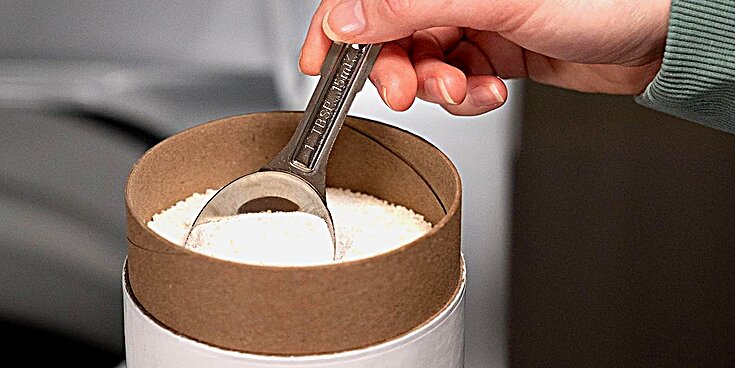
Meliora Laundry powder
A plastic-free laundry powder in low-waste refill packaging, with every ingredient on the label.
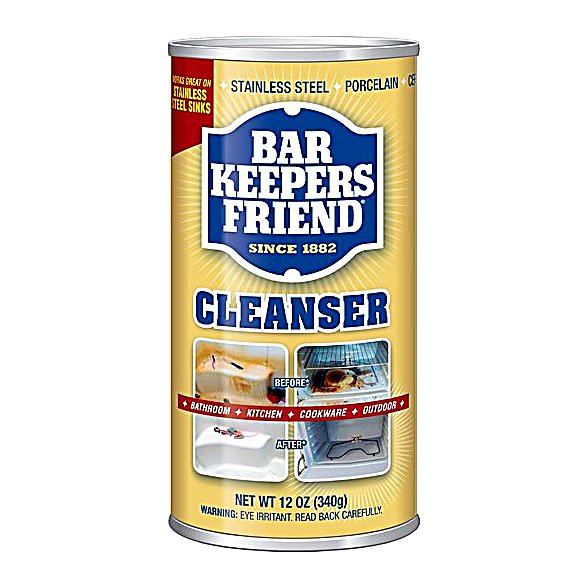
Bar Keepers Friend Powdered Cleanser, 12 oz canister
A mineral powder cleanser (oxalic acid and feldspar abrasive) with no plastic microbeads and no polymers in the formula. The plastic-relevant part is the canister, not the cleanser.
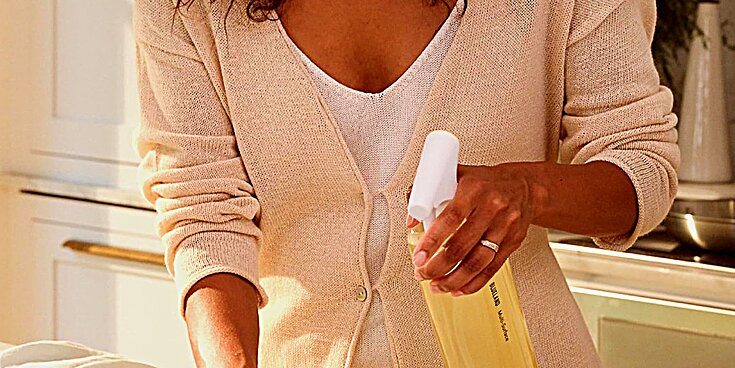
Blueland All-purpose cleaner (refill tablet)
A forever spray bottle plus plastic-free cleaning tablets. The sprays carry EPA Safer Choice.
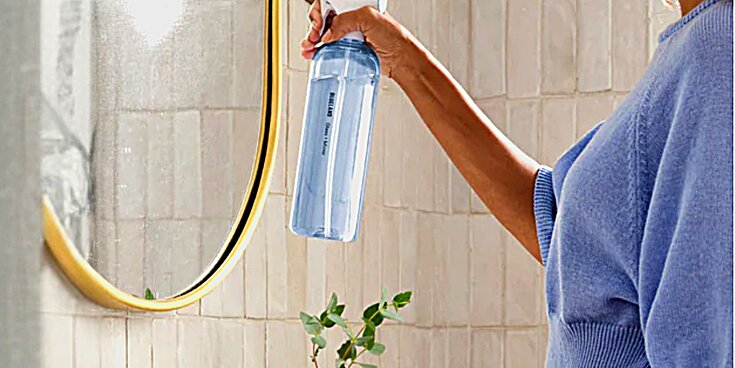
Blueland Glass and Mirror Cleaner Tablets
Streak-free formula in tablet form. Drop one in a refillable bottle and add water. Same B Corp, Cradle to Cradle, and EPA Safer Choice promise.
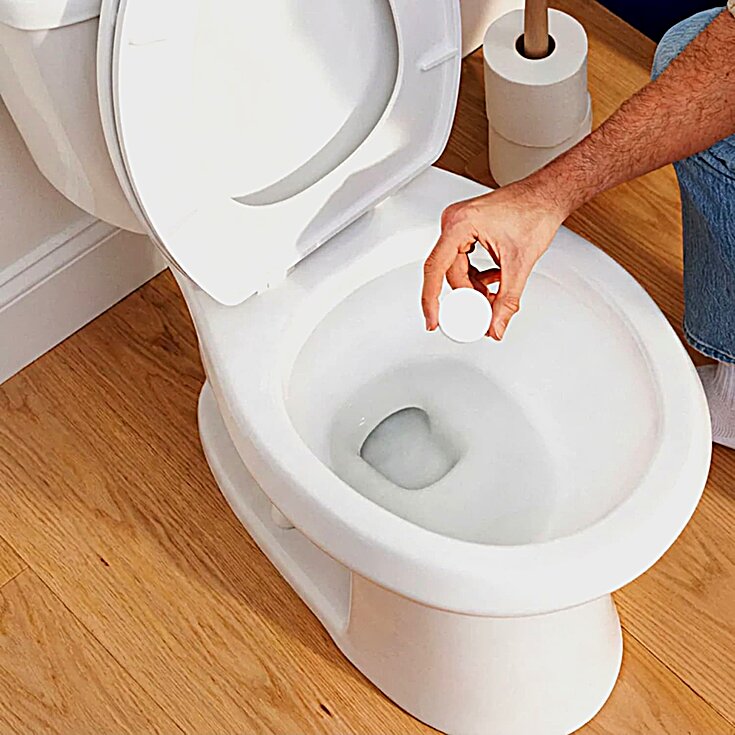
Blueland Toilet Bowl Cleaner Tablets
One of the few cleaning products with no plastic in the dose, the wrapper, or the container. EPA Safer Choice, refilled from compostable paper into a steel tin you buy once.
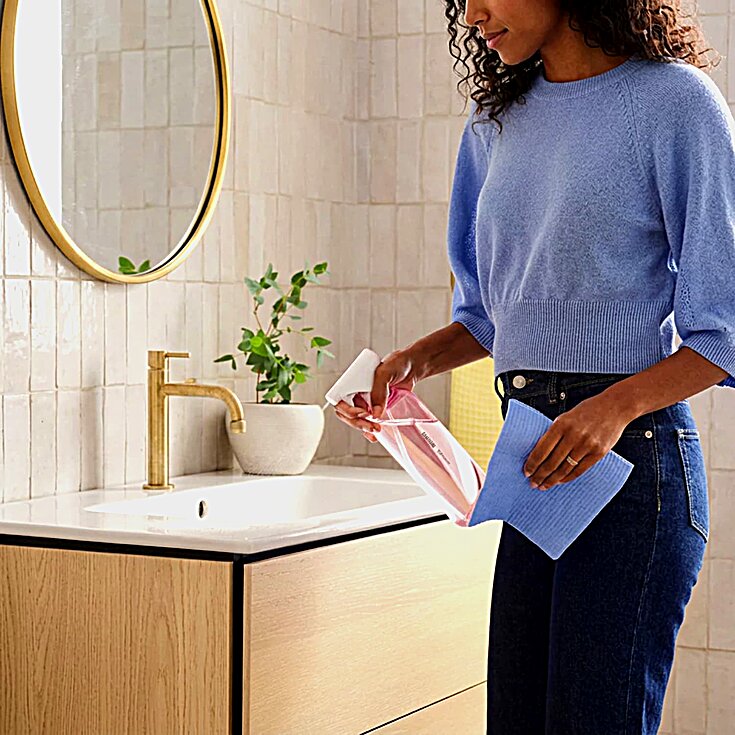
Blueland Bathroom Cleaner (refill tablet)
A forever spray bottle plus plastic-free bathroom tablets for soap scum and hard water. A 2 rather than a 1 because the bottle you keep is Tritan plastic.
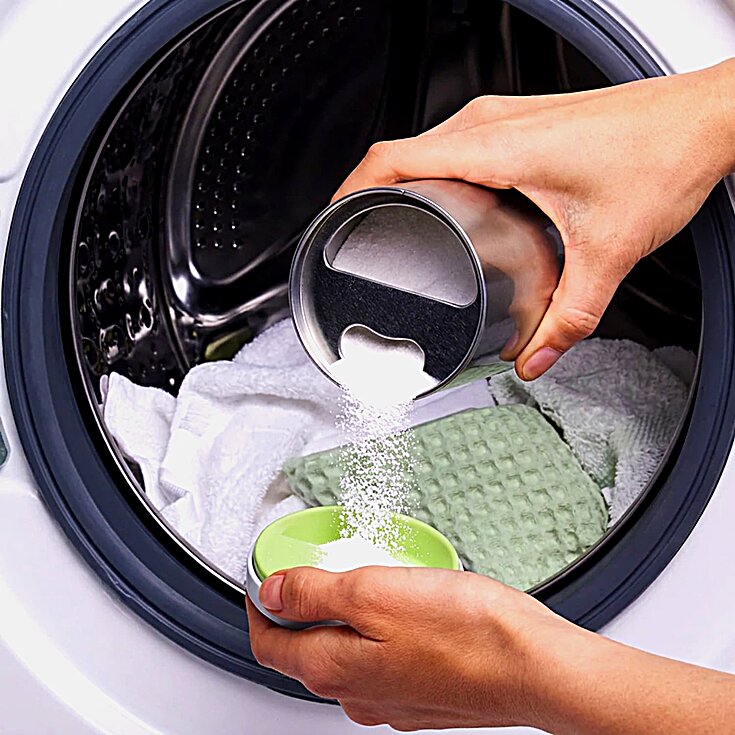
Blueland Oxi Laundry Booster
A PVA-free oxygen booster in a refillable steel tin rather than the usual plastic tub. Pairs with the laundry tablets for whites and stains.
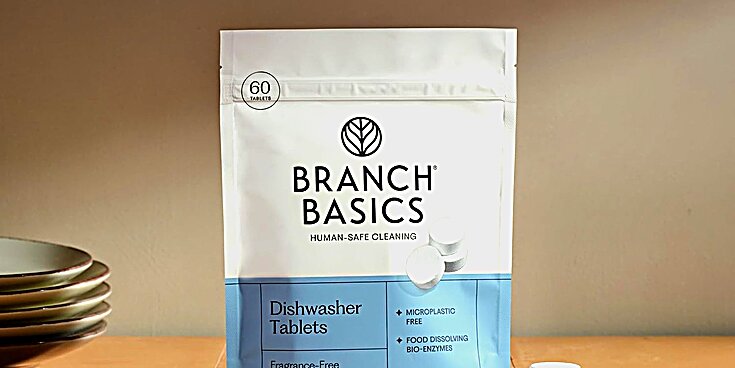
Branch Basics Dishwasher tablets
Plastic-free dishwasher tablets with no plastic film, fragrance-free, from a fully disclosed plant and mineral formula.
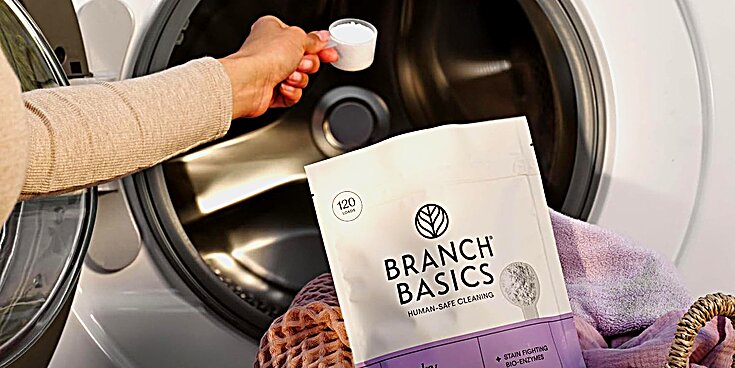
Branch Basics Laundry detergent (powder)
A plastic-free, fragrance-free laundry powder, plant and mineral based, about 120 loads per 4 lb.
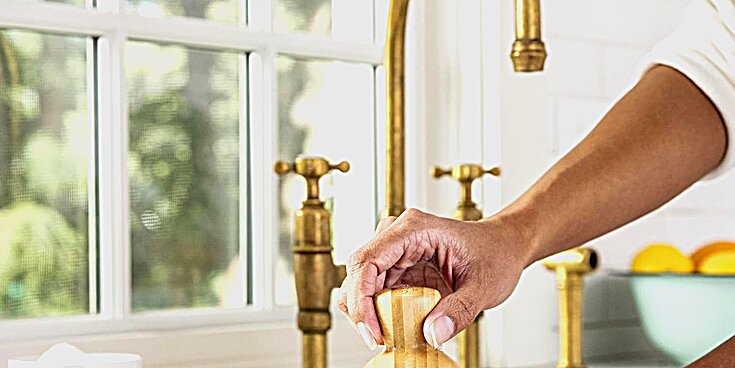
Grove Co. Bamboo Dish Brush with Replaceable Head
FSC-certified bamboo handle with a replaceable plant-fiber head, so you replace just the head, not the whole brush. B Corp certified and Plastic Neutral via rePurpose Global.
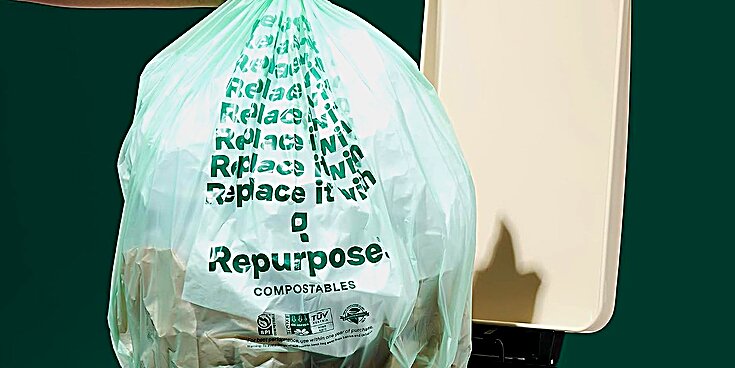
Repurpose Compostable Trash Bags
Plant-based compostable trash bags. BPI Certified to break down in industrial compost, and strong enough for kitchen use.
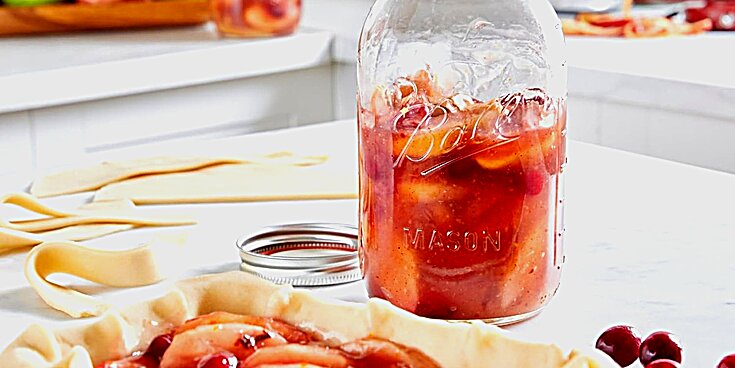
Ball Regular Mouth 32-oz Mason Jars with Lids and Bands (2-pack)
Classic glass mason jars with two-piece metal lids. Glass is inert and endlessly recyclable; the only plastic-relevant part is the thin sealing compound inside the flat lid, which Ball does not publicly specify.
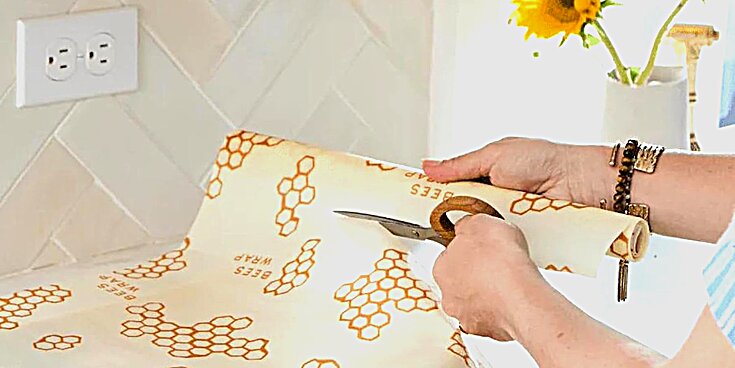
Bee's Wrap Reusable Beeswax Food Wraps
Organic cotton coated with beeswax, plant oils, and tree resin. Mold it to dishes with the warmth of your hands. Washable and lasts about a year. Certified B Corp with GOTS organic cotton.
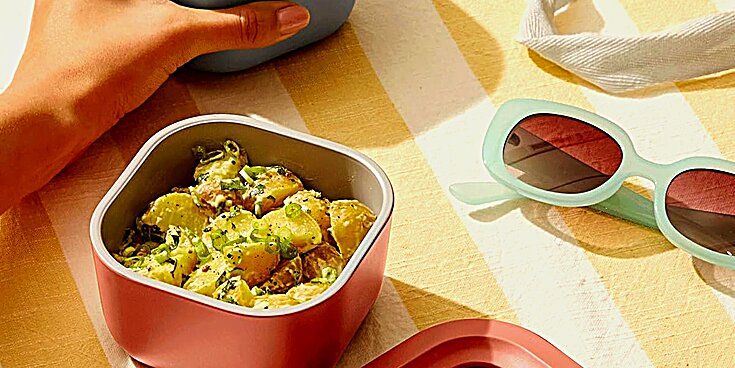
Caraway Glass Food Storage Set
Borosilicate glass containers with glass lids, so no plastic touches food. Stackable and oven-safe, independently lab-tested for toxic substances.

Ceres Chill Bloom Glass Baby Bottle
A 6 oz borosilicate glass bottle with food-grade silicone nipple, collar, flat cap, and sleeve. The brand states it is free of BPA, BPS, phthalates, PFAS, and lead.
Use code THRIVING for 15% off
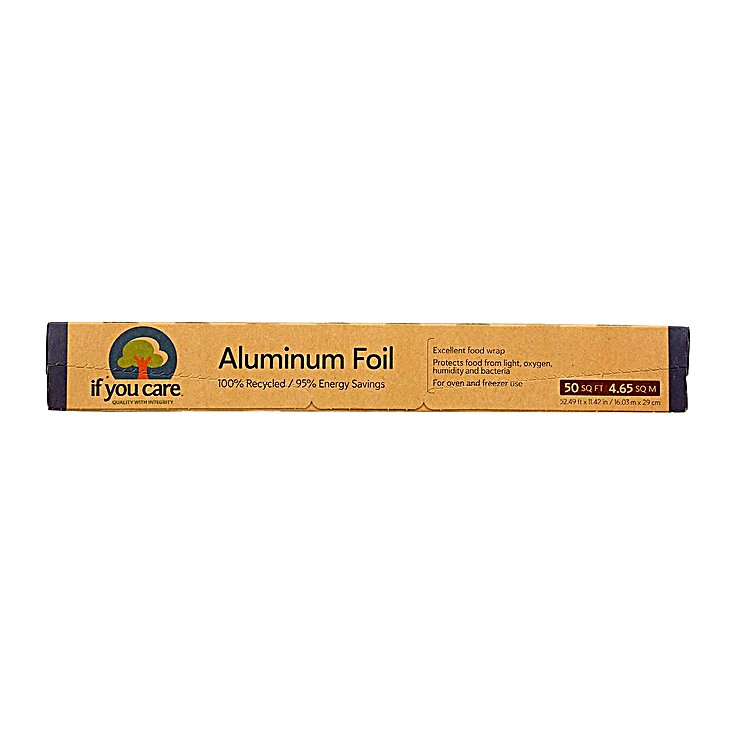
If You Care 100% Recycled Aluminum Foil
Made from 100% post-consumer recycled aluminum, which uses 95% less energy than virgin foil. FSC-certified packaging and it performs like conventional foil.
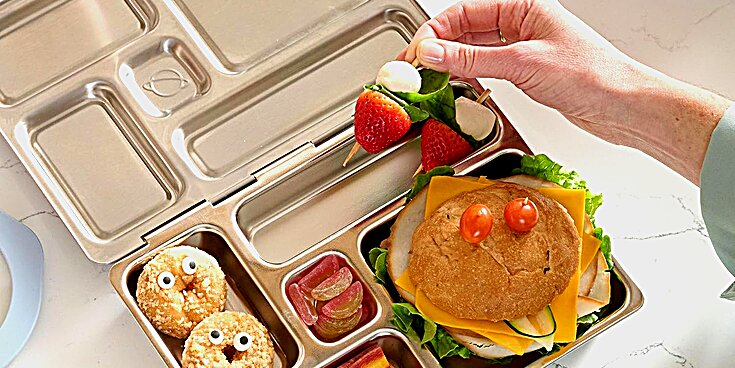
PlanetBox Stainless Steel Bento Lunch Box
Compartmentalized stainless steel bento with a magnetic lid that lasts a decade or more. Trays use certified post-consumer recycled stainless steel.
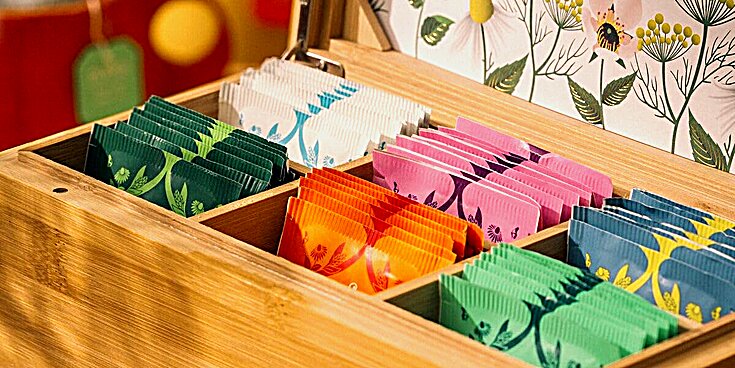
Pukka Herbs Organic Herbal Tea Bags
Organic herbal blends in plastic-free tea bags where the bag, string, and tag are all biodegradable. B Corp and FairWild certified for ethical wild-herb sourcing.
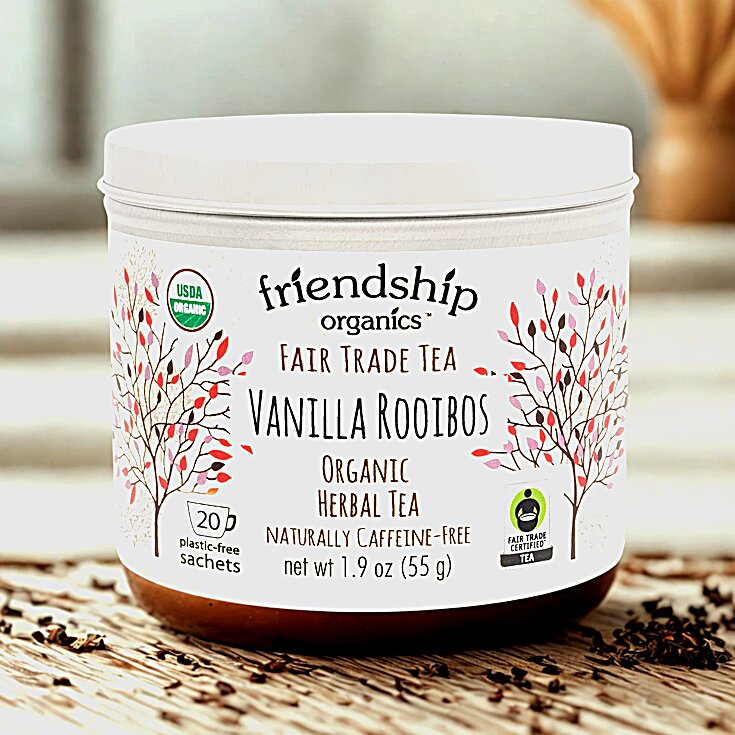
Friendship Organics Tea Sachets
Abaca-fiber tea sachets with no strings, tags, or individual wrappers, kept fresh in a plant-based cellophane bag inside a reusable steel tin. Organic certified by PRO-CERT.
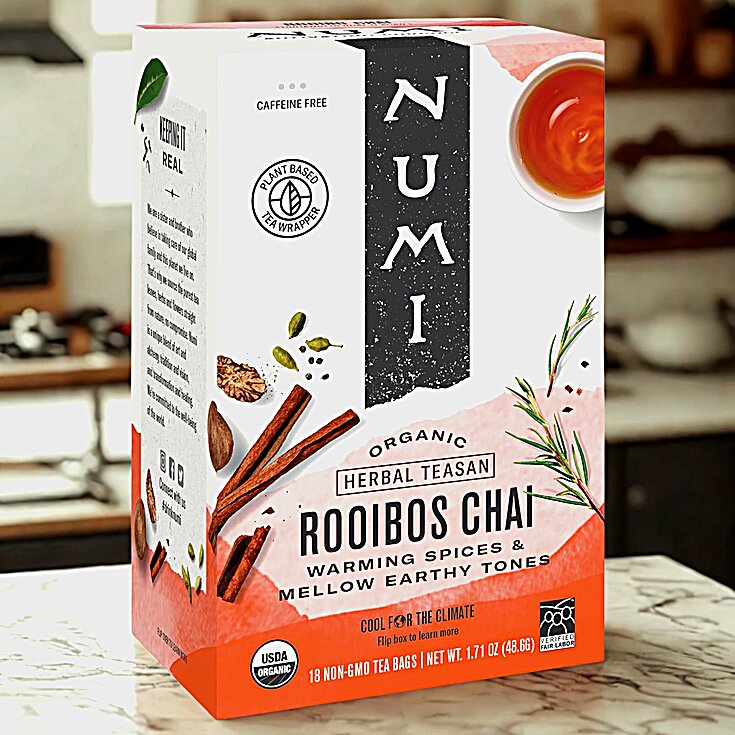
Numi Organic Tea Bags
Manila-hemp tea bags closed by a crimp and knot, not a polypropylene heat-seal, with a cotton string and a recycled-paper tag. Founding B Corp. The individual wrappers are compostable but contain sugarcane PLA.
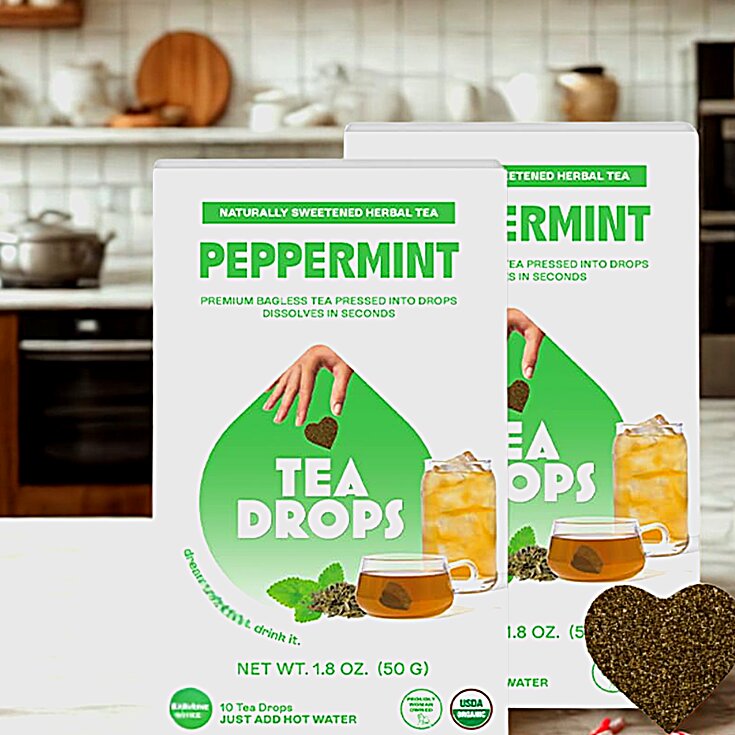
Tea Drops Bagless Pressed Tea
Bagless pressed tea that dissolves in hot water, so nothing steeps into your cup. The catch is packaging: each morsel is individually wrapped in a film the brand's own site calls plastic and recyclable, not compostable.
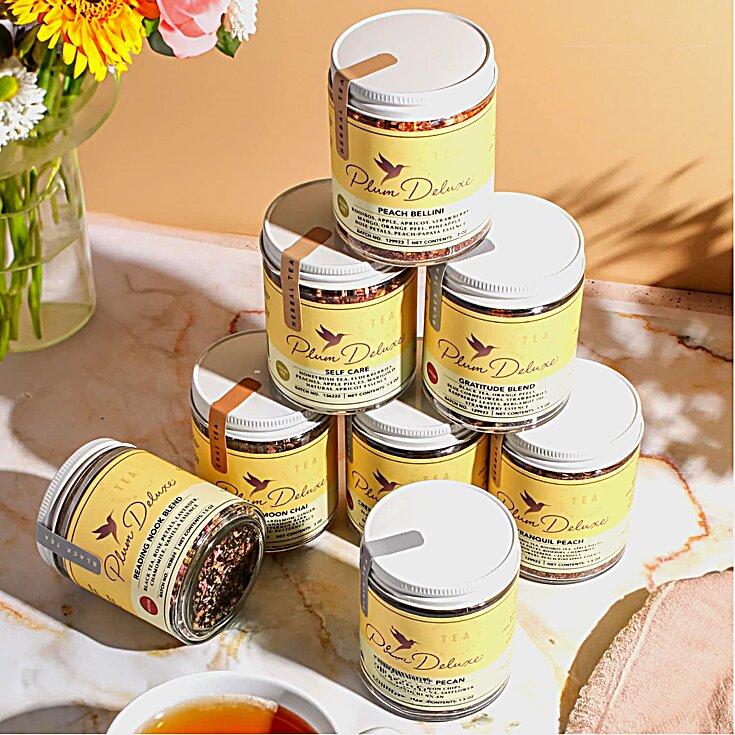
Plum Deluxe Loose-Leaf Tea
Hand-blended loose-leaf tea packaged in a reusable glass jar, an inert, plastic-free container. Loose leaf means there is no tea bag and nothing plastic steeps into your cup.

Pura Kiki Kids Stainless Steel Bottle
Medical-grade stainless steel with food-grade silicone seals and sleeves, so no petroleum plastic touches the drink. MADE SAFE certified. The silicone is a synthetic, so we rate it low-plastic rather than plastic-free.
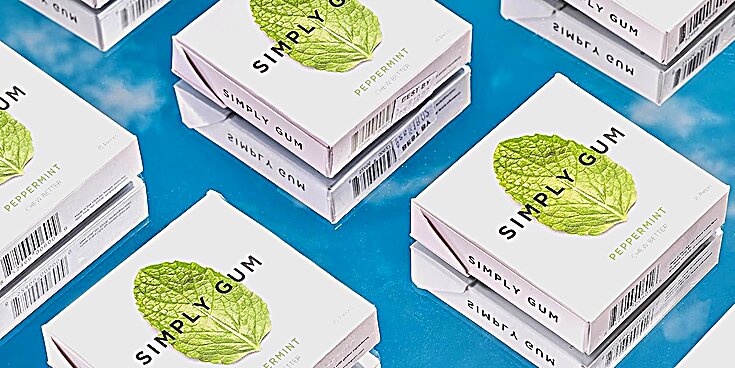
Simply Gum Natural Chewing Gum
Made from chicle, actual tree sap, instead of synthetic plastic gum base. Six natural flavors in plastic-free packaging.
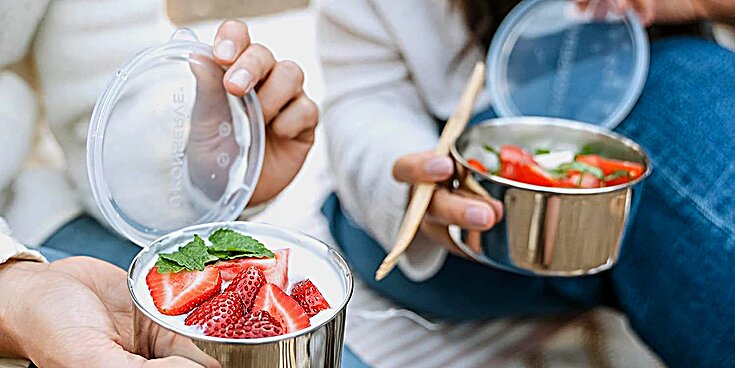
U-Konserve Stainless Steel Snack Container
Leak-resistant stainless steel containers with silicone lids. Dishwasher-safe and built to last decades. A 1% for the Planet member.
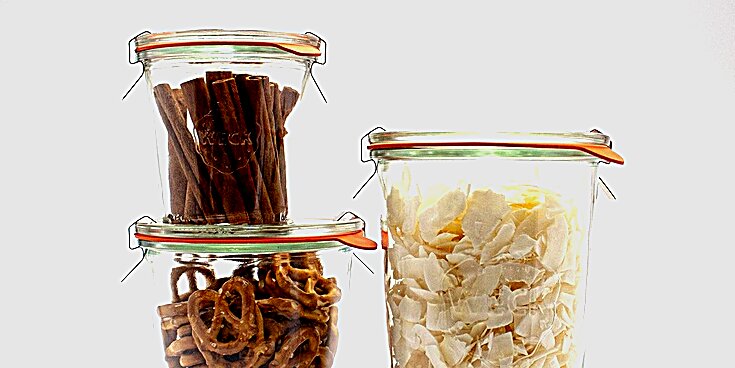
Weck Mold Jar 743 with Glass Lid, Rubber Ring, and Steel Clamps (3/4 liter)
The German canning classic: a thick glass jar sealed by a glass lid, a rubber gasket, and stainless steel clamps. No plastic anywhere in the closure, which makes it one of the only fully plastic-free canning systems.
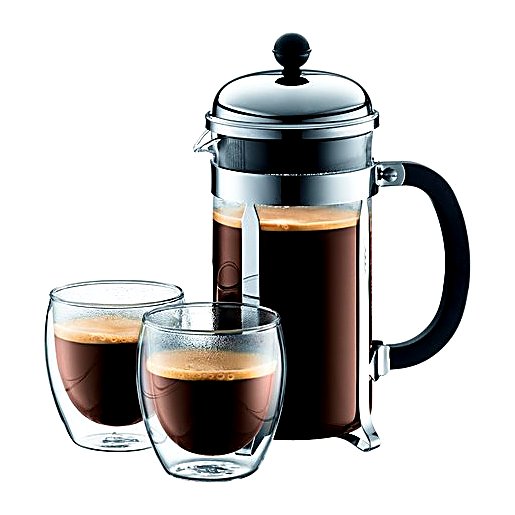
Bodum Chambord French Press Coffee Maker, 34 oz / 8 cup, borosilicate glass and chrome plated stainless steel
The classic French press: a borosilicate glass carafe in a chrome plated steel frame with a stainless steel plunger and mesh filter. Every part that touches hot water is glass or steel, which is exactly what you want in a brewer, since hot water plus plastic is a known microplastic pathway.
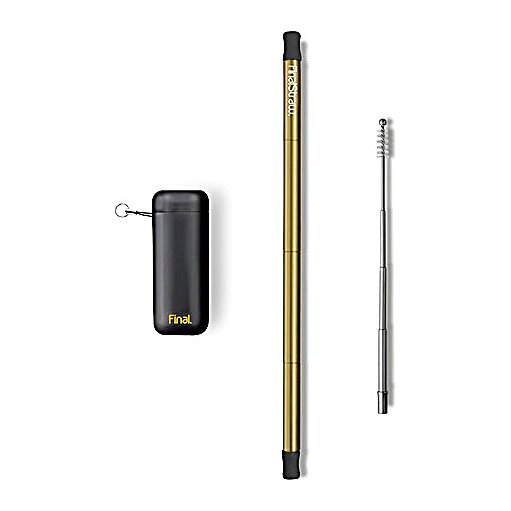
FinalStraw Reusable Folding Stainless Steel Straw
A 301 stainless steel straw with food-grade silicone tips that folds into a keychain case, so the reusable option is the one within reach. The case itself is stated to be recycled plastic, which is why this is low-plastic rather than plastic-free.
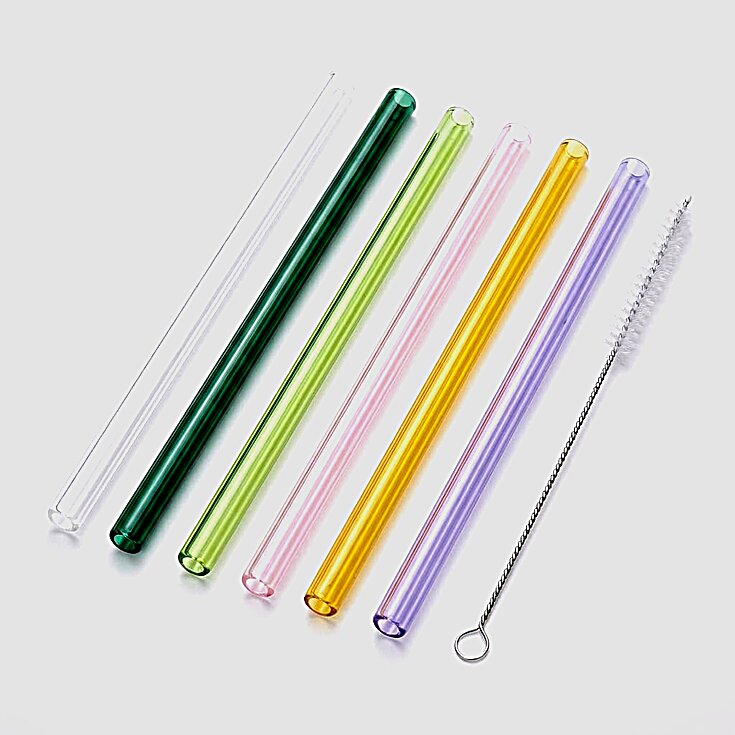
Simply Straws Classic Glass Straws
Borosilicate glass straws with a 2mm wall, drawn by hand in California, shipped in compostable FSC-certified recycled paper. Glass is inert, so nothing leaches and nothing sheds, and you can see whether the straw is actually clean. Certified B Corp, women-owned, lifetime replacement if it breaks.
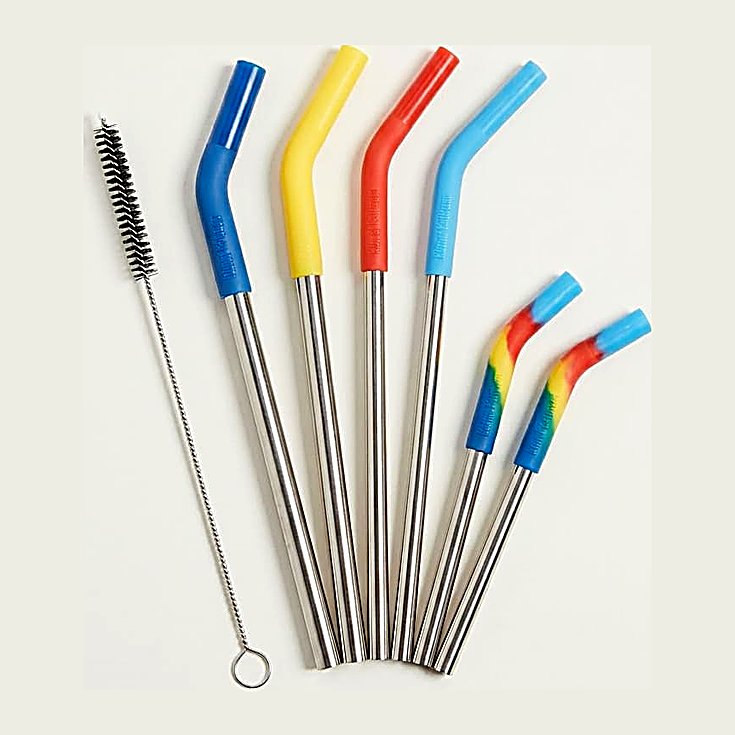
Klean Kanteen Recycled Stainless Steel Straws
Two-piece straws in certified 90% post-consumer recycled 18/8 stainless steel with a removable food-grade silicone flex tip, so the mouth end is soft enough for kids. Certified B Corp, Climate Label certified, 1% for the Planet, lifetime limited warranty.
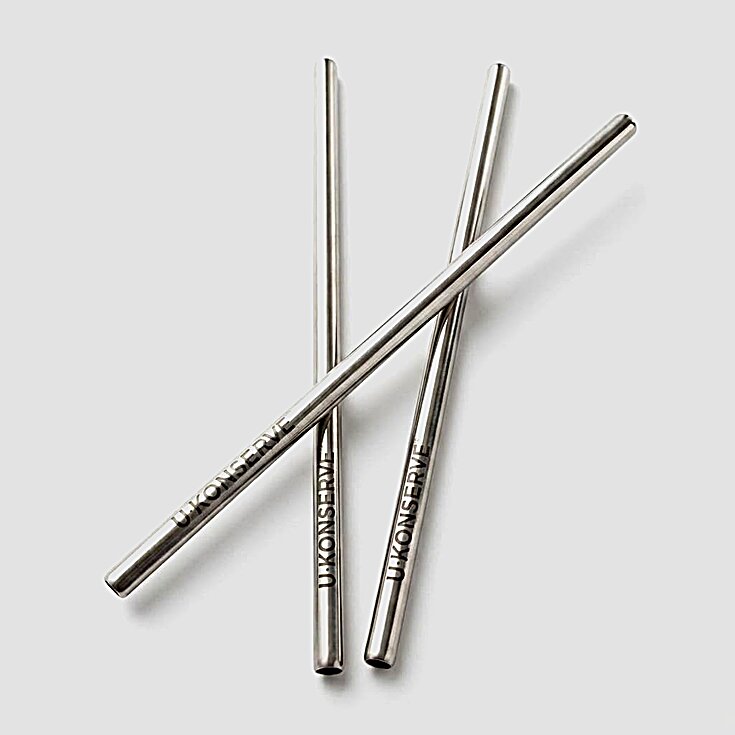
U-Konserve Stainless Steel Straws with Straw Brush
Thicker-walled 304 (18/8) stainless steel straws, independently lab tested free of BPA, BPS, phthalates and lead, with a cotton travel pouch. Solid steel means nothing leaches and nothing sheds; the cleaning brush has nylon bristles, which is the only plastic in the set.
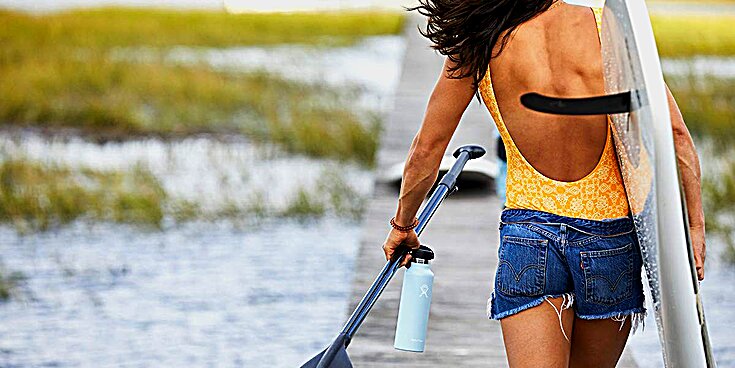
Hydro Flask 21 oz Standard Mouth Insulated Bottle with Flex Cap
A double-wall vacuum insulated stainless steel bottle you drink from steel, not plastic. The Flex Cap is the one plastic part; Hydro Flask publishes a materials disclosure and runs a trade-in program.

Klean Kanteen Classic Insulated Stainless Steel Bottle
Pioneer of the reusable bottle category. Climate Neutral certified, 1% for the Planet member, and a founding B Corp. Food-grade 18/8 stainless steel with no plastic in the bottle body.
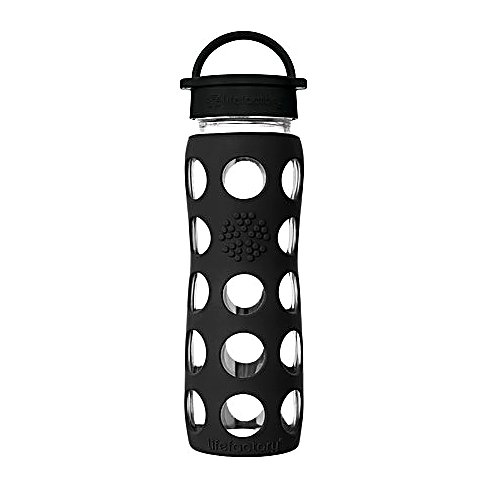
Lifefactory 22 oz Glass Water Bottle with Classic Cap and Silicone Sleeve
A borosilicate glass bottle you drink from directly, wrapped in a protective silicone sleeve. Lifefactory states no leaching from plastics or metals; the screw cap is the plastic part.
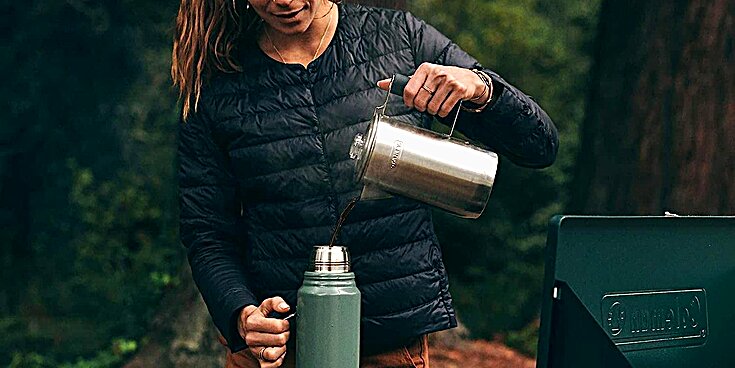
Stanley Classic Legendary Vacuum Bottle with Handle, 1.1 qt
The hundred-year-old steel thermos design: double-wall vacuum insulated 18/8 stainless body with an insulated lid that doubles as a cup. The twist-and-pour stopper and cup liner are plastic, which is what keeps this off a 1.
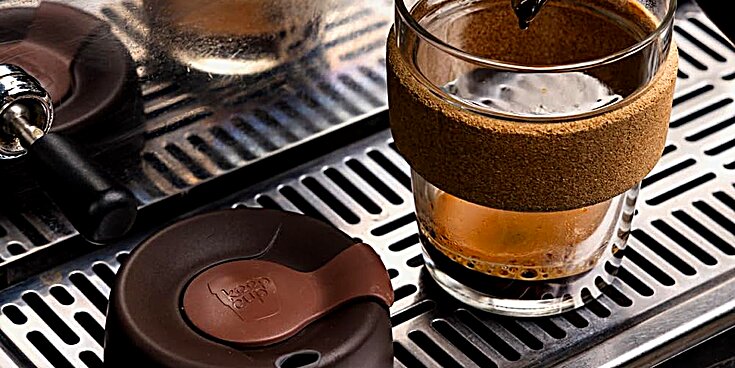
KeepCup Brew Cork Edition, Toughened Glass Cup with Natural Cork Band, 16 oz
A toughened glass cup with a natural cork band that replaces disposable coffee cups, which are plastic-lined and shed microplastics into hot drinks. The press-fit lid and plug are the plastic parts.
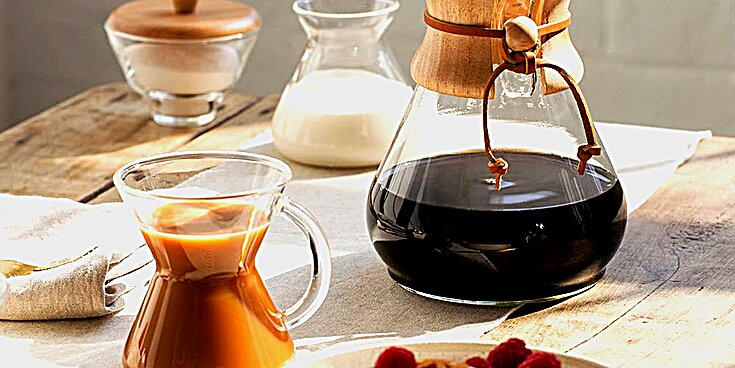
Chemex Classic Series 6-Cup Pour-Over Glass Coffeemaker
A one-piece borosilicate glass brewer with a wood collar and leather tie. Hot water and coffee touch only glass and a paper filter; there is no plastic in the brew path at all.
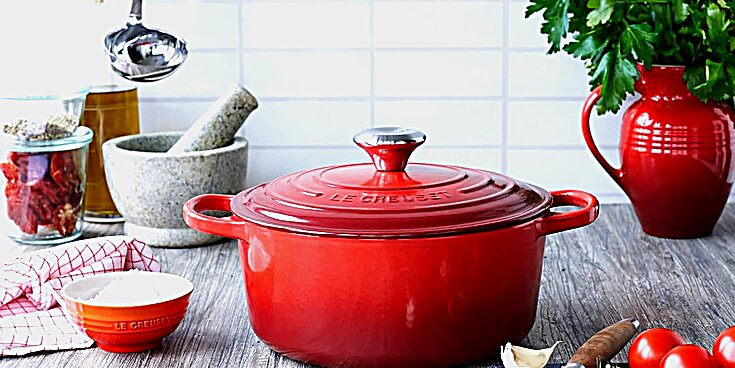
Le Creuset Signature Enameled Cast Iron Round Dutch Oven, 5.5 qt
Enameled cast iron with a porcelain enamel cooking surface and a stainless steel knob. No nonstick coating, no seasoning needed, and a lifetime warranty on a pot designed to outlive its owner.
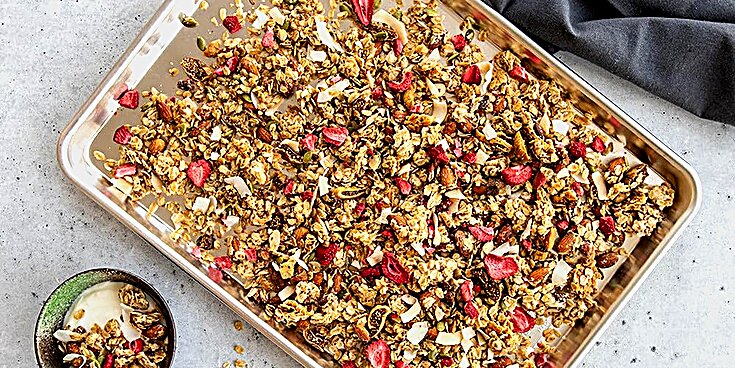
Nordic Ware Natural Aluminum Commercial Baker's Half Sheet Pan
A bare, uncoated aluminum sheet pan with an encapsulated steel rim, made in the USA. No nonstick coating means no polymer layer to flake into food, ever.
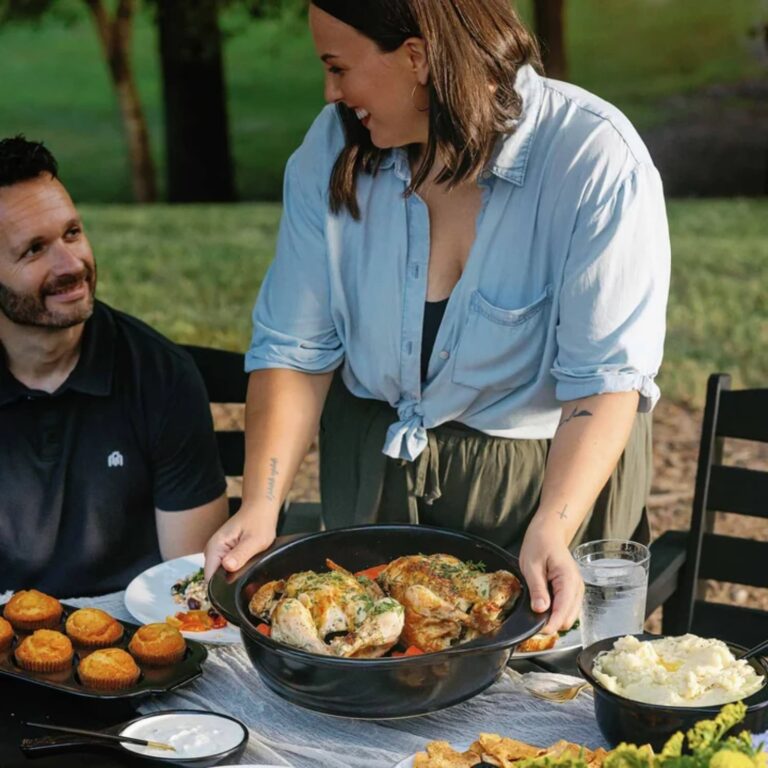
Xtrema Pure Ceramic Skillet (Versa Pan)
One piece of fired ceramic with no coating and no metal core, so nothing to scratch off and nothing to leach. Passes SGS lead and cadmium leaching tests every year. Heats slowly and wants lower settings, the price of the most inert pan we score.
Use code THRIVINGSUSTAIN for 15% off
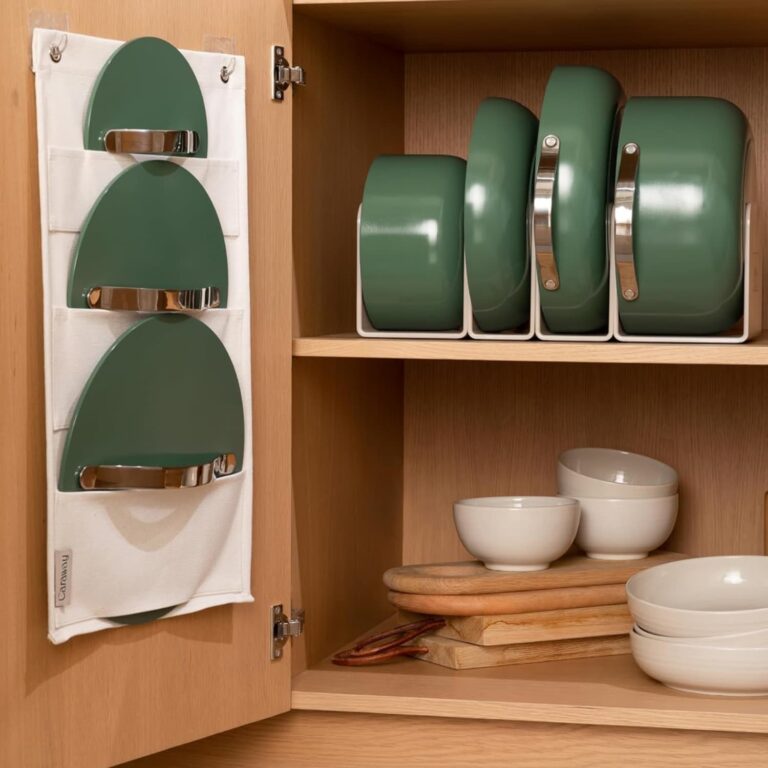
Caraway Ceramic-Coated Cookware Set, 12-Piece
A four-pan set, fry pan and sauce pan and saute pan and Dutch oven, each a PFAS-free mineral ceramic coating over aluminum with stainless steel handles and no plastic in the pans. Third-party tested for 600 plus forever chemicals (brand-stated). Scores a 2 because a coating wears and eventually needs replacing.
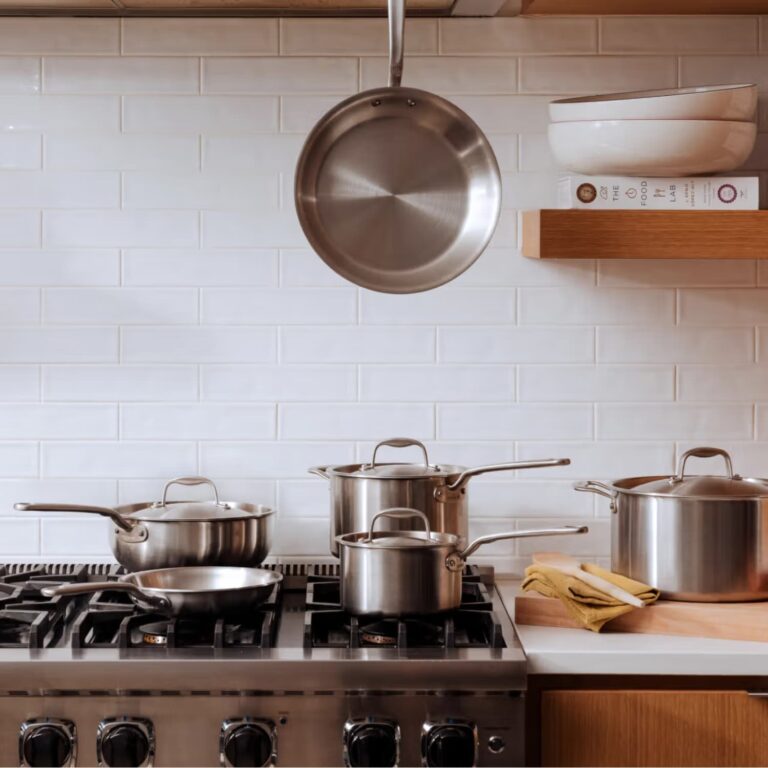
Made In Stainless Clad Frying Pan, 10 in
Five bonded layers of metal with a 304-grade 18/10 stainless cooking surface, no coating anywhere, and a stainless handle. Food only touches inert steel. Needs heat control rather than a nonstick layer.
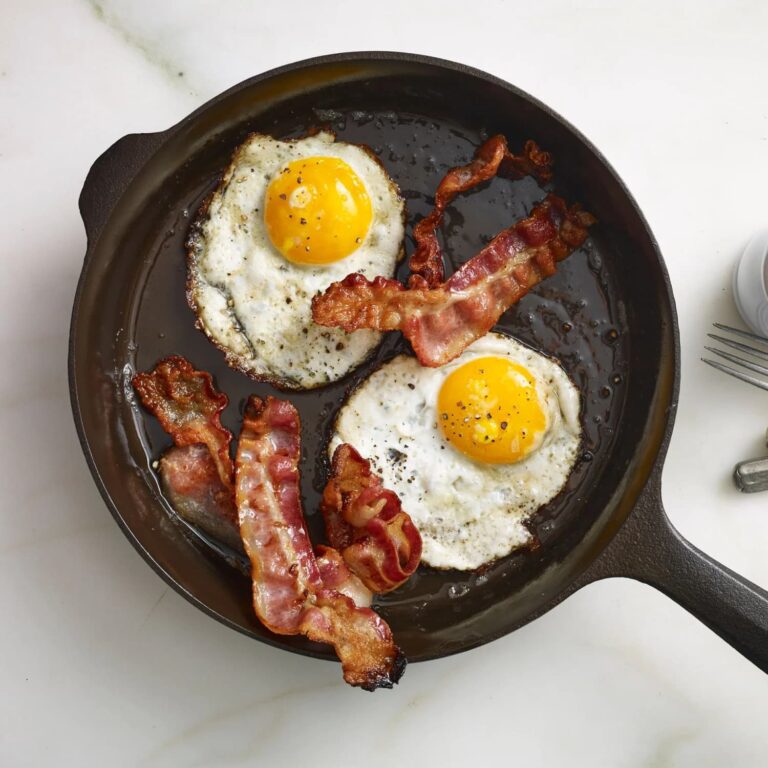
Field Company No.8 Cast Iron Skillet
Bare cast iron machined smooth, seasoned with organic grapeseed oil, and cast in the USA from recycled iron. Just iron and oil, with no synthetic coating. Lighter than standard cast iron and guaranteed for life.
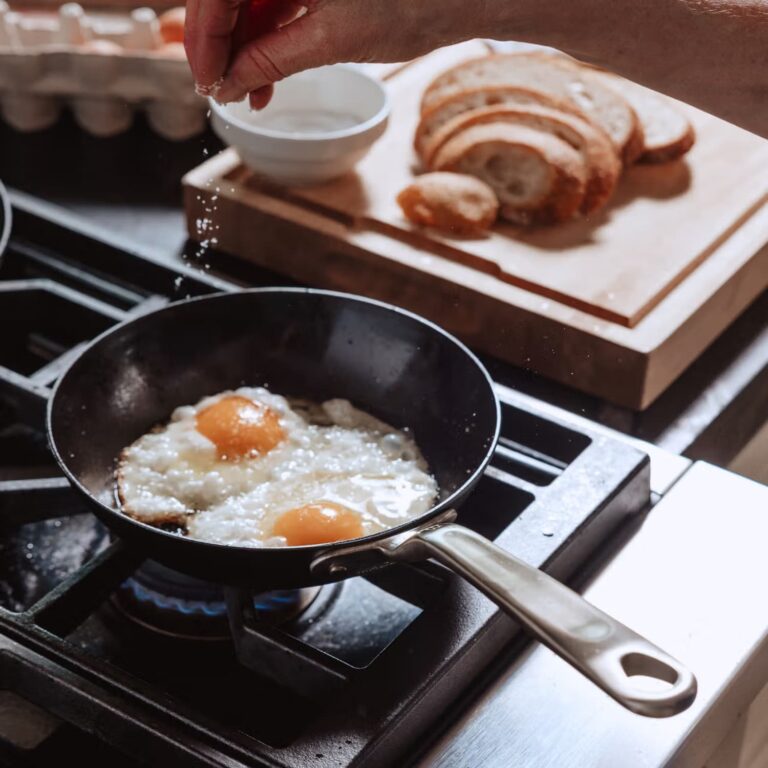
Made In Carbon Steel Frying Pan
Bare carbon steel pre-seasoned with shea nut and coconut oil, made in Sweden and rated to 1200F. Made without PFAS, PTFE, lead, cadmium, aluminum, and BPA. Cast iron safety in a lighter, faster pan that needs a seasoning routine.
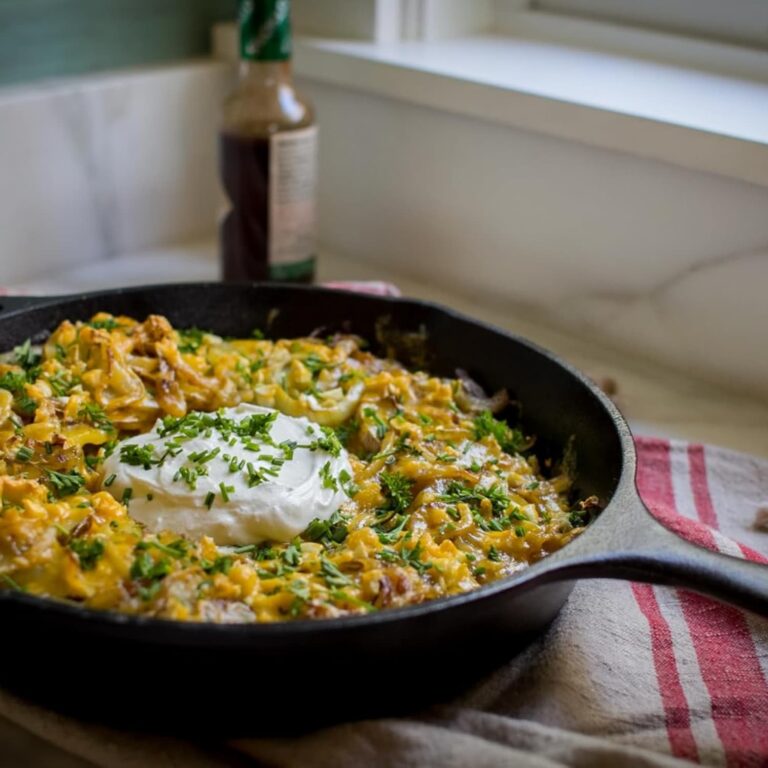
Lodge Seasoned Cast Iron Skillet, 10.25 in
Bare cast iron seasoned with 100% natural vegetable oil, made without PFAS since 1896 at Lodge's Tennessee foundries. Rougher and heavier than premium cast iron, and the cheapest way into an inert pan that lasts generations.
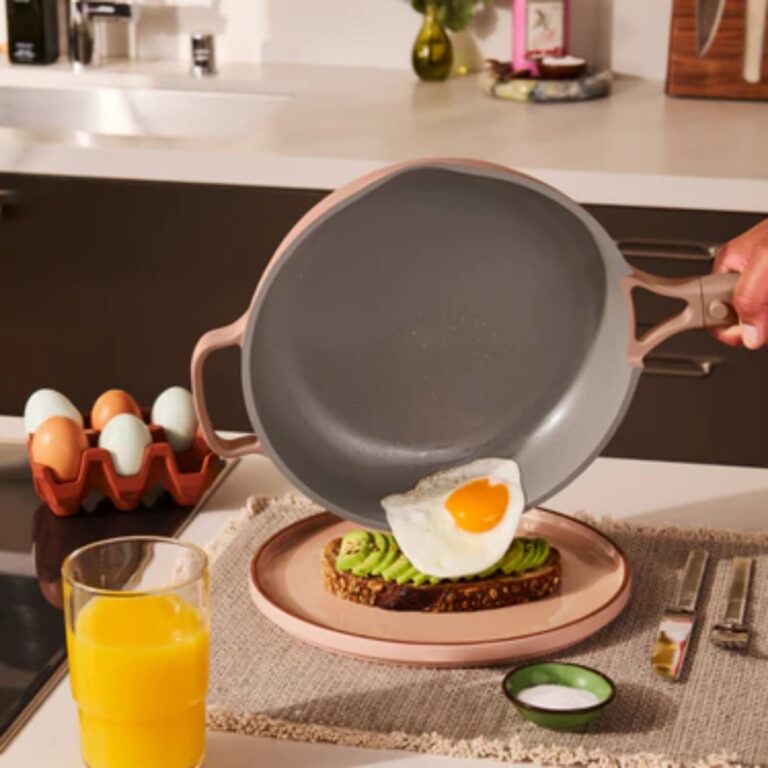
Our Place Always Pan, 10.5 in
Cast recycled aluminum with a Thermakind ceramic nonstick coating that Our Place states is made without PFAS, PTFE, or PFOA, plus an aluminum lid and beechwood spatula. Scores a 2 because a coating wears and the brand publishes no independent test results.
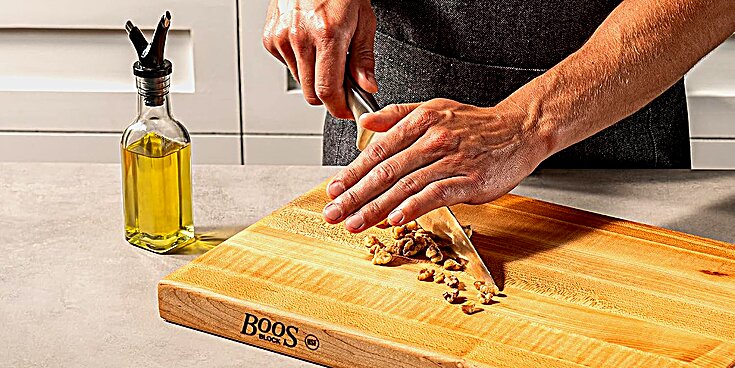
John Boos R-Board Series Reversible Maple Cutting Board, 18 x 12 x 1.5 in (Model R01)
A solid maple cutting board from a company that has been making butcher blocks in Illinois since 1887. Edge grain construction, one and a half inches thick, reversible, with finger grips cut straight into the wood. The cutting surface a plastic board sheds microplastics into food from is replaced here by wood.
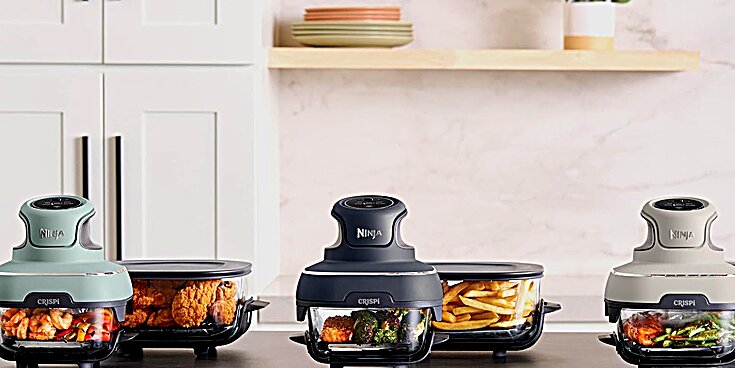
Ninja Crispi 4-in-1 Glass Air Fryer
A pod-style air fryer that cooks directly in borosilicate glass containers, so the food-contact surface is glass rather than a coating. SharkNinja states the glass is free of PFAS, PTFE, and nonstick coatings.

Bite Toothpaste bits
Toothpaste tablets in a refillable glass jar, refilled from compostable pouches.
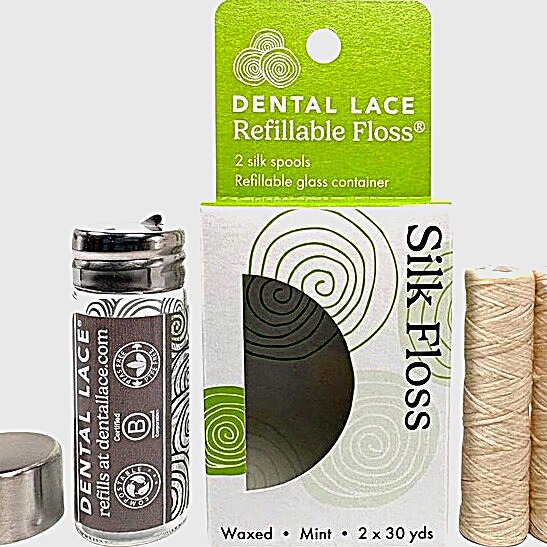
Dental Lace Refillable Silk Floss
Biodegradable silk floss in a refillable glass dispenser, so you buy refills, not new packaging. PFAS-free. (Silk is not vegan; Dental Lace also sells a plant-based PLA version, which is a bioplastic.)
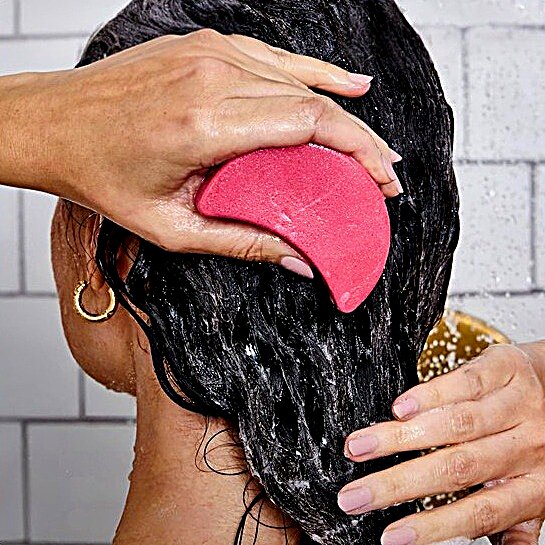
Ethique Shampoo bar
A concentrated, plastic-free shampoo bar in home-compostable paperboard. No bottle and no added water, so one bar replaces several liquid bottles.
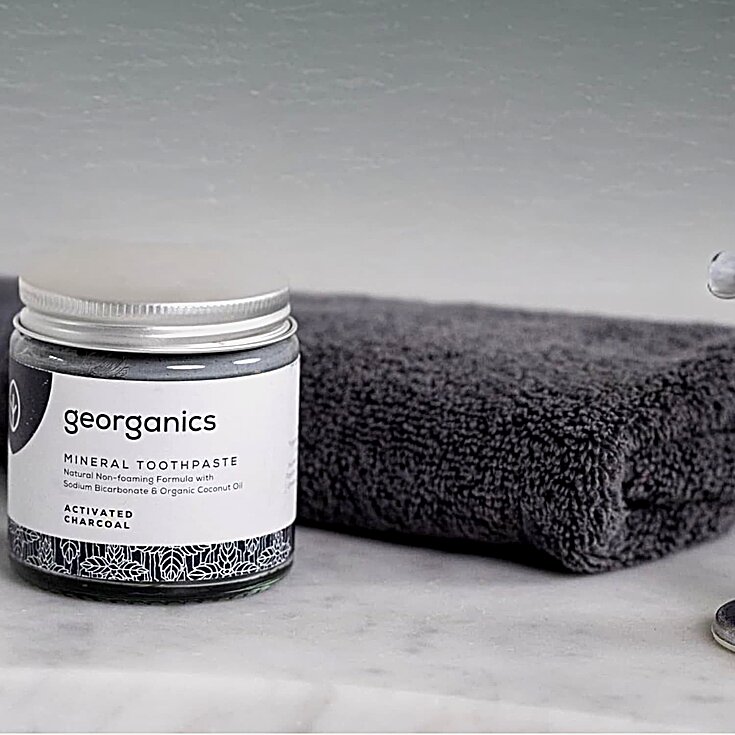
Georganics Mineral toothpaste
A mineral toothpaste in a recyclable glass jar with a compostable kraft box. Vegan and fully disclosed.
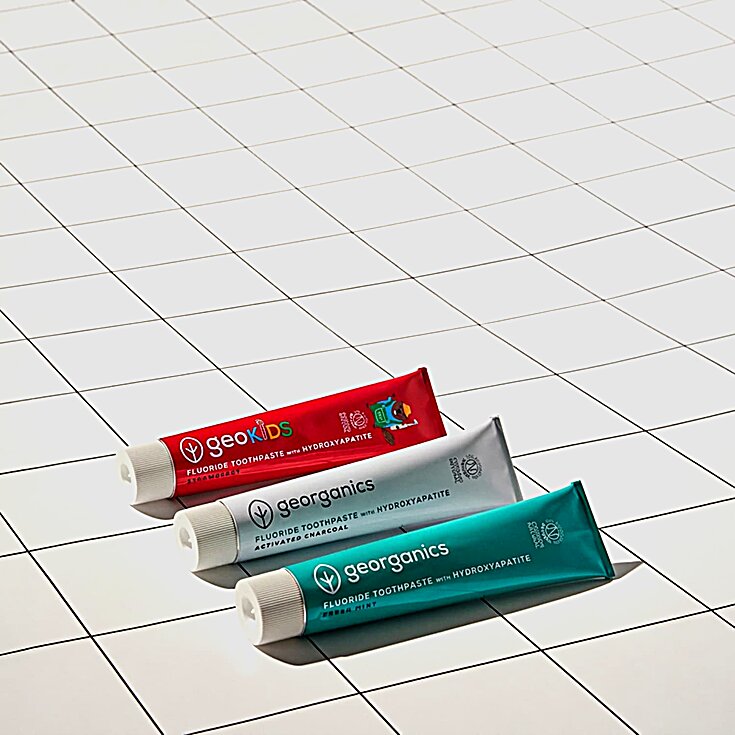
Georganics Hydroxyapatite Toothpaste
Remineralising hydroxyapatite paste in a recyclable aluminium tube with a compostable box; the only plastic is the HDPE cap. Sold in fluoride and fluoride-free versions.
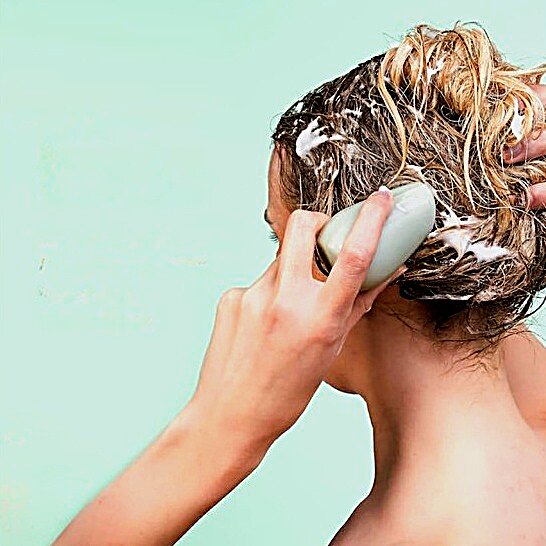
HiBAR Shampoo bar
A solid shampoo bar in recyclable paper, no plastic bottle. Free of sulfates, silicones, and parabens.
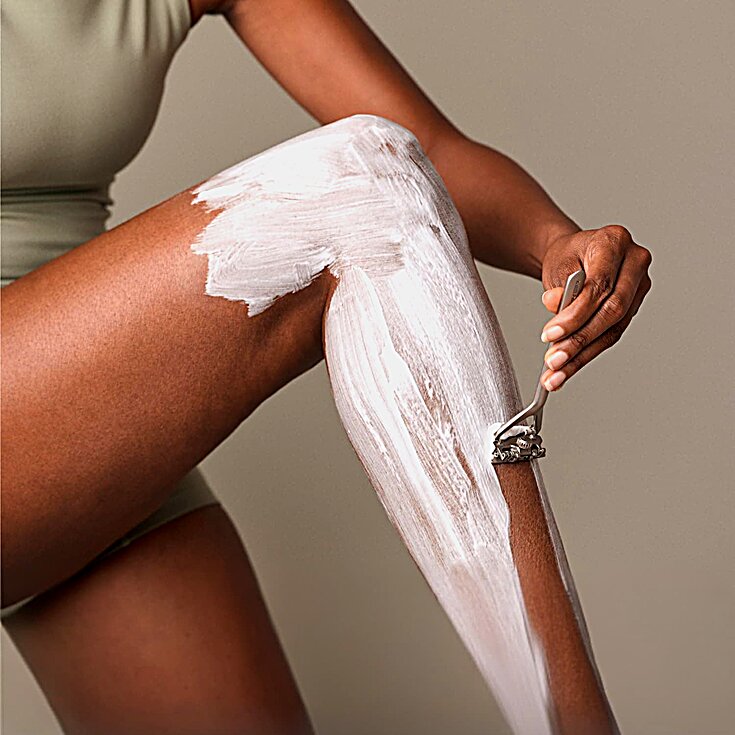
Leaf Shave Pivot-Head Safety Razor
The first pivoting-head safety razor, giving the familiar feel of a cartridge razor with recyclable steel blades. Made in the USA with a lifetime guarantee.
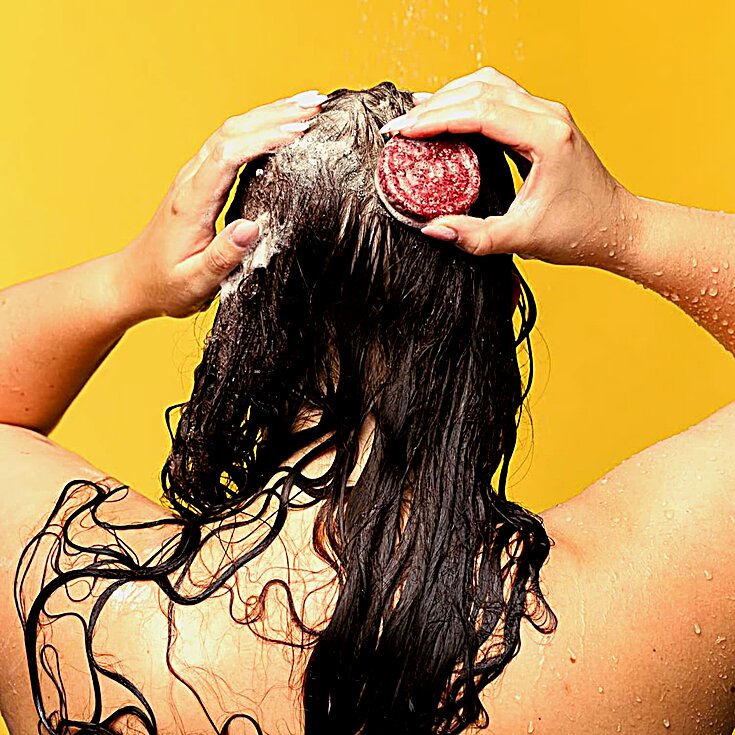
Lush Naked shampoo bar
A solid shampoo bar sold naked with no packaging at all. Handmade, with a vegetarian range and many vegan options.
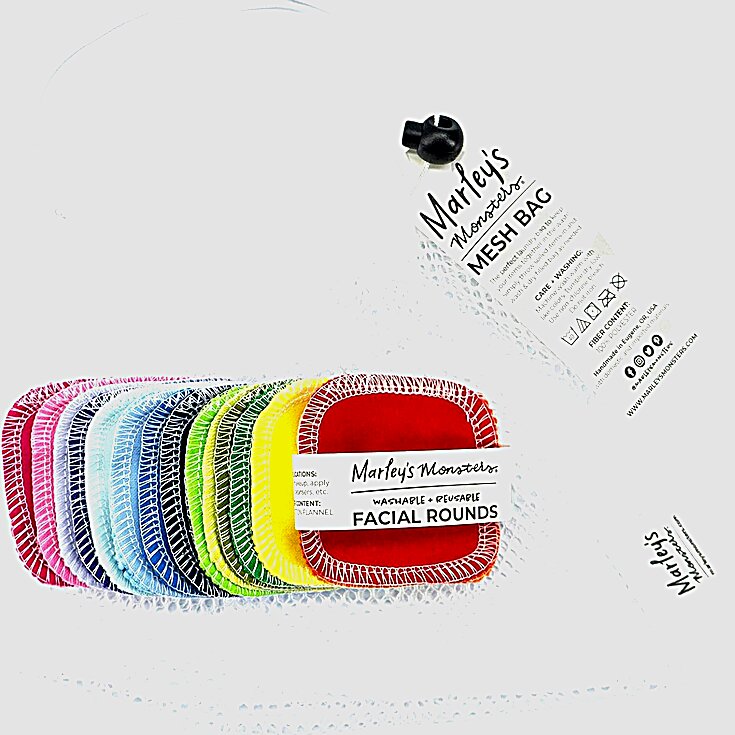
Marley's Monsters Reusable Cotton Facial Rounds
Soft cotton flannel rounds with a mesh wash bag, good for hundreds of uses each. B Corp certified, handmade in Oregon by a small woman-owned business.
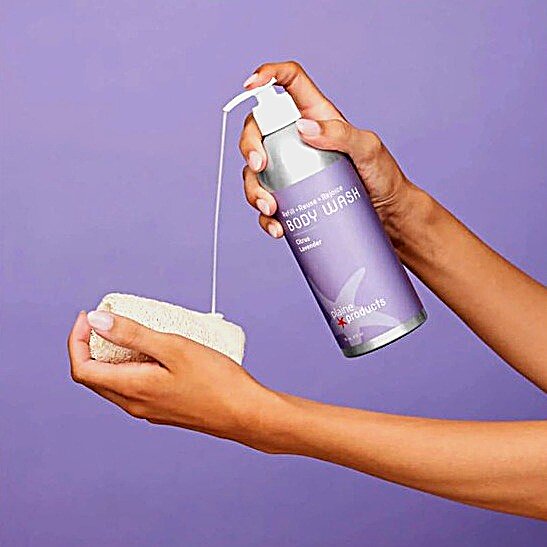
Plaine Products Refillable Body Wash
Subscribe and a refill aluminum bottle arrives when you are running low, and you ship your empty back free. A certified B Corp, made in the USA, and rated low-hazard on EWG Skin Deep.
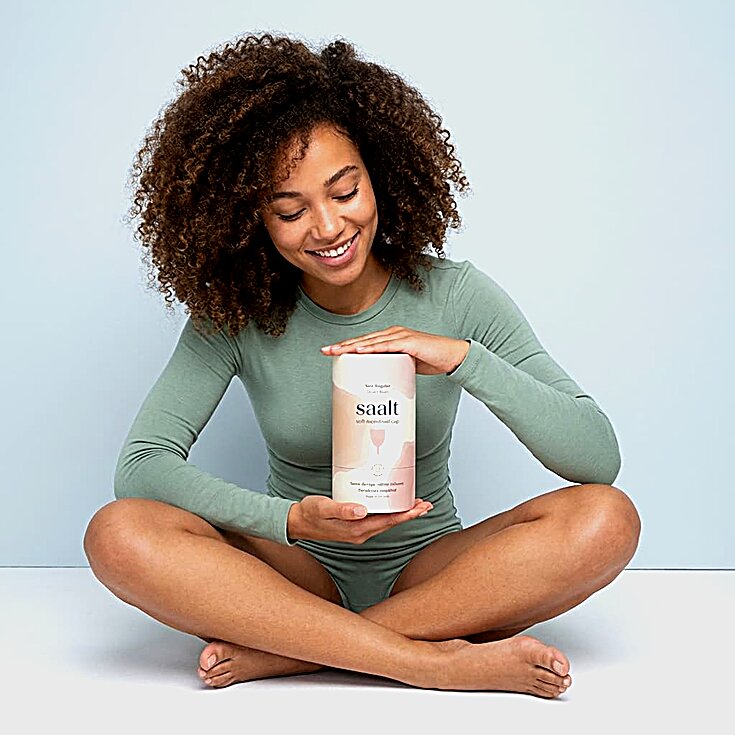
Saalt Menstrual Cup
Medical-grade silicone cup that lasts up to ten years. B Corp certified and woman-owned, with 2% of profits going to global period-poverty work.
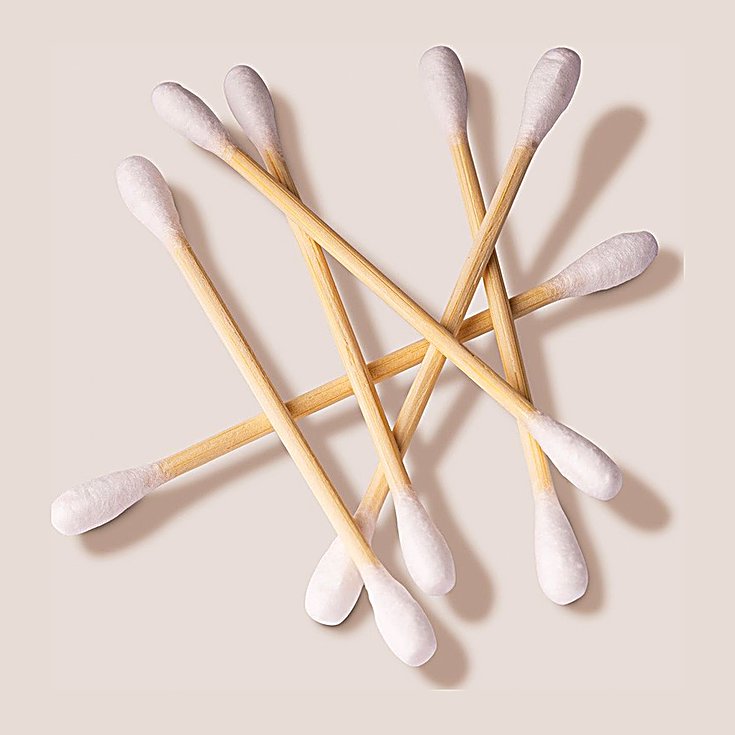
The Humble Co. Bamboo Cotton Swabs
FSC-certified bamboo sticks with organic cotton tips, in plastic-free packaging. Every purchase funds dental care for kids in need.
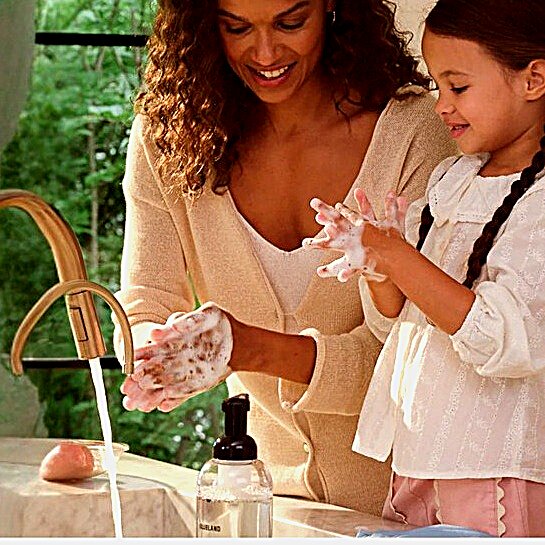
Blueland Hand soap (refill tablet)
A forever bottle you fill with water, plus plastic-free tablet refills. The hand soap carries EPA Safer Choice.

Wild Refillable deodorant
A natural deodorant in a refillable aluminium case, with refills made from compostable bamboo pulp. Single-use plastic free.
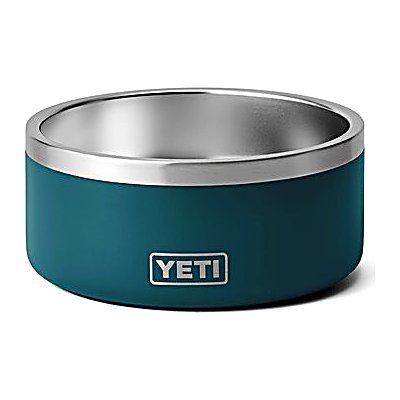
YETI Boomer 8 Stainless Steel Non-Slip Dog Bowl (64 oz)
A one-piece 18/8 stainless steel dog bowl that holds 8 cups (64 oz), with a non-slip ring on the base. Replaces plastic feeding bowls with a lifetime-grade metal one. Confirmed BPA-free and dishwasher safe by YETI.
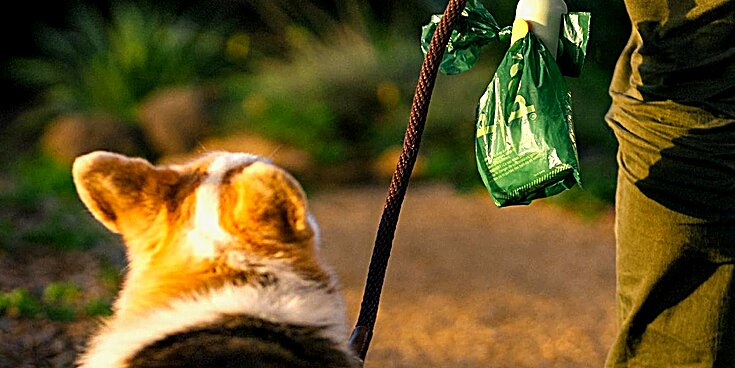
Earth Rated Compostable Plant-Based Poop Bags
Plant-based, TUV Austria OK Compost Home certified bags (note: Earth Rated also sells conventional polyethylene bags, so buy the compostable version). Strong and leak-proof.
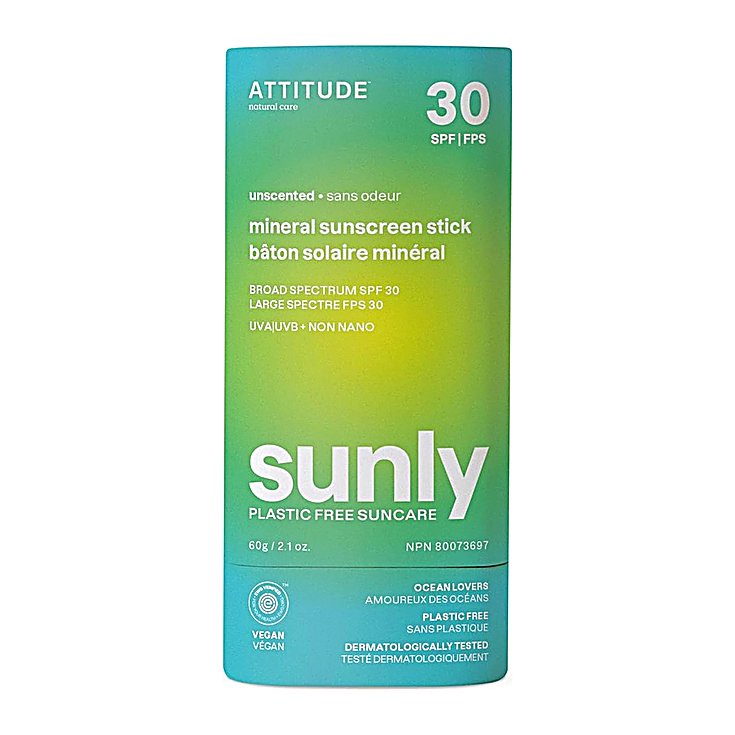
ATTITUDE Mineral Sunscreen Stick SPF 30 (Plastic-Free)
A non-nano zinc oxide sunscreen stick in a plastic-free FSC cardboard push-up tube. EWG Verified, vegan, and reef-friendly, with no plastic and no chemical UV filters.
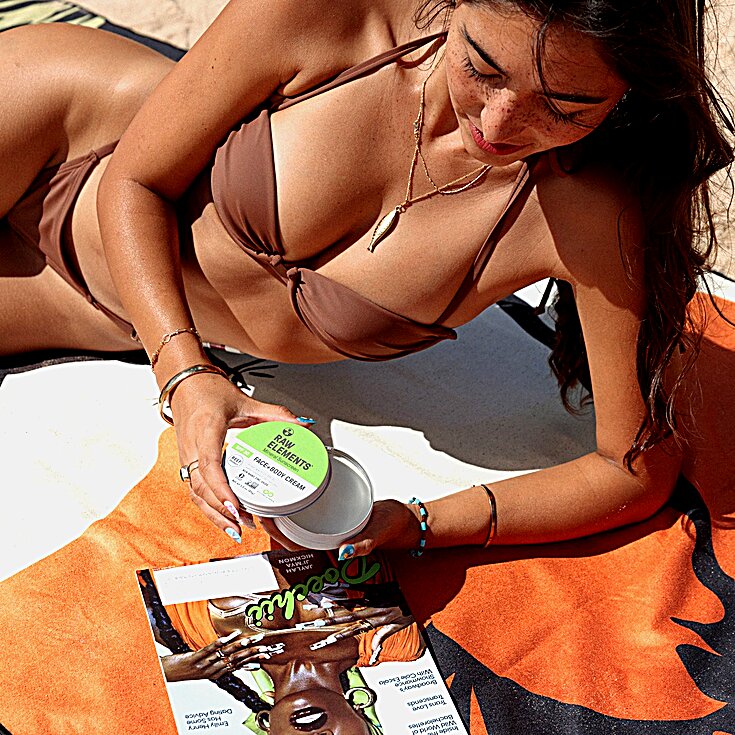
Raw Elements Face & Body Mineral Sunscreen SPF 30 (Tin)
Reef-safe mineral sunscreen (non-nano zinc oxide) in a fully recyclable aluminum tin. No plastic tube and no chemical UV filters, with a 95% organic, biodegradable formula that's water-resistant for 80 minutes.
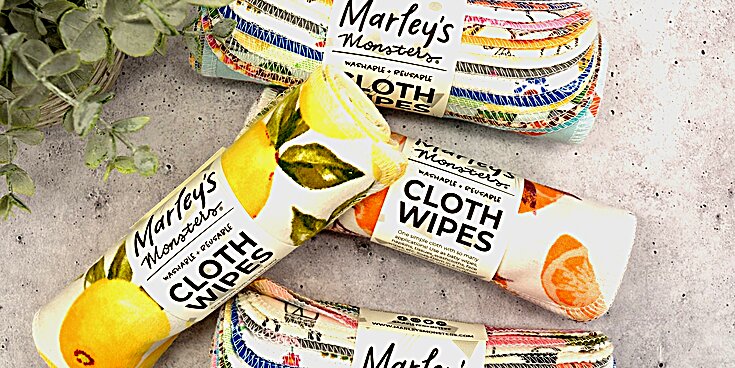
Marley's Monsters Reusable Cloth Wipes (24-Pack)
24 washable wipes cut and sewn in Eugene, Oregon from 100% cotton flannel. The fabric is plastic-free; the serged seams use polyester thread, which the brand discloses plainly in its FAQ. Ships plastic-free in recyclable cardstock.
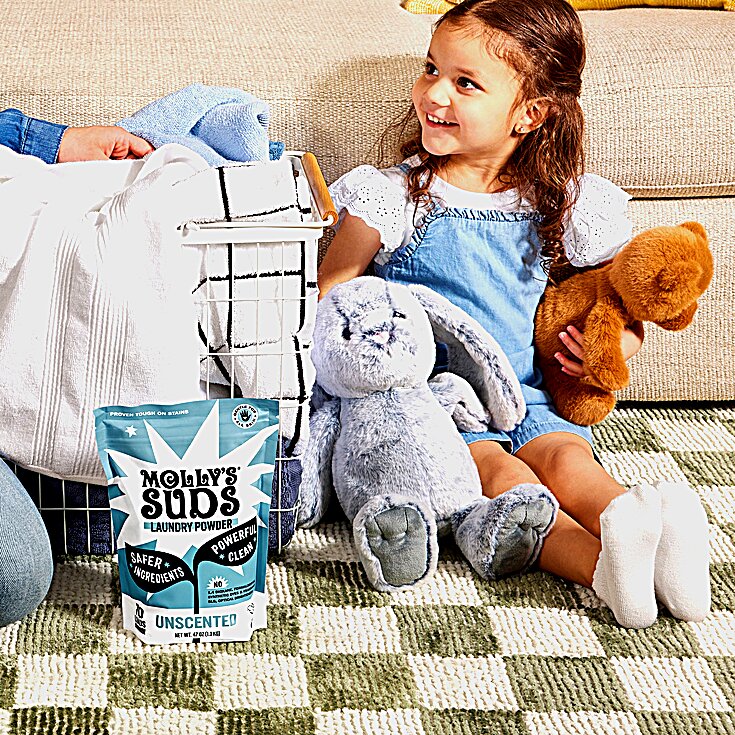
Molly's Suds Original Laundry Detergent Powder, Unscented
Four mineral ingredients with CAS numbers and a published SDS. No polymers, no fragrance, nothing to shed. The plastic lives in the stand-up pouch.
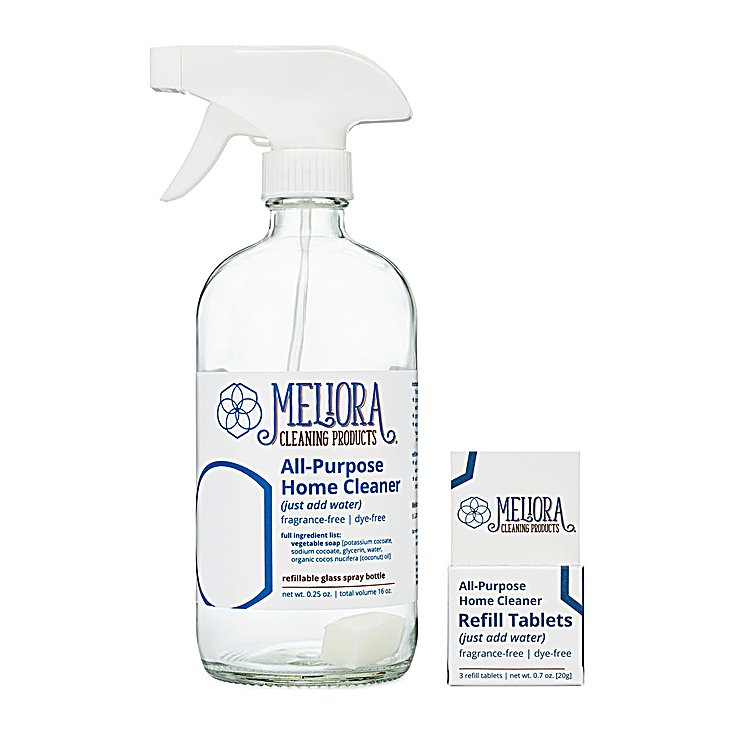
Meliora All-Purpose Home Cleaner, Glass Bottle Kit
A reusable glass spray bottle with soap refill tablets in paperboard. The plastic sprayer head is the one plastic part in the system.
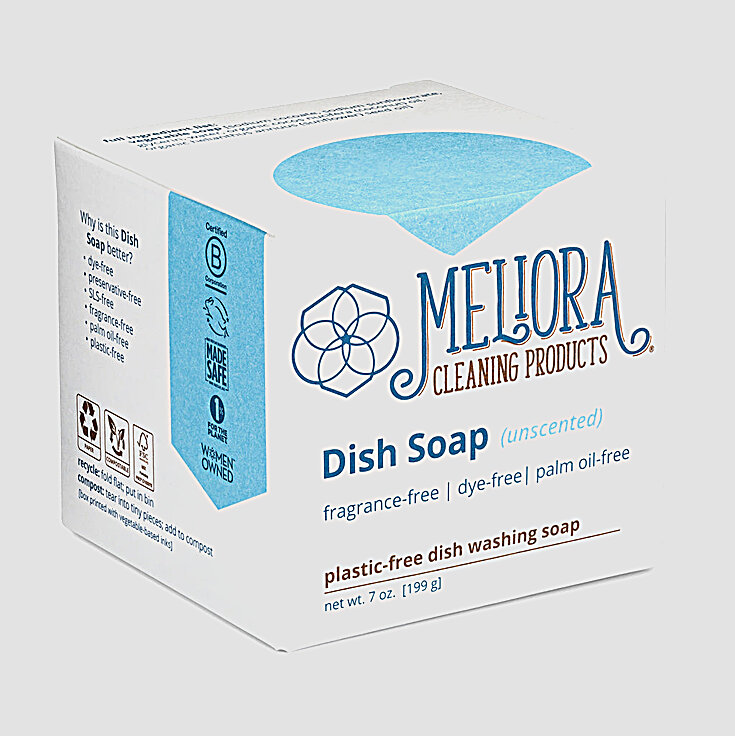
Meliora Dish Soap Bar, Unscented, Paperboard Box
A solid vegetable soap bar for dishes: organic coconut and sunflower oils in a recyclable paperboard box. No bottle, no preservatives, no plastic.
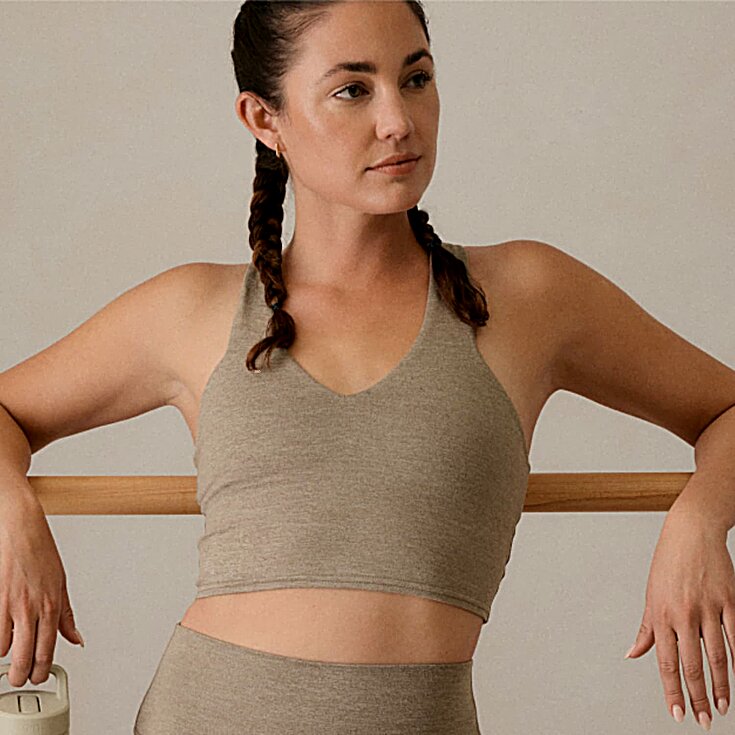
Quince (scored by material line)
We scored Quince's core material lines, which cover most of the catalog. Linen, organic cotton, mulberry silk, cashmere, and merino are plastic-free 1s. Stretch silk adds 10% spandex (2), the bamboo sheets are regenerated viscose (5), and the activewear is nylon or polyester with spandex (7 to 8). Check the label and buy Quince by the fiber.
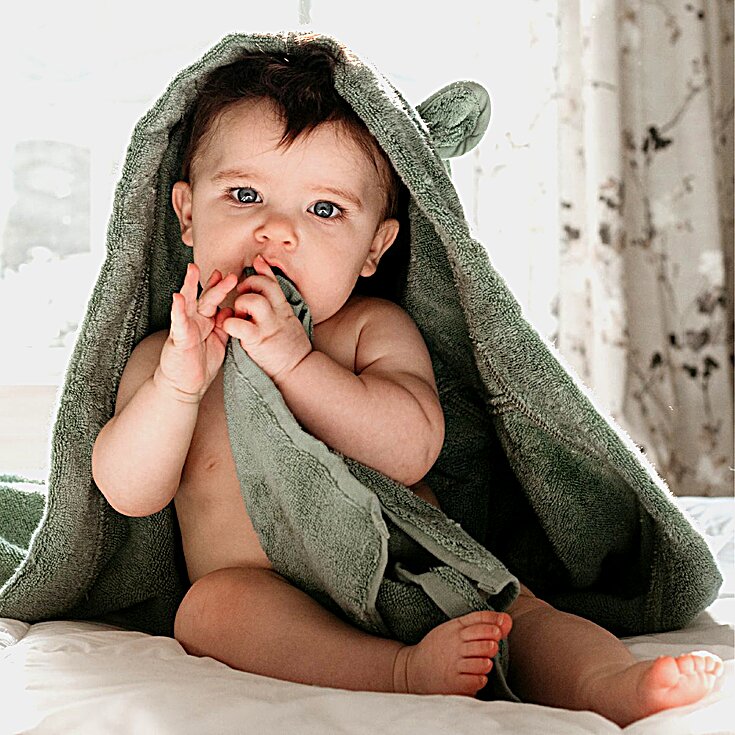
Natemia Organic Cotton Hooded Baby Towel
A 450 GSM zero-twist hooded towel in 100% GOTS-claimed organic cotton. Nothing synthetic is disclosed in the fabric. Thread and trim are undisclosed, so we hold confidence at partial.
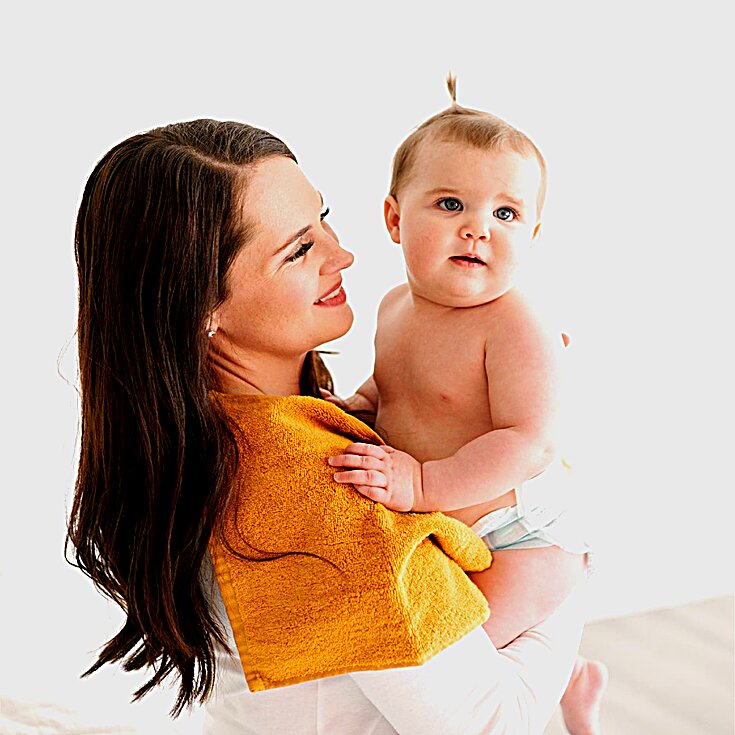
Natemia Organic Cotton Washcloths (5 Pack)
Five 12 by 12 inch washcloths in the same 100% GOTS-claimed zero-twist organic cotton as the hooded towel. Edging thread is undisclosed, the only gap in an otherwise clean textile.
ATTITUDE baby leaves 2-in-1 Shampoo and Body Soap Bar
Nine ingredients, unscented, and EWG Verified in EWG's own database. The bar replaces two plastic bottles at the tub and ships in a zero-plastic recyclable cardboard box.
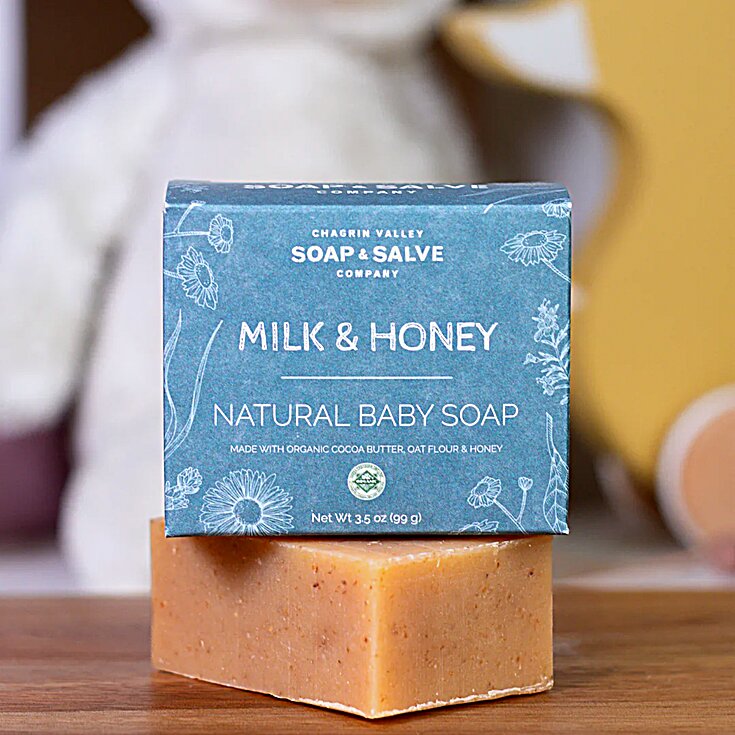
Chagrin Valley Milk and Honey Baby Soap
A cold-process bar from a small Ohio maker: organic oils, goat milk, honey, and oat flour with no added fragrance. Ships in recycled-paper boxes sealed with paper tape.
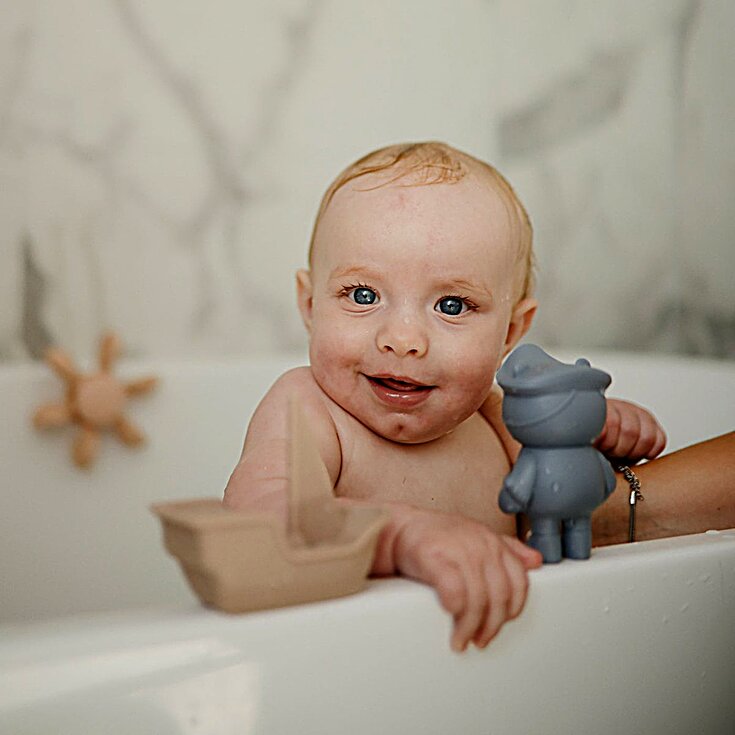
Mushie Silicone Bath Toys (Mold-Free Sets, Rinse Cup, Suction Builders)
The mold-free play sets, rinse cup, suction builders, and mix and match sets are 100% food-grade silicone, and every toy opens in two for full drying. Silicone is not a petroleum plastic, though it can release trace particles or siloxanes, more so with heat and age. Skip two lookalikes in the same range: the Water Wheel contains ABS plastic and the Foam Letters set is EVA foam.
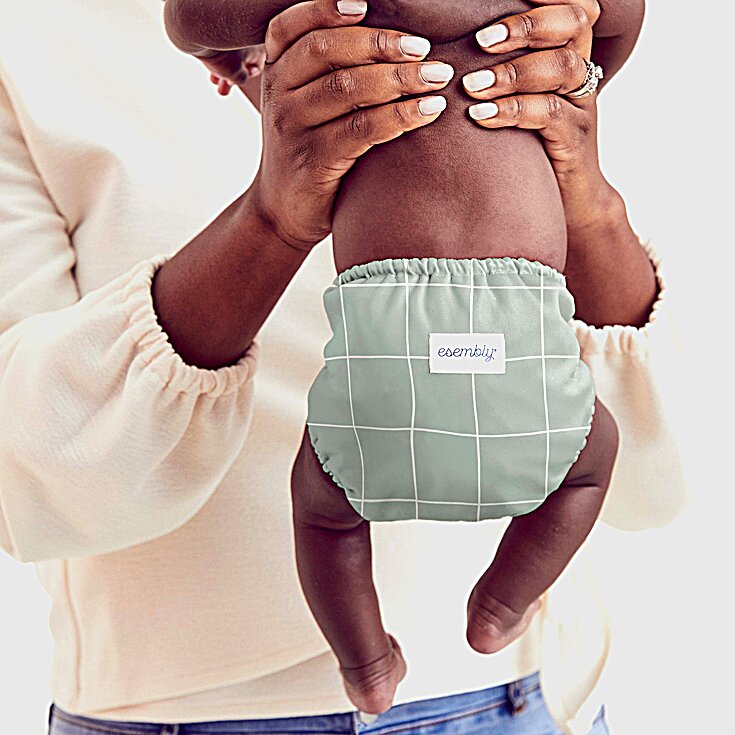
Esembly Baby Cloth Diaper System (Inner + Outer)
The Inner is 100% unbleached organic cotton. The Outer cover and wet bag are 100% upcycled polyester TPU from recycled bottles, a synthetic textile that sheds microfibers in the wash. One system replaces hundreds of disposables, so buy it knowing which half is which.
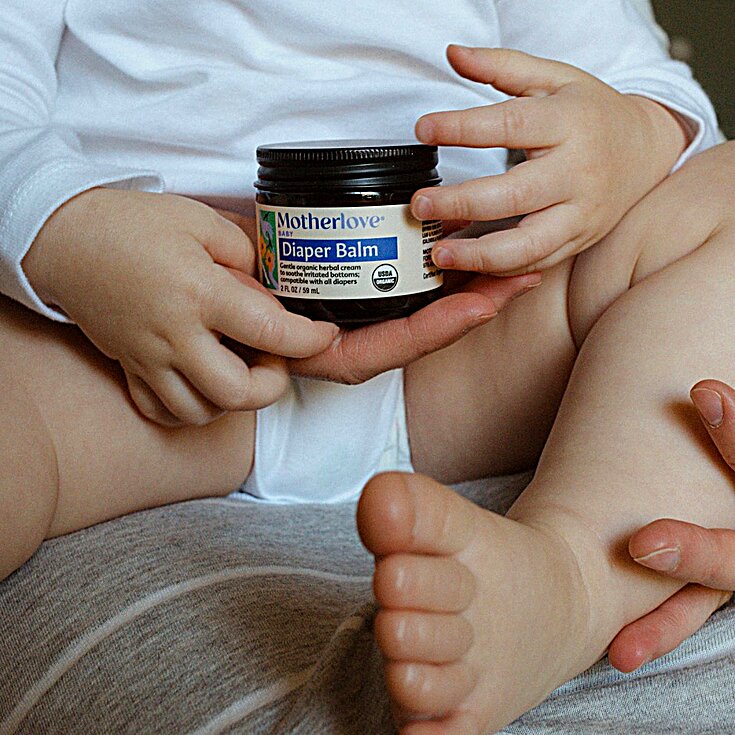
Motherlove Diaper Balm
Six organic ingredients: olive oil, beeswax, Oregon grape root, myrrh, yarrow, and calendula in a glass jar. No petroleum, no synthetics, per the brand's own exclusion list. Lid material is undisclosed.
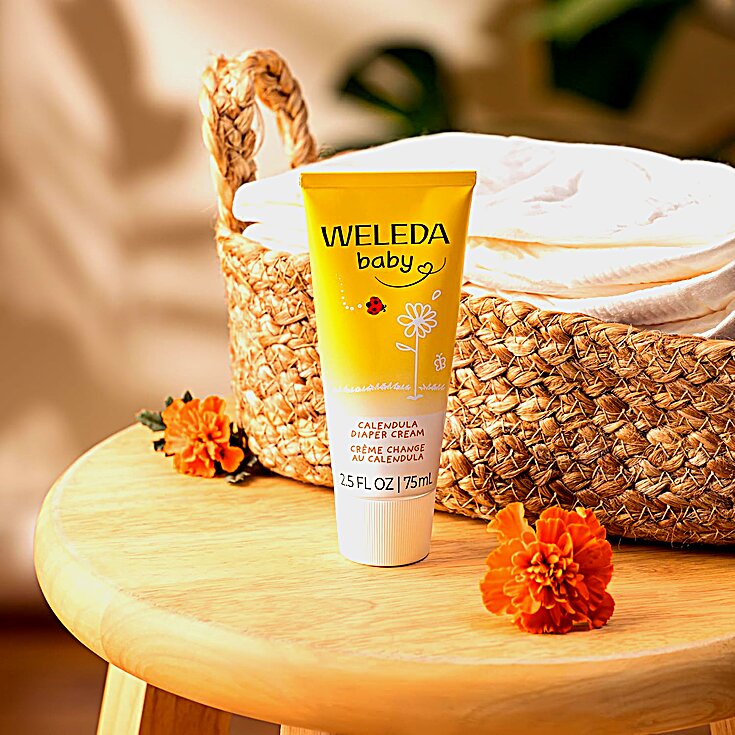
Weleda Calendula Diaper Cream
A 12% zinc oxide cream with a fully published ingredient list and no synthetic preservatives per Weleda. Contains lanolin and natural essential oil allergens. The tube material is not disclosed, which is what keeps it at 2.
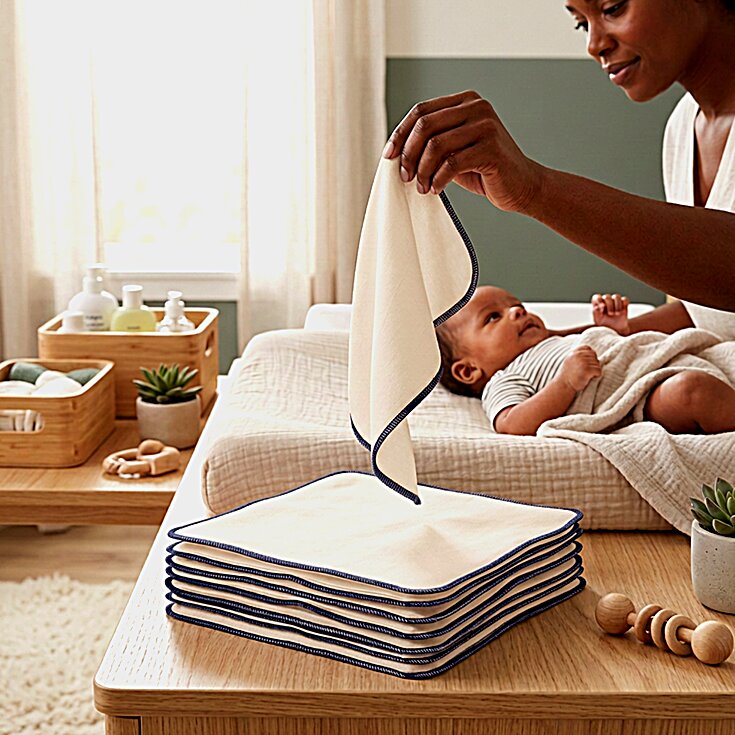
Esembly Wipe Ups Reusable Cloth Wipes (12 Pack)
Dual-textured reusable wipes in 100% unbleached organic cotton, a soft side and a scrubby side. Retires the single-use wipe stream entirely, which no disposable wipe can match.
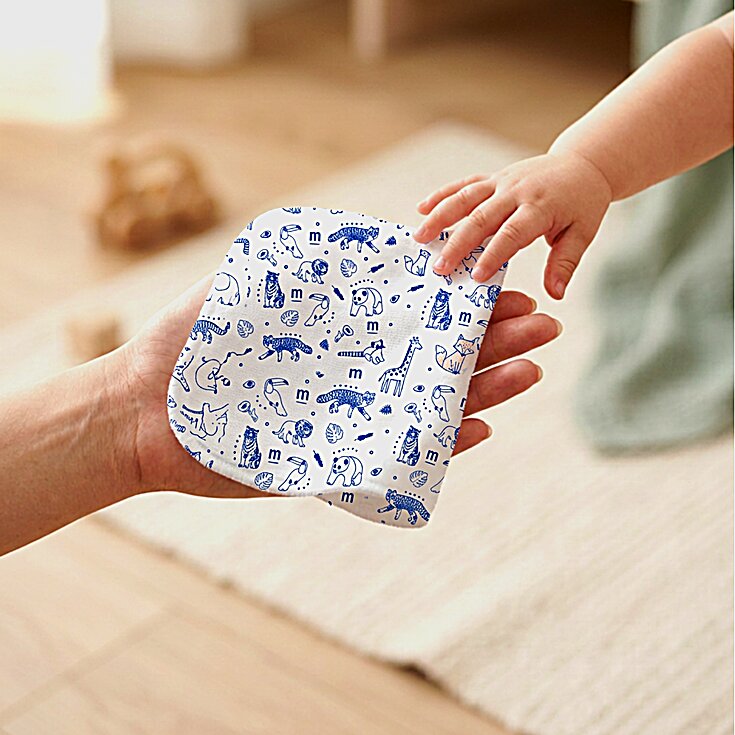
Mustela Reusable Eco-Wipes (6 Pack)
Double-sided reusable wipes in 100% GOTS-certified organic cotton, with a certificate number we verified in the GOTS registry, the strongest paper trail in this batch. Terry on one face for messes, smooth cotton on the other.
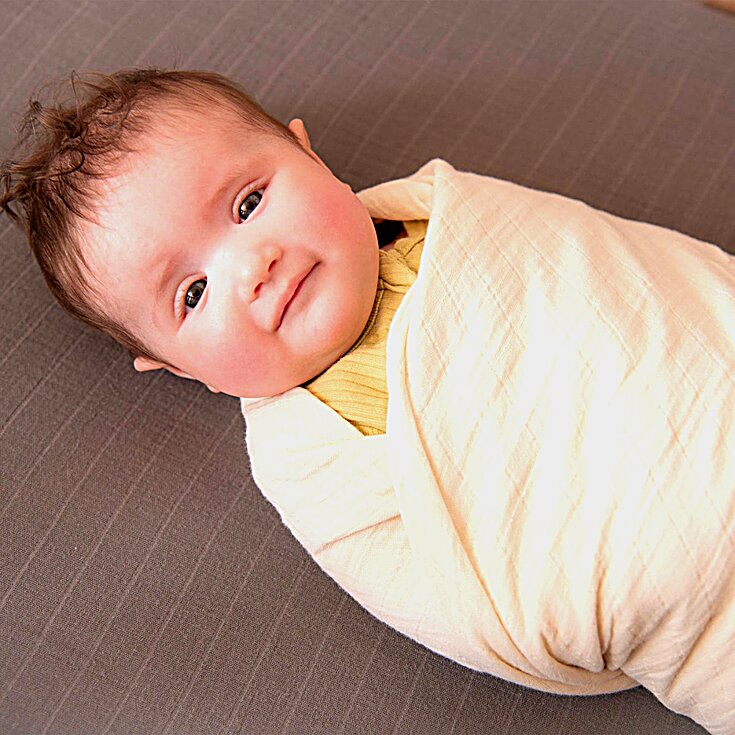
Naturepedic Organic Breathable Swaddle Blankets (4 Pack)
Four two-layer muslin swaddles in GOTS-certified organic cotton with no closures and no flame retardants. GOTS license numbers are on the page and check out in the registry.
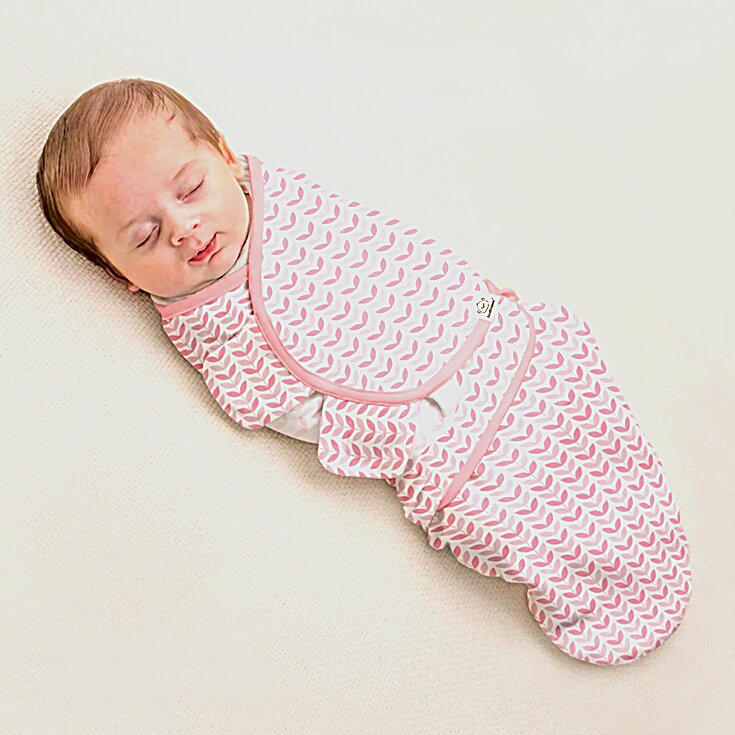
KeaBabies Soothe Swaddle Wraps (Set of 3)
Stretchy swaddle wraps in claimed 100% organic cotton jersey. The velcro wing tabs are synthetic and the certification claims carry no license numbers, which is what holds it at 2.
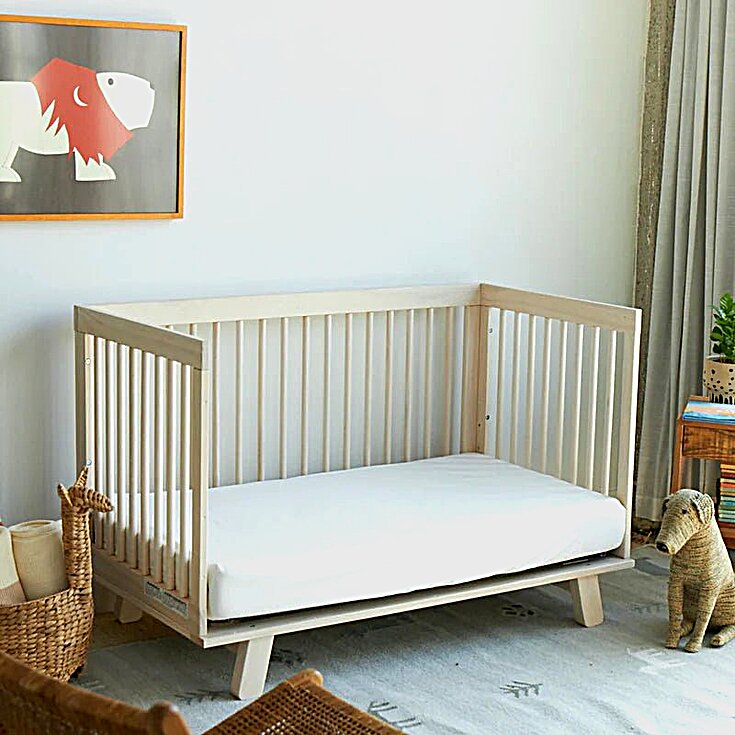
Avocado Organic Cotton Crib Sheet
A 400 TPI single-ply fitted crib sheet in GOTS-certified organic cotton, license printed on the page and registry-verified, plus a MADE SAFE product listing.

Avocado Organic Waterproof Crib Mattress Protector
95% GOTS organic cotton with a thin 5% polyurethane film sandwiched inside. No vinyl, no PVC, and PFAS none detected across 679 substances. The PU layer is still plastic, which is what waterproofing costs.
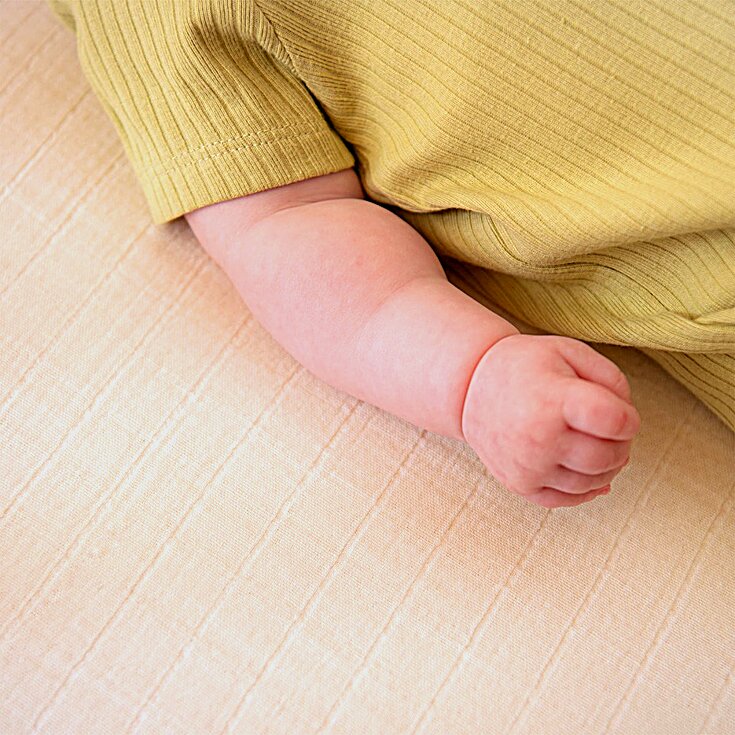
Naturepedic Organic Breathable Muslin Crib Sheets
Two-layer GOTS-certified organic cotton muslin fitted crib sheet with no flame retardants. Undisclosed fitted elastic is the only gap.
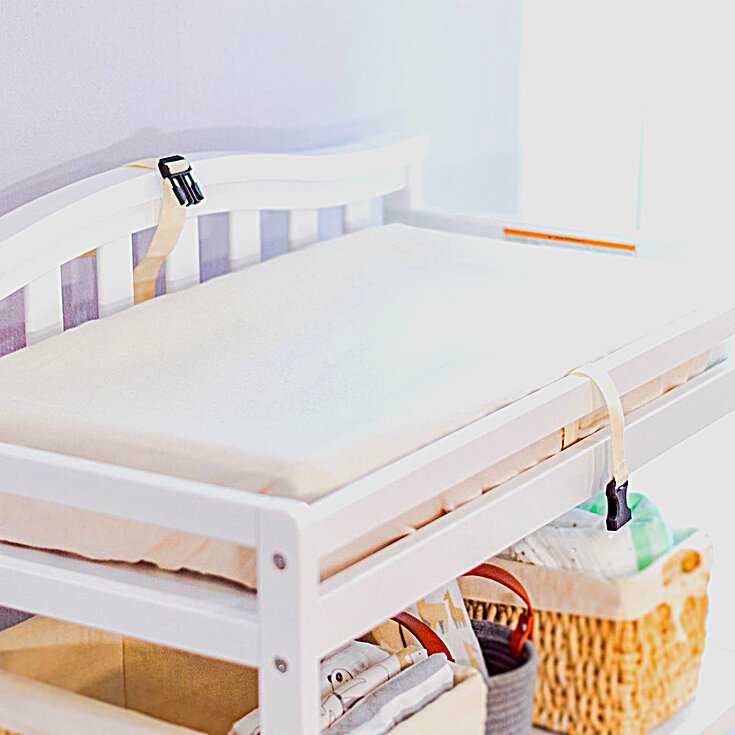
Naturepedic Organic Cotton Changing Pad
Organic cotton over a polyethylene foam core with a sugarcane-derived polyethylene waterproof surface and polypropylene straps. Bio-based PE is still plastic, and this is also the only EWG Verified changing pad on the market, fully disclosed component by component.
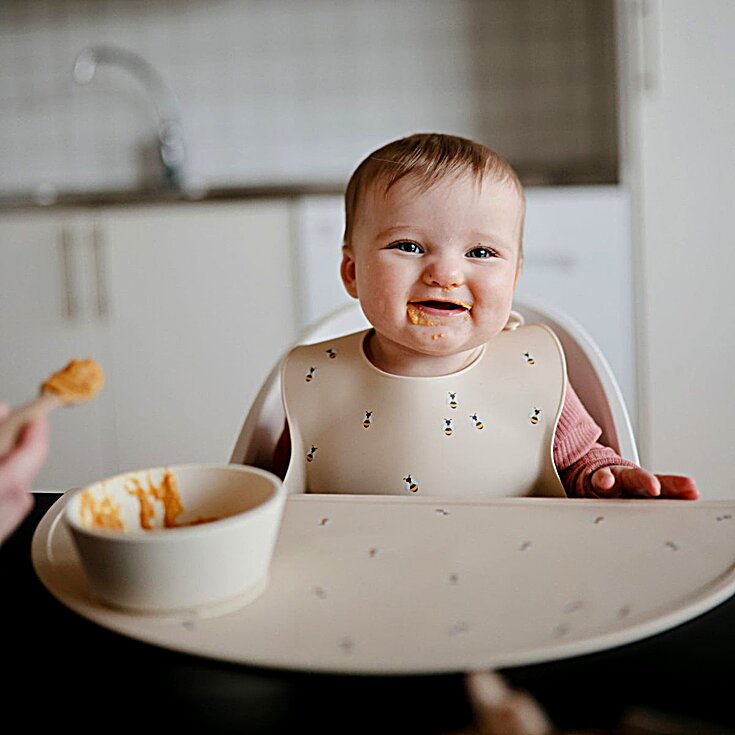
Mushie Silicone Baby Bib (Adjustable)
An adjustable food-grade silicone bib with a crumb pocket. Silicone can release trace particles or siloxanes, more so with heat and age. Cure system and button closure material undisclosed keep it at 2.
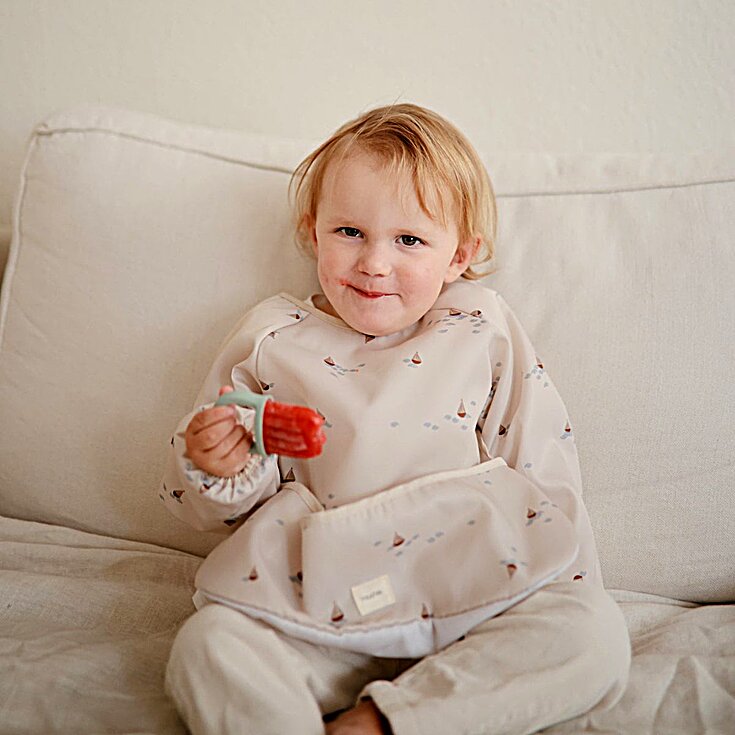
Mushie Toddler Ice Pop Tray
Four 1 oz pops in a silicone mold with silicone handles, both components identified. Frozen use is the gentlest duty cycle silicone gets.
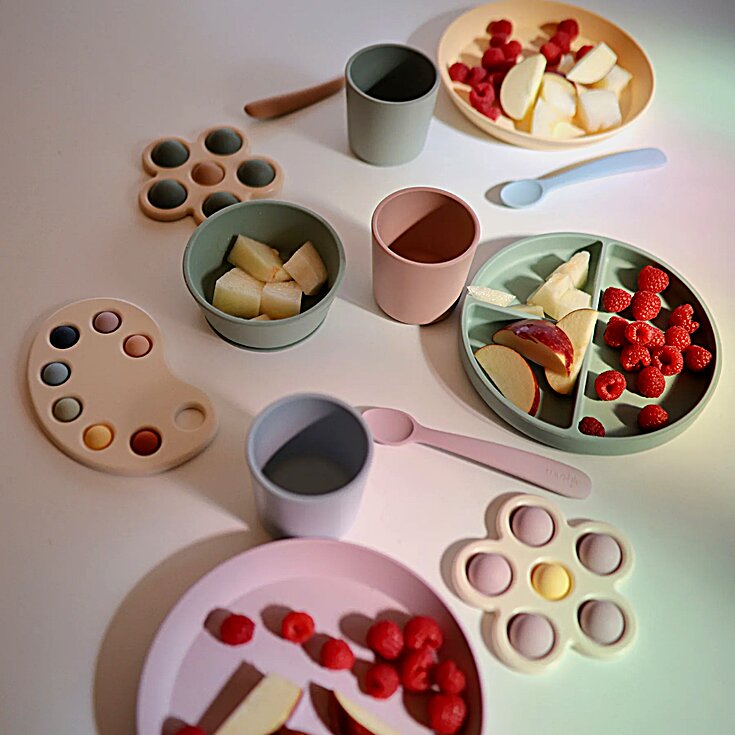
Mushie Silicone Feeding Spoons (2 Pack)
Single-piece food-grade silicone spoons, soft on gums, replacing hard plastic baby spoons. Silicone is not a petroleum plastic, though it can release trace particles or siloxanes, more so with heat and age.
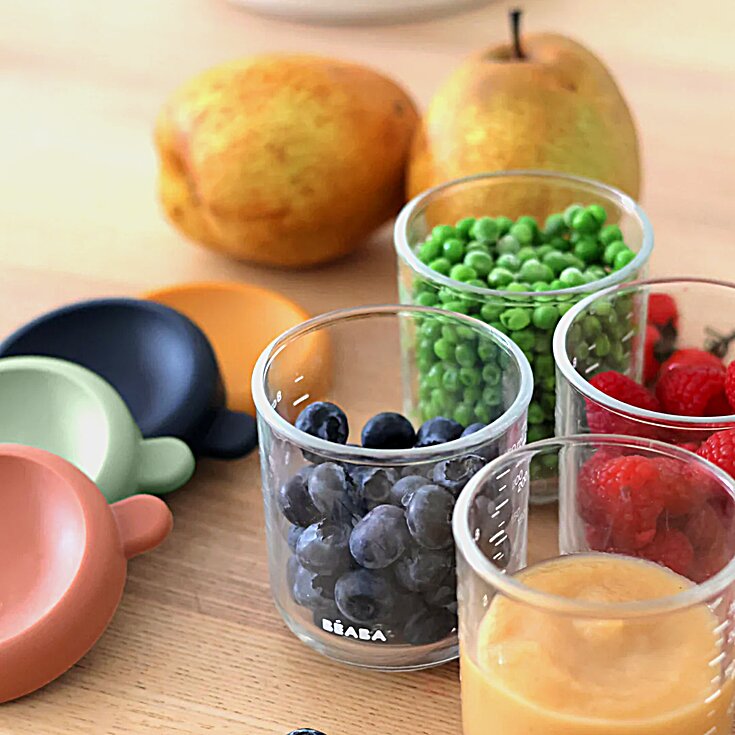
BEABA Glass Baby Food Jars
Stackable glass jars with airtight silicone lids, freezer to microwave to dishwasher. Food sits in glass, the most inert material we score.
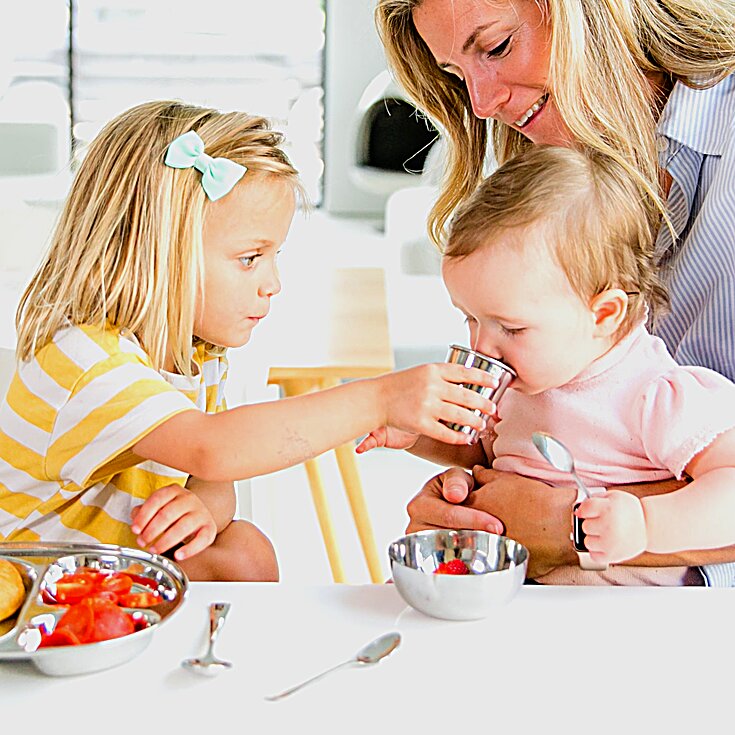
Ahimsa Starter Sips Cups (Set of 2)
Pediatrician-designed 304 stainless steel training cups with zero plastic and zero silicone. The rainbow color is titanium nitride bonded into the metal, not paint. MADE SAFE registry-verified.
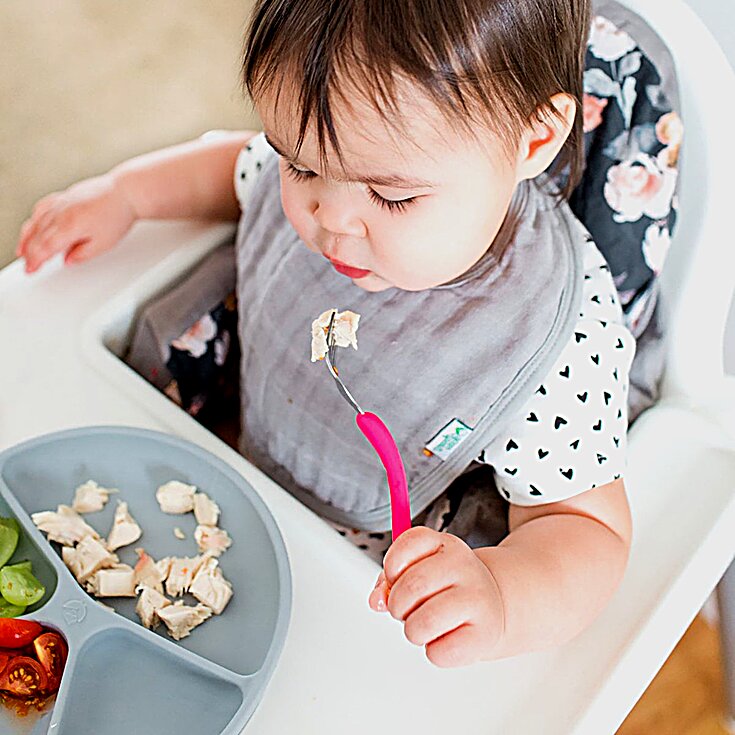
Green Sprouts Muslin Bibs (5 Pack)
Five 4-layer organic cotton muslin bibs with adjustable snaps. The snap material and the organic certifier are the two things the brand never names.

Mushie Silicone Training Cup with Straw
A 6 oz training cup where the 100% silicone claim explicitly covers cup, lid, and straw, which most straw cups cannot say.
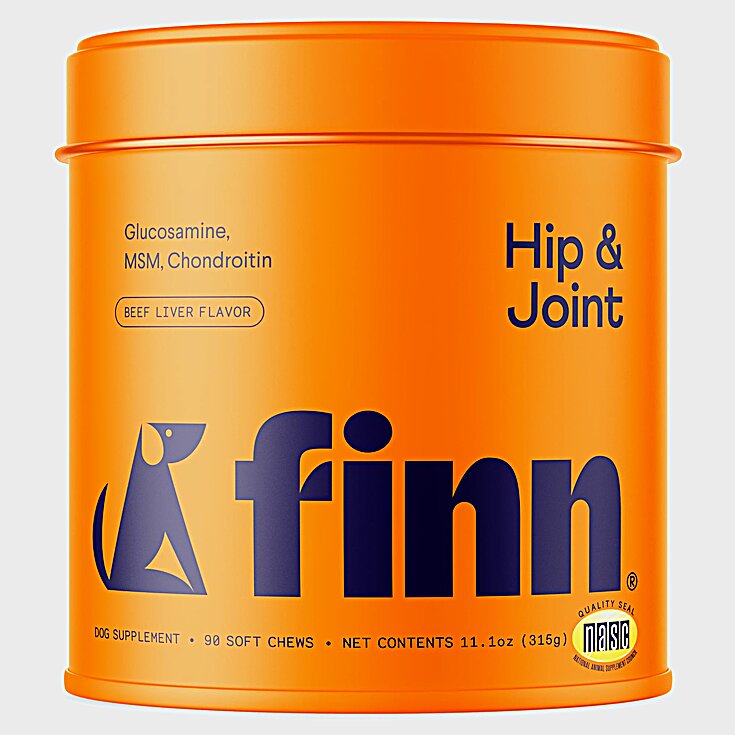
Finn Hip & Joint Supplement for Dogs
Vet-formulated joint chews in a recyclable tin, not a plastic jar. NASC audit confirmed in the registry and every ingredient published.
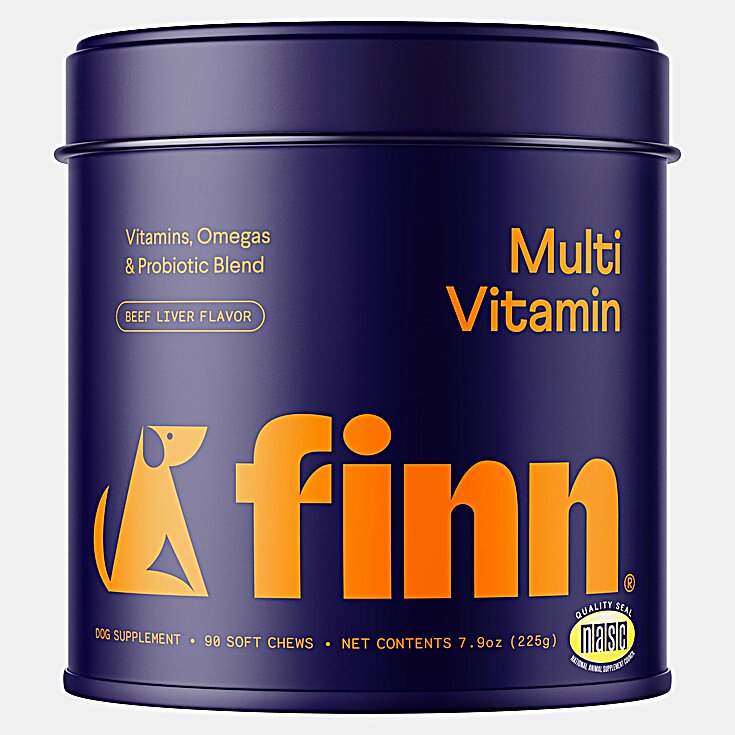
Finn Multivitamin Supplement for Dogs
Daily dog multivitamin in a recyclable tin with full ingredient disclosure and a registry-confirmed NASC seal.
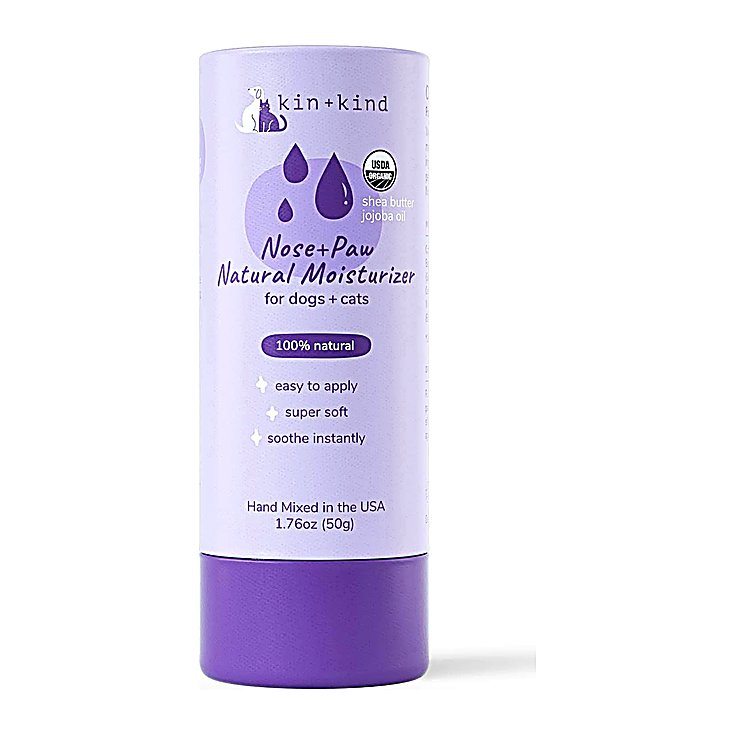
kin+kind Organic Nose & Paw Moisturizer Stick for Dogs & Cats
Five-ingredient nose and paw balm in a plastic-free push-up stick. Leaping Bunny confirmed; organic claim stated by the brand.
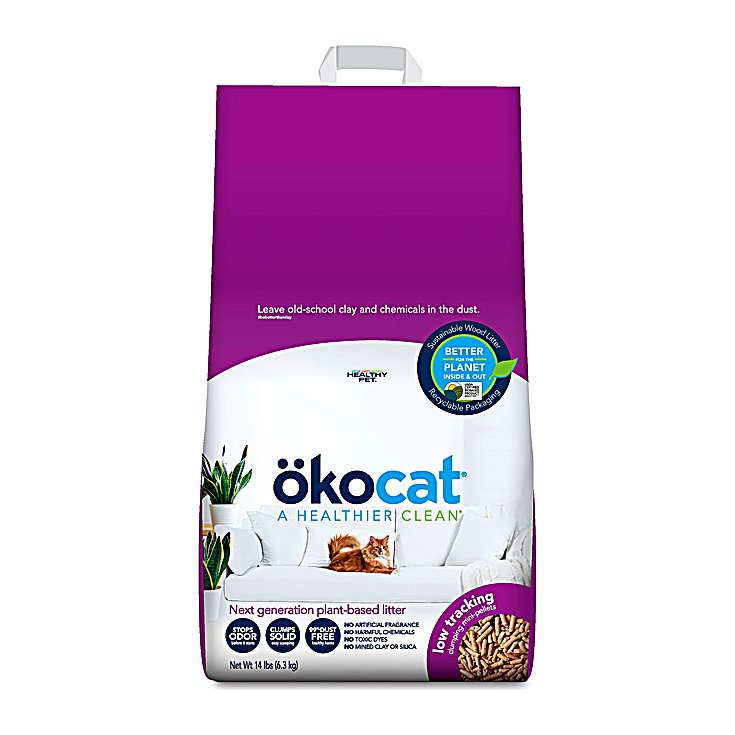
okocat Low Tracking Clumping Wood Cat Litter
Clumping wood-fiber litter in a recyclable paper bag. No clay, no silica, no plastic jug.
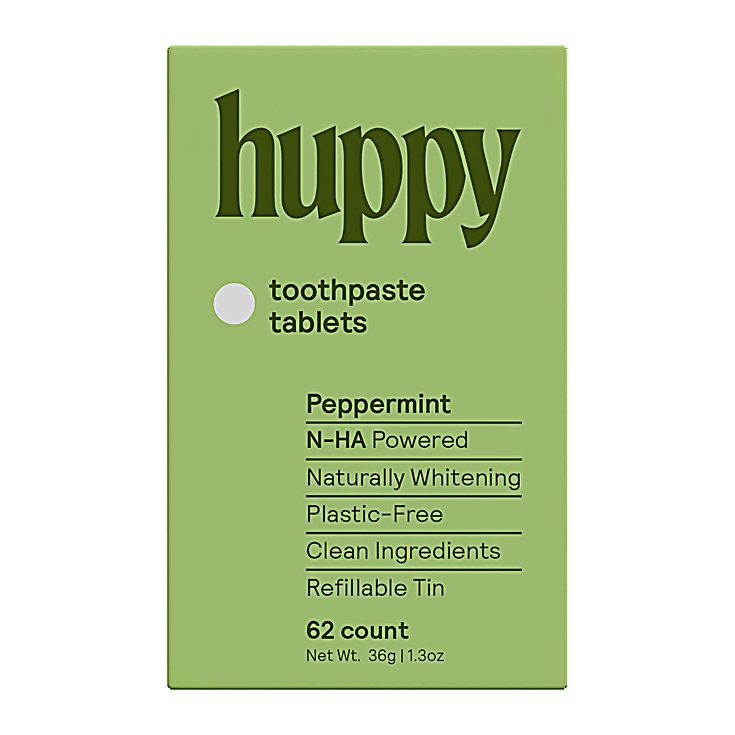
Huppy n-HA Toothpaste Tablets with Refillable Tin
Toothpaste tablets in a refillable metal tin with full ingredient disclosure. Replaces the unrecyclable plastic tube entirely.
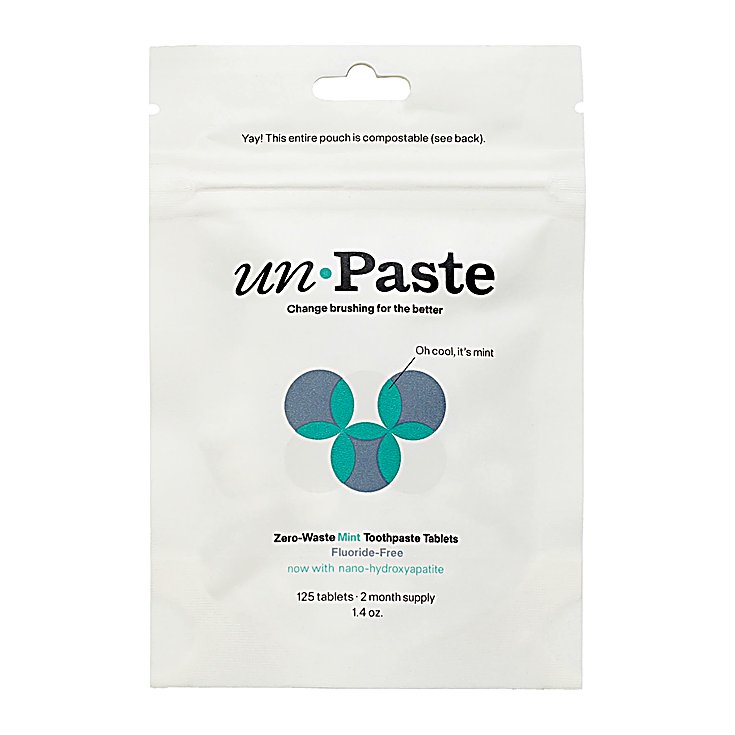
Unpaste Fluoride Free Mint Toothpaste Tablets
Tube-free tablets in a compostable pouch, with the sugarcane liner honestly explained. Xylitol-free, a plus for dog households.
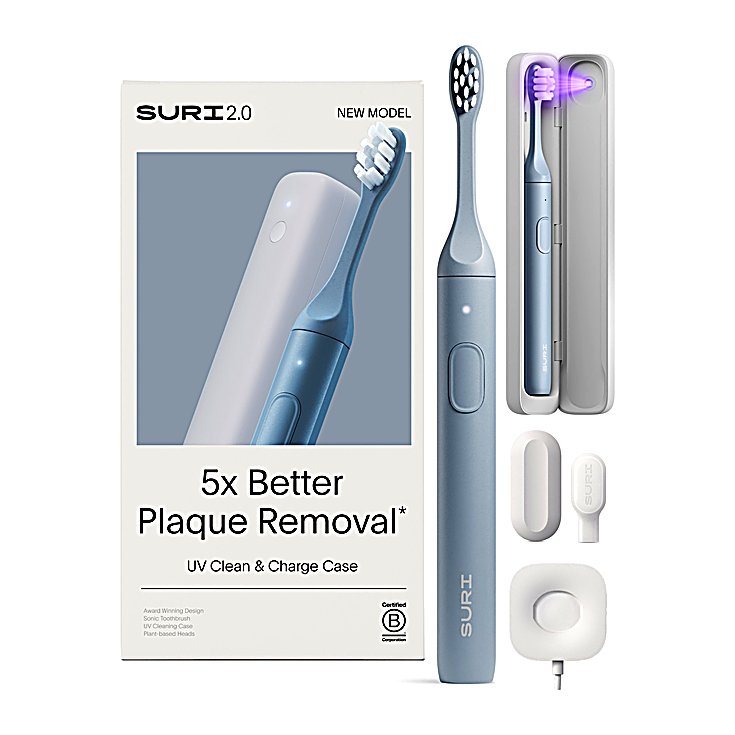
SURI SURI 2.0 Sonic Toothbrush with UV Travel Case
Aluminum-bodied sonic brush with plant-derived recyclable heads and a repair program. Best-in-class for electric, still mid band on our plastic scale.
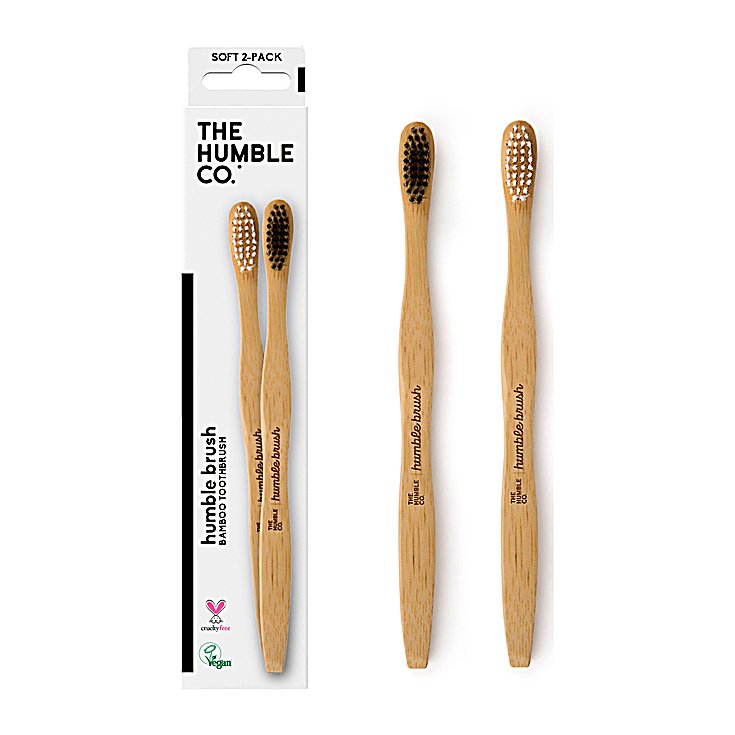
The Humble Co. Adult Bamboo Toothbrushes, Soft, 2 Pack
Bamboo-handle brush with the bristle polymer actually disclosed: nylon-6, 65% castor based. Paper packaging, honest trade-off.
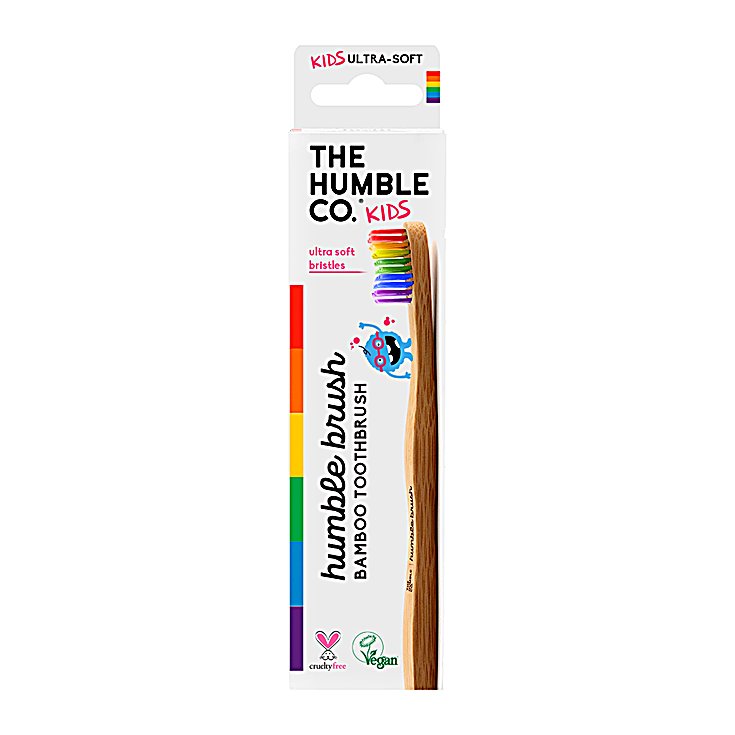
The Humble Co. Kids Bamboo Toothbrush, Ultra Soft
Kids bamboo brush with disclosed castor-based nylon bristles and paper packaging stated free of PFAS and bisphenols.
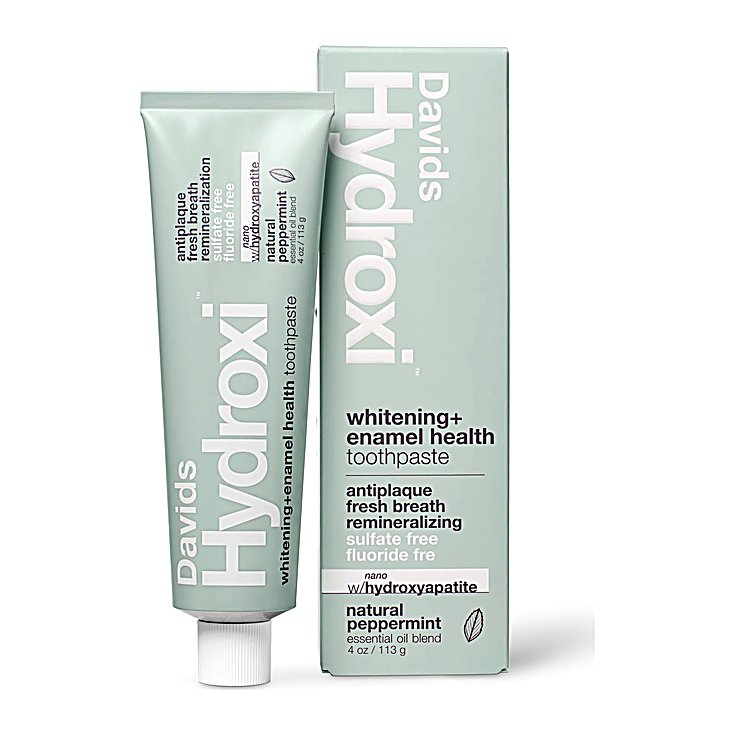
Davids Hydroxi Premium Toothpaste, Whitening + Enamel Health
Aluminum-tube toothpaste that names every component including its HDPE cap. Full formula disclosure with nano-hydroxyapatite.
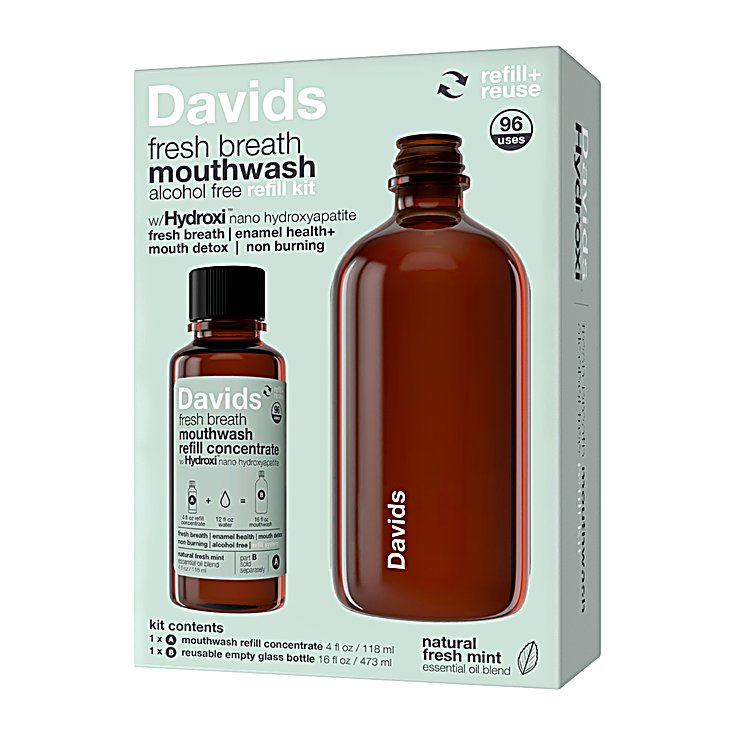
Davids Hydroxi Fresh Breath Mouthwash Refill Kit
Glass-bottle mouthwash concentrate system, 96 uses per refill. Great refill math; PEG-40 and unnamed caps noted honestly.
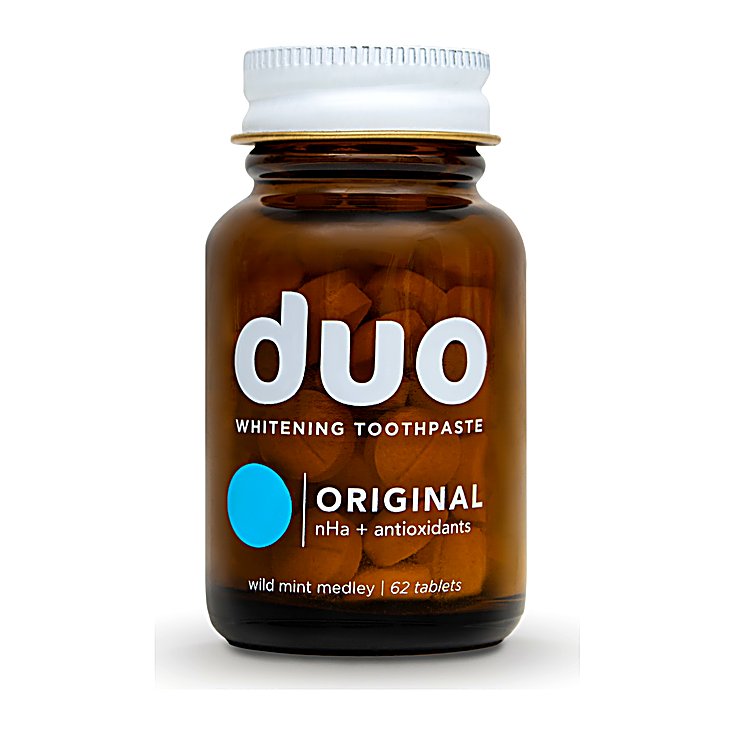
Duo Toothpaste Whitening Toothpaste Tablets
Dentist-formulated tablets in a recyclable glass bottle with refill pouches. Discloses its 5% nano-hydroxyapatite dose.
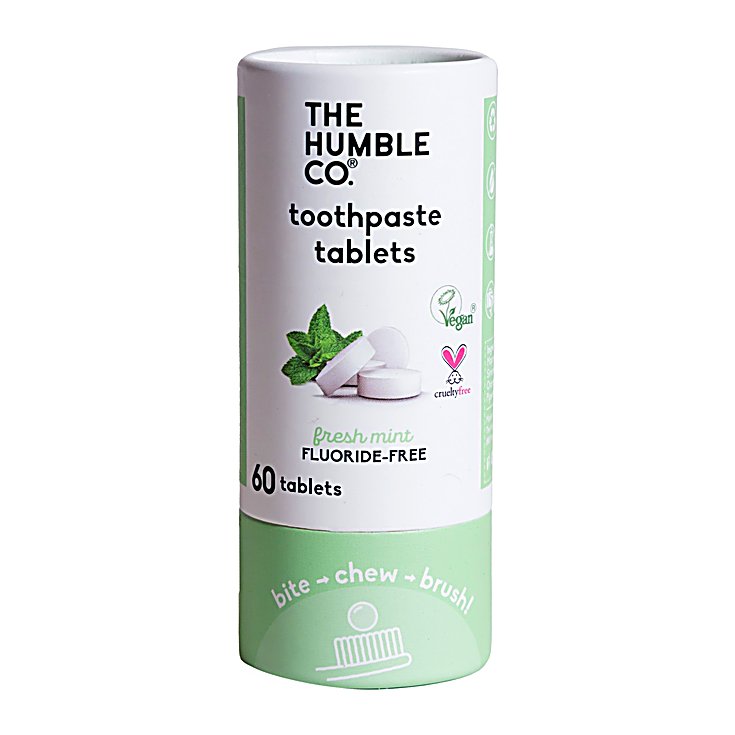
The Humble Co. Fluoride Free Dental Tabs
Water-free dental tabs with full formula disclosure in a stated plastic-free container. Naming the material would make it airtight.
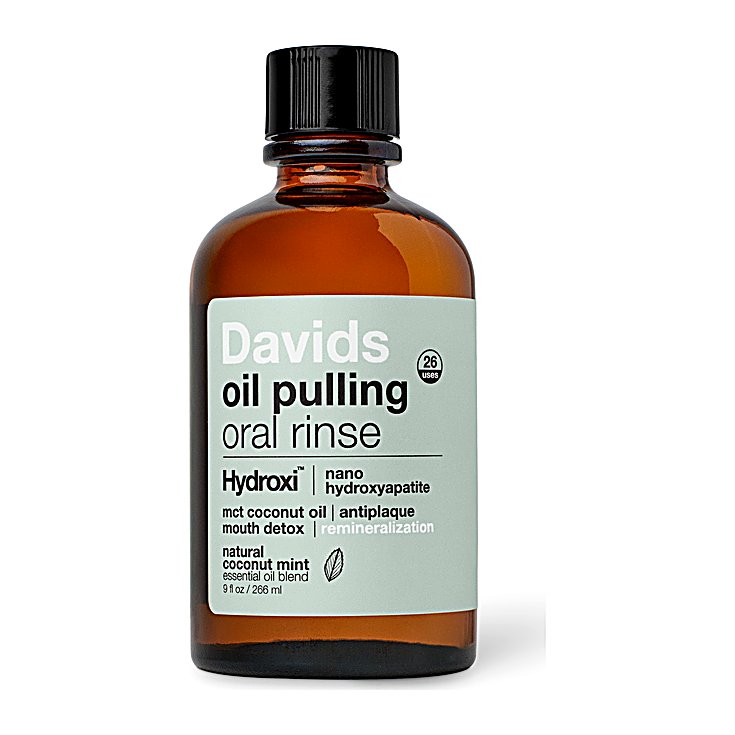
Davids Hydroxi Oil Pulling Oral Rinse
Six-ingredient MCT oil pulling rinse. Clean disclosed formula; unnamed container material keeps it from a 1.
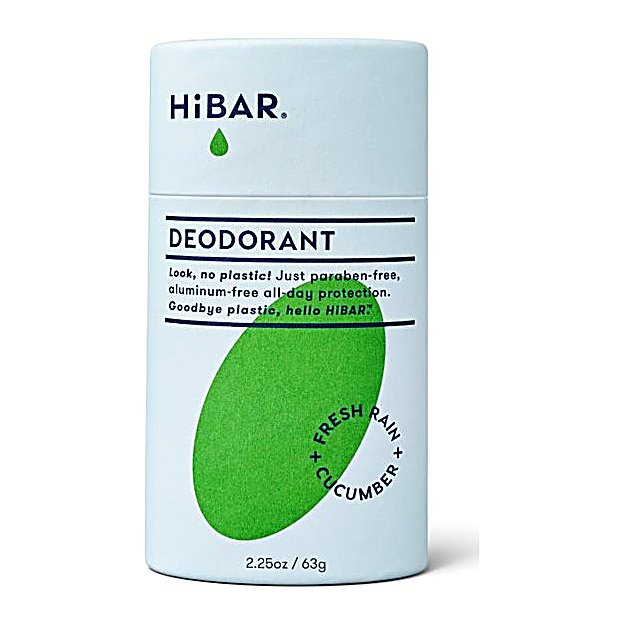
HiBAR Plastic-Free Deodorant
Aluminum-free deodorant in a recyclable cardboard push-up tube. Plastic-free from stick to shipping box, per the brand.
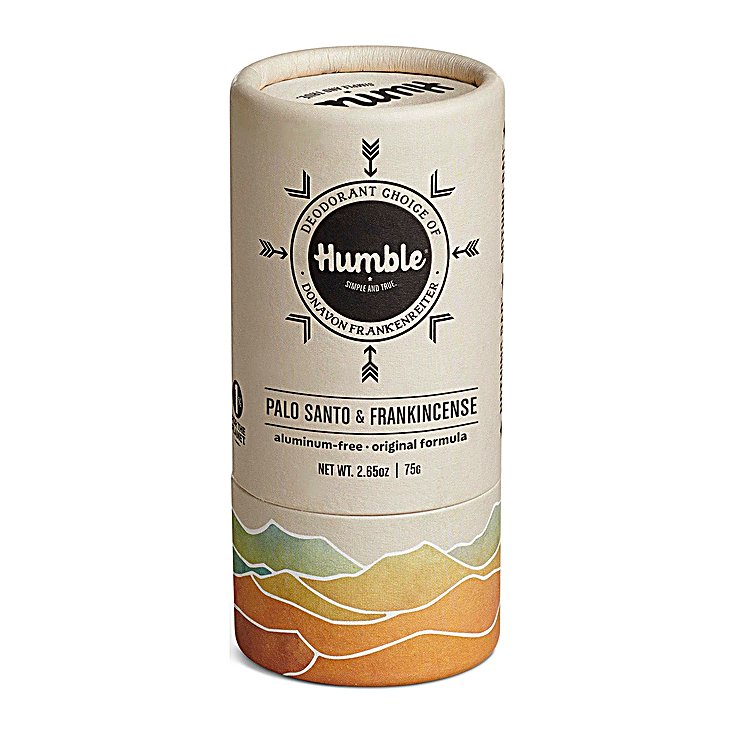
Humble Brands Deodorant, Aluminum Free
Four-ingredient deodorant from a Taos small business. Ask for the paper-tube line; the standard tube material is not stated.
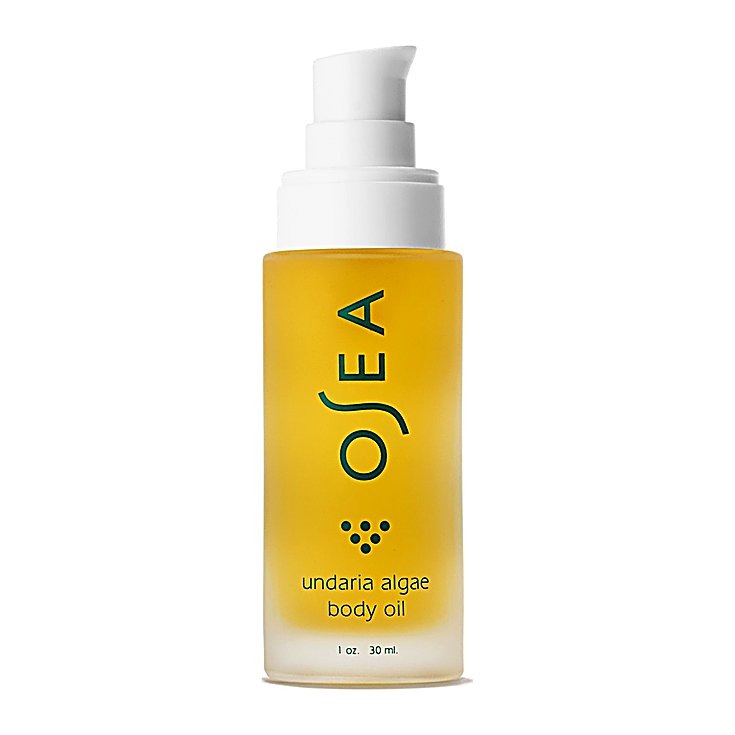
OSEA Undaria Algae Body Oil
Seaweed body oil in frosted glass with zero synthetic polymers in the formula. Pump is the one disclosed plastic part.
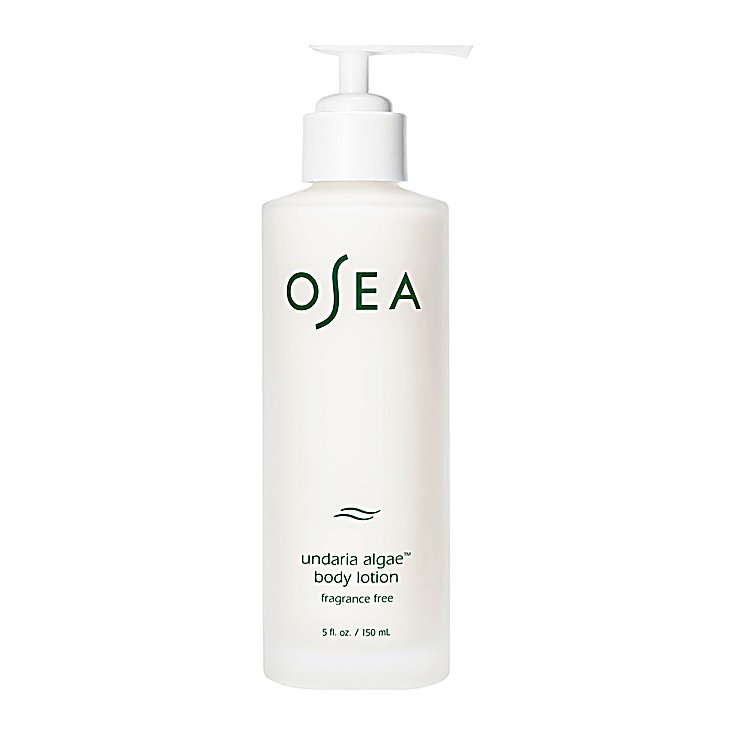
OSEA Undaria Algae Body Lotion
Glass-bottled lotion thickened with xanthan gum instead of carbomer, the hidden liquid plastic in most lotions.
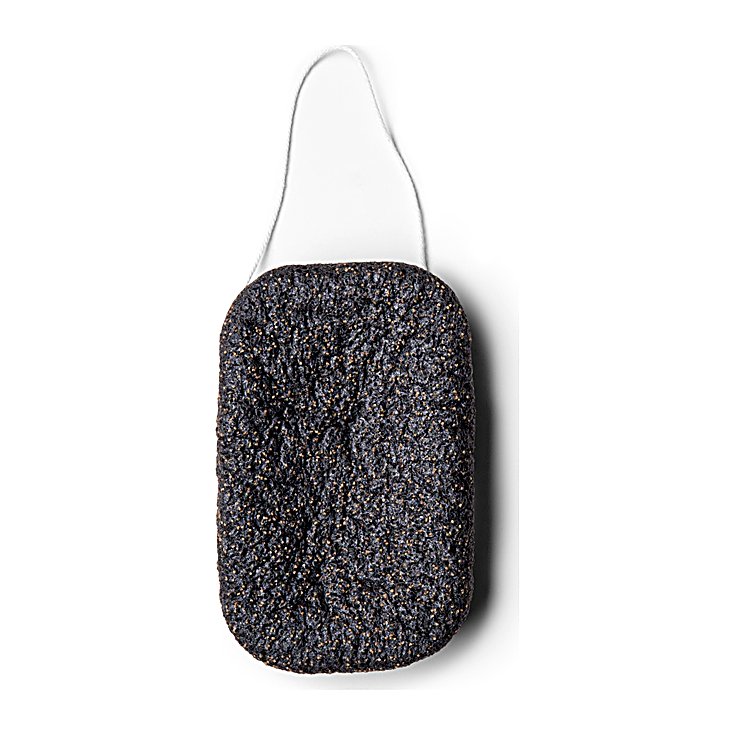
Everist The Exfoliating Konjac Body Sponge
Konjac root sponge with walnut shell exfoliant. Home compostable, and it retires the microplastic-shedding foam pouf.
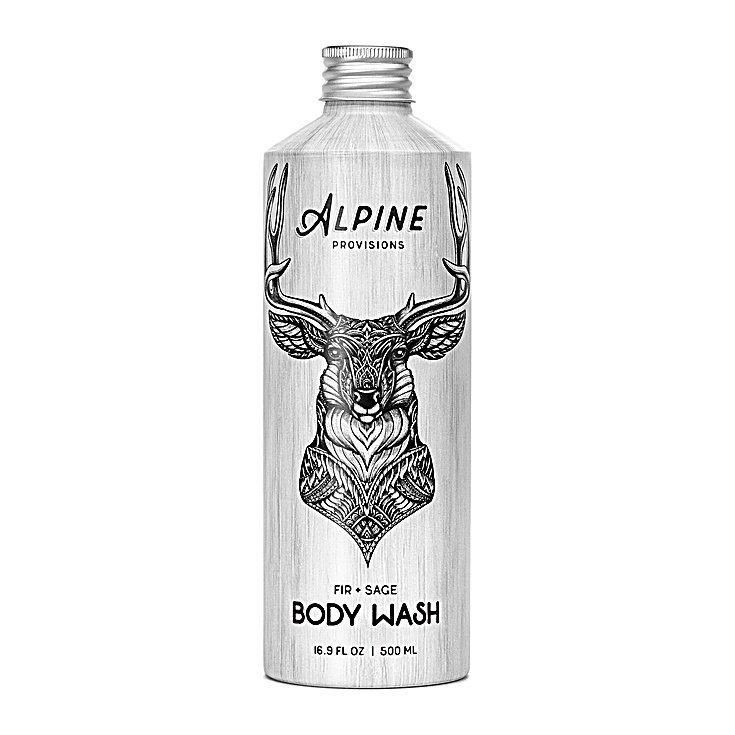
Alpine Provisions Body Wash, Lavender + Juniper
Aluminum-bottle body wash, 98% plastic-free packaging per the brand. Liner polymer and this scent's full list are the open questions.
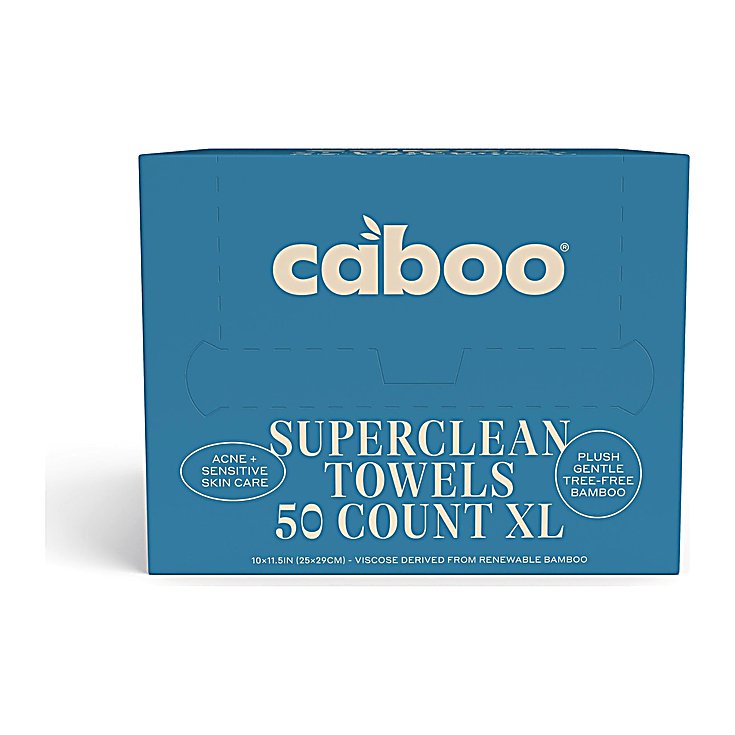
Caboo Superclean Disposable Face & Body Towels
Bamboo-derived disposable towels, MADE SAFE confirmed in the registry. Fiber process and packaging undisclosed, so mid band.
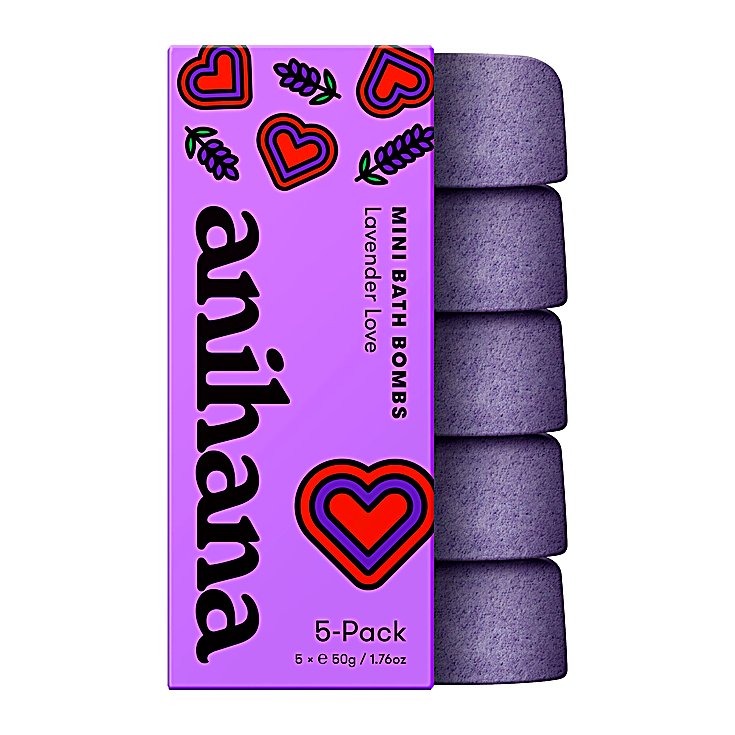
Anihana Bath Bomb Minis, 5 Pack
Glitter-free mini bath bombs with a published formula. Honest about the one plastic: a soft shrink wrap per bomb.
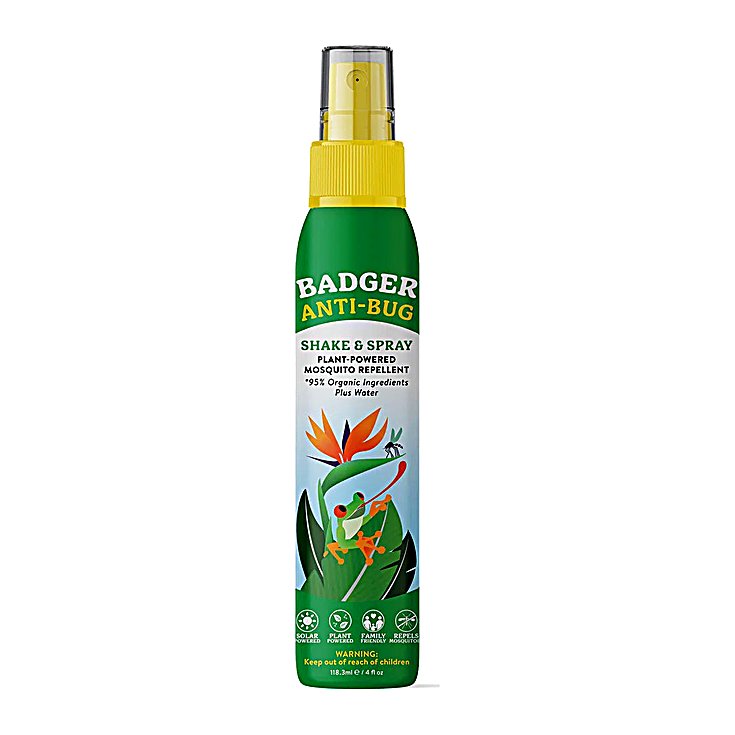
Badger Anti-Bug Shake & Spray
DEET-free repellent, USDA Organic confirmed in the federal database, in a recyclable aluminum bottle.
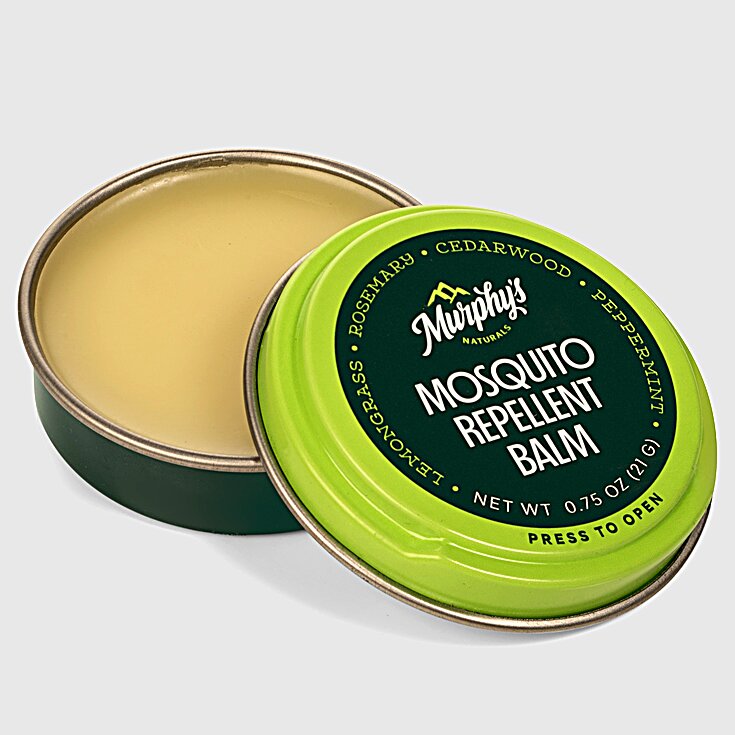
Murphy's Naturals Mosquito Repellent Balm
DEET-free repellent balm in a metal tin with exact % ingredient disclosure and registry-confirmed B Corp status.
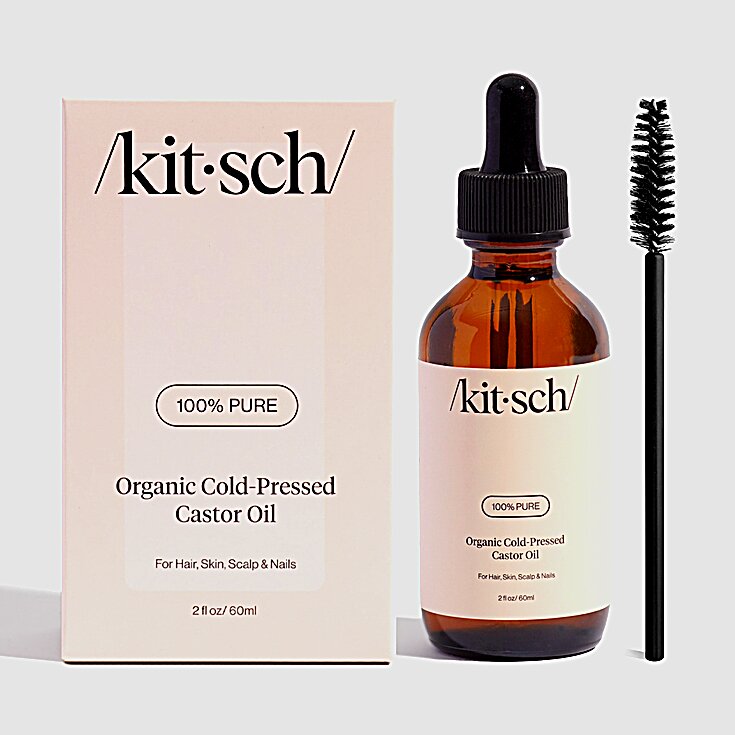
Kitsch 100% Pure Castor Oil
One-ingredient hexane-free castor oil in amber glass. Dropper and spoolie materials undisclosed, hence a 2.
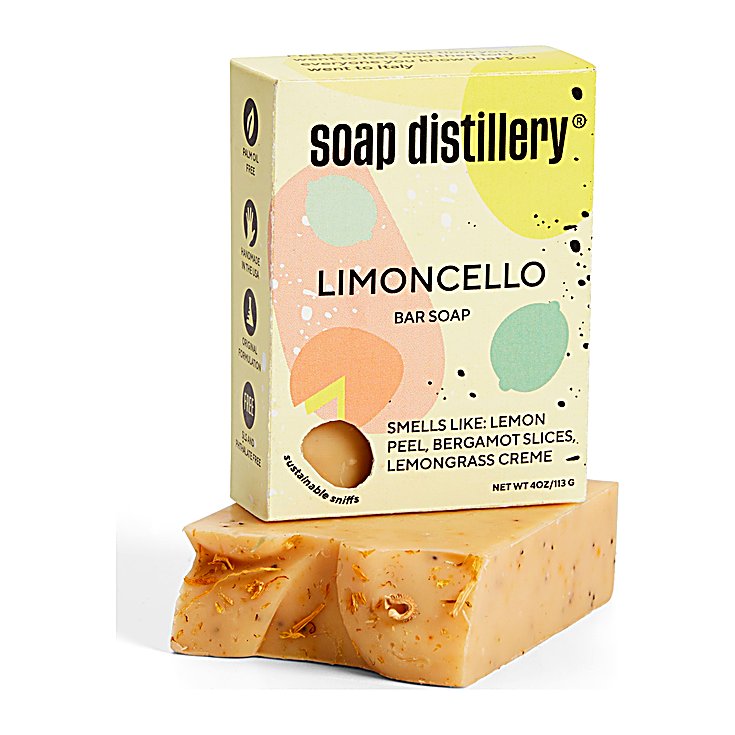
Soap Distillery Bar Soap
Chicago-made palm-free bar soap with a zero-waste unboxed option. Bar soap is still the lowest-plastic wash there is.
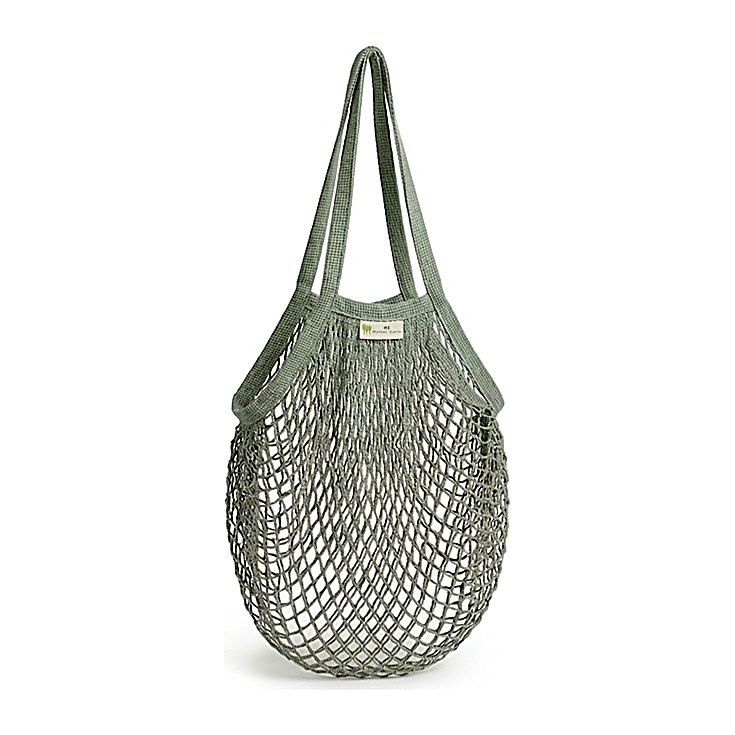
Me Mother Earth The One Tripper Mesh Market Bag
Extra-large all-cotton mesh market bag, shipped package-free. Holds 45 lbs and retires plastic checkout bags.
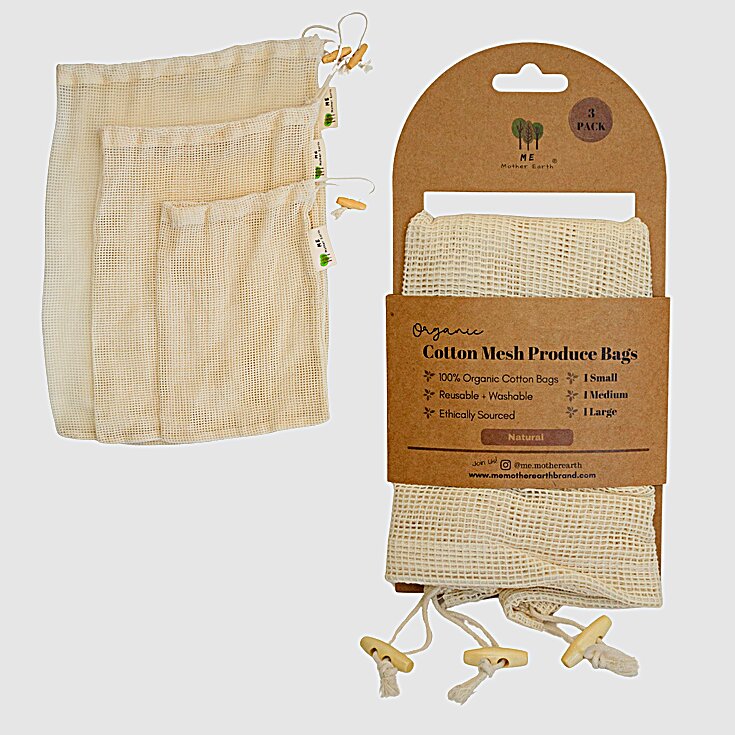
Me Mother Earth Cotton Mesh Produce Bags, 3 Pack
Washable cotton produce bags with printed tare weights and a wooden bead closure. Paper-only packaging.
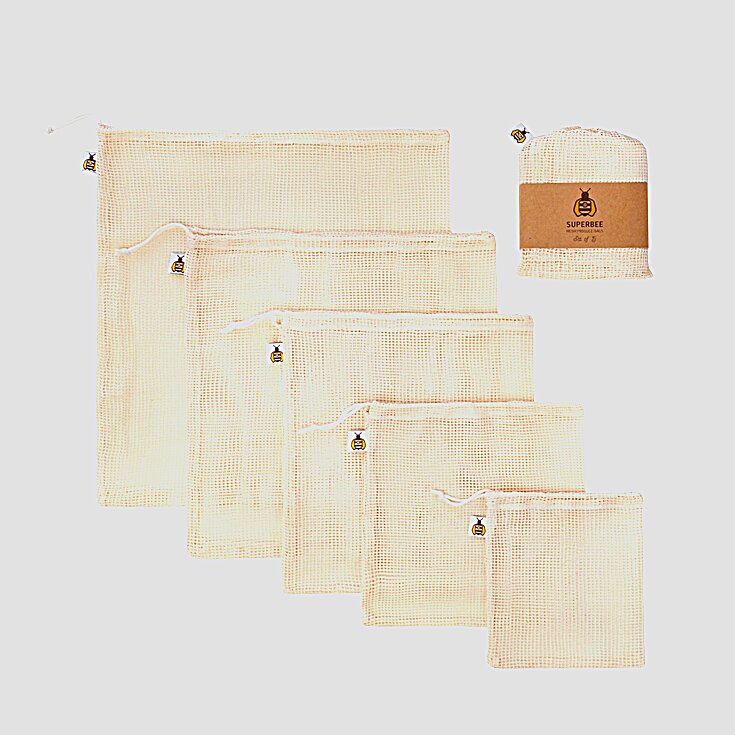
SuperBee Mesh Produce Bags, Set of 5
Five all-cotton mesh produce bags from a Thai B Corp social enterprise. Stated plastic free, silicone free, compostable.
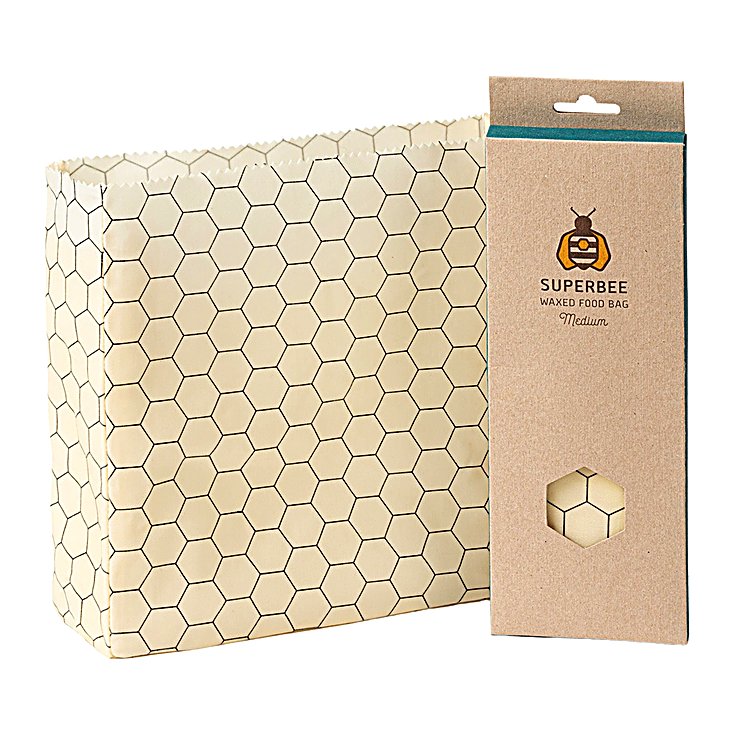
SuperBee Waxed Food Bag, Medium
Handmade beeswax canvas food bag, four named natural materials, 3 to 5 year lifespan. A true zipper-bag retirement plan.
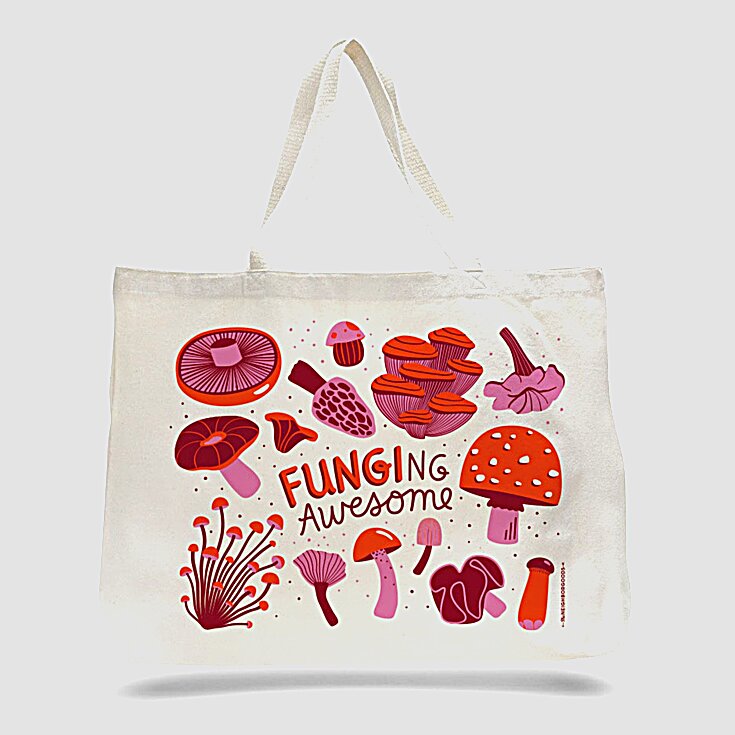
The Neighborgoods Cotton Canvas Tote Bag
Heavy cotton canvas tote with reinforced seams, printed and packaged in the USA.
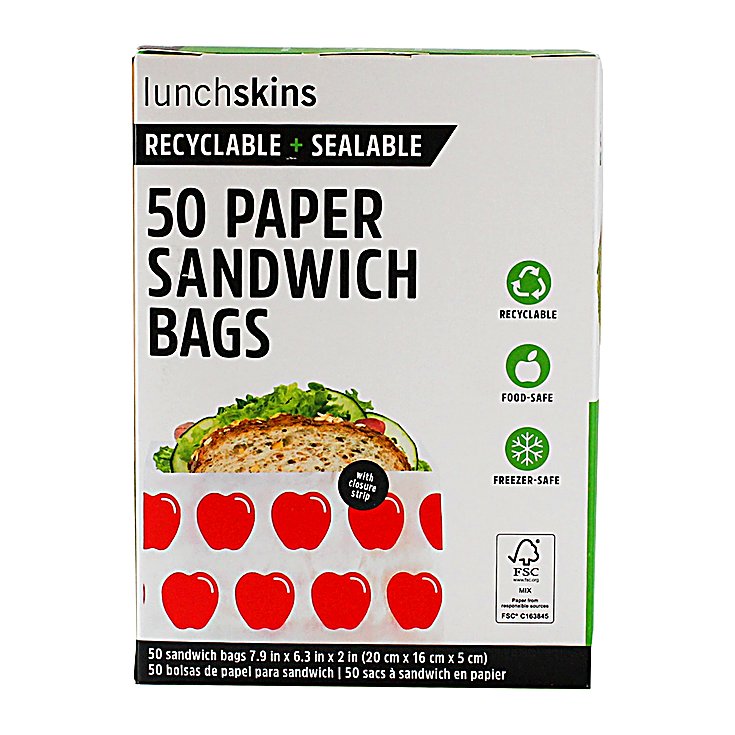
Lunchskins Paper Sandwich Bags
Glassine paper sandwich bags, grease-resistant with no wax or PFAS coating, stated free of bisphenols and phthalates.
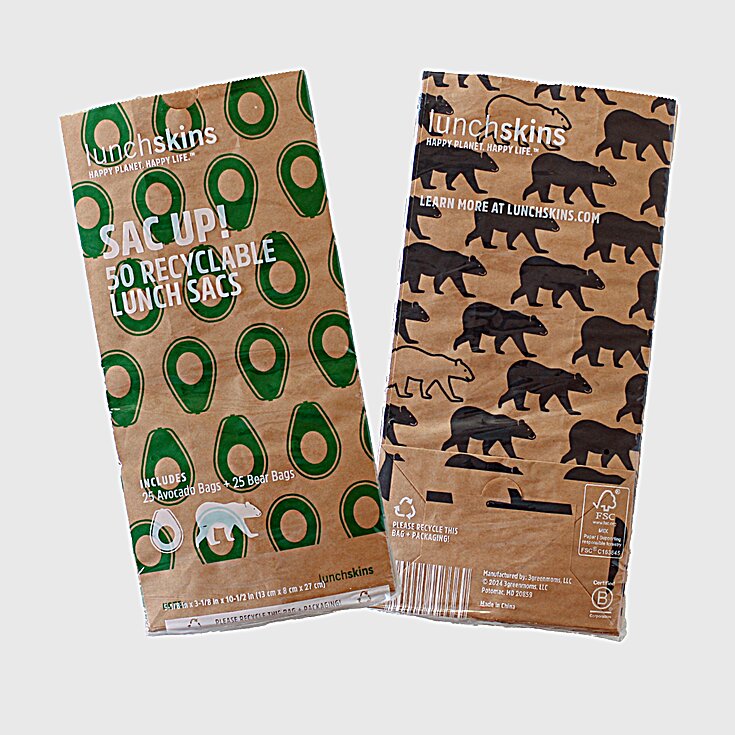
Lunchskins Recyclable Lunch Sac Variety Pack
BPI-certified kraft lunch sacs, registry confirmed. Brand honestly discloses the plastic film multipack wrap, which costs it a point.
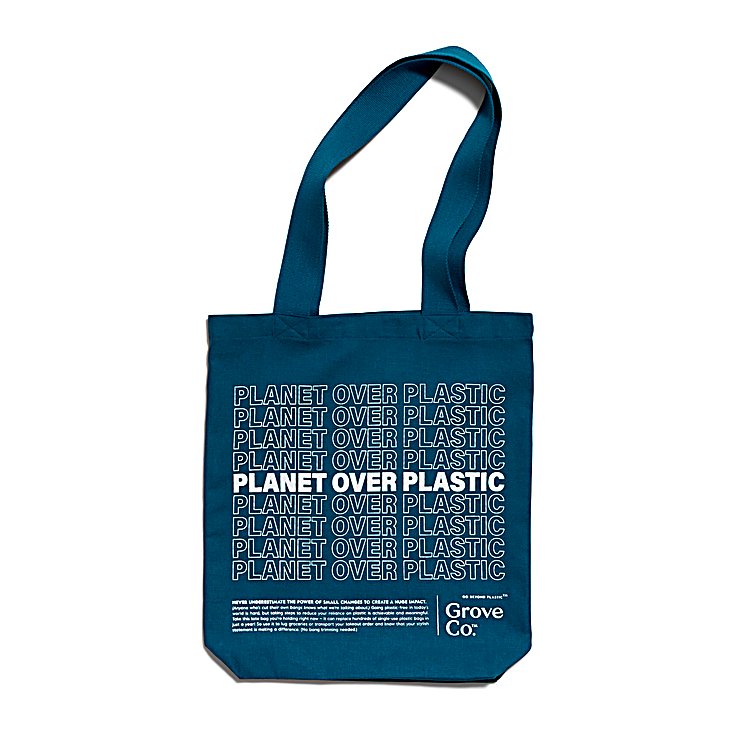
Grove Co. Planet Over Plastic Reusable Tote Bag
Grove's all-cotton takeout-style tote. Organic stated without a named certifier, so that stays an attribute.
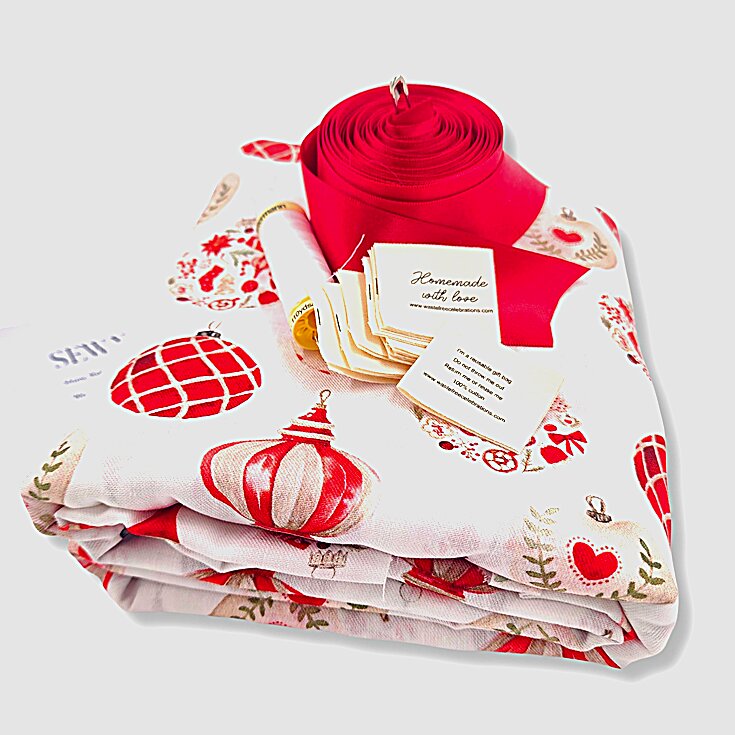
Waste Free Celebrations Sew-Your-Own Reusable Gift Bags, Set of 10
Sew ten reusable cotton gift bags from one kit and retire wrapping paper. Ribbon fiber unstated, flagged honestly.
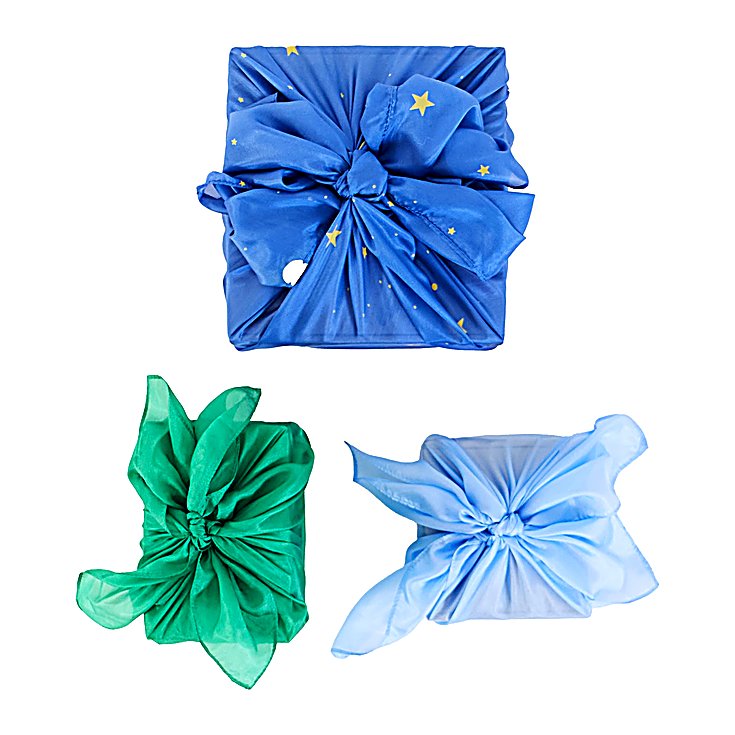
Sarah's Silks Reusable Gift Wrap Furoshiki Set
Mulberry silk furoshiki cloths that wrap gifts for decades. All natural fiber; dye claims brand-stated.
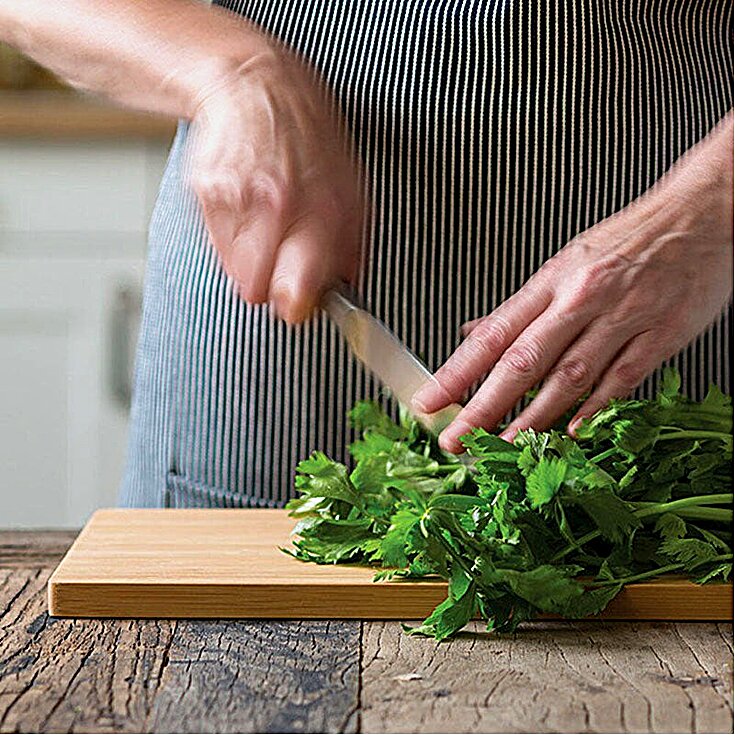
bambu Undercut Bamboo Cutting Board, Medium
Laminated bamboo with the glue actually disclosed: water based, food grade, no formaldehyde, and no lacquer coat, just food-safe oil. The disclosure every wood board should ship with.
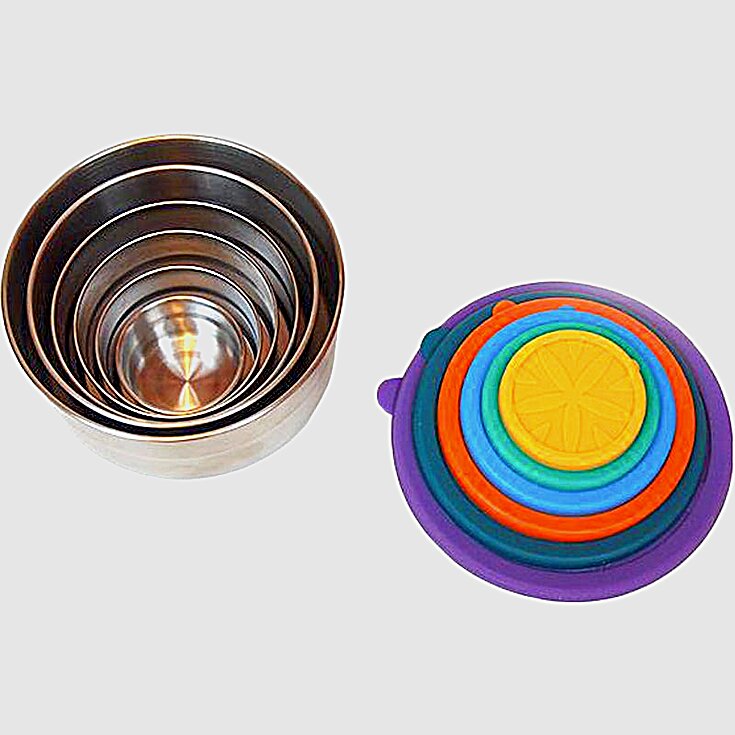
ECOlunchbox Seal Cup Mini, 304 Stainless with Silicone Lid
Leak-proof type 304 stainless cup with a snap-on food-grade silicone lid, no plastic in the food path. Silicone can release trace particles or siloxanes with heat and age; its cure system is undisclosed, which is what holds it at 2.

Ecopiggy Ortho Natural Rubber Pacifier, 3 Pack
One-piece natural rubber pacifier, no joints, no chemical softeners, plastic-free packaging. Natural rubber latex is an allergen for some babies, replace every 6 to 8 weeks per the brand, and no safety standard is cited on the brand site.
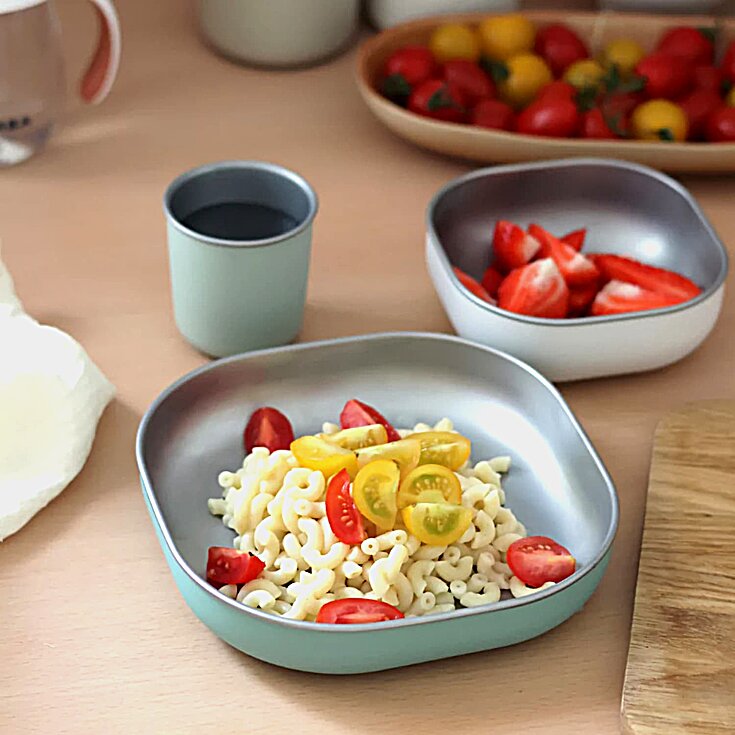
BEABA Stainless Steel Meal Set
Stainless plate, bowl, and cup for toddlers, stated BPA, lead, and phthalate free per Grove. Removable silicone sleeve for grip; steel everywhere the food sits.
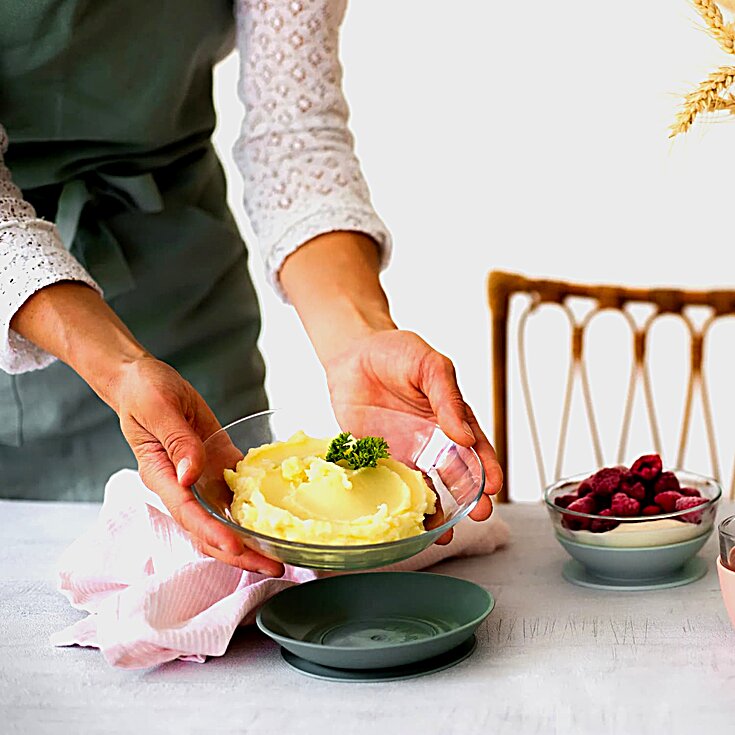
BEABA 3-Piece Glass Suction Baby and Toddler Feeding Set
Duralex tempered glass plate, suction bowl, and cup with silicone suction pads, made in France. The direct glass swap for a silicone suction bowl.
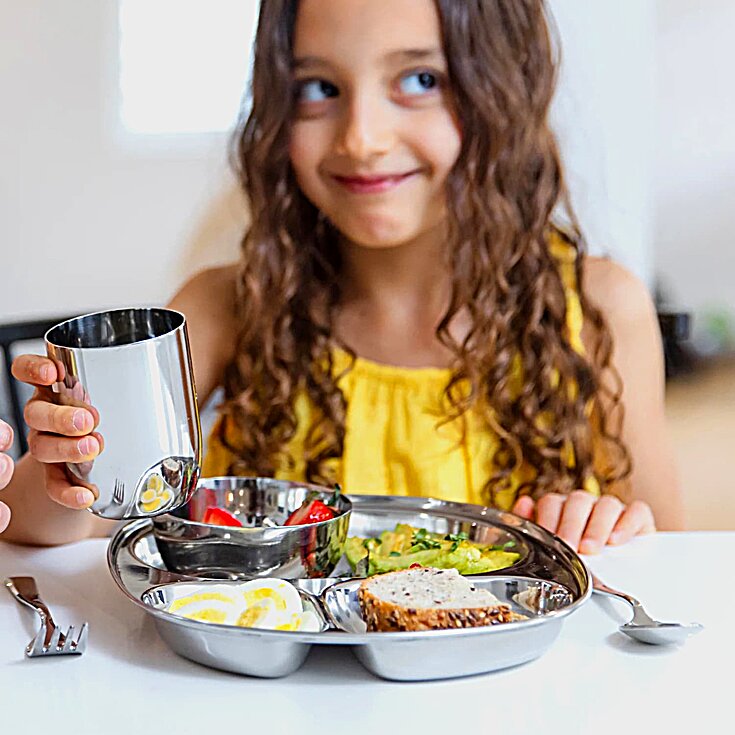
Ahimsa Mindful Mealtime Set
Five piece 304 stainless set: divided plate, bowl, cup, fork, and spoon. MADE SAFE listed piece by piece, colors bonded by titanium PVD, zero plastic and zero silicone.
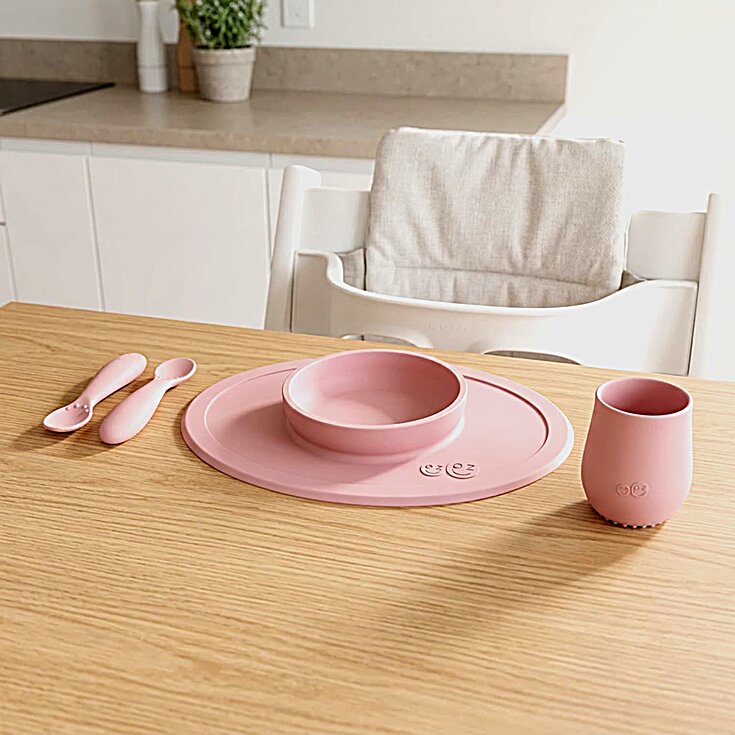
ezpz First Foods Set
100% food grade silicone starter kit: suction Tiny Bowl, Tiny Cup, and two Tiny Spoons, third party tested free of BPA, BPS, PVC, and phthalates per the brand.
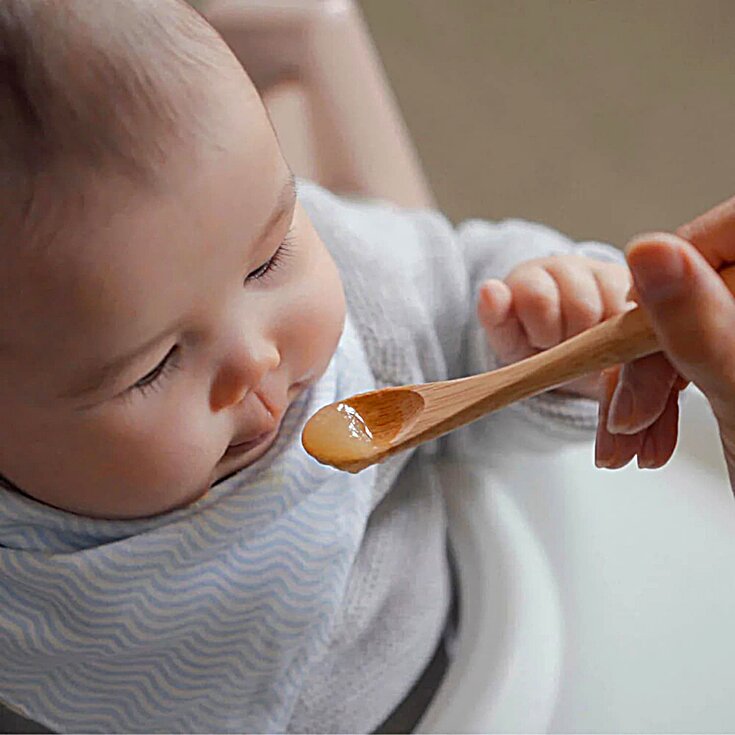
Bambu Babys Feeding Spoons (Set of 2)
Two FSC certified bamboo baby spoons with no glues or lacquers and a plant based food grade oil finish. One natural material, fully disclosed.
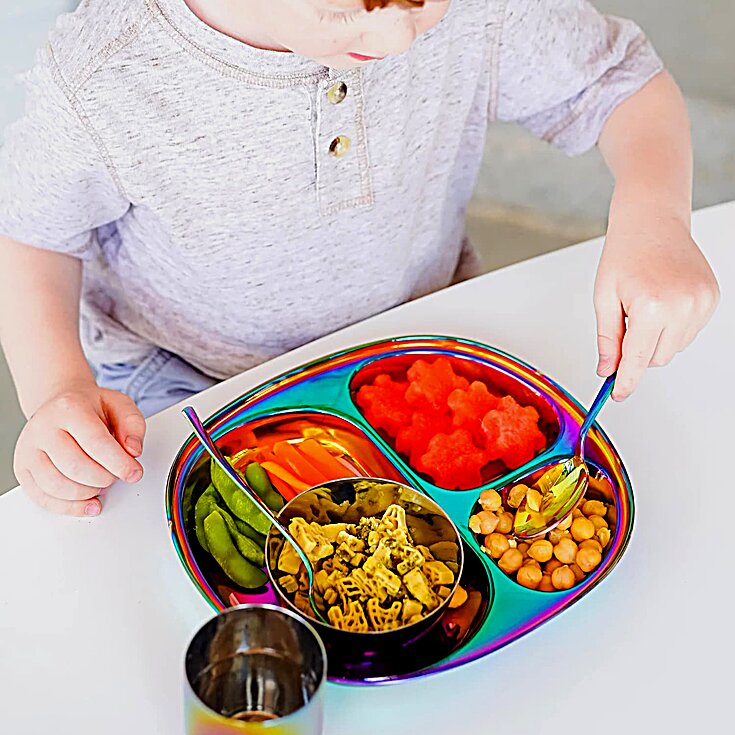
Ahimsa Utensil Set, Stainless Steel Fork and Spoon
Kid sized 304 stainless fork and spoon with rounded tines, MADE SAFE registry listed. The no plastic swap for silicone and nylon trainers.
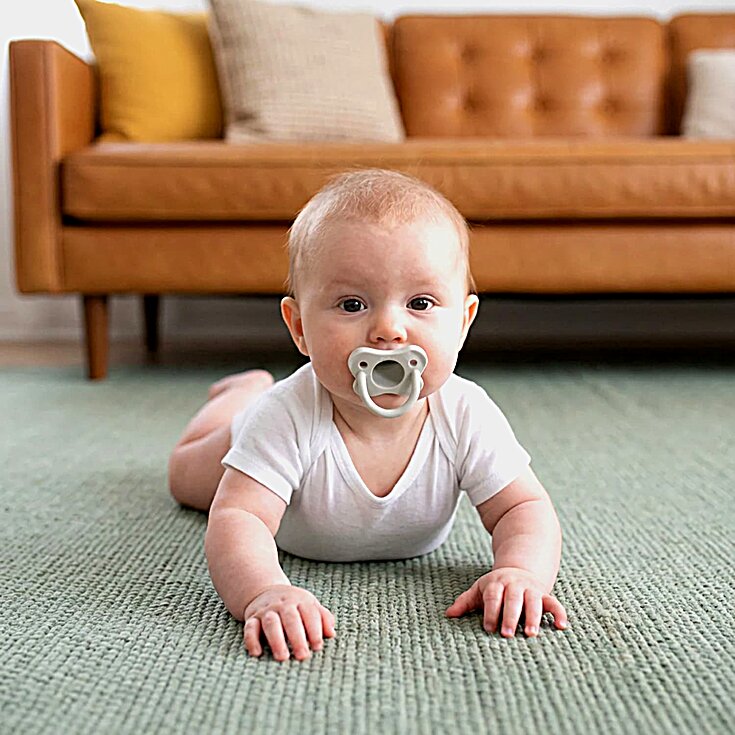
Dr. Browns HappyPaci 100% Silicone Pacifier
One piece 100% silicone pacifier shaped like the Dr. Browns bottle nipple. No joints, no hard plastic shield, dishwasher and sterilizer safe.

HEVEA Newborn Orthodontic Natural Rubber Pacifier
100% natural rubber newborn pacifier from a B Corp verified Danish brand, plant based and biodegradable at end of life per the listing.
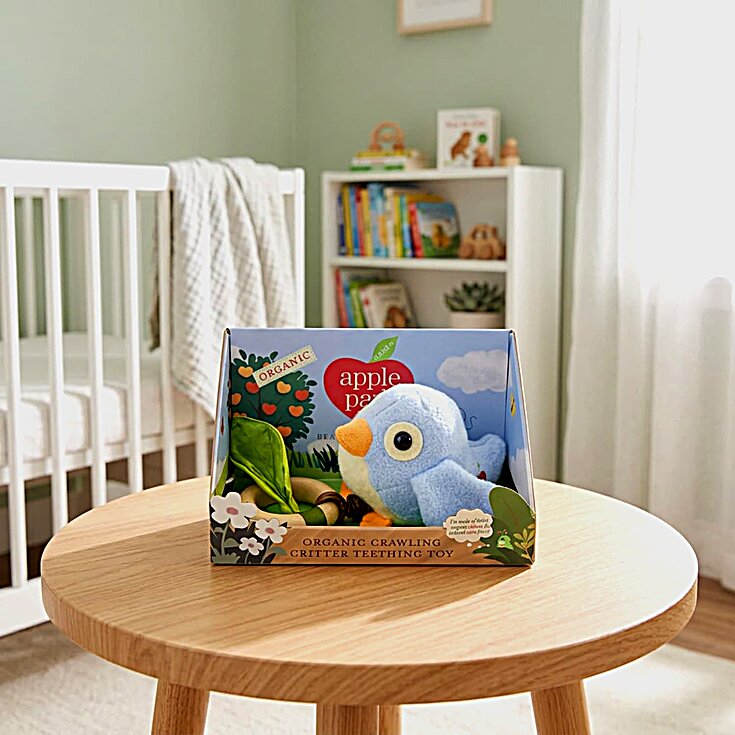
Apple Park Organic Cotton Teething Toy, Birdy
Plush organic cotton bird teether with a bamboo ring. The corn fiber fill is plant derived but its polymer form is not disclosed, the one open question.
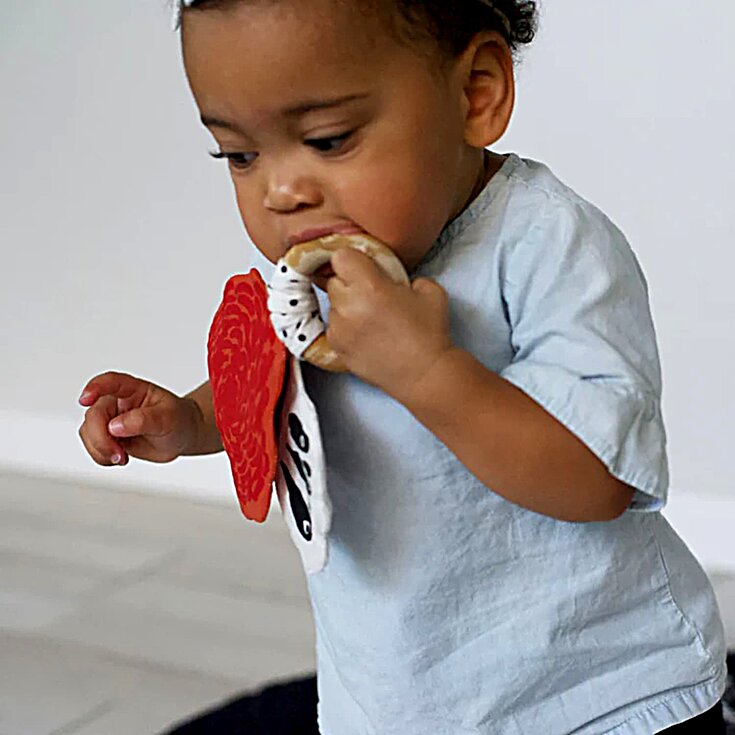
Wee Gallery Crinkle Teether, Butterfly
A crinkle teether where the crinkle is paper, not plastic film: organic cotton, paper, and a maple wood ring, all named on the listing.

Mushie Nature Teething Ring
Sensory teething ring in 100% FDA tested food grade silicone with sun, rainbow, and daisy charms, stated free of BPA, PVC, and phthalates.
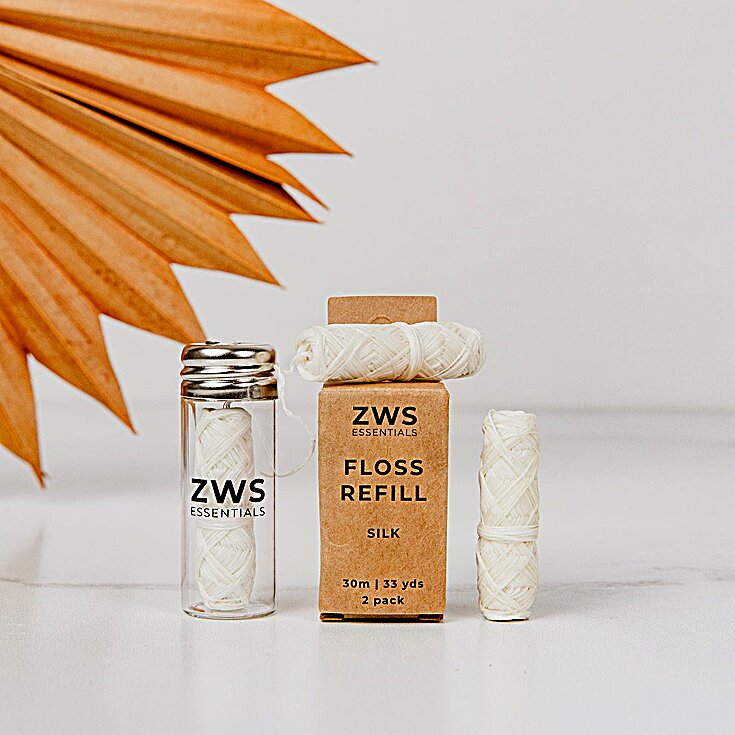
ZWS Essentials Silk Dental Floss, Refillable Glass Jar
Real silk floss waxed with candelilla in a refillable glass and metal jar, a genuinely plastic-free floss path where most floss is nylon or PTFE. Not vegan, and refills keep the jar going.
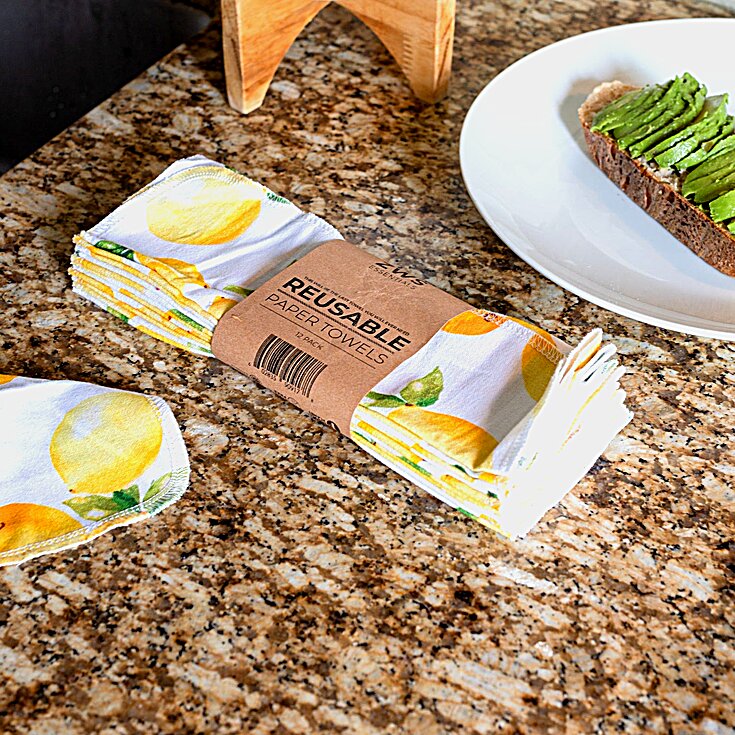
ZWS Essentials Reusable Paper Towels, Organic Cotton, 12 Pack
One-ply organic cotton towels that re-roll onto a standard cardboard tube and wash with your laundry. GOTS and OEKO-TEX are claimed without certificate numbers, so they stay claims on this card.
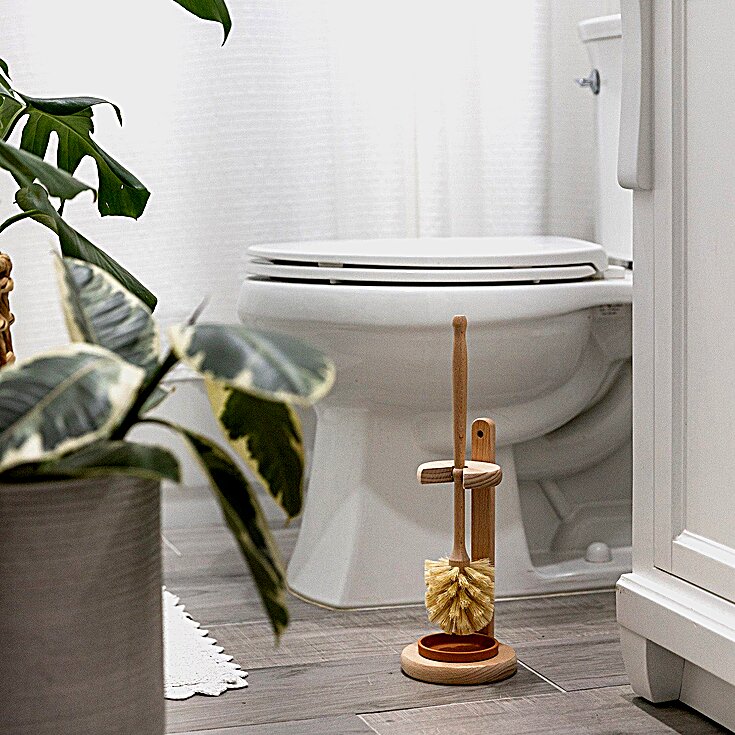
ZWS Essentials Plastic-Free Toilet Brush with Stand
Beech wood, tampico agave bristles, and a terracotta drip tray, with replacement heads so the handle never hits the bin. Most plastic brushes are fused units; the replaceable head is the quiet win.
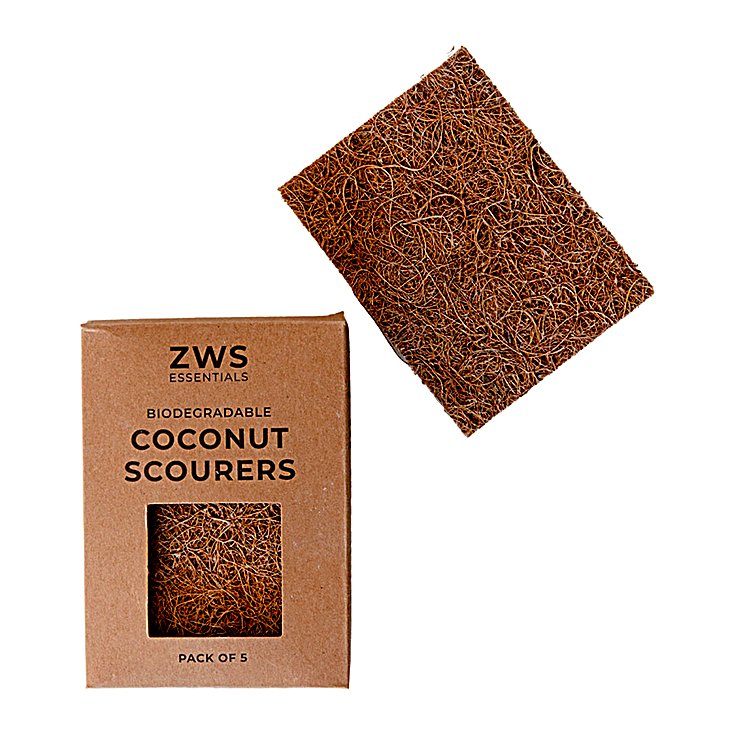
ZWS Essentials Coconut Kitchen Scourers, 5 Pack
Waste coconut coir bonded with natural rubber latex, two disclosed natural materials that scrub without scratching and compost when worn out. Latex allergy caution for the rubber binder.
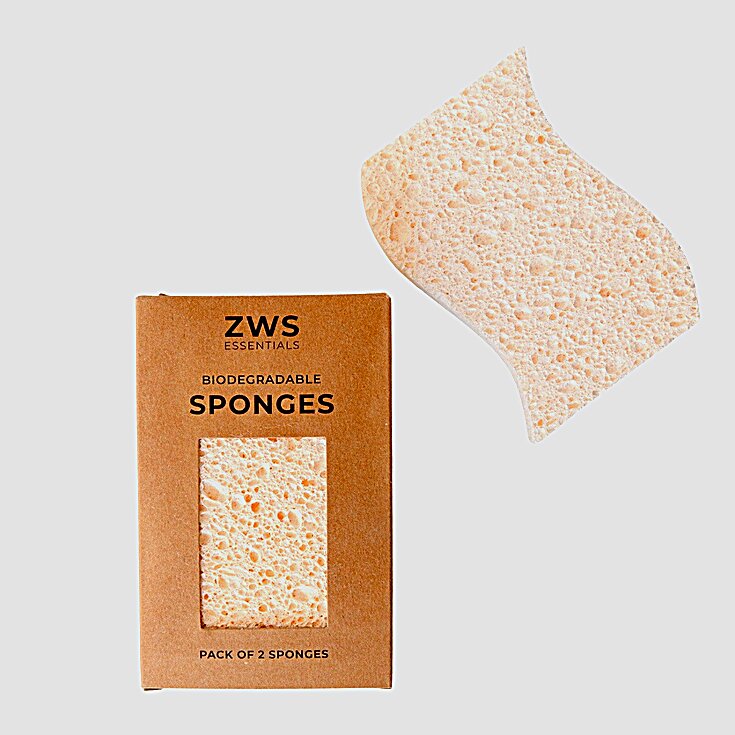
ZWS Essentials Biodegradable Kitchen Sponges, Wood Pulp
100% wood pulp sponges in a cardboard box, replacing polyurethane sponges that shed plastic crumbs into dishwater by design. Regenerated cellulose does shed cellulosic fibers, which biodegrade.
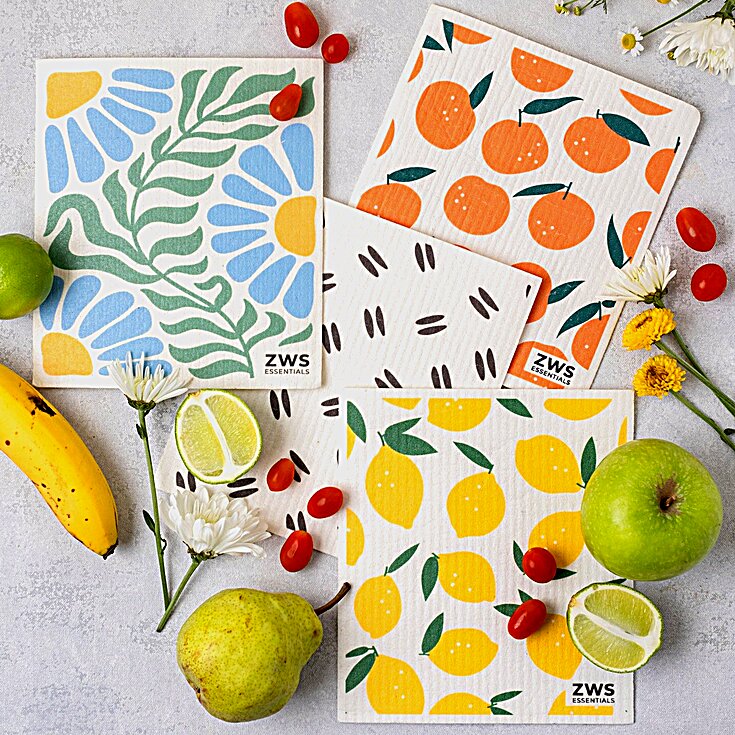
ZWS Essentials Swedish Sponge Cloth
The classic Swedish dishcloth in a wood pulp and cotton blend with water-based inks, absorbing 20x its weight. Sheds cellulosic and natural fibers only, and composts once it wears out.
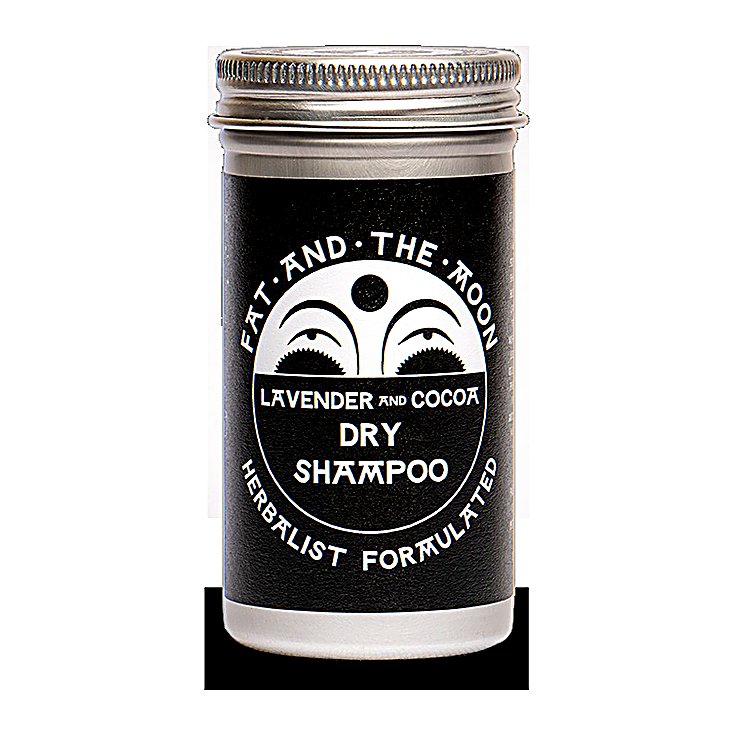
Fat and the Moon Lavender + Cocoa Dry Shampoo, 2 oz
Arrowroot, cocoa, kaolin, and named essential oils in a refillable aluminum shaker. No propellant, no talc, no synthetic film formers, which is the microplastic story in most dry shampoo. Handmade in Nevada City, CA.
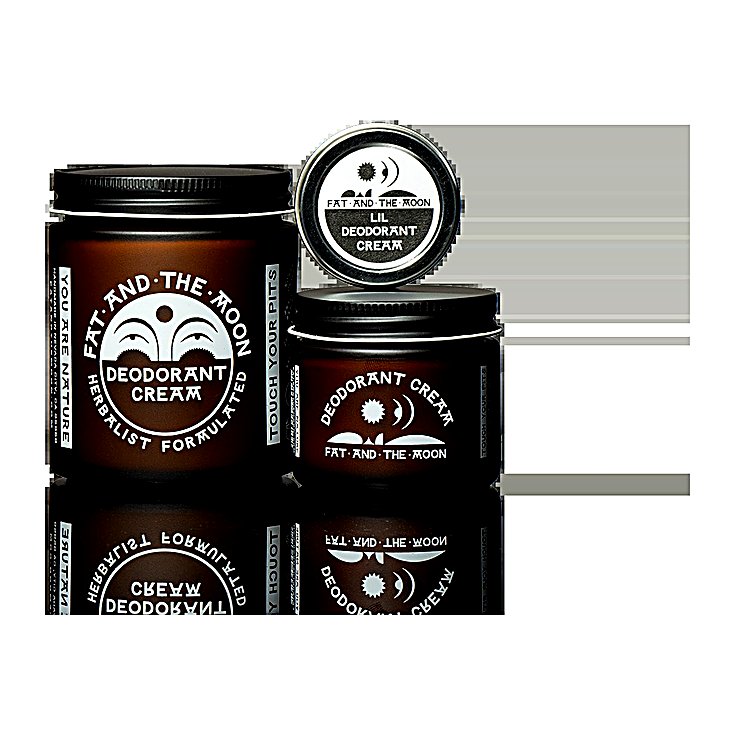
Fat and the Moon Aluminum Free Deodorant Cream, 2 oz
Fully disclosed cream deodorant in an amber glass jar. The honest catch: the lid is tinplate with a plastisol liner, the PVC-family seal on most metal lids, and the brand actually tells you. Not vegan (beeswax).
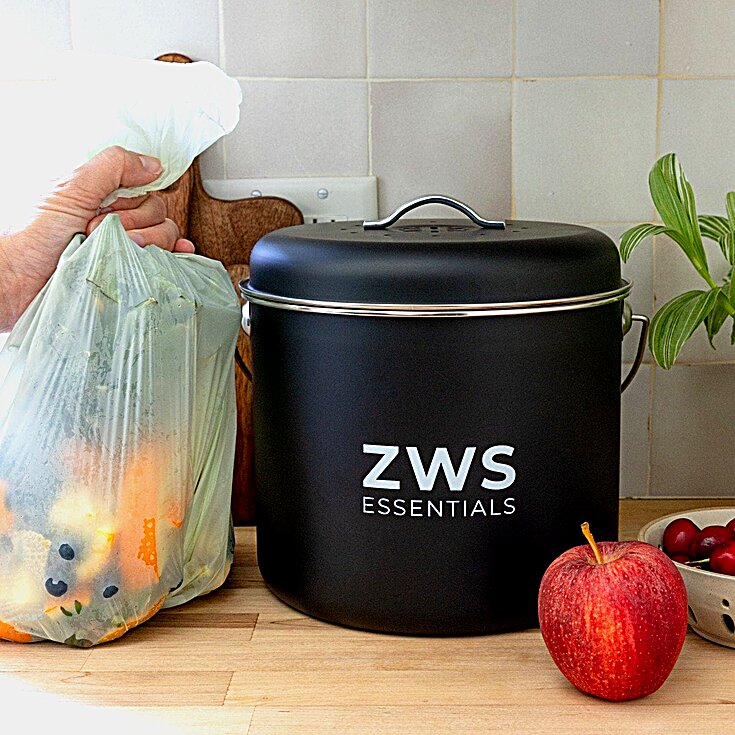
ZWS Essentials Countertop Compost Bin Kit, Stainless
Stainless countertop bin with charcoal filters plus 48 compost bags in one kit. The metal bin is the plastic-free part; the included bags are certified-claimed plant resin, the usual asterisk with liners. Hand wash the bin.
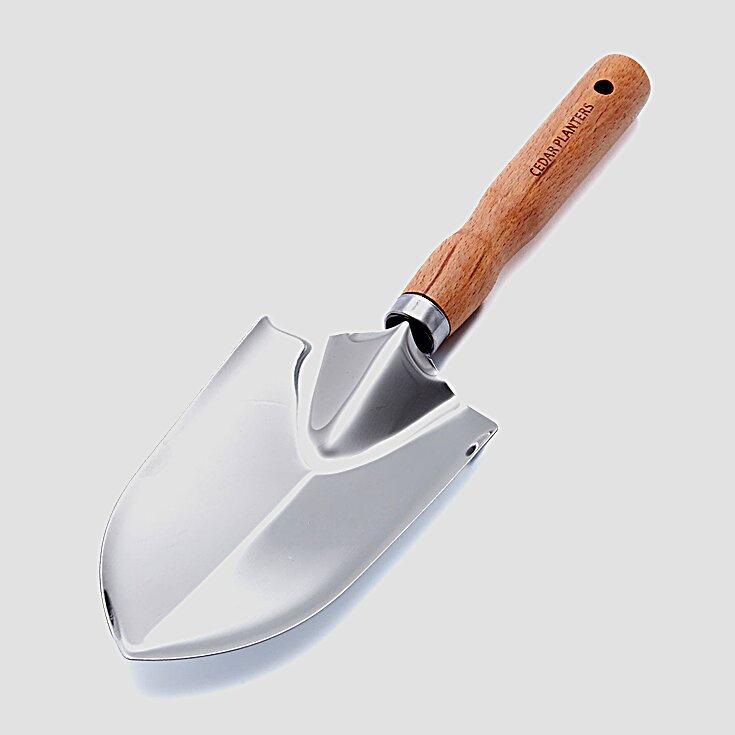
Cedar Planters Garden Trowel
A steel hand trowel from a small planter company that tells you almost nothing else: the handle is described only by its color. Scored on the disclosure gate. Look for tools whose maker states solid hardwood or full-tang steel outright.
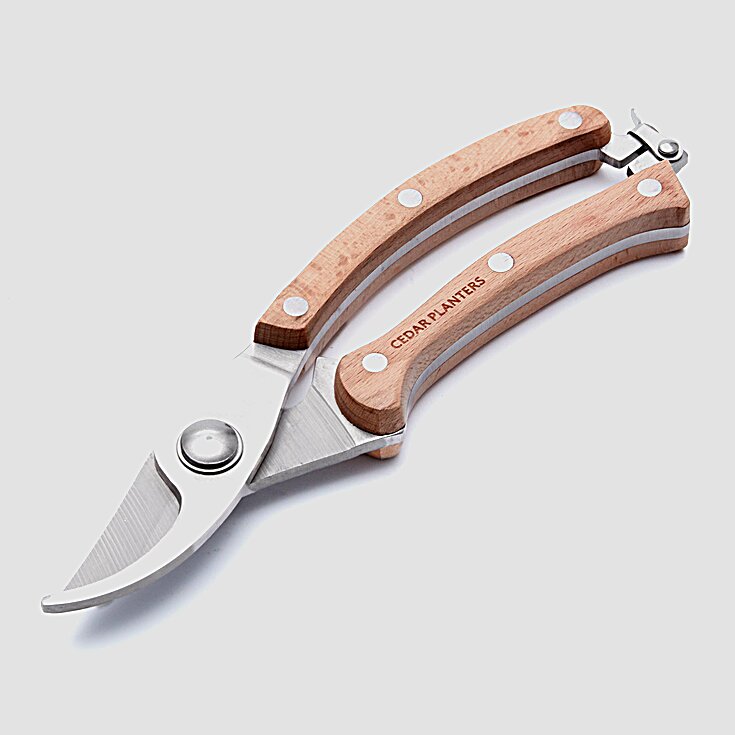
Cedar Planters Garden Hand Clippers
Steel hand clippers with a disclosure so thin the handle is described only by its color, and the spring, lock, and grip are never named. Mid band on the gate. Look for pruners whose maker discloses every part, metal and handle alike.

Blaynk Organic Cotton Sateen Sheet Set, Undyed, 300 TC
Undyed 100% organic cotton sateen with honest factory-level certification claims. The single undisclosed part, the fitted sheet elastic, is why a pure cotton set sits at 2 instead of 1.
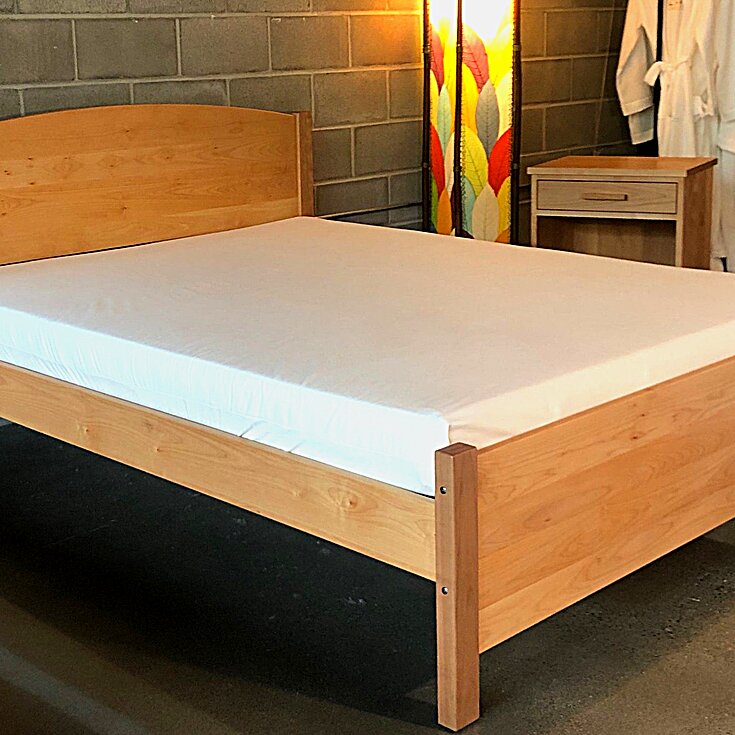
Holy Lamb Organics Natural Wool and Latex Mattress, 6.5 in
Dunlop latex core, western US wool, and organic cotton canvas with a wool-only fire barrier and no polyfoam anywhere. Two honest asterisks: it ships wrapped in upcycled plastic, and the wool is eco, not certified organic. Made to order in Oakville, WA.
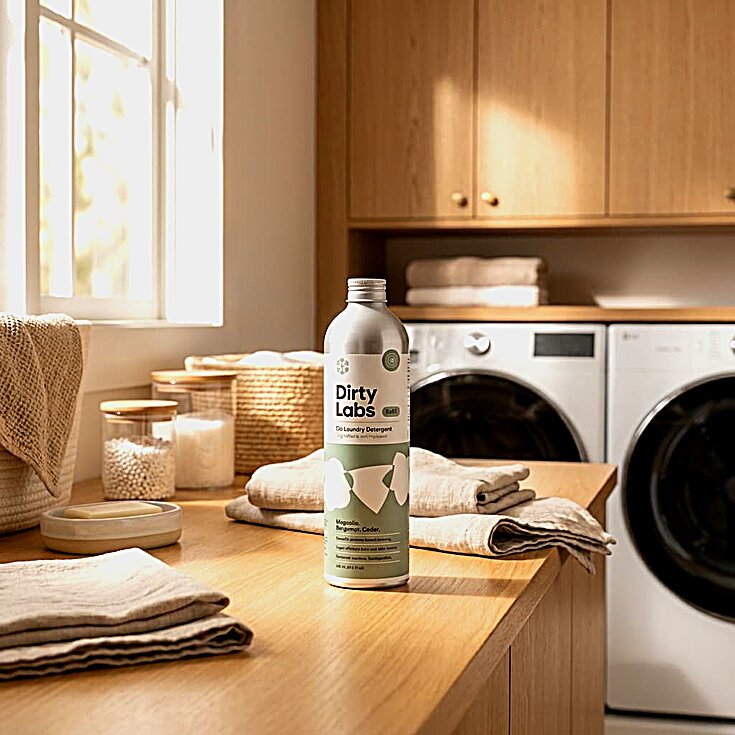
Dirty Labs Bio Laundry Detergent Concentrate
A hyper-concentrated enzyme detergent in a recyclable aluminum bottle, no plastic jug. EWG Verified, EPA Safer Choice, and USDA Certified Biobased, with a full CAS-level formula.
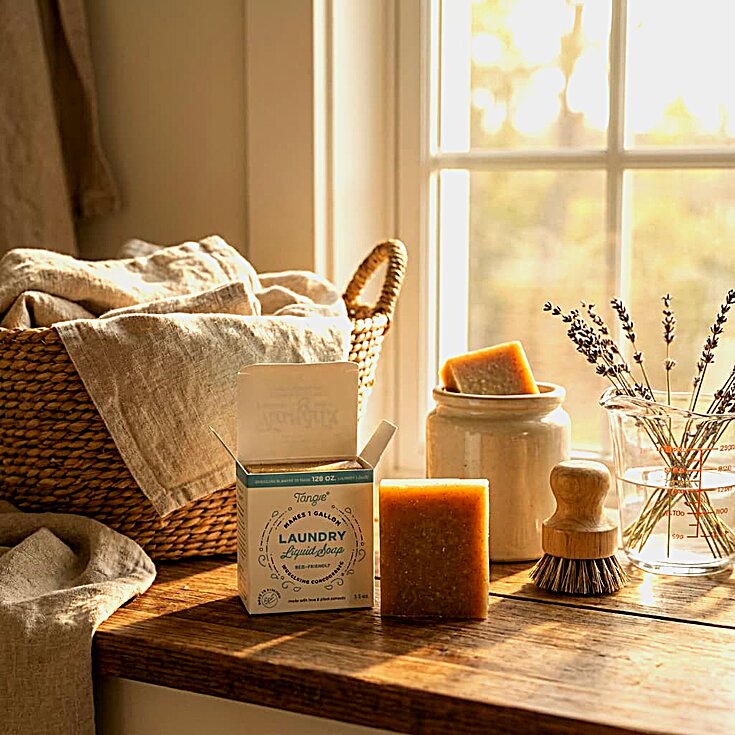
Tangie Zero-Waste Laundry Bar
A concentrated plant-based laundry soap bar in plastic-free paper packaging, no PVA and no synthetic surfactants. One bar makes about a gallon of liquid detergent.
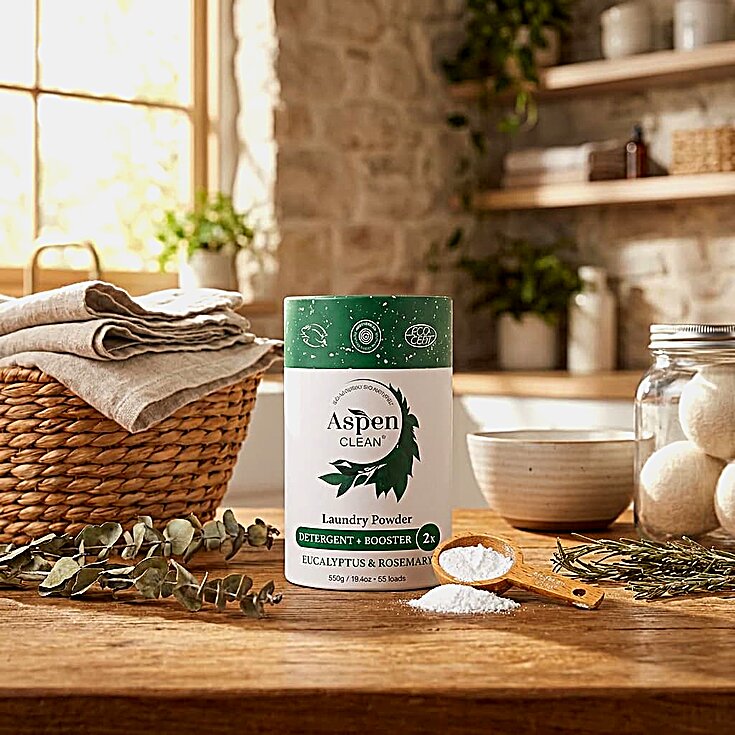
AspenClean Laundry Powder & Booster
A plastic-free laundry powder in a compostable container, EWG Verified and EcoCert, scented only with essential oils. Every ingredient is on the label.
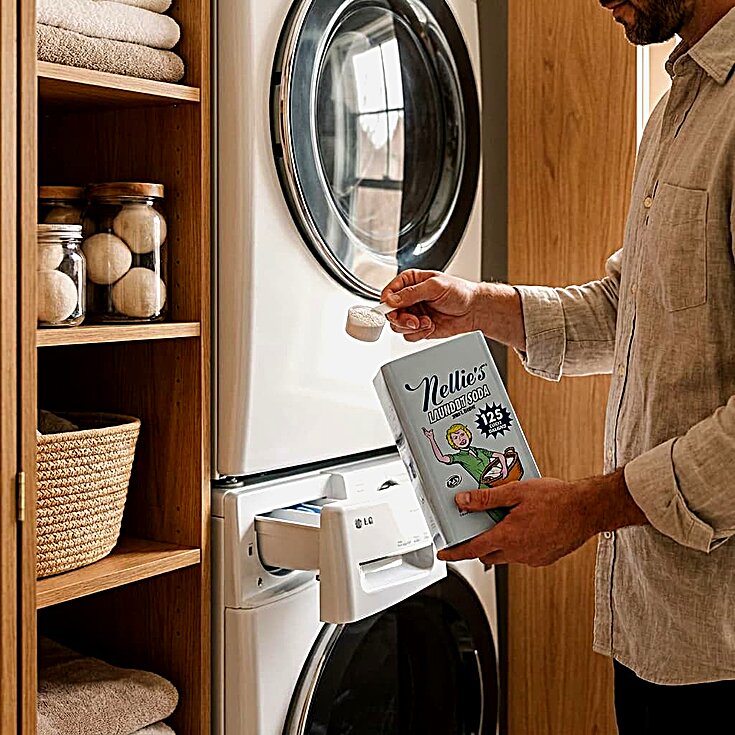
Nellie's Laundry Soda
A concentrated four-ingredient mineral powder in a recyclable metal tin. Fragrance-free, though its surfactant carries a trace 1,4-dioxane caveat, the tin includes a plastic scoop, and refill pouches are plastic.
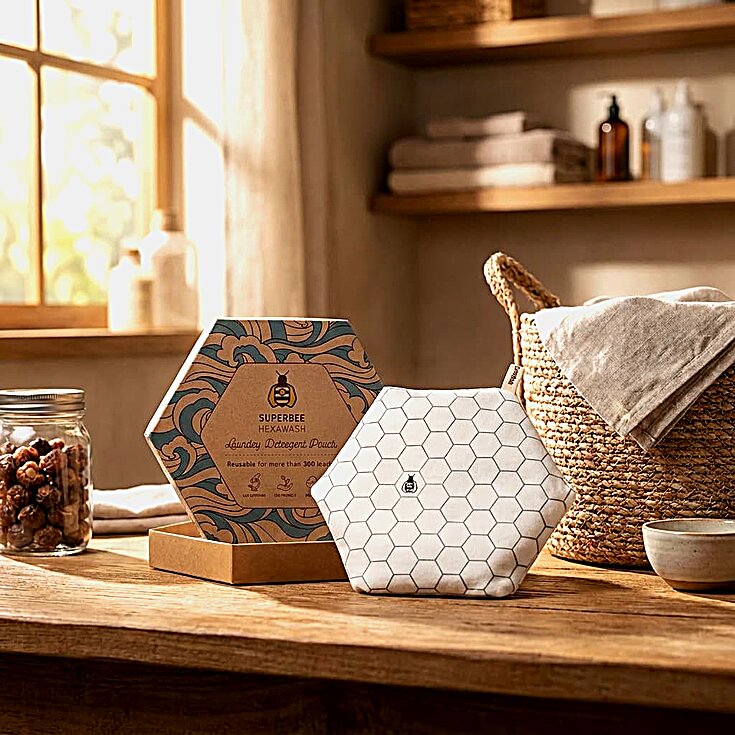
SuperBee Hexawash Magnesium Laundry Alternative
A reusable organic-cotton pouch of magnesium pellets that replaces detergent for 300-plus washes. Plastic-free and detergent-free; magnesium-only cleaning is a debated method and works best on lightly soiled loads.
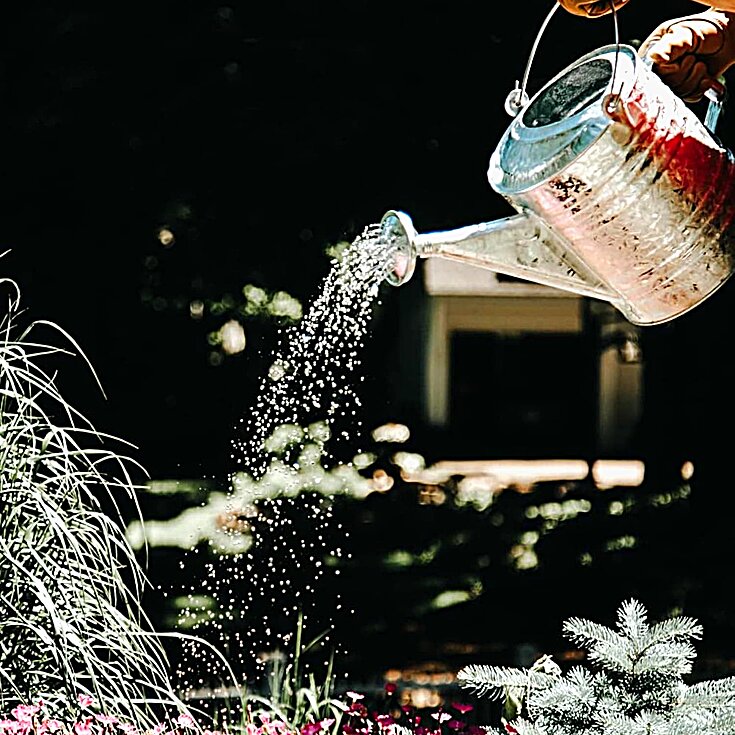
Behrens Steel Watering Can
Hot dipped galvanized steel can with zero plastic parts; buy once, recycle the steel decades later.
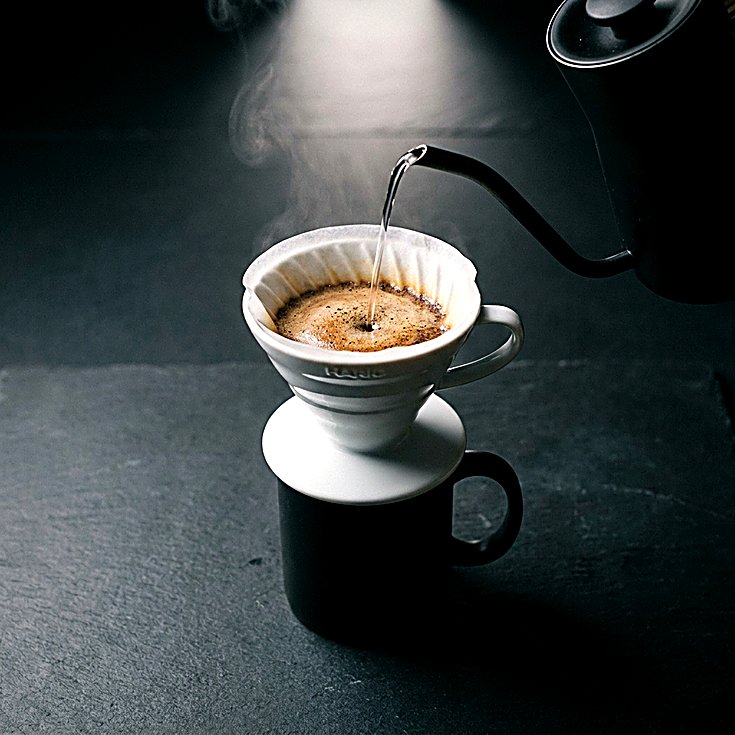
Hario V60 Ceramic Coffee Dripper, Size 02, Arita Porcelain
A single piece of handmade Arita porcelain; hot water touches only glazed ceramic and a paper filter. Hario states the material plainly: dripper, porcelain, made in Japan.
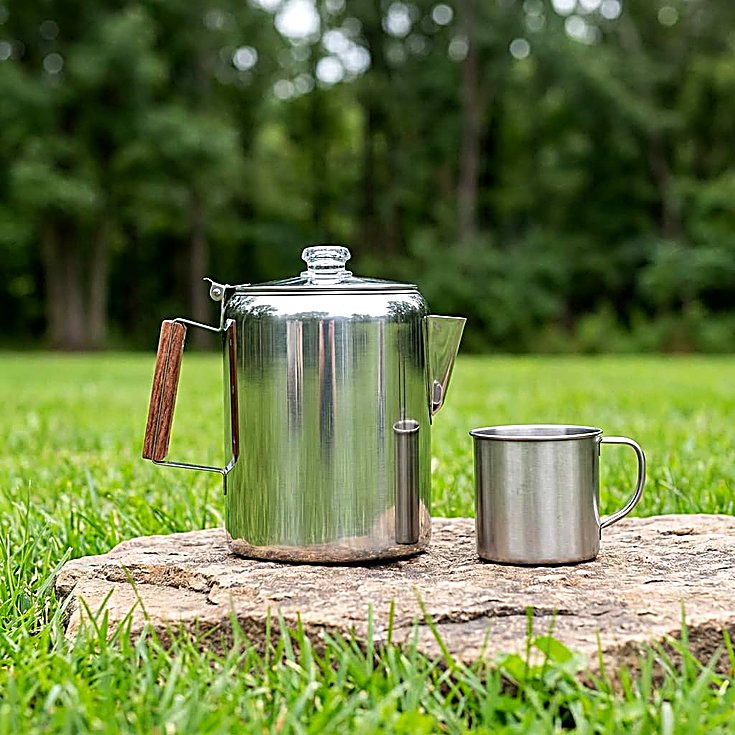
COLETTI Bozeman Stainless Steel Percolator, 9 Cup
1mm thick 18/8 stainless steel with a rosewood handle and annealed glass sight knob. COLETTI states there is no plastic and no aluminum in any component that contacts the coffee.
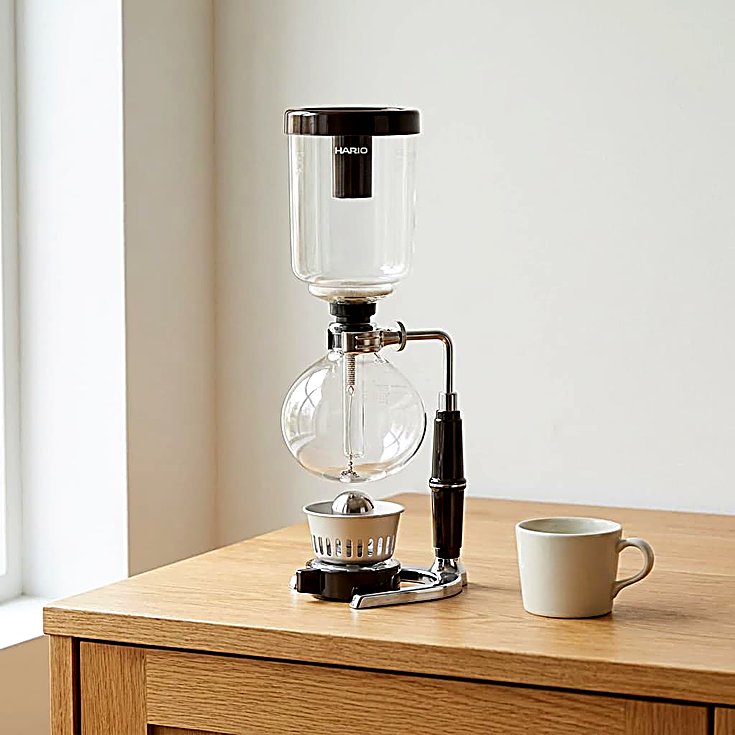
Hario Technica Coffee Syphon, Made in Japan
Vacuum brewing in borosilicate glass through a cloth dressed steel filter. One silicone rubber gasket sits in the brew path, and Hario publishes the material of every single part.
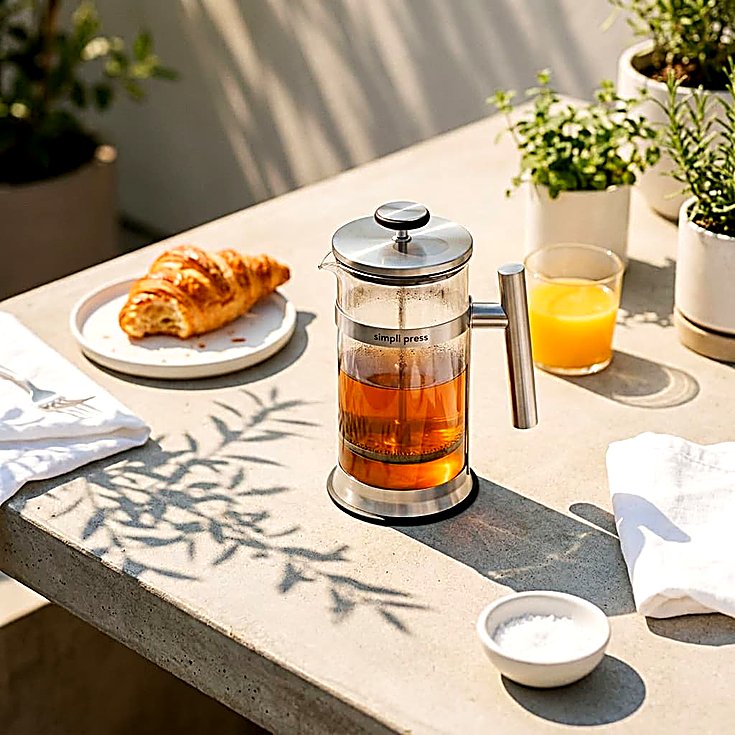
Simpli Press French Press, Borosilicate Glass and Stainless Steel
A patented press with a lift out steel coffee basket in glass, steel, and silicone; the brand states No Plastics. The silicone wiper seal rides the hot brew path, which is the honest asterisk.
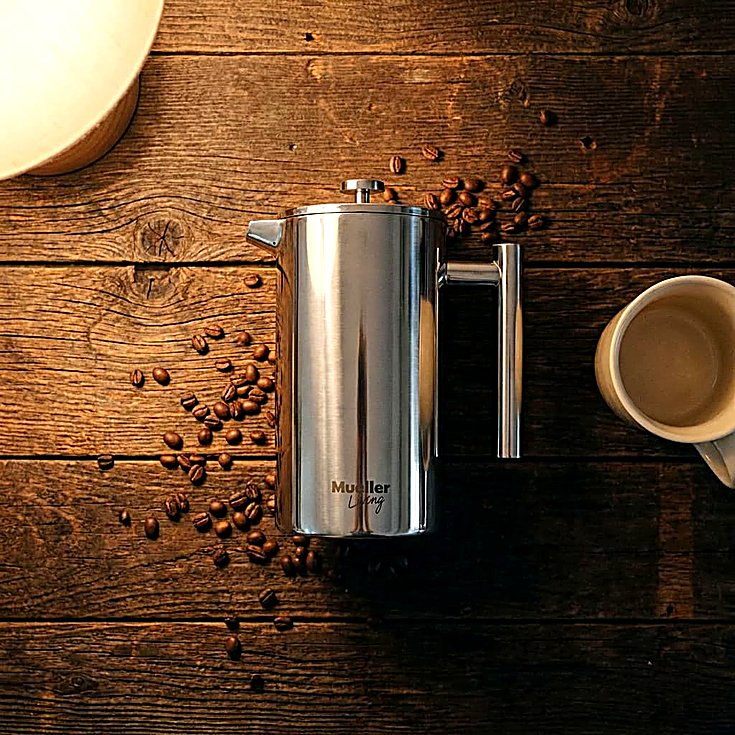
MuellerLiving French Press, Double Wall Stainless Steel
Double wall stainless steel with a four part steel filter stack and no glass to break. The lid, knob, and seal materials are not disclosed by the brand, which caps our confidence.
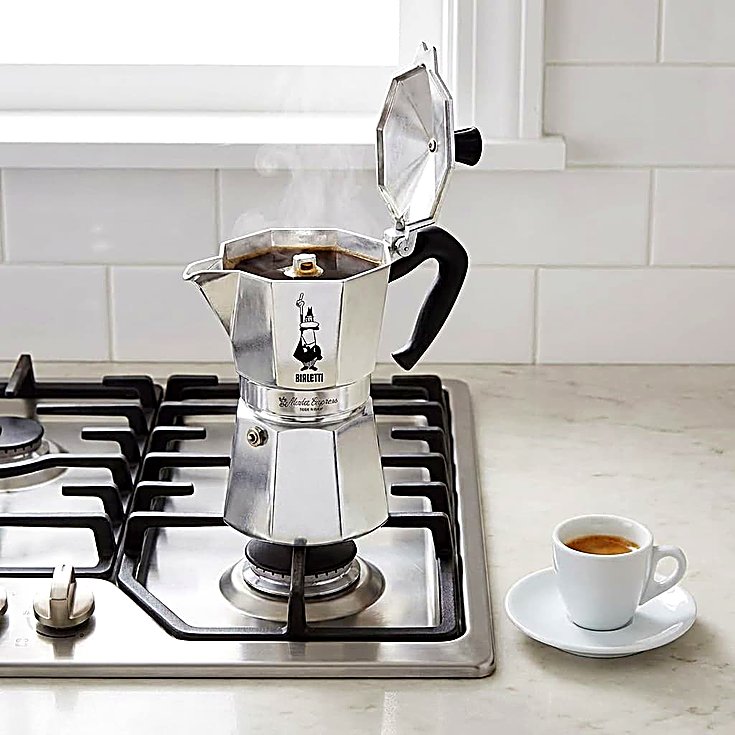
Bialetti Moka Express Stovetop Espresso Maker, Made in Italy
The 1933 original, still made in Italy in 100% recyclable aluminum with official spare gaskets and filters. Thermoplastic handle and knob and a natural rubber gasket keep it low plastic rather than plastic free.
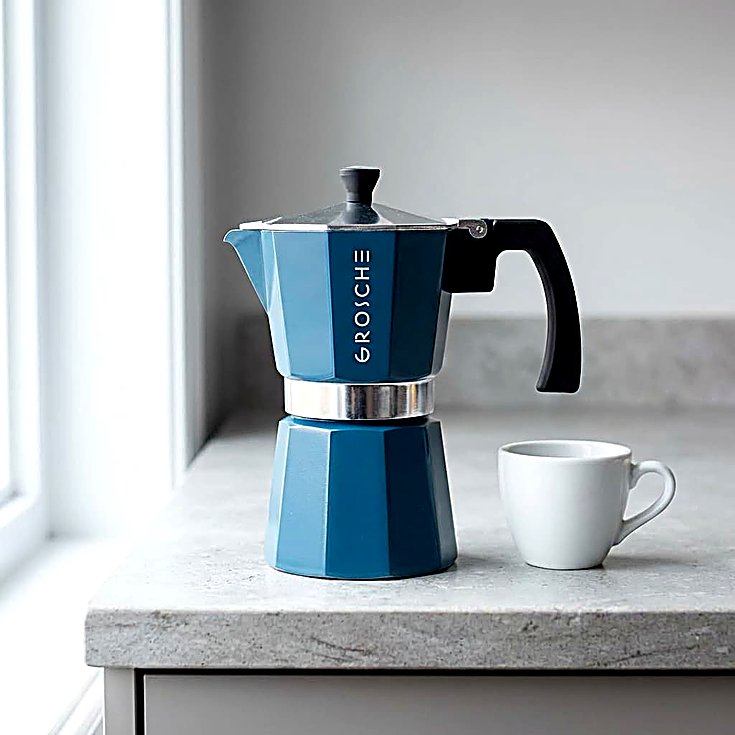
GROSCHE Milano Stovetop Espresso Maker (Moka Pot)
A food safe aluminum moka pot from a certified B Corporation whose sales fund safe drinking water. The soft touch handle is an undisclosed plastic; replacement gaskets are heatproof silicone.
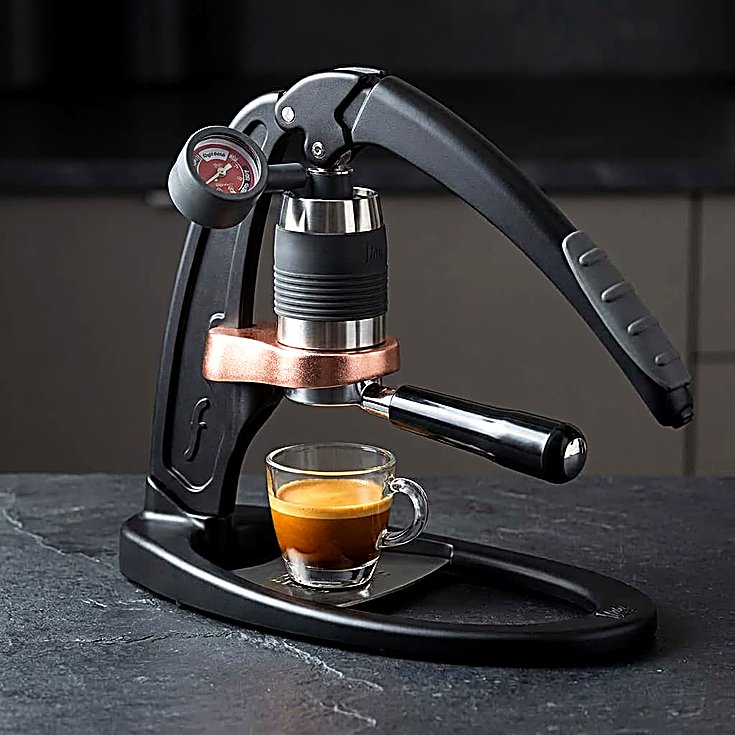
Flair PRO 3 Manual Lever Espresso Maker
Real 6 to 9 bar espresso pressed by hand with a stainless steel cylinder, plunger, and portafilter, no electricity. The piston O ring material is the one thing Flair does not name.
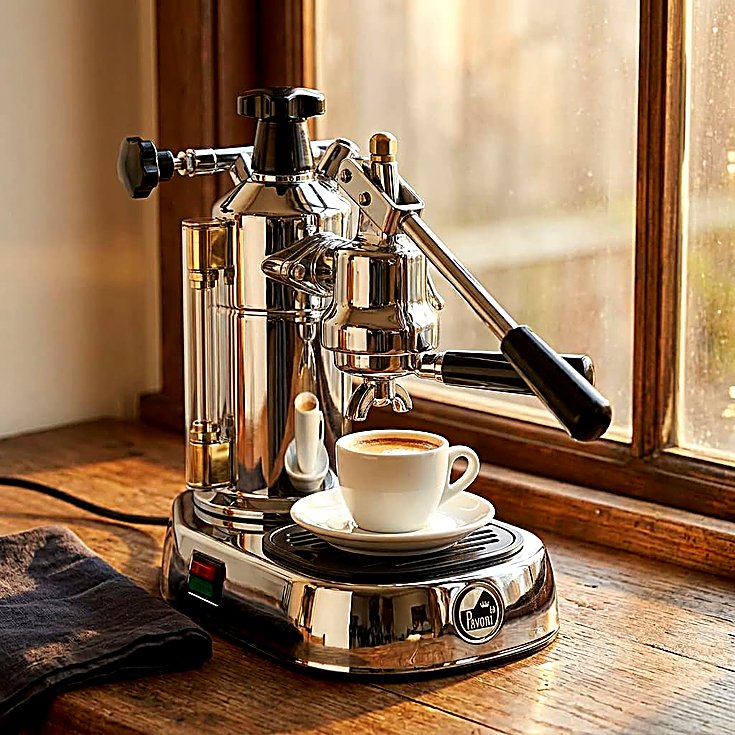
La Pavoni Europiccola Lever Espresso Machine
Hand built in Milan since 1961 in chromed brass and steel, repairable for decades. Bakelite handles, an ABS drip tray, and rubber group seals are the disclosed plastic and elastomer parts.
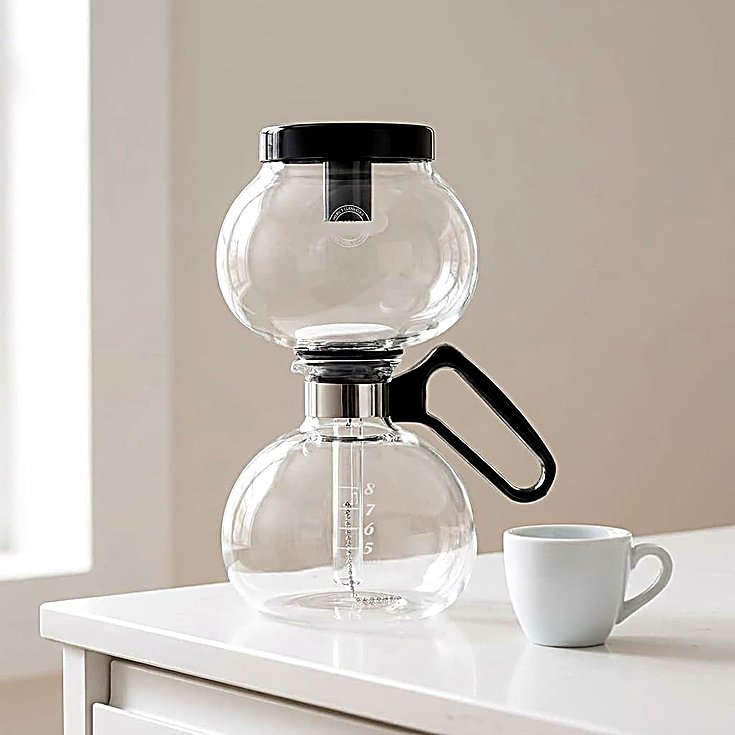
Yama Glass Stovetop Coffee Siphon
Hand blown Taiwanese borosilicate chambers with a reusable cloth filter. The gasket in the brew path has no published material and the US page carries a lead notice, so see the Hario Technica for the documented version.
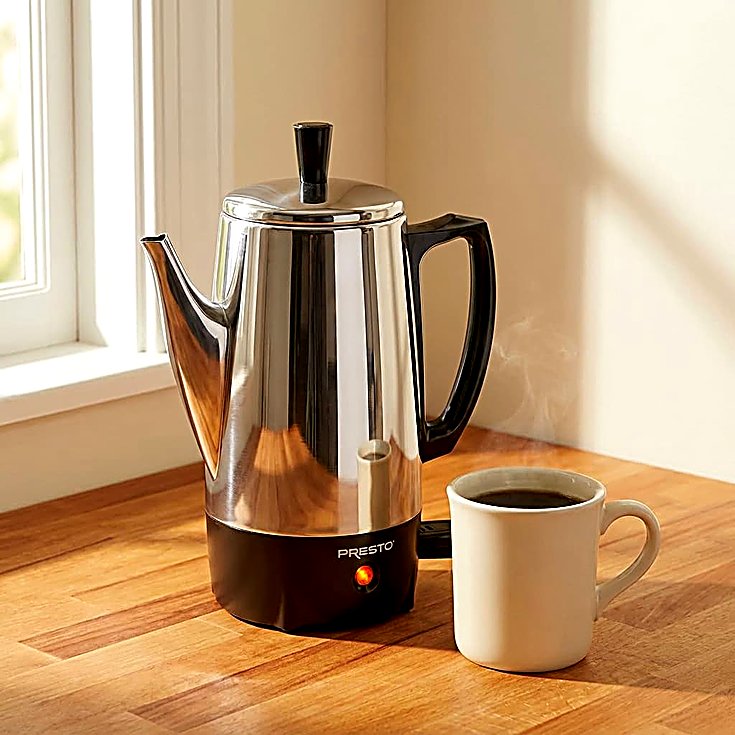
Presto 02811 12-Cup Stainless Steel Electric Percolator
Hands off 12 cup brewing in a stainless body, basket, and perk tube per Presto. Handle, knob, base, and the washer in the water path have no stated materials; the stovetop COLETTI is the disclosed steel swap.
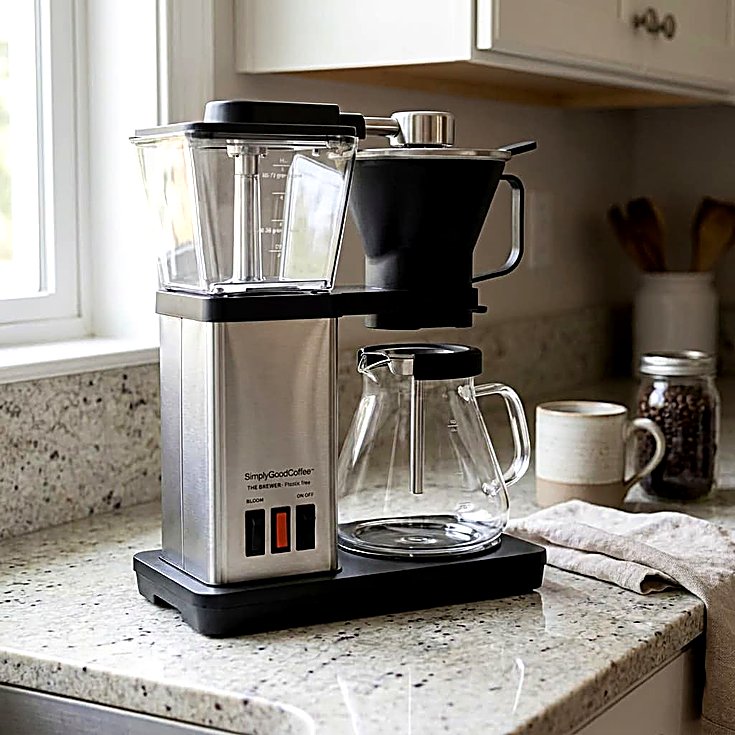
Simply Good Coffee Brewer, Plastic-Free Brew Path Drip Machine
The automatic drip machine where water and coffee touch only steel, glass, and medical grade silicone, backed by a published lab report. The outer housing is still plastic, which is what this score reflects.
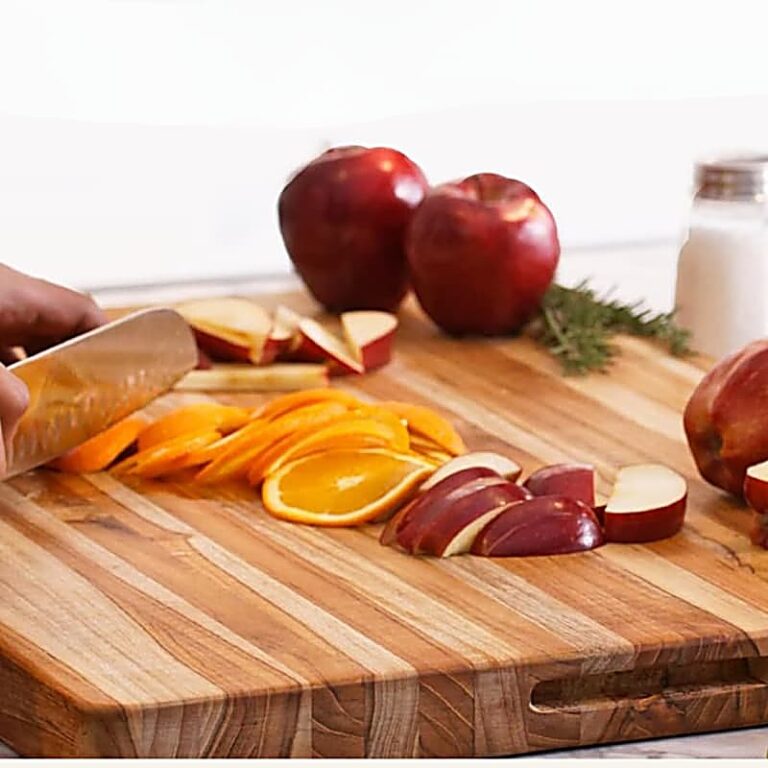
Teakhaus by Proteak Edge-Grain Teak Cutting Board
FSC-certified plantation teak with the adhesive actually disclosed: the brand states it is free of formaldehyde and VOCs, and the board ships pre-finished with mineral oil and beeswax. Teak's own oils resist water without a plastic sealant.
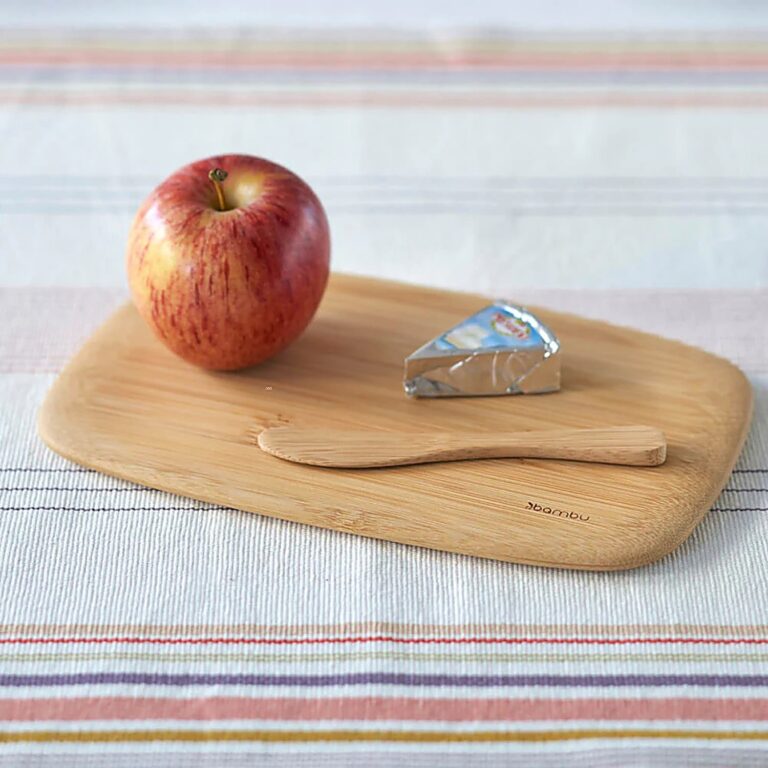
bambu Classic Bamboo Cutting & Serving Board
FSC-certified bamboo from a founding-era B Corp, laminated with a water-based adhesive the brand states is formaldehyde-free and finished with food-safe oil. The disclosure a bamboo board should ship with.
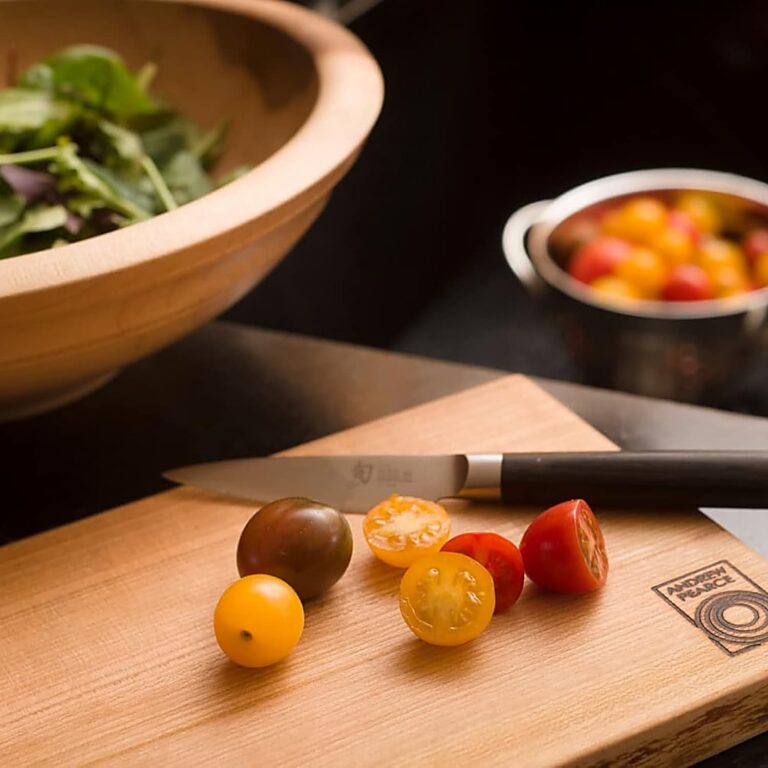
Andrew Pearce Single Live Edge Cutting Board, Cherry or Walnut
Cut from a single piece of cherry or walnut, so there is no glue in it at all, and finished with food-safe walnut oil. Handmade in Vermont. The cleanest construction on this list.
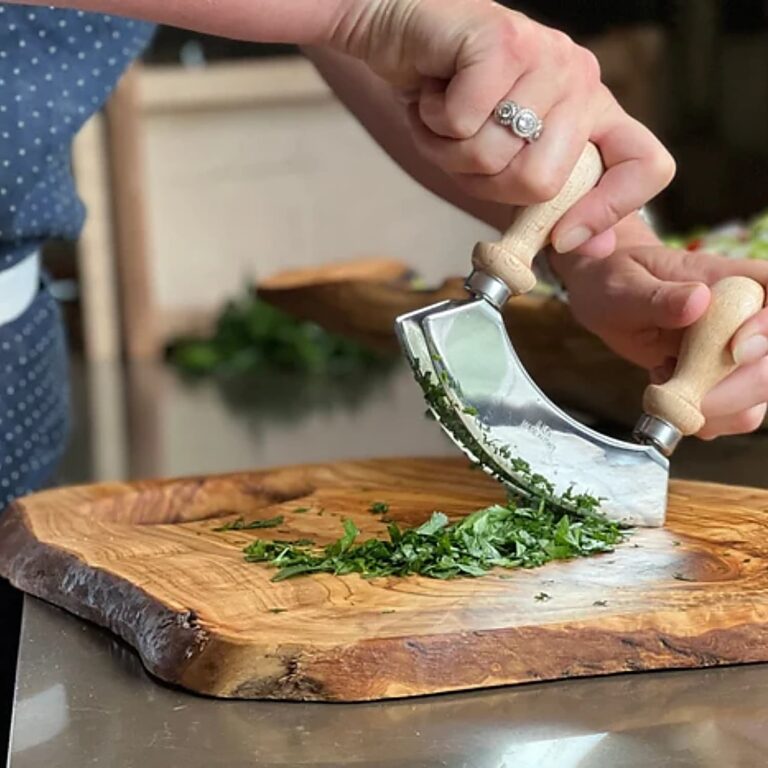
Verve Culture Italian Olivewood Cutting & Charcuterie Board
A solid Italian olivewood board, artisan-made in Umbria by a women-owned brand. It ships unfinished so you season it with oil yourself, and nothing plastic touches the wood.
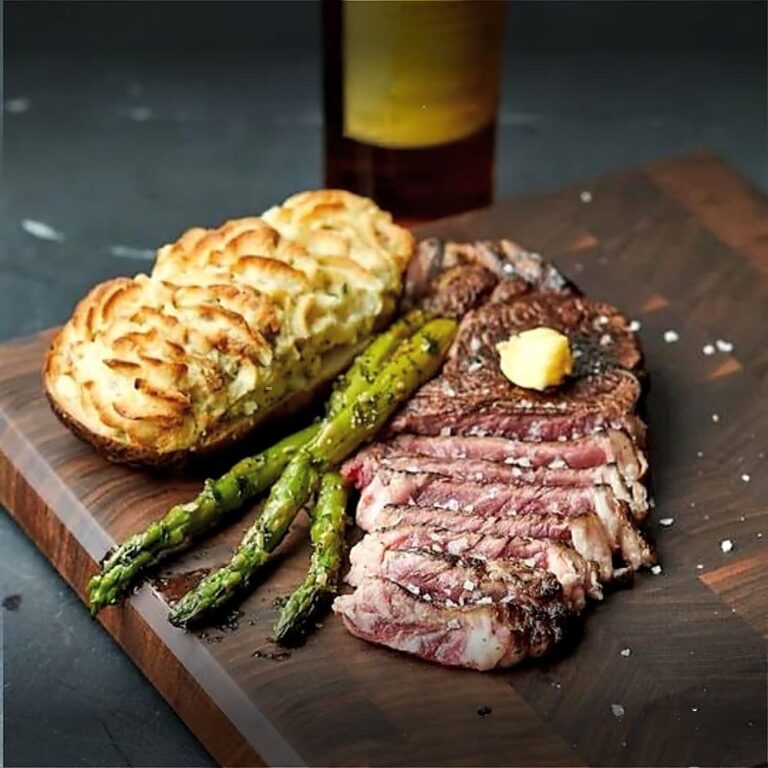
The BoardSmith Maple End-Grain Cutting Board
A hand-built end-grain hard maple board from a small US shop that is unusually open about its glue, describing it as FDA-approved for indirect food contact, and finishes every board by hand with oil and board butter.
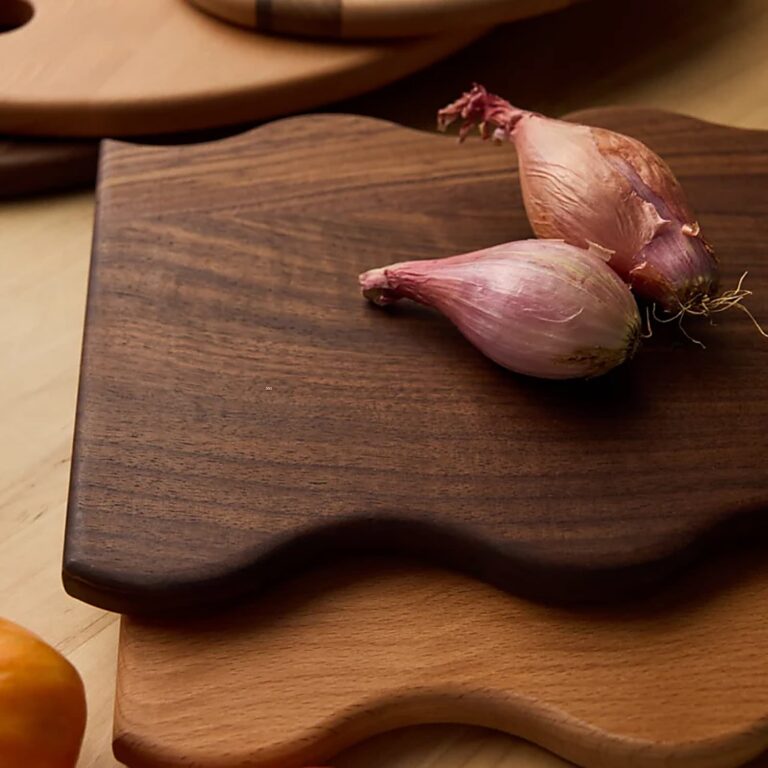
Avocado Zero Waste Cutting Board
Made from upcycled hardwood offcuts in Avocado's own Los Angeles woodshop and finished with linseed oil and beeswax. From a rare triple-certified company: B Corp, Climate Neutral, and 1% for the Planet.
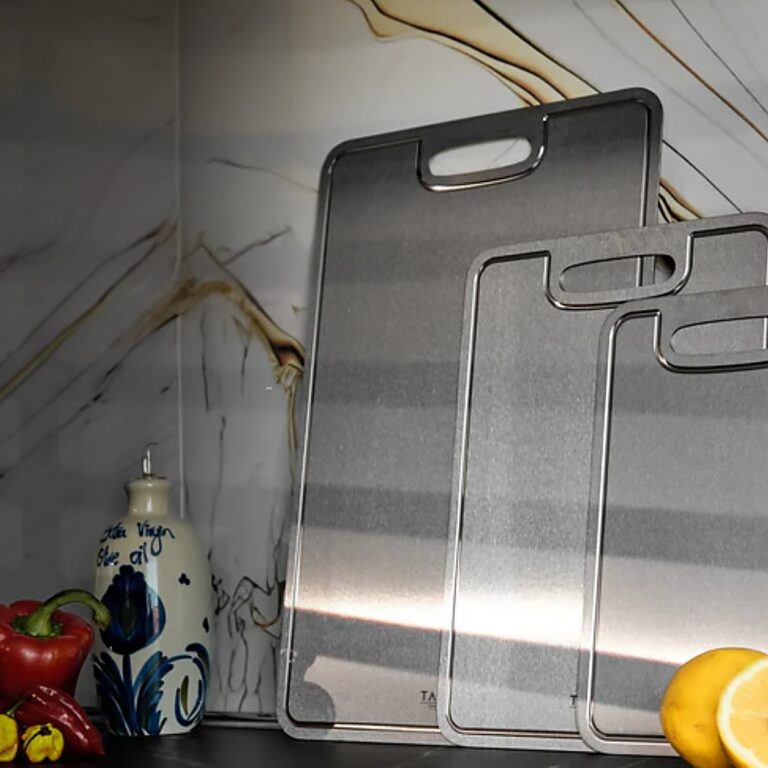
Taima Pure Titanium Cutting Board V2
A solid Grade 1 titanium board that leaches nothing and sheds nothing, with no glue or finish at all. The most inert material here, held at limited confidence because the brand's certification and a marketed surface treatment are thinly explained.
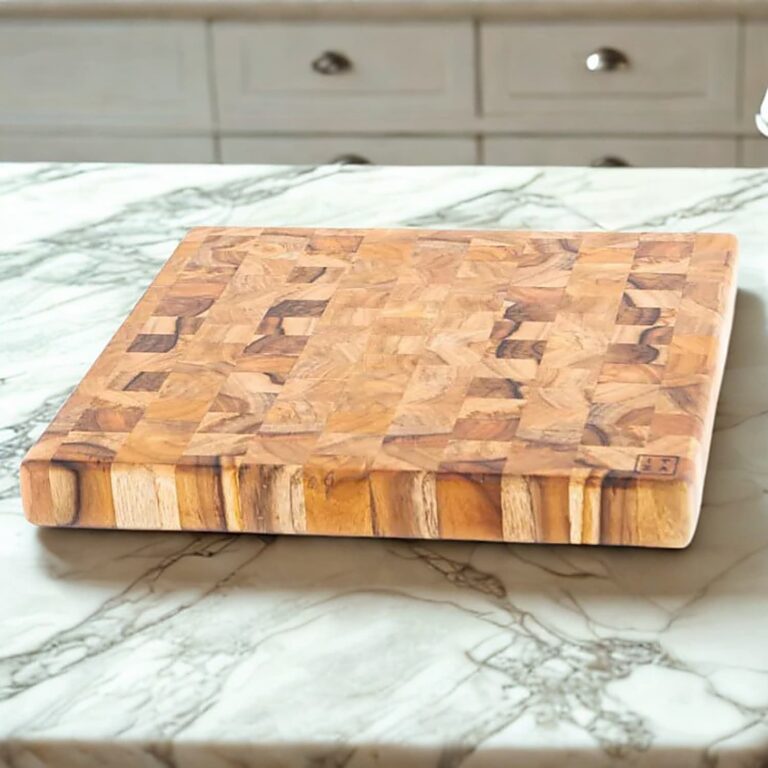
Itza Wood Butcher Block Cutting Board
A solid teak or jobillo butcher block handmade by a Guatemalan social enterprise that reforests as it harvests. The wood and mission are clear, though the brand does not disclose the glue or finish.
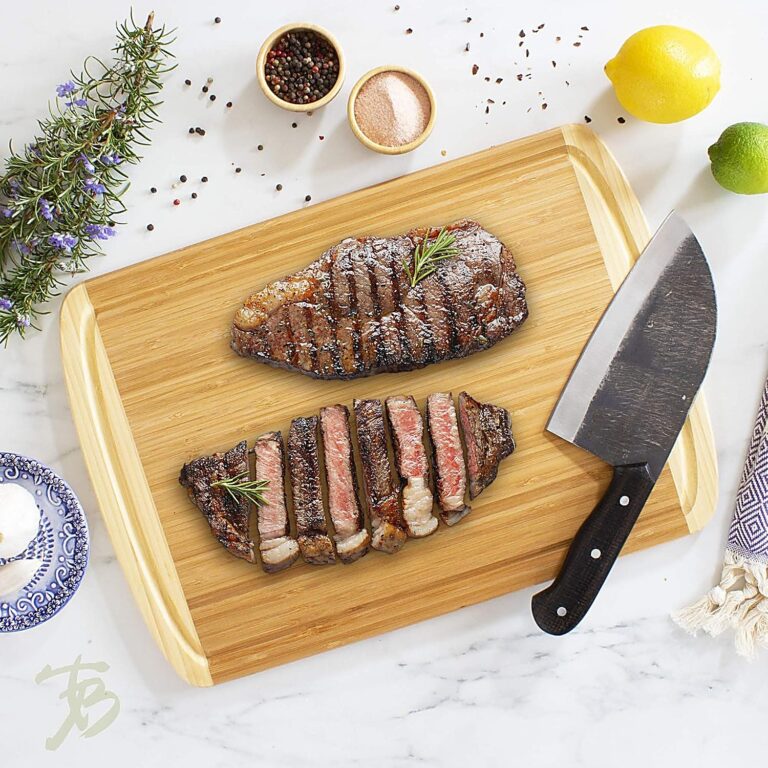
Totally Bamboo Kona Groove Bamboo Carving Board
A big Moso bamboo carving board with a wide juice groove, finished in mineral oil. Affordable and low-plastic, though the brand calls its glue food-safe without confirming it is formaldehyde-free.
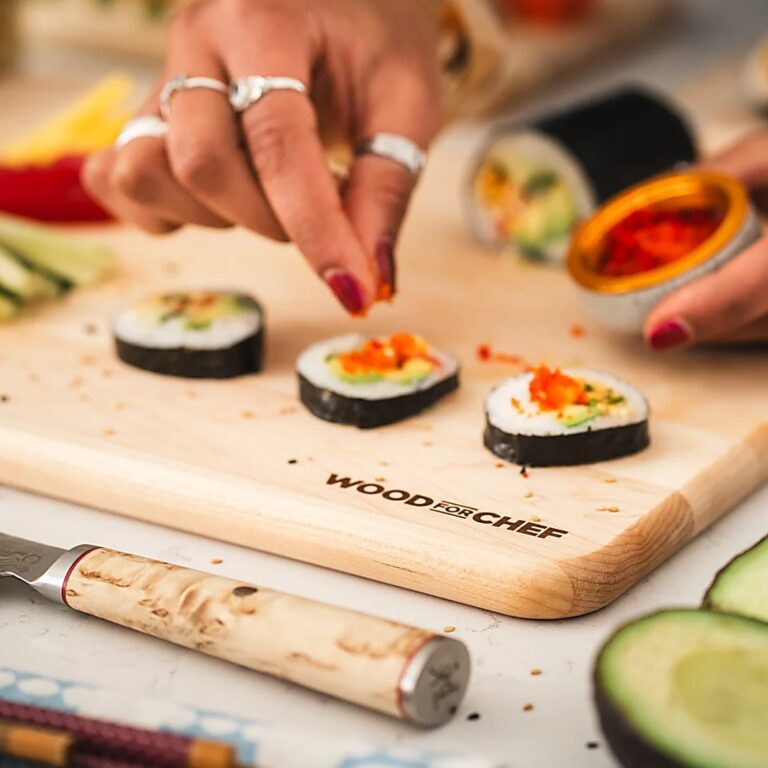
WoodForChef Mizu Minimalist Maple Cutting Board
A minimalist Canadian maple board, pre-seasoned with mineral oil and beeswax. Low-plastic wood, though the brand's FSC claim has no published license and the glue is not named.
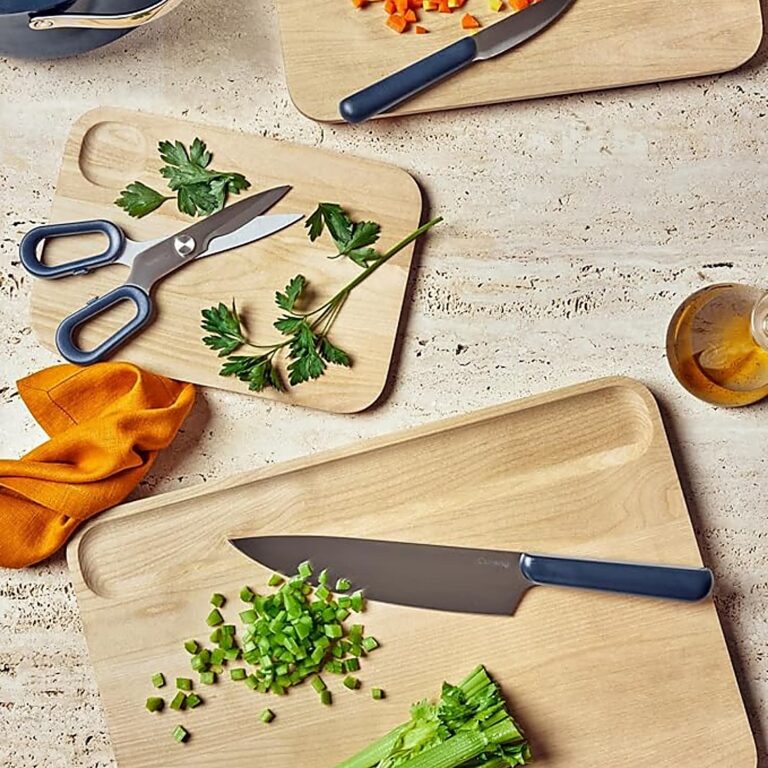
Caraway 4-Piece Cutting Board Set
A four-piece birch board set the brand says is FSC-certified and made without plastics or forever chemicals, finished with oil and wax. Open questions: the unnamed glue and the storage holder's undisclosed material.
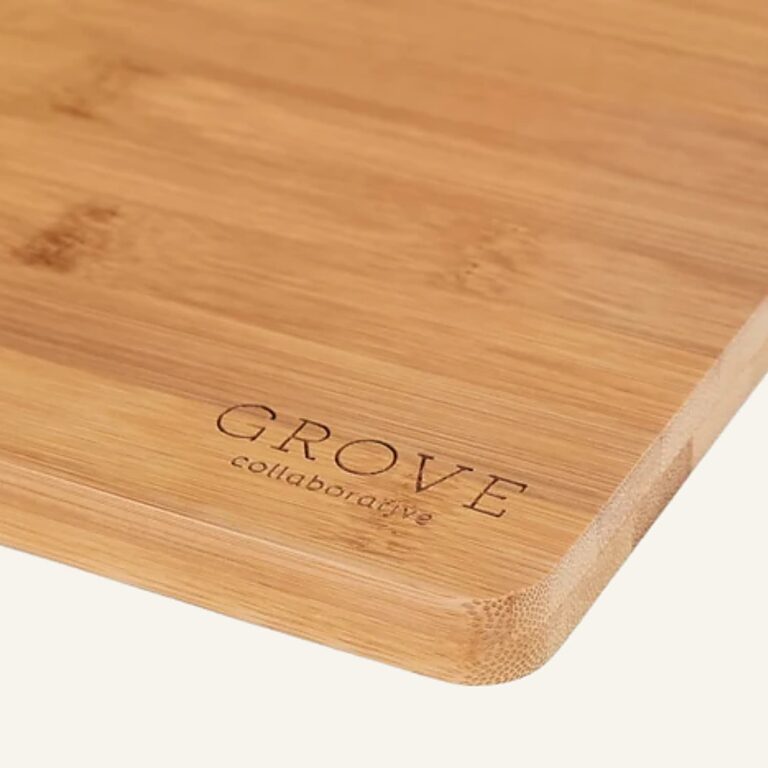
Grove Co. Bamboo Prep Board
A budget 100% bamboo prep board from a B Corp, but Grove does not disclose the glue or the finish. That gap holds it at 3, so we point you to a better-documented bamboo board.
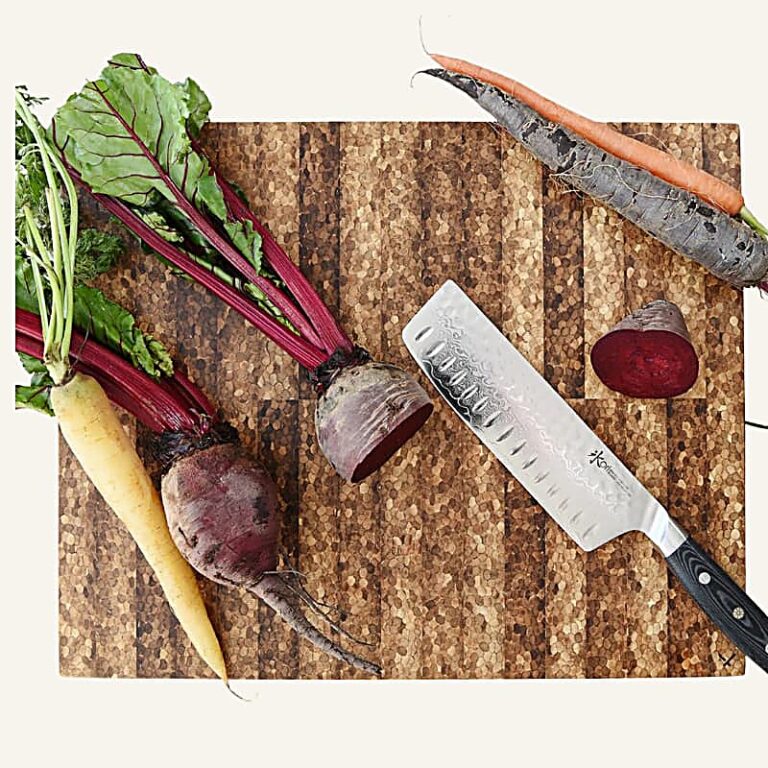
ChopValue Cutting Board, Recycled Chopsticks
A clever board made from recycled chopsticks, but the binder is a water-based acrylic resin, a synthetic polymer, so it is not plastic-free and can shed composite particles as you cut. Scored for awareness; see a solid-wood swap.
We're still scoring this category.
This directory is new and growing. New products are added and scored every week, so check back soon.