
Key Takeaways
- Sweater upcycling is one of the easiest ways to reduce clothing waste while refreshing your wardrobe.
- No-sew sweater upcycles rely on simple techniques like cutting, knotting, belting, and fabric glue instead of sewing.
- Changing the shape of an existing sweater helps keep wearable clothes out of landfills and extends their life.
That slightly stretched sweater sitting in the back of your closet is more useful than it looks. Even when the fit or style feels off or dated, the fabric itself is often still in good condition. Upcycling gives those pieces a second life instead of sending them to the donation pile or, worse, the landfill.
Sweaters are especially well-suited for upcycling because knit fabric naturally drapes, hides minor flaws, and already feels finished. Simple changes like adjusting the length, reshaping the neckline, or reworking the overall silhouette can completely transform how a sweater looks and feels, often with just basic sewing or straightforward techniques.
This list focuses on practical sweater upcycles designed to reduce clothing waste while helping you create pieces you will actually use or wear again. The ideas range from simple alterations to small sewing projects, all intended to work with sweaters you already own or can find secondhand, making sustainable fashion feel realistic rather than overwhelming.
What Is Upcycling Clothes and Why Sweaters Are Ideal for It
Upcycling clothes means transforming items you already own into something more useful, wearable, or stylish instead of throwing them away. Unlike recycling, which breaks down materials, upcycling keeps the original fabric in use and extends the life of the garment with minimal additional resources.
Sweaters are exceptionally well-suited for upcycling because knit fabric is forgiving. It stretches, drapes, and conceals minor imperfections such as worn cuffs, stretched hems, or minor stains. This makes it possible to change a sweater’s shape or style with simple adjustments and still achieve a polished result.
From a waste-reduction perspective, upcycling sweaters helps tackle one of the most significant issues in sustainable fashion: wearable clothing being discarded due to fit, trend cycles, or minor flaws. By reshaping what you already have or buying secondhand sweaters to transform, you reduce demand for new clothing, keep textiles out of landfills, and get more value from materials that already exist.
What You’ll Need for Sweater Upcycling
One of the reasons sweater upcycling works so well for beginners is that you do not need a full sewing setup or special tools. Most of these projects can be done with items you already have at home.
Basic tools
- Sharp fabric scissors
- Measuring tape or ruler
- Mirror for fit checks
Helpful extras (optional, not required)
- Safety pins or fashion pins
- Fabric glue
- Sewing machine or needle and thread
- A belt or sash
- Iron or handheld steamer
Best sweaters to start with
- Oversized or boxy sweaters
- Chunky knits or ribbed styles
- Sweaters with stretched hems or loose necklines
- Thrifted sweaters made from cotton, wool blends, or acrylic
You do not need to start with a “perfect” sweater. In fact, sweaters that feel outdated, slightly misshapen, or rarely worn are often the best candidates for upcycling and keeping clothing out of the waste stream.
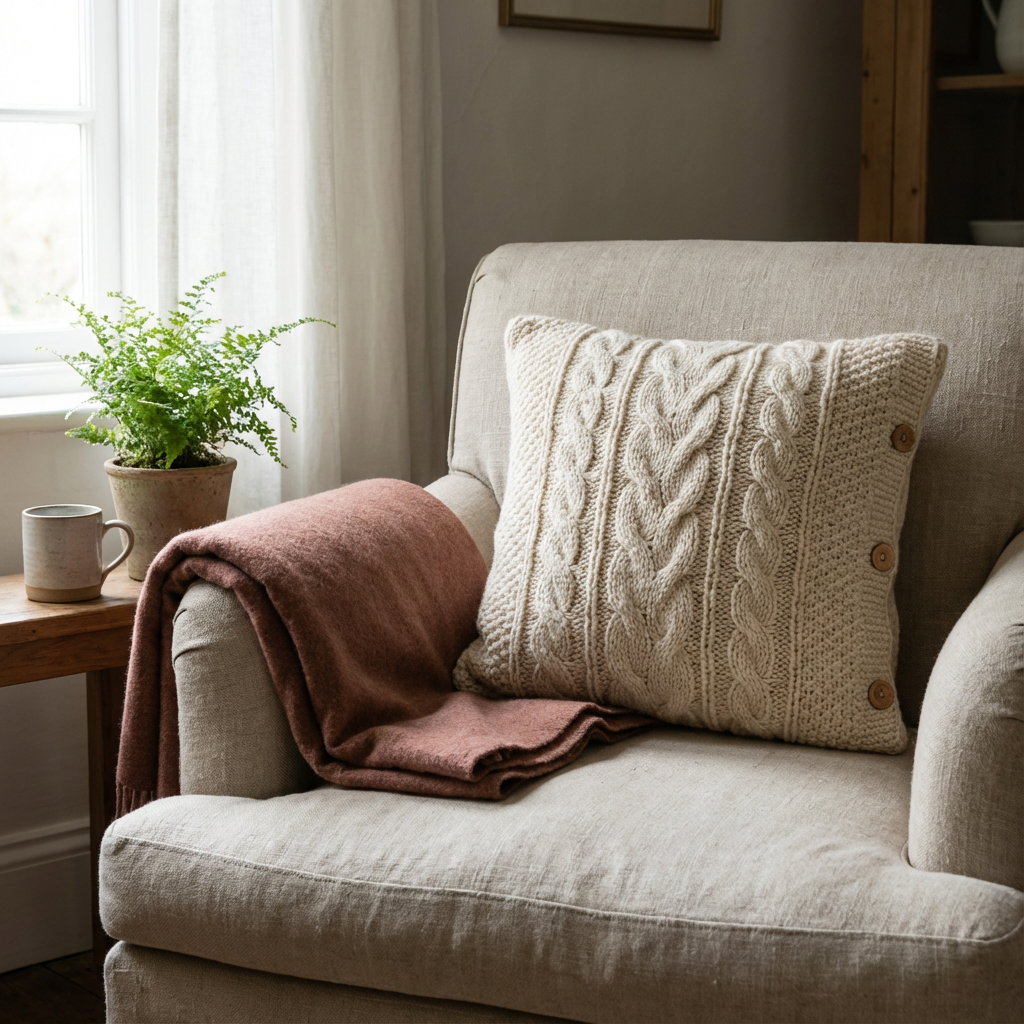
1. Sweater Pillow Cover
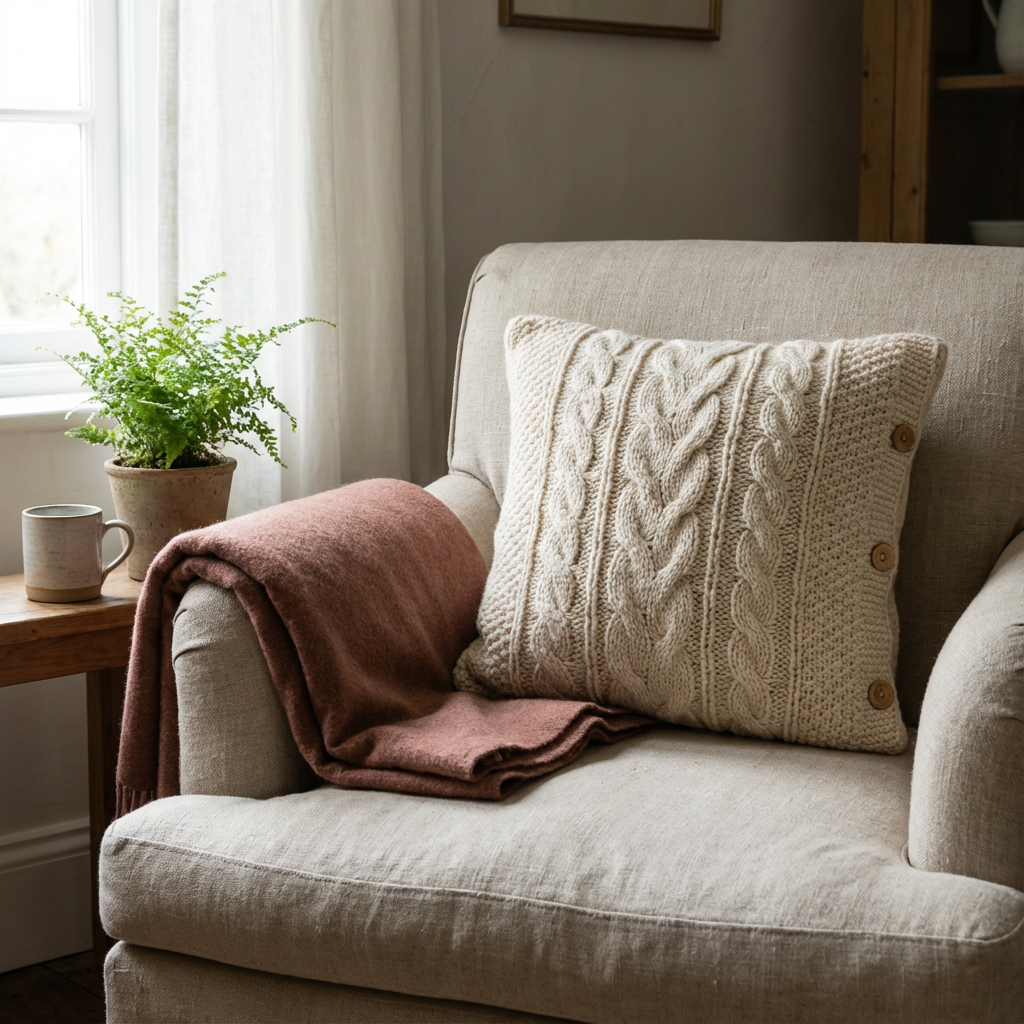
Old sweaters make some of the coziest home textiles, but turning one into a pillow cover does require basic sewing. The payoff is worth it: you get a durable, washable piece that looks intentional and lasts.
This upcycle is ideal for sweaters that are too worn, stained, or misshapen to wear but still have plenty of usable fabric. Instead of discarding the garment, you transform it into a functional home item that adds warmth and texture to your space.
- What it becomes: A sewn knit pillow cover for a couch, chair, or bed.
- Why this reduces waste: Even when sweaters are no longer wearable, the fabric often has years of life left. Repurposing it for home use keeps textile material out of landfills and replaces the need for buying new decor.
How to Create It
- Lay the sweater flat and place a pillow insert on top to determine sizing.
- Cut the sweater slightly larger than the pillow on all sides.
- Turn the fabric inside out and sew three sides closed.
- Insert the pillow and sew the final edge closed, or add an envelope-style overlap if preferred.
Best Sweaters for This Upcycle
- Sweaters with texture, cables, or ribbing
- Thick or chunky knits
- Wool or wool-blend sweaters
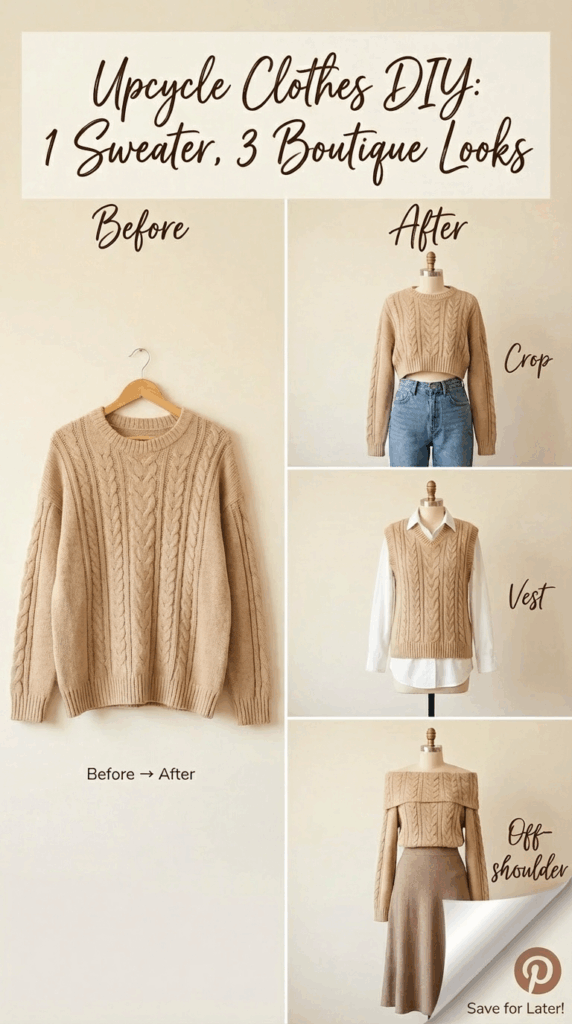
2. Sweater Vest Transformation
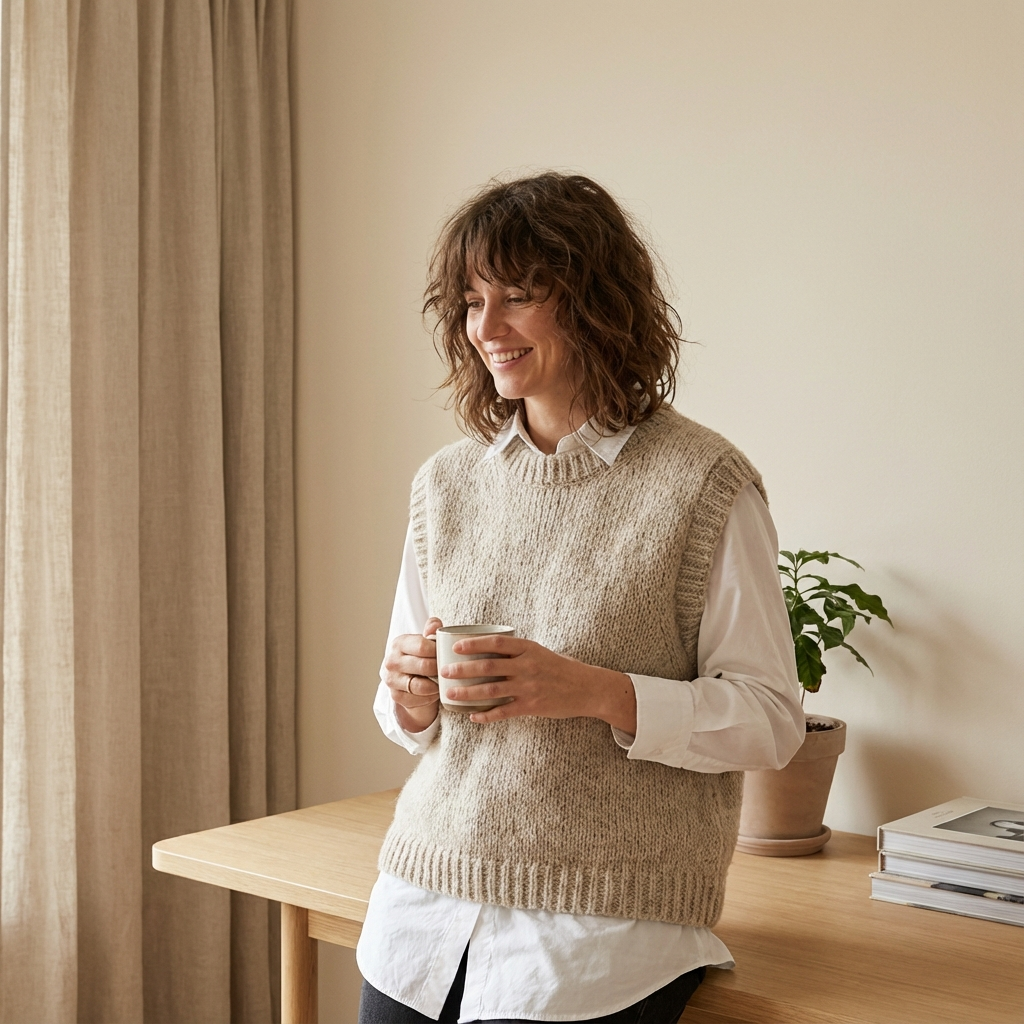
Turning an old sweater into a vest is an easy way to make it feel current and wearable again. Removing the sleeves instantly lightens the look and creates a versatile layering piece that works across seasons.
This upcycle is especially useful for sweaters that feel bulky, tight in the arms, or awkward to style on their own. By converting the sweater into a vest, you keep the cozy knit texture while giving it a cleaner, more intentional shape that feels pulled together instead of dated.
- What it becomes: A sweater vest that layers easily over button-downs, long-sleeve tees, or dresses.
- Why this reduces waste: Sweaters with worn sleeves or uncomfortable fits often get discarded. Removing the sleeves preserves the usable fabric and extends the life of the garment.
How to Create It
- Lay the sweater flat and smooth out the fabric.
- Cut along the arm seams to remove both sleeves.
- Gently stretch the arm openings so the knit relaxes and curls naturally.
- Optional: Use fabric glue to secure any loose threads if needed.
Best Sweaters for This Upcycle
- Chunky or mid-weight knits
- Oversized sweaters
- Sweaters with tight, worn, or stretched sleeves
3.Pet Sweater Blanket
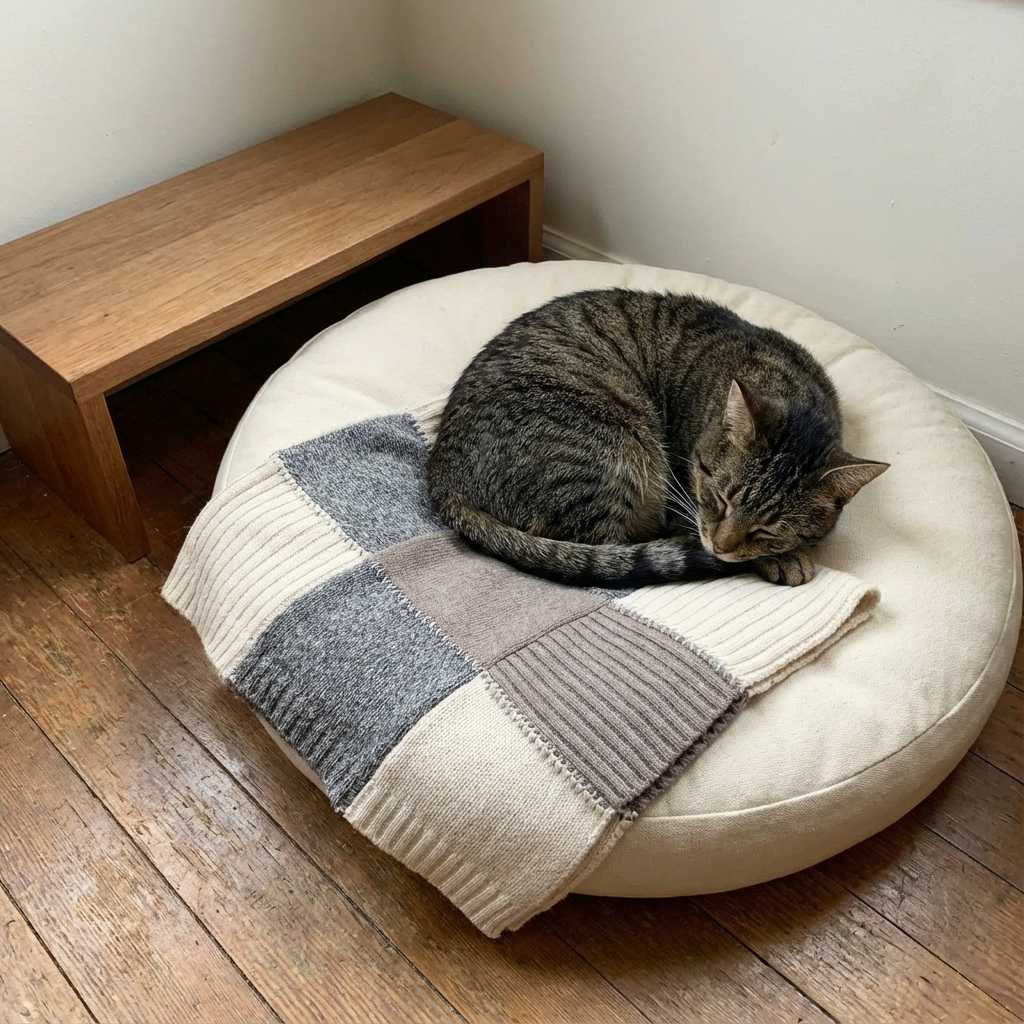
Old sweaters can be turned into soft, warm blankets that pets actually use. While this upcycle does require basic sewing, it is very forgiving and does not need precision or advanced skills.
This works especially well for sweaters that are too worn, stained, or misshapen to wear but still feel soft. Since pets do not care about perfect seams or visible mending, this is an ideal way to reuse fabric that would otherwise be thrown away.
- What it becomes: A cozy blanket for a pet bed, crate, or favorite nap spot.
- Why this reduces waste: Large sections of sweater fabric often remain usable long after a garment is no longer wearable. Turning them into pet items keeps textiles out of landfills.
How to Create It
- Cut the sweater open along the side seams and sleeves to create flat fabric panels.
- Arrange the panels into a rectangle or square large enough for your pet.
- Sew the pieces together with a simple straight stitch.
Best Sweaters for This Upcycle
- Soft knits or wool blends
- Sweaters with holes or stains in visible areas
- Items that are no longer suitable for wearing
4. Cropped Sweater Refresh
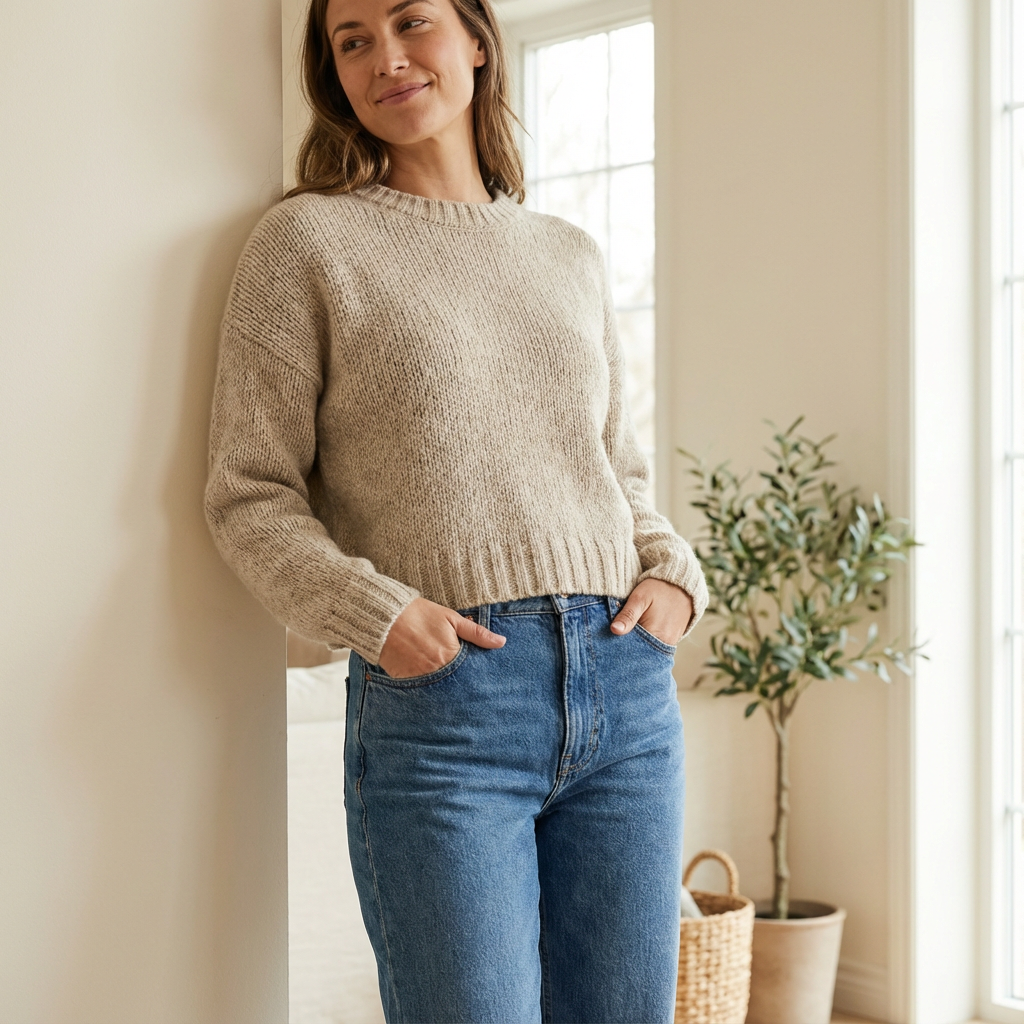
One of the fastest ways to make an old sweater feel modern is to change the length. Cropping instantly updates the silhouette and removes the most common problem areas, such as stretched hems, worn edges, or subtle staining near the bottom.
This upcycle works exceptionally well for oversized or boxy sweaters that feel bulky or shapeless. By shortening the length, the sweater becomes intentional instead of sloppy, and the knit naturally rolls or drapes at the cut edge for a finished look.
- What it becomes: A cropped sweater that pairs well with high-waisted jeans, trousers, or skirts.
- Why this reduces waste: Many sweaters get tossed simply because the fit feels wrong. Cropping keeps usable fabric in circulation while eliminating the part of the garment most likely to show wear.
How to Create It
- Put the sweater on and mark the length you want using a safety pin or chalk.
- Lay the sweater flat and double-check the measurement for evenness.
- Cut straight across with sharp fabric scissors.
- Lightly stretch the cut edge to help the knit relax and settle naturally.
- Optional: Use fabric glue to secure any loose threads if needed.
Best Sweaters for This Upcycle
- Oversized knits
- Thick or ribbed sweaters
- Sweaters with stretched or uneven hems
5. Sweater Hat or Hair Scrunchie
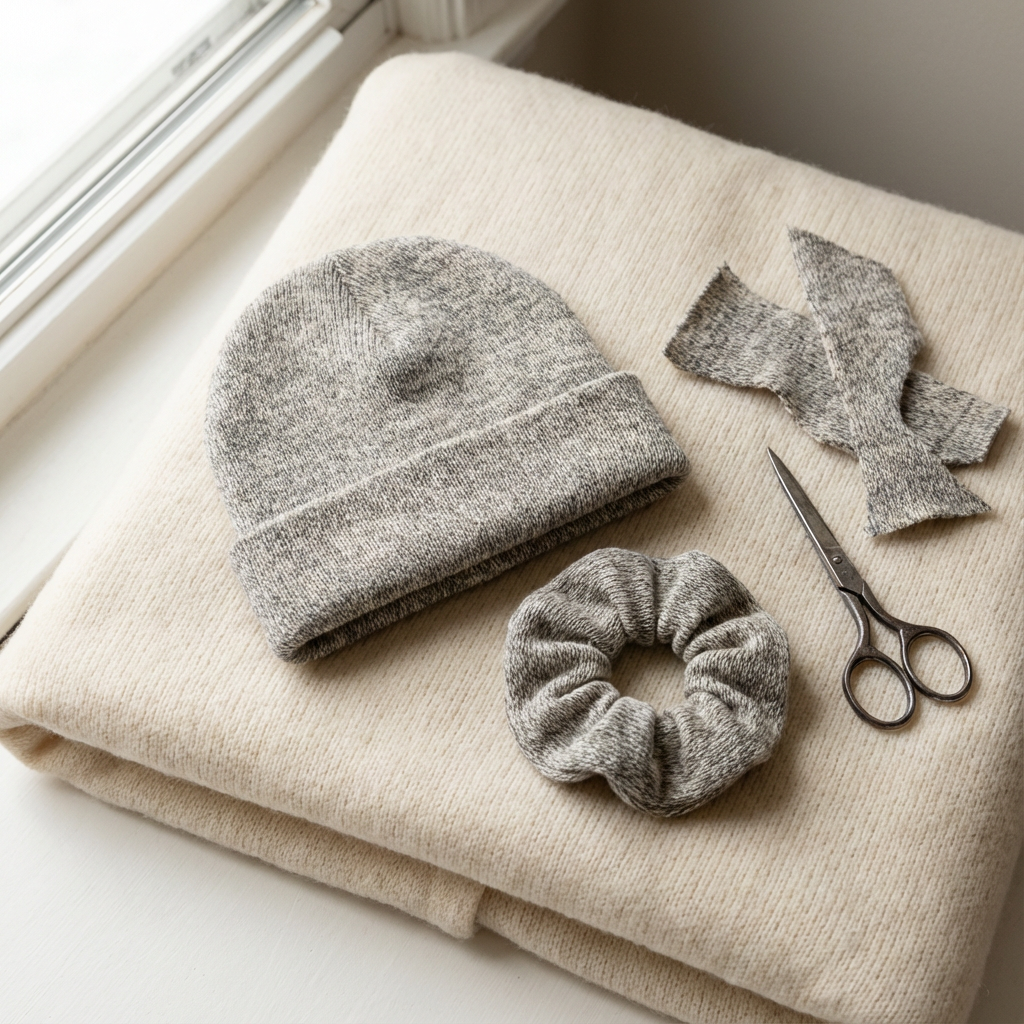
Both of these projects use small sections of sweater fabric and require basic sewing to hold their shape and withstand regular use. They are beginner-friendly but should not be treated as no-sew projects.
How to Make a Sweater Hat (Beanie Style)
This method works well for soft knit sweaters with good stretch and recovery.
- Cut a rectangle of sweater fabric large enough to fit around the head, using the ribbed hem if possible for a clean cuff.
- Fold the fabric in half, right sides together, so it forms a tall rectangle.
- Sew the long side to create a tube.
- Gather the top of the tube and sew it closed securely.
- Turn the hat right side out and fold the bottom edge up to create a cuff.
How to Make a Sweater Hair Scrunchie
Scrunchies are ideal for using leftover sweater scraps and smaller panels.
- Cut a long strip of sweater fabric.
- Fold the strip lengthwise, right sides together, and sew along the long edge to form a tube.
- Turn the tube right side out.
- Thread elastic through the tube, overlap the ends, and sew them together securely.
- Sew the fabric opening closed.
Best Sweaters for This Upcycle
- Lightweight or mid-weight knit sweaters
- Sweaters with good stretch and recovery
- Styles with a ribbed hem or clean, even knit panels
- Soft knits without heavy shaping or bulky seams
6. Off-the-Shoulder Sweater
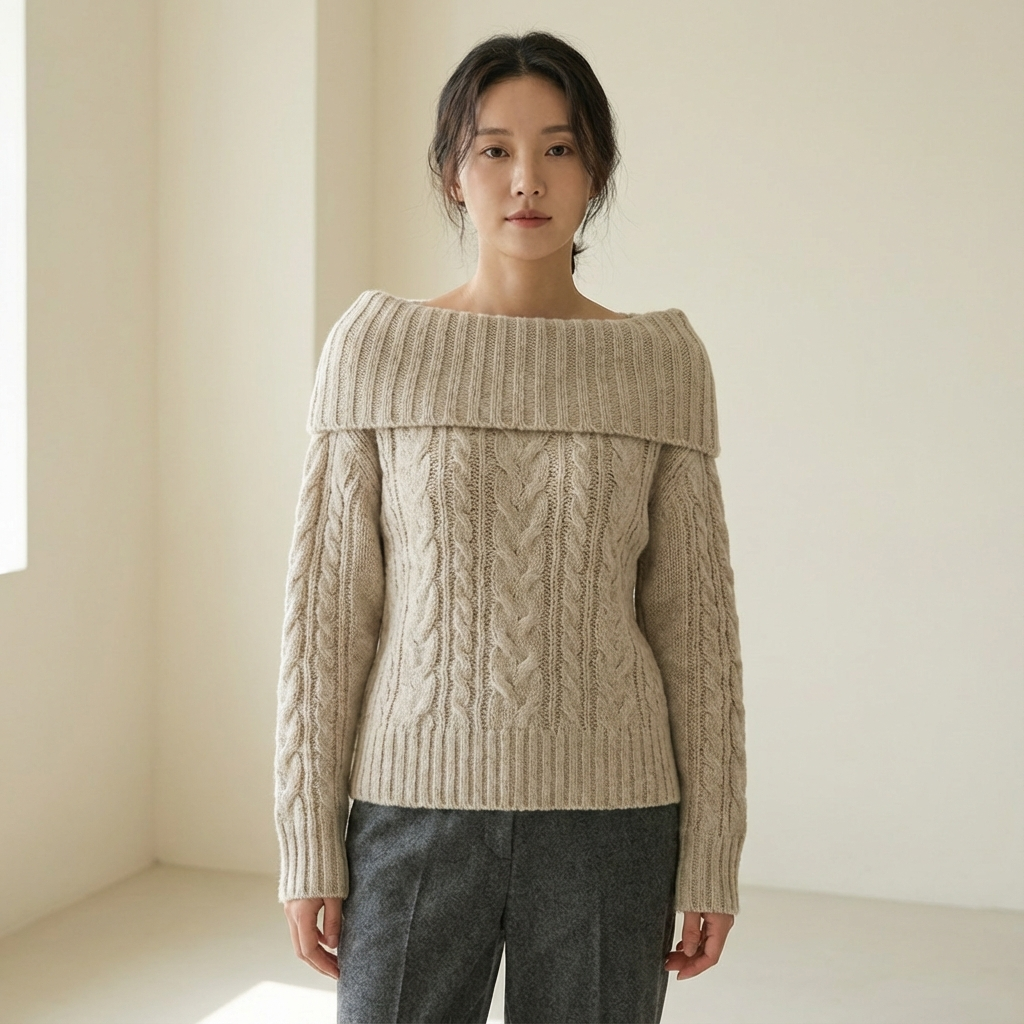
Creating an off-the-shoulder sweater from a true knit requires a small amount of sewing to keep the fabric stable. Unlike sweatshirts, knit sweaters can unravel if they are simply cut, so this upcycle focuses on reshaping the neckline and securing it properly.
This transformation works well for sweaters that feel stiff, tight at the neck, or dated in style but still have great fabric. The result is a softer, more wearable piece that feels intentional rather than altered.
- What it becomes: An off-the-shoulder sweater with a relaxed, wearable neckline.
- Why this reduces waste: Sweaters are often discarded due to discomfort rather than damage. Adjusting the neckline extends the life of the garment and keeps usable fabric in rotation.
How to Create It
- Put the sweater on and decide which shoulder you want exposed.
- Lay the sweater flat and mark an angled cut, starting just outside the neckline on one side and ending closer to the shoulder seam on the opposite side.
- Cut slowly and conservatively, trying it on as you go.
- Finish the cut edge with a simple zigzag stitch or a narrow folded hem to prevent unraveling.
- Optional: Add a thin elastic inside the hem if you want the neckline to stay securely in place.
Best Sweaters for This Upcycle
- Lightweight or mid-weight knit sweaters
- Sweaters with tighter knit structure
- Styles with plain or minimal texture
7. Belted Sweater Shape Shift
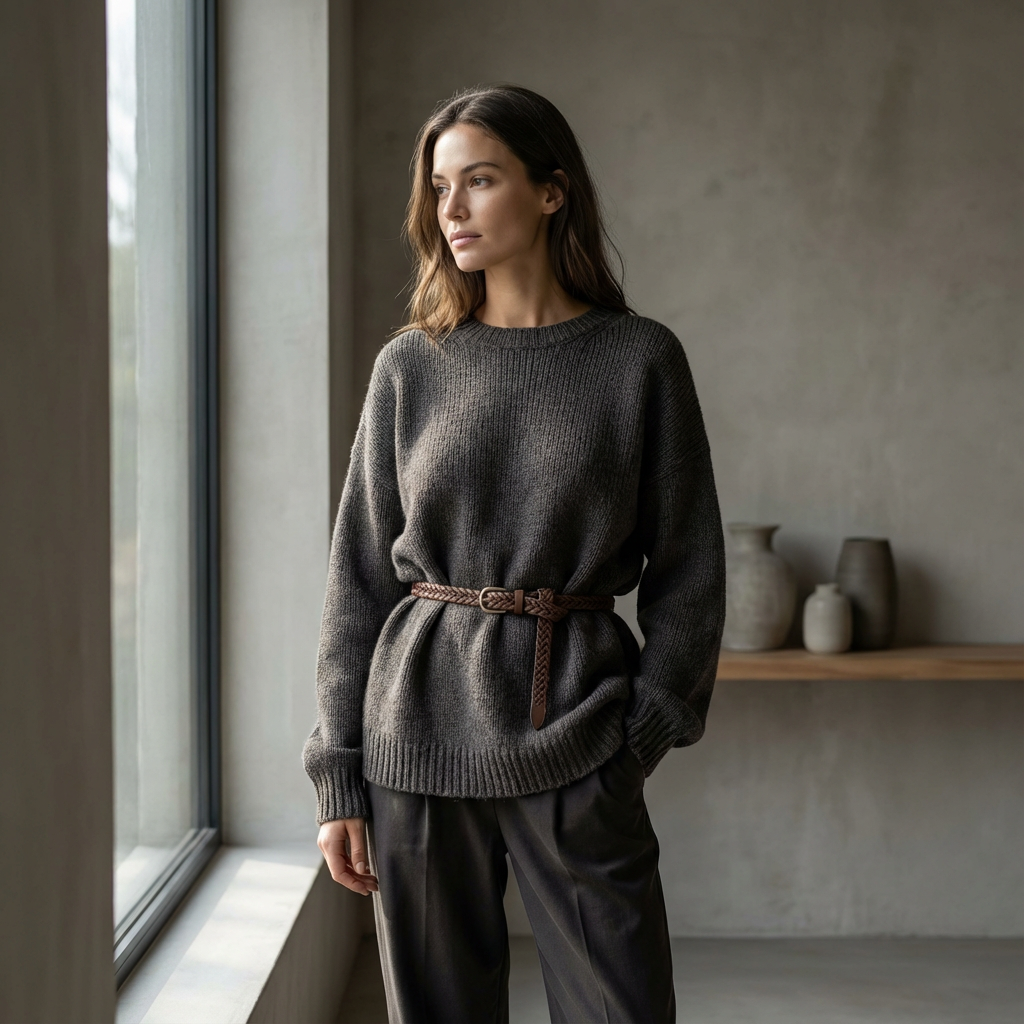
Some sweaters do not need cutting at all. Adding a belt is one of the simplest ways to change the entire shape of a sweater and make it feel intentional. This upcycle turns oversized or shapeless sweaters into a defined, styled piece with almost no effort.
This works especially well for sweaters that feel long, boxy, or overwhelming when worn loose. Belting creates structure, highlights the waist, and instantly makes the sweater look styled rather than thrown on.
- What it becomes: A belted sweater that can be worn as a tunic or sweater dress depending on length.
- Why this reduces waste: Many sweaters are donated because they feel bulky or unflattering. Reshaping them instead of replacing them keeps clothing in use and reduces demand for new garments.
How to Create It
- Put the sweater on and choose where you want the belt to sit.
- Add a belt or sash and adjust until the sweater drapes naturally.
- Gently blouse the fabric above the belt for a relaxed look.
Best Sweaters for This Upcycle
- Long or oversized sweaters
- Mid-weight knits
- Sweaters with simple, clean lines
8. Sweater Scarf or Wrap Conversion
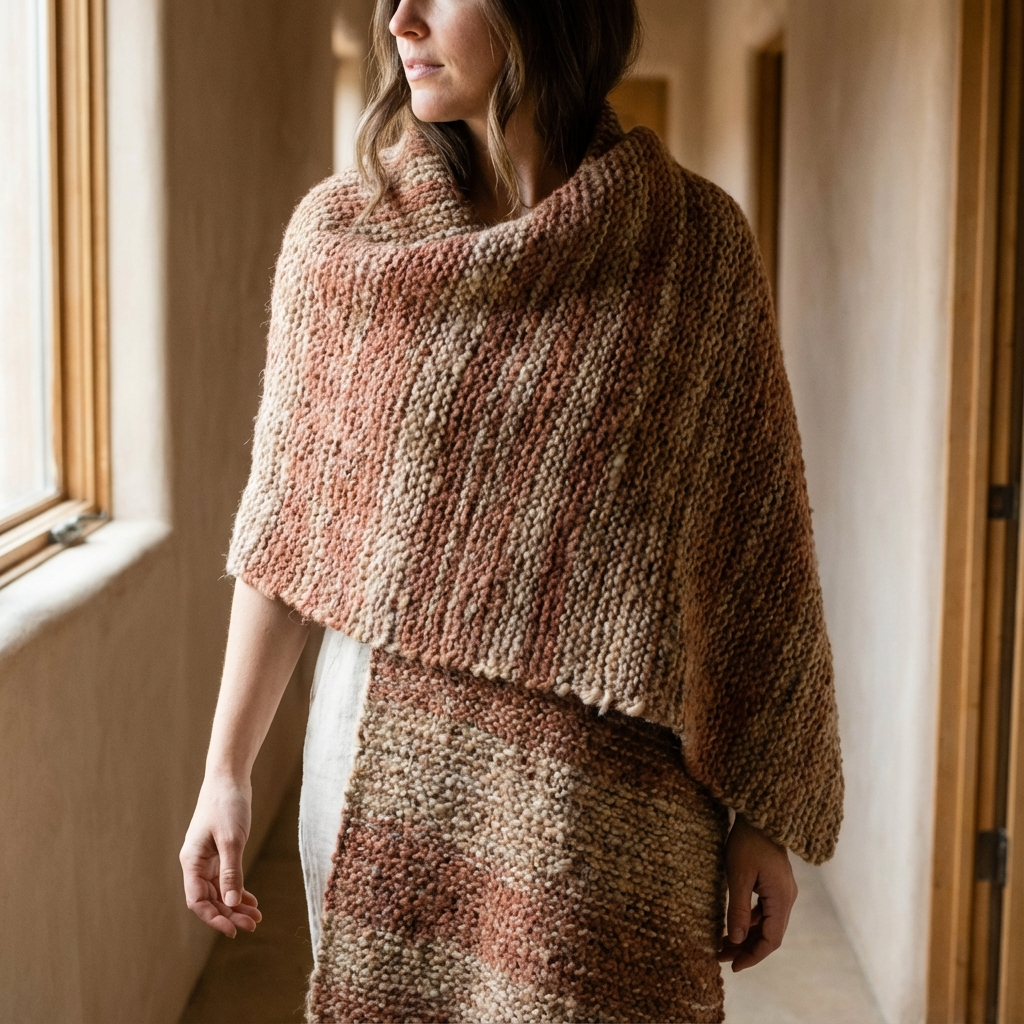
When a sweater no longer works as a top, the fabric itself is often still perfect. Turning a sweater into a scarf or wrap is a simple way to keep that material in use while creating something practical and wearable.
This upcycle is ideal for sweaters with stains, holes, or awkward fits in the body or sleeves. By repurposing the fabric into an accessory, you eliminate problem areas and end up with something you will actually reach for.
- What it becomes: A cozy scarf or wrap that works for everyday wear or layering indoors.
- Why this reduces waste: Accessories extend the life of sweater fabric that might otherwise be discarded due to fit or visible wear.
How to Create It
- Lay the sweater flat and decide which sections of fabric are usable.
- Cut along seams to create a long rectangle or wide panel.
- Gently stretch the edges so the knit relaxes and curls naturally.
Best Sweaters for This Upcycle
- Larger sweaters with plenty of fabric
- Soft knits and wool blends
- Sweaters with flaws concentrated in one area
9. Sweater Cardigan Cut-Open
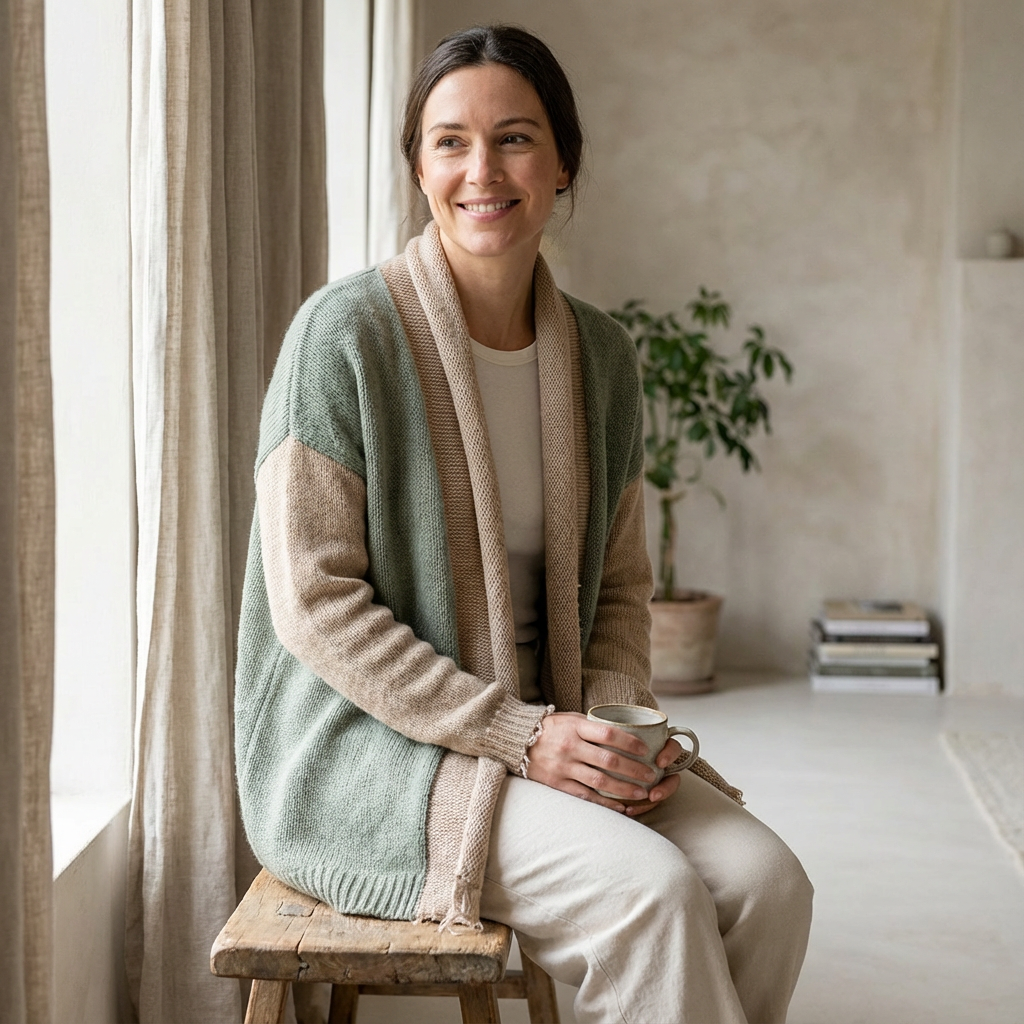
Turning a pullover sweater into a cardigan is one of the most impactful upcycles you can do with a single cut. This transformation completely changes how the sweater functions and how often it gets worn.
This works especially well for sweaters that feel too warm, hard to layer, or inconvenient to pull on and off. By opening the front, you create a versatile piece that works across seasons and outfits.
- What it becomes: An open-front cardigan that layers easily over tanks, tees, and dresses.
- Why this reduces waste: Sweaters are often discarded because they are impractical to wear, not because the fabric is worn out. This upcycle keeps the garment useful and in rotation longer.
How to Create It
- Lay the sweater flat and smooth out the fabric.
- Find the center front line and mark it from neckline to hem.
- Cut straight down the center front of the sweater.
- Gently stretch the cut edges so the knit relaxes and curls inward.
- Optional: Use fabric glue along the edges to prevent excess stretching.
Best Sweaters for This Upcycle
- Thicker knit sweaters
- Slightly oversized pullovers
- Sweaters without heavy ribbing at the center
10. Cozy Sweater Socks

Turning an old sweater into socks or slipper socks requires basic sewing, but it is one of the most practical ways to reuse soft knit fabric. The result is warm, durable, and far more useful than novelty projects that fall apart after one wear.
This upcycle works best for sweaters that are damaged in the body but still have intact sleeves or large panels of fabric. Instead of discarding the garment, you repurpose the material into something you will actually use at home.
- What it becomes: Sewn sweater socks or slipper socks for wearing indoors.
- Why this reduces waste: Socks are a high-turnover item. Making them from existing fabric reduces textile waste and replaces the need to buy new ones.
How to Create It
- Cut two sock-shaped pieces from the sweater sleeves or body.
- Place the pieces right sides together and pin.
- Sew around the edges, leaving the ankle opening open.
- Turn right side out and repeat for the second sock.
- Optional: Add a grippy sole or felt bottom for durability.
Best Sweaters for This Upcycle
- Soft knits or wool blends
- Sweaters with long sleeves
- Sweaters that are worn, stained, or misshapen in the body
11. Sweater Wrap-Front
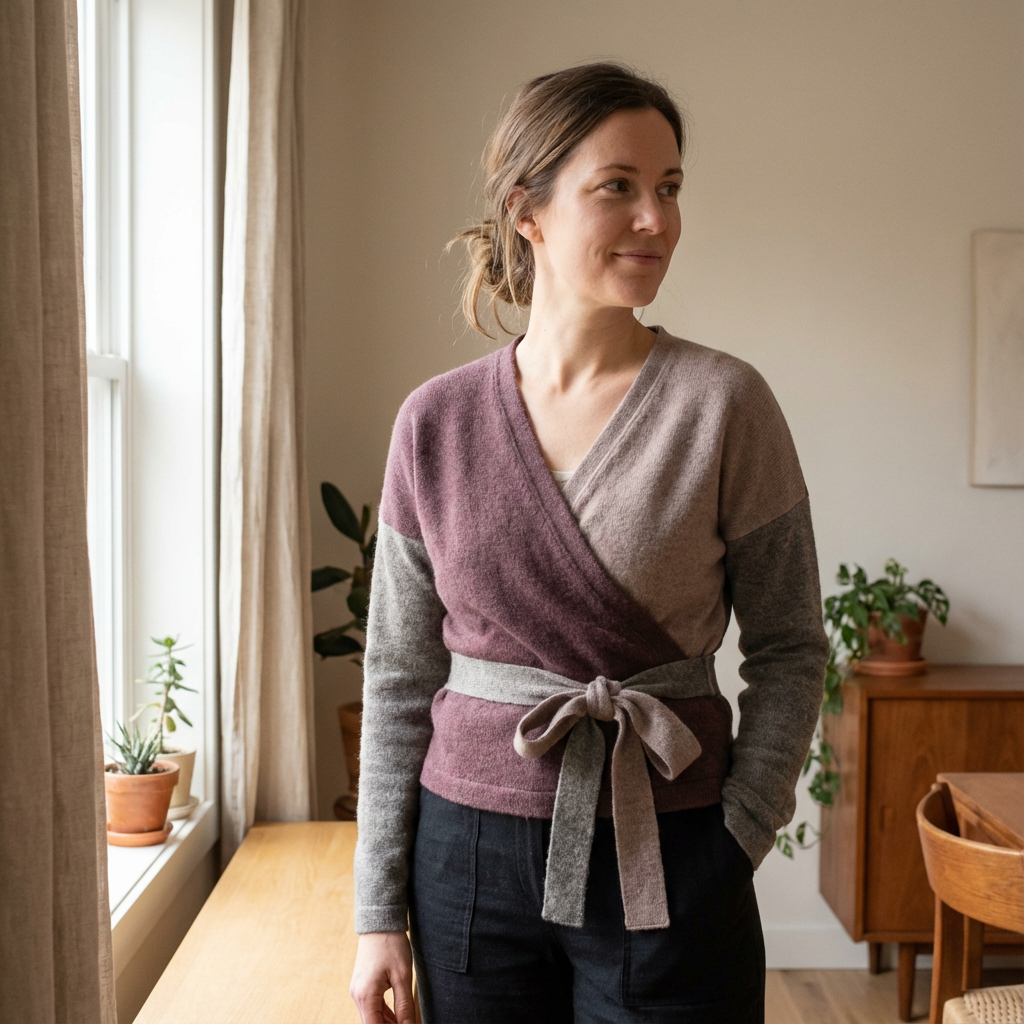
Transforming a sweater into a wrap-front style completely changes how it looks and wears. This upcycle adds adjustability, improves comfort, and creates a softer, more flattering silhouette.
It works especially well for sweaters with tight necklines, awkward fits through the chest, or styles that feel dated but still have great fabric.
- What it becomes: A wrap-front sweater top that ties or overlaps in front.
- Why this reduces waste: Sweaters that feel uncomfortable often get discarded even when the fabric is fine. Reshaping the garment gives it a new purpose and keeps it in use.
How to Create It
- Lay the sweater flat and cut straight down the center front.
- Try the sweater on and adjust how much overlap you want.
- Use a belt, ribbon, or fabric tie to secure the wrap.
- Optional: Use fabric glue to reinforce the cut edges if needed.
Best Sweaters for This Upcycle
- Lightweight or mid-weight knits
- Slightly oversized sweaters
- Sweaters with plain fronts and minimal texture
Final Thoughts on
Upcycling sweaters does not have to mean complicated projects or perfect results. Small, thoughtful changes can give clothing a second life and keep wearable fabric out of the waste stream longer.
Whether you start with a cropped refresh, a sweater vest, or a cozy home project, each upcycle helps reduce the need for new clothing and makes better use of what you already own. It also shifts how you see your closet, not as a collection of worn-out items, but as a source of materials that still have value. If you like this kind of money-saving switch, our list of 23 easy eco swaps covers the rest of the house.
If you are new to upcycling, start with just one sweater and one idea from this list. The goal is not to overhaul your wardrobe, but to make simple, low-effort changes that feel realistic and sustainable over time.